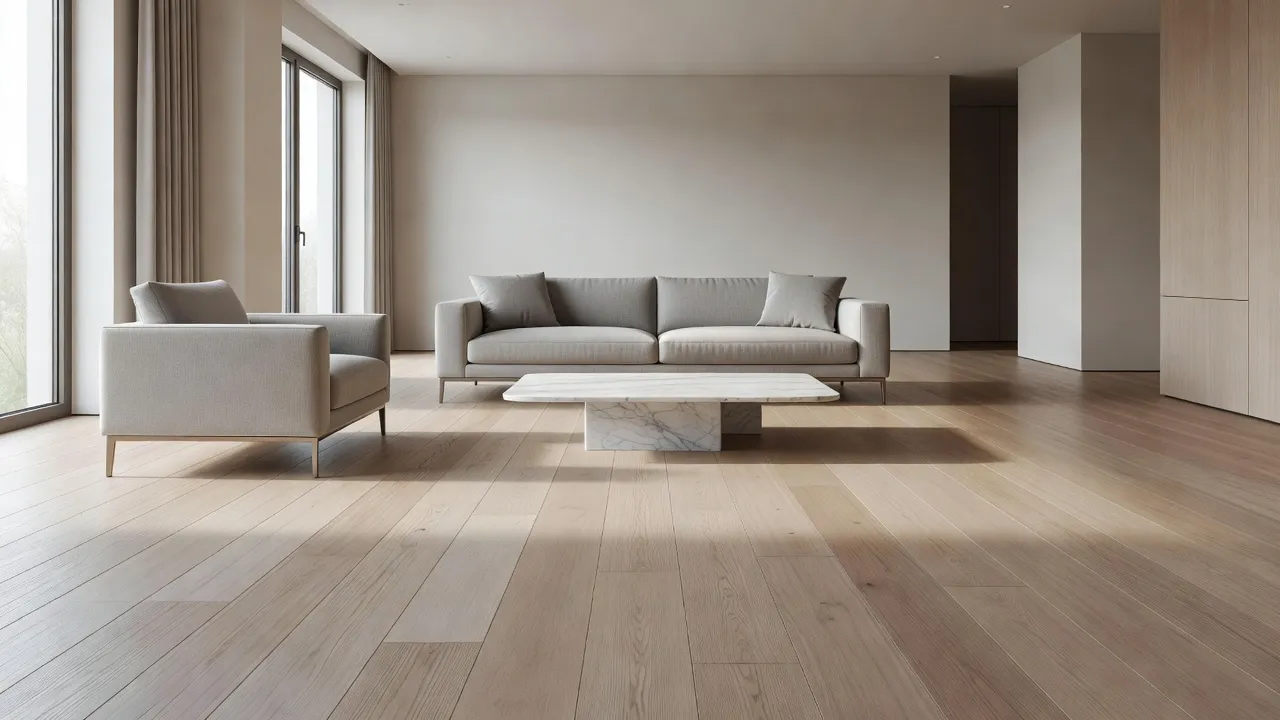
The best waterproof flooring options for modern homes are luxury vinyl plank (LVP), porcelain tile, waterproof engineered hardwood, sheet vinyl, and liquid epoxy coatings. These materials prevent water penetration through non-porous surface construction or waterproof core materials, protecting subfloors from structural mold and warping. Choosing the right material depends on your room location, installation budget, and style goals.
Most homeowners make a costly mistake right at the start: confusing water-resistant flooring with truly waterproof flooring. Water-resistant floors buy you an hour or two to clean up a spill before liquid seeps into joints, while waterproof materials can handle standing water indefinitely without swelling. Installing merely water-resistant materials in high-risk zones like basements or full bathrooms often leads to trapped moisture, ruined underlayment, and thousands of dollars in unexpected replacement costs.
What makes flooring 100% waterproof instead of water-resistant?
100% waterproof flooring relies on inorganic materials or core structures that cannot absorb water, regardless of exposure length. Water-resistant flooring merely uses topical coatings to delay liquid penetration through seams.
To avoid failing an inspection or replacing subfloors after a plumbing leak, inspect the structural core of the material:
- Stone Polymer Composite (SPC): Combines limestone powder and stabilizers to create an ultra-dense, rigid core that will not expand when submerged.
- Wood Polymer Composite (WPC): Uses foaming agents with wood powder and plastic to offer cushion underfoot while remaining completely waterproof.
- Impervious Ceramic and Porcelain: Fired at high temperatures, achieving a water absorption rate of 0.5% or lower according to Tile Council of North America testing standards.
- Synthetic Resins: Liquid epoxies cure into a continuous, seamless surface layer over raw concrete.
If you are planning updates in high-moisture rooms, review our dedicated guide to flooring options for kitchens to balance durability with style.
5 Best Waterproof Flooring Options for Homeowners
| Material | Average Cost / Sq Ft | Primary Application |
|---|---|---|
| Luxury Vinyl Plank (LVP) | $2.50 - $7.00 | Bathrooms, Kitchens, Living Rooms |
| Porcelain & Ceramic Tile | $3.00 - $12.00 | Kitchens, Bathrooms, Entry |
| Waterproof Hardwood | $6.00 - $14.00 | Living Rooms, Bedrooms |
| Sheet Vinyl | $1.50 - $4.00 | Laundry Rooms, Rental Units |
| Epoxy Coating | $4.00 - $9.00 | Basements, Garages |
1. Luxury Vinyl Plank (LVP) and Luxury Vinyl Tile (LVT)
Luxury vinyl plank consists of multi-layer synthetic sheets with a solid waterproof SPC or WPC core. It ranks as the most popular choice for residential renovations because it mimics natural wood grains without susceptible cellulose fibers.
- Why it made the list: LVP is simple to install via click-lock floating mechanisms and costs significantly less than solid hardwood. As of September 2026, rigid core SPC planks are the industry standard for spill-heavy family homes.
- Key trade-off: Subfloor imperfections telegraph through lower-grade planks over time, requiring flat, prepped subfloors.
- Ideal placement: Kitchens, mudrooms, and open-plan main floors.
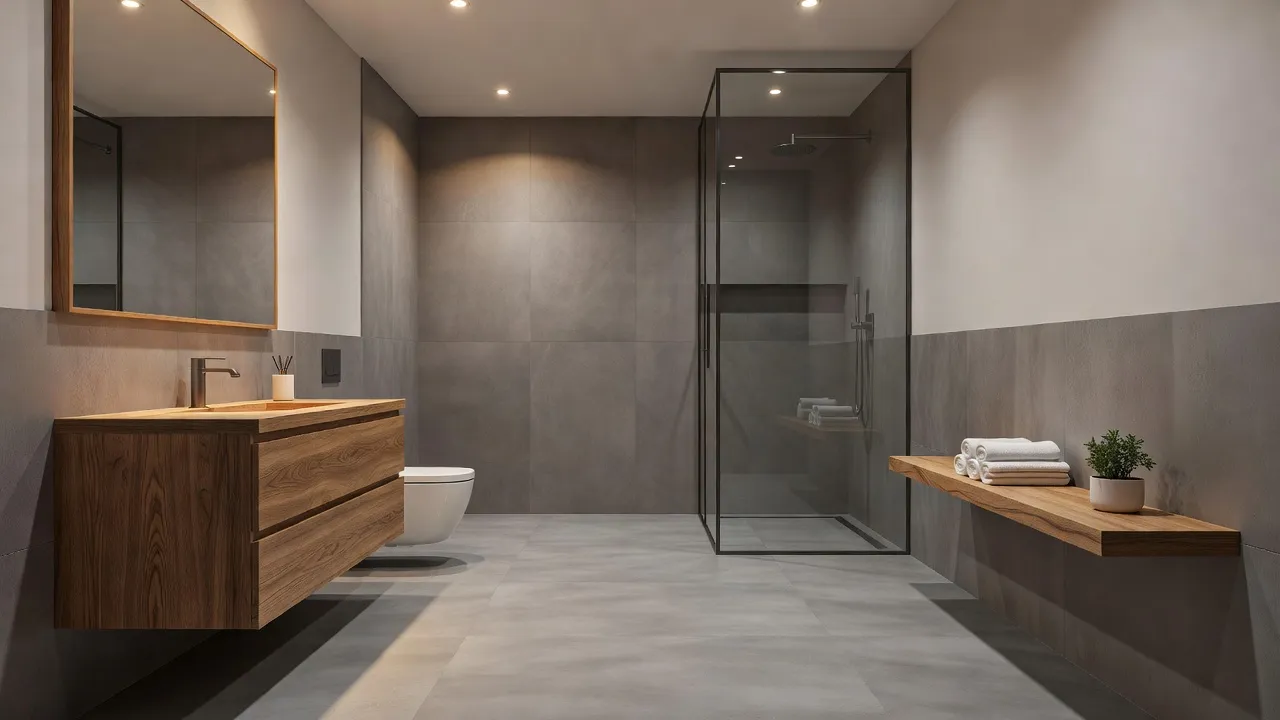
2. Porcelain and Ceramic Tile
Porcelain tile is pressed from refined clay and fired at extreme temperatures to yield an impervious surface. It handles extreme surface water, pet accidents, and heavy traffic without scratching or swelling.
- Why it made the list: Porcelain offers an unmatched lifespan of 50 years or more when installed with sealed grout lines. The material carries a water absorption rating below 0.5%, making it ideal for wet rooms.
- Key trade-off: Cold underfoot in winter and unforgiving when dishware is dropped. Hard installation requirements often necessitate hiring professional tilers.
- Ideal placement: Bathrooms, walk-in showers, and laundry areas.
3. Waterproof Engineered Hardwood
Waterproof engineered hardwood combines a real hardwood veneer top layer with a waterproof SPC core and seam sealants. This hybrid construction gives you real oak or hickory aesthetics without wood's traditional vulnerability to cupping.
- Why it made the list: It solves the dilemma for homeowners who demand real timber in moisture-prone rooms. You gain genuine grain patterns while protecting your investment against minor plumbing leaks.
- Key trade-off: Top real-wood veneers can scratch from pet claws just like traditional hardwood, and material prices run high.
- Ideal placement: First-floor hallways, open-concept dining rooms, and powder rooms.
If you are upgrading non-wet spaces like bedrooms alongside wet areas, compare these choices against soft surface selections in our guide to bedroom flooring ideas.
4. Sheet Vinyl Flooring
Sheet vinyl comes in 6-foot or 12-foot wide rolls, creating a continuous waterproof surface with zero or minimal seams. Modern felt-backed or fiberglass sheets replicate stone and ceramic patterns surprisingly well.
- Why it made the list: Without open seams, water cannot reach the subfloor beneath sheet vinyl during top-side flooding. It is one of the cheapest options available for full water protection.
- Key trade-off: Difficult to repair if torn; replacing a damaged section usually requires cutting out large swaths or installing a full patch.
- Ideal placement: Small laundry closets, utility rooms, and high-traffic rental properties.
5. Liquid Epoxy Floor Coating
Epoxy floor coating is a two-part thermosetting polymer applied directly over solid concrete slabs. Once fully cured, it forms a high-gloss, chemical-resistant barrier that seals concrete pores completely.
- Why it made the list: Epoxy stops subfloor dampness and handles standing water without peeling when applied over properly etched concrete. According to concrete prep guidelines from the Resilient Floor Covering Institute, moisture testing is still necessary prior to application.
- Key trade-off: Strong chemical fumes during application and extensive floor preparation required before roll-out.
- Ideal placement: Garages, workshop areas, and raw concrete basement spaces.
How to Preview Waterproof Flooring Options in Your Space
Choosing a flooring material from a tiny 3-inch sample swatch frequently leads to regret once 500 square feet are installed. Color tones change under daylight, and plank patterns look vastly different across a full room.
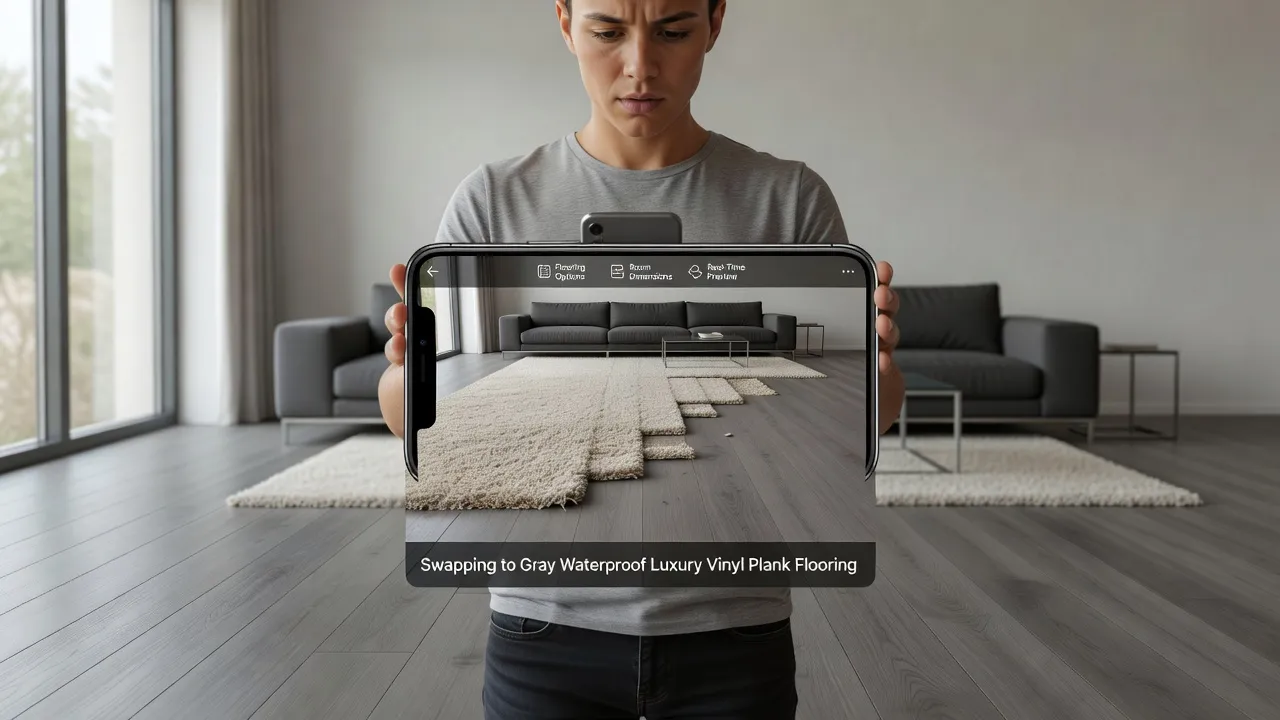
Before purchasing thousands of dollars in materials, use Renova AI to visualize floor replacements instantly on your smartphone. By uploading a single photo of your room, you can test different waterproof flooring options like light oak LVP or dark porcelain tile in seconds.
| Solution | Ideal User | Primary Advantage | Estimated Lifespan |
|---|---|---|---|
| Luxury Vinyl Plank | DIY Homeowners & Families | Fast installation, realistic wood looks | 15 - 25 Years |
| Renova AI Visualizer | Homeowners planning a remodel | See 100+ floor options in your photo before buying materials | Pre-renovation software tool |
| Porcelain Tile | High-moisture zone renovators | Extreme durability, zero water absorption | 50+ Years |
| Waterproof Hardwood | Real wood enthusiasts | Real wood veneer with zero warping risk | 20 - 30 Years |
| Sheet Vinyl | Budget renovators | Seamless full-width moisture barrier | 10 - 15 Years |
I strongly recommend checking floor style layouts with the Renova AI iOS App before pulling up old carpets. Seeing a floor swap in your actual room light helps you avoid picking shades that darken your space or clash with existing cabinetry.
Which waterproof flooring is best for basements and crawl spaces?
Rigid core Stone Polymer Composite (SPC) luxury vinyl plank is the best overall option for basement subfloors. Basements suffer from vapor emissions moving up through concrete slabs, which destroys traditional laminate and solid wood.
When prepping a below-grade space, pay attention to these conditions:
- Concrete moisture vapor: Test subfloor vapor output using a calcium chloride kit before laying underlayment.
- Thermal barrier needs: Cold basement slabs benefit from LVP with pre-attached IXPE foam backing.
- Drainage paths: Ensure perimeter drains and sump pumps operate smoothly before laying floating floors.
For a deeper analysis of subterranean moisture risks, read our guide on options for basement flooring.
How much does waterproof flooring cost per square foot in 2026?
In 2026, waterproof flooring costs range between $1.50 and $14.00 per square foot for materials, plus $2.00 to $10.00 per square foot for professional installation. Sheet vinyl remains the most budget-friendly option, while engineered waterproof hardwood sits at the top tier.
| Flooring Category | Material Cost / Sq Ft | Professional Install / Sq Ft |
|---|---|---|
| Sheet Vinyl | $1.50 - $4.00 | $1.50 - $3.00 |
| Rigid Core LVP (SPC) | $2.50 - $7.00 | $2.00 - $5.00 |
| Porcelain Tile | $3.00 - $12.00 | $5.00 - $10.00 |
| Liquid Epoxy Coating | $4.00 - $9.00 | Included in kit or $3 - $6 labor |
| Waterproof Hardwood | $6.00 - $14.00 | $4.00 - $8.00 |
Budgeting errors usually happen during demo and floor prep rather than material buying. Homeowners frequently forget to account for subfloor leveling compounds, vapor barriers, quarter-round trim, and dump fees for old materials.
What installation mistakes ruin waterproof floors?
The most common mistake that ruins waterproof flooring is failing to seal edges and perimeter expansion gaps. While the planks or tiles themselves do not absorb liquid, water sneaking around baseboards rots subfloor plywood below.
Avoid these four common installation failures:
- Skipping baseboard silicone: Apply 100% silicone caulk along tub edges and baseboard joints in bathrooms.
- Ignoring uneven concrete: Floating LVP planks unclick over time if subfloor dips exceed 3/16 inch across a 10-foot span.
- Locking expansion gaps: Tiling or nailing directly through floating planks prevents natural temperature expansion, causing floor bucking.
- Using wrong adhesives: Standard wood glues dissolve under standing water; always use moisture-cured urethane adhesives when full-spreading tile or vinyl sheets.
Before ripping up old materials, preview how new textures work with your current wall colors using Renova AI. A 10-second floor swap visualization prevents costly layout mismatches.
Frequently Asked Questions
Can you put waterproof flooring directly over old tile?
Yes, you can install rigid core LVP or sheet vinyl directly over old tile if the grout lines are filled and the surface is completely flat. However, deep grout lines can telegraph through thin sheet vinyl, so apply a skim coat patch first.
Is SPC vinyl better than WPC vinyl for waterproofing?
Both SPC and WPC are 100% waterproof, but SPC features a denser limestone core that resists denting from heavy furniture better than WPC. WPC offers a softer, warmer feel underfoot, making it preferred for upstairs bedrooms.
Does waterproof flooring increase home appraisal value?
High-end waterproof flooring like porcelain tile or waterproof engineered hardwood increases buyer interest and appraisal values. Basic sheet vinyl does not add significant resale equity but prevents costly moisture inspection flags.
How long does luxury vinyl plank flooring last?
Quality luxury vinyl plank flooring lasts between 15 and 25 years when maintained properly. High wear-layer thicknesses of 20 mil or higher extend life spans significantly under heavy foot traffic.
Can water get under floating waterproof floors?
Yes, water can seep through unsealed perimeter expansion gaps or damaged plank joints during floods. While the planks remain unharmed, trapped moisture beneath them creates mold on subfloor plywood if not dried promptly.
How do I clean waterproof vinyl plank floors?
Mop waterproof vinyl plank floors using a pH-neutral cleaner mixed with warm water and a microfiber pad. Avoid steam mops, as high temperatures can break down plank adhesive backings and wear layers.
Is waterproof flooring scratch-proof for pets?
No floor is 100% scratch-proof, but ceramic tile and high-mil LVP offer extreme scratch resistance against dog claws. Ceramic and porcelain tiles resist pet scratches far better than waterproof hardwood or sheet vinyl.