
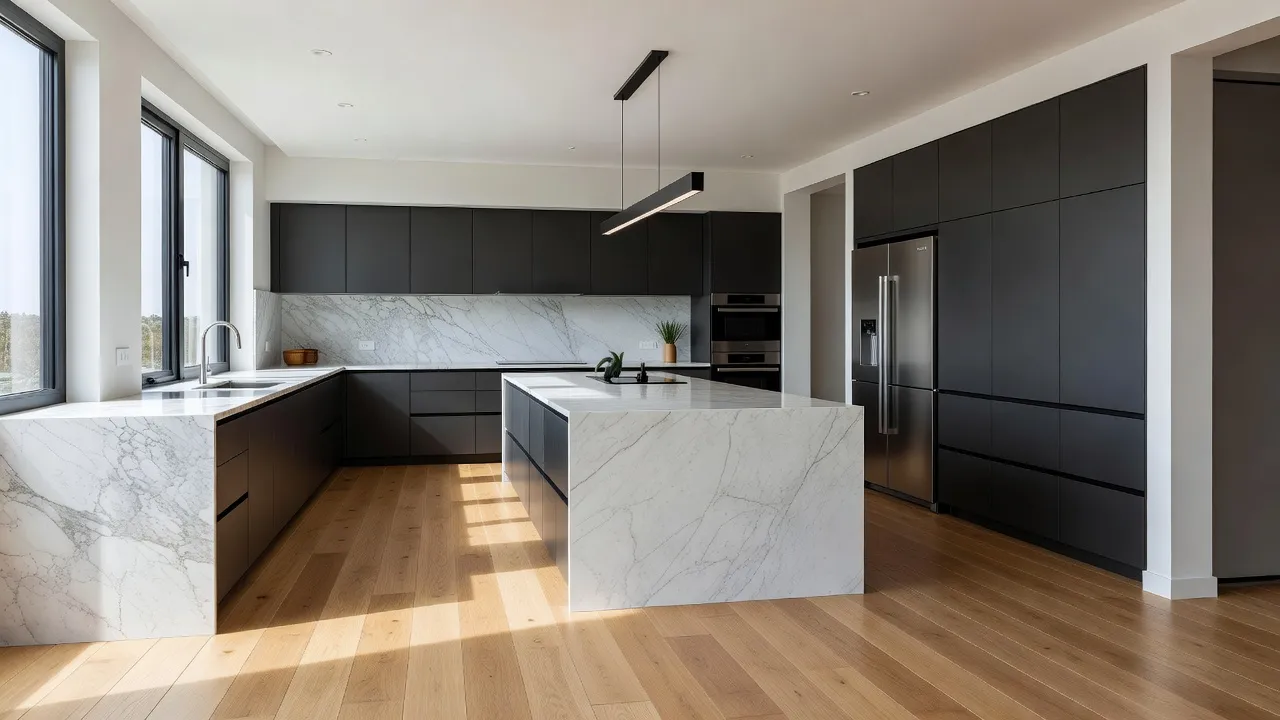
The best flooring options for kitchens in 2026 are luxury vinyl plank (LVP), porcelain tile, water-resistant engineered hardwood, sheet vinyl, and natural stone. Each material strikes a different balance between upfront installation costs, water protection, and long-term resale value. Selecting the right surface requires weighing material expenses against hidden subfloor preparation fees that catch many homeowners off guard.
What kitchen flooring trends are popular in 2026?
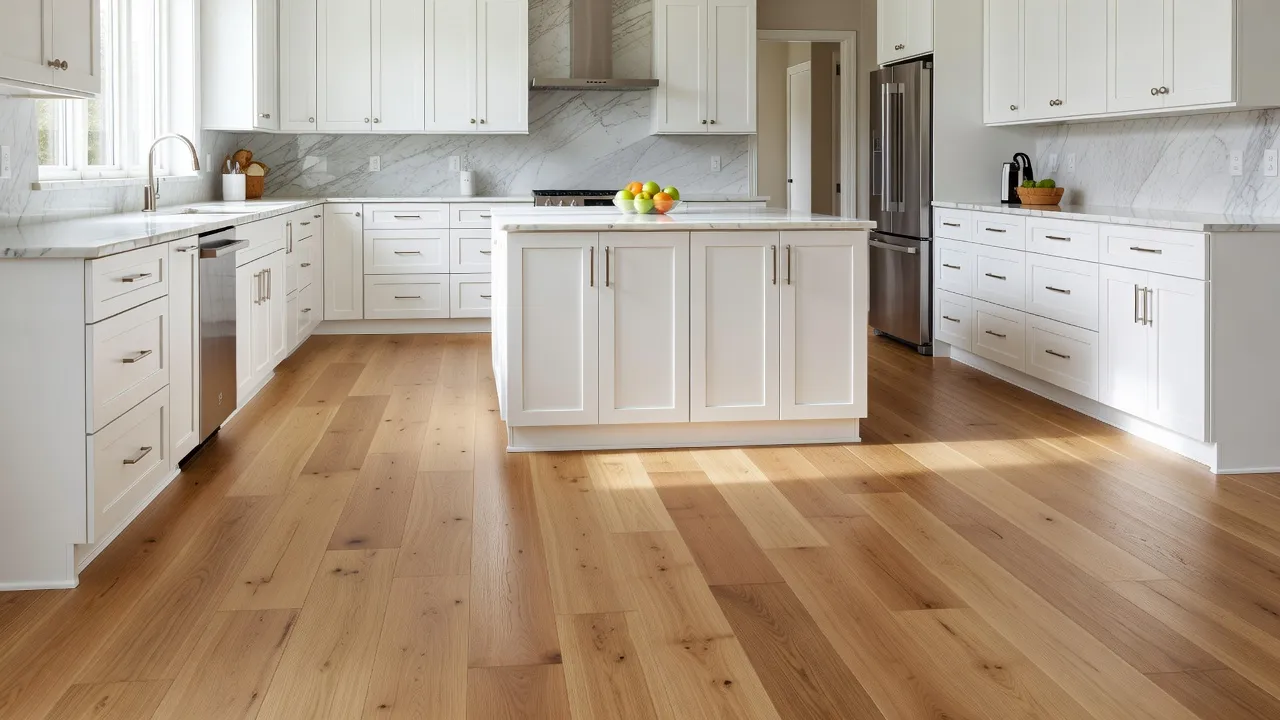
In 2026, kitchen flooring trends focus heavily on low-maintenance waterproof materials that replicate natural wood and stone textures. Homeowners are moving away from dark, high-gloss finishes in favor of matte coatings and wider plank dimensions. Warm natural oak tones, neutral stone visuals, and large-format layout patterns dominate current residential renovations.
Why large-format tiles are dominating modern kitchens
Large-format porcelain tiles reduce visible grout lines, creating a cleaner look that is easier to scrub clean. Standard 12x12 tiles have given way to 24x24 and 12x24 rectangles across contemporary kitchen projects. Fewer grout joints mean fewer places for grease, spilled juice, and kitchen dirt to collect over time.
The rise of warm, natural oak tones in luxury vinyl
Warm honey and natural European oak shades have officially replaced grey tones as the preferred luxury vinyl color palette. Homeowners want inviting, organic tones that tie seamlessly into open-concept living spaces. These lighter shades also hide daily dust and dog hair far better than dark walnut or espresso stains.
What flooring do experts recommend for kitchens?
Contractors and interior designers overwhelmingly recommend rigid core luxury vinyl plank (SPC) and porcelain tile for kitchen installations. These materials handle standing water, heavy foot traffic, and dropped cookware without warping or shattering. Their long warranties make them the safest long-term recommendation for busy households.
Why contractors advocate for rigid core LVP
Contractors prefer Stone Plastic Composite (SPC) rigid core vinyl because it clicks together easily over minor subfloor flaws. SPC vinyl features an ultra-dense limestone core that resists expansion from temperature shifts near dishwashers and ovens. According to product specifications documented by the National Kitchen & Bath Association (NKBA), rigid core vinyl remains the top choice for kitchen remodels due to its total water resistance and structural stability.
When interior designers push for natural stone or hardwood
Designers recommend real engineered hardwood or natural slate when open-concept kitchens flow directly into formal dining or living areas. Matching the kitchen floor to adjacent rooms avoids awkward visual breaks across your floor plan. When budget allows, pre-finished engineered planks with a waterproof sealant deliver authentic wood grain without the extreme sensitivity of solid timber.
What flooring are homeowners actually choosing for kitchens?
Most homeowners actually buy rigid core luxury vinyl plank or sheet vinyl because real-world kitchen renovation budgets force a balance between durability and price. While high-end stone looks stunning in magazines, everyday spill risks and tight labor budgets drive practical purchasing decisions at retail stores.
Budget constraints versus long-term durability
The average kitchen floor replacement costs between $1,500 and $4,500 total, which leads many buyers straight to resilient vinyl options. Real hardwood can consume half a kitchen budget before cabinets or counters are touched. Choosing a high-performing LVP leaves significantly more budget for updated appliances or new quartz countertops.
How pet owners and parents tilt the market toward waterproof materials
Pet owners choose textured LVP and glazed tile specifically to prevent claw scratches and water bowl leaks from ruining their investment. A leaking ice-maker or spilled dog bowl will destroy standard laminate or solid oak in hours. Waterproof surfaces eliminate the panic associated with minor plumbing accidents.
If you are planning to refresh adjoining spaces alongside your kitchen, review our guides on flooring options for bathroom projects and options for basement flooring to ensure consistent material choices across your home.
How does kitchen flooring affect cost vs value (resale value)?
High-end kitchen flooring like porcelain tile and engineered hardwood yields a strong return on investment, while cheap sheet vinyl can depress buyer interest. Buyers notice flooring the moment they enter a home, making material selection a major factor in overall kitchen perception.
| Material Category | Average Cost/SqFt | Upfront Cost Level | Resale Buyer Impact |
|---|---|---|---|
| Engineered Hardwood | $10 - $24 | High | Very High |
| Porcelain Tile | $8 - $24 | High | High |
| Luxury Vinyl Plank | $4 - $12 | Moderate | Moderate to High |
| Sheet Vinyl | $2.50 - $7.50 | Low | Neutral to Low |
Return on investment (ROI) by material type
Hardwood and premium porcelain tile retain the highest resale equity, returning up to 70% to 80% of their installed cost at home sale. Home buyers view real wood and permanent tile as premium architectural upgrades. High-grade LVP performs almost as well in mid-range markets, whereas bargain-tier vinyl often signals a future renovation project to buyers.
Hidden installation traps that slash your profit margin
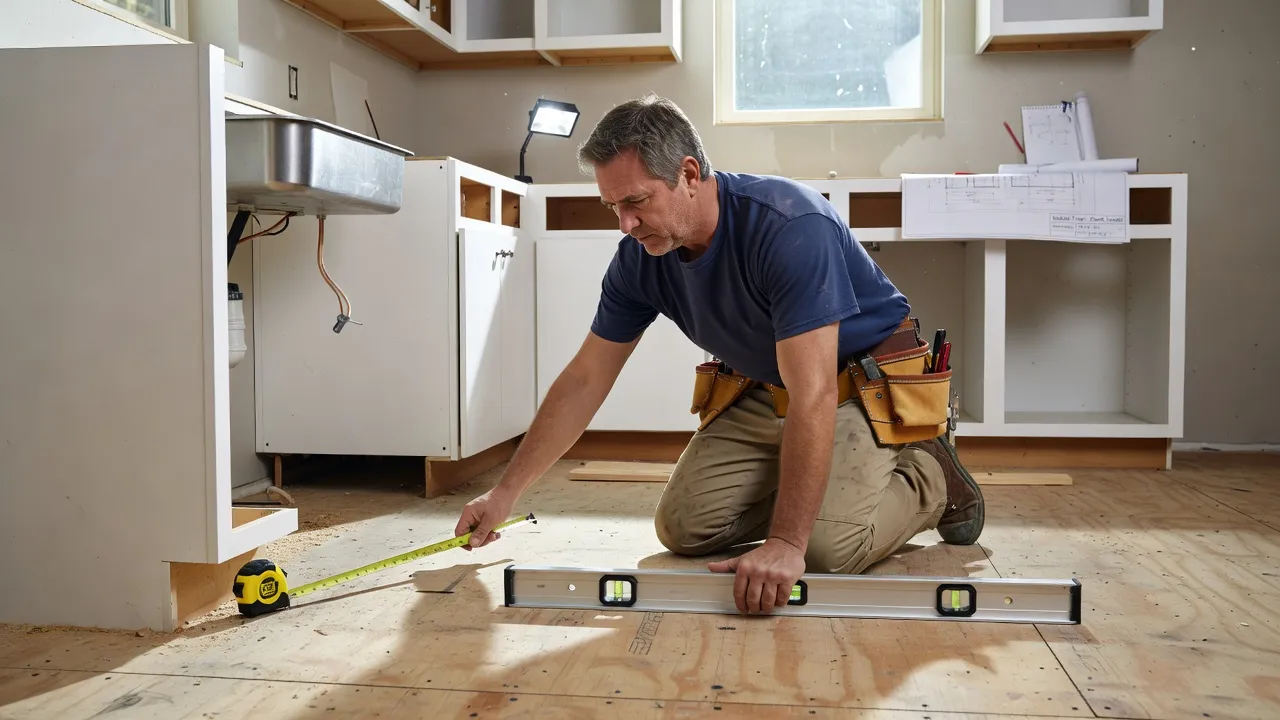
Subfloor leveling compound and old floor tear-out can quietly add $2 to $6 per square foot to your total bill. Installation estimate data published in Angi's cost guide indicates that subfloor preparation and leveling fees can double initial labor quotes on older homes. If your subfloor is unlevel, rigid planks will flex, creak, or unclick at the seams over time.
Visualizing your kitchen makeover before spending a dime
You can preview how different kitchen flooring material options look inside your exact space using the Renova AI app. Instead of guessing how warm oak planks or grey slate tiles will match your existing cabinets, you simply upload a photo of your current kitchen. The AI swapped floor tool renders accurate textures and lighting in seconds.

Testing visual concepts early helps you avoid costly material mistakes before ordering pallets of tile or planking. Downloading Renova AI for iOS lets you test over 100 interior styles and floor swaps directly on your phone without touching a manual editing tool.
The 7 best flooring options for kitchens ranked by cost and performance
Finding the best flooring options for kitchens means weighing material durability against real installation expenses. Below are the seven top materials ranked by practical performance, water resistance, and pricing transparency.
1. Luxury Vinyl Plank (LVP) and Luxury Vinyl Tile (LVT)
Luxury vinyl plank is the most versatile kitchen flooring option on the market today, offering 100% waterproof protection at a moderate price point. It features a printed design layer protected by a clear polyurethane wear layer and a rigid core backing.
- Why it made the list: It mimics genuine hardwood or natural stone without the water sensitivity or high installation labor costs.
- The pricing trap: Buying cheap LVP with a wear layer under 12 mil will cause the surface to scuff and peel within a few years. Aim for a 20 mil wear layer for high-traffic kitchens.
- Best for: Active households with kids, pets, or heavy cooking routines.
2. Porcelain and Ceramic Tile
Porcelain tile is an almost indestructible flooring surface that completely blocks water penetration. Made from dense clay fired at high temperatures, it handles hot spills, heavy appliances, and aggressive cleaning chemicals without staining.
- Why it made the list: As detailed by building experts at Bob Vila, certified porcelain absorbs less than 0.5% of its weight in water, making it virtually impervious to kitchen moisture.
- The pricing trap: The tile itself may look cheap at $3 per square foot, but professional tile installation labor typically costs $5 to $14 per square foot extra.
- Best for: Long-term homeowners seeking permanent durability and classic design value.
3. Water-Resistant Engineered Hardwood
Engineered hardwood features a real wood veneer bonded over layers of high-density fiberboard or cross-grained plywood. This layered structure makes the plank more stable than solid wood when exposed to slight humidity changes.
- Why it made the list: It delivers authentic timber warmth and boosts home resale value more than synthetic alternatives.
- The pricing trap: Water-resistant coatings only protect the top surface; standing water that sits in the plank seams will still cause swelling and delamination.
- Best for: Open-concept layouts where the kitchen connects directly to a wood-floored living area.
4. Sheet Vinyl Flooring
Modern sheet vinyl comes in 12-foot wide rolls that cover small and medium kitchens with zero seams for liquid to enter. It is soft underfoot, budget-friendly, and significantly upgraded from the outdated linoleum of past decades.
- Why it made the list: It is the best sheet vinyl flooring for kitchen remodels on a strict budget, providing seamless spill protection.
- The pricing trap: Any small bumps or debris left on the subfloor will telegraph through the thin sheet vinyl, creating visible ridges on the finished surface.
- Best for: Rental properties, utility rooms, and quick low-cost updates.
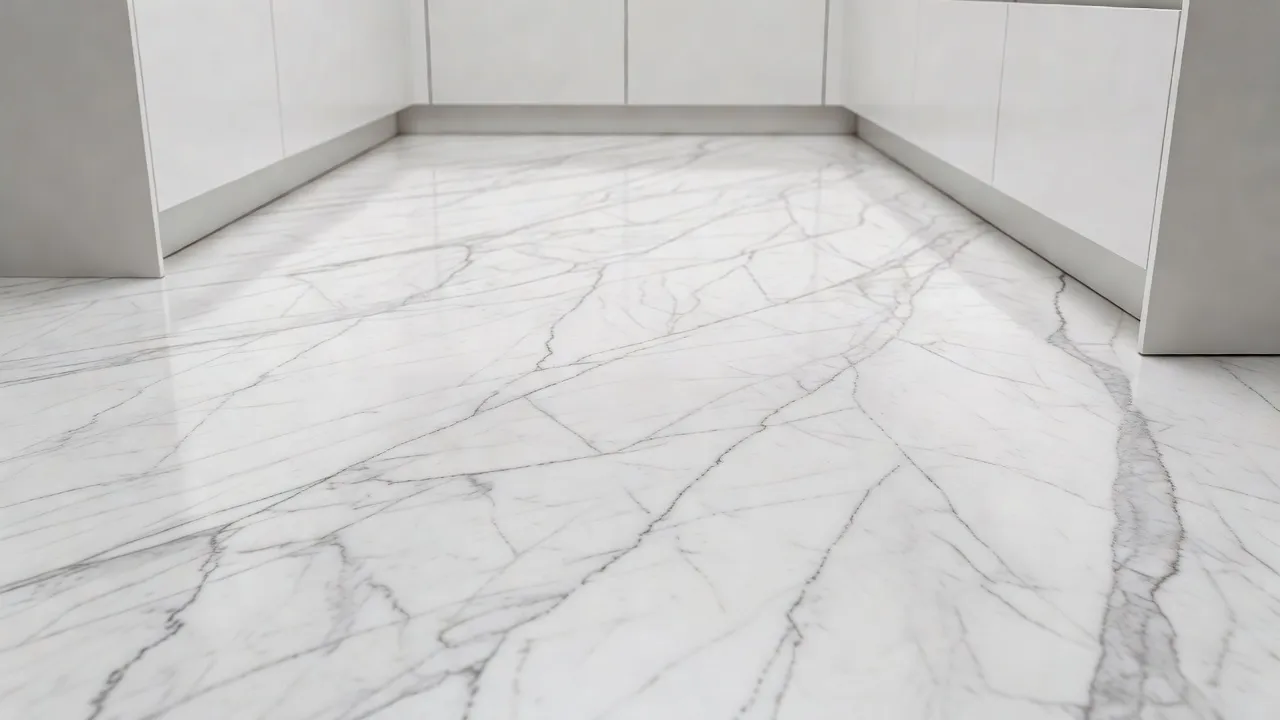
5. Natural Stone (Slate, Marble, Travertine)
Natural stone brings unmatched luxury and unique character to custom kitchen spaces. Each slab or tile features distinct vein patterns formed by natural geological processes.
- Why it made the list: Premium stone flooring commands top-tier real estate presentation and lasts for decades when sealed correctly.
- The pricing trap: Stone requires periodic chemical sealing every 12 to 18 months, adding recurring maintenance costs over its lifespan.
- Best for: Luxury custom home builds and high-end full-scale kitchen renovations.
6. Polished Concrete
Polished concrete uses the existing concrete slab beneath your home, grinding it down and treating it with hardeners and stains. It creates an ultra-durable industrial surface that cannot be damaged by water or pet nails.
- Why it made the list: It eliminates future replacement cycles completely while offering a sleek modern industrial aesthetic.
- The pricing trap: Retrofitted concrete polishing in an existing finished home requires heavy grinding equipment that can spike labor costs if access is restricted.
- Best for: Modern homes built on slab foundations or loft-style urban apartments.
7. Marmoleum and Cork Flooring
Marmoleum (modern natural linoleum) and cork are eco-friendly flooring choices made from renewable pine rosin, linseed oil, and harvested tree bark. They offer natural anti-microbial properties and feel warm under barefoot walking.
- Why it made the list: They appeal to environmentally conscious homeowners looking for sustainable materials with natural cushioning.
- The pricing trap: Unsealed cork can absorb liquids quickly, leading to permanent staining if kitchen spills sit unattended.
- Best for: Eco-conscious renovators who prioritize foot comfort and non-toxic interior materials.
Comparing kitchen flooring material options: costs, water rating, and traps
Comparing total installed prices alongside hidden material traps ensures your renovation budget stays on track. As of August 2026, material prices and installation labor fees vary depending on region and subfloor repair needs.
| Flooring Option / Tool | Material Cost (per sq ft) | Install Cost (per sq ft) | Water Resistance | Pricing Trap to Avoid |
|---|---|---|---|---|
| Renova AI Visualizer | N/A (App Tool) | N/A | N/A | Ordering physical samples before previewing lighting in-app |
| Luxury Vinyl Plank (LVP) | $2.00 - $7.00 | $2.00 - $5.00 | High (100% Waterproof) | Buying thin wear layers under 12 mil |
| Porcelain Tile | $3.00 - $10.00 | $5.00 - $14.00 | High (Impermeable) | Forgetting uncoupling membrane materials under mortar |
| Engineered Hardwood | $6.00 - $14.00 | $4.00 - $10.00 | Moderate (Surface Only) | Leaving unsealed seams near dishwashers |
| Sheet Vinyl | $1.00 - $4.00 | $1.50 - $3.50 | High (Seamless) | Poor subfloor smoothing causing telegraphing bumps |
| Natural Stone Slate | $5.00 - $20.00 | $7.00 - $18.00 | Moderate (Needs Sealer) | Skipping routine resealing treatments every 18 months |
| Polished Concrete | $3.00 - $8.00 | $4.00 - $12.00 | High (When Sealed) | Adding heavy color stains after the main slab pour |
Understanding these cost brackets helps prevent mid-project budget surprises. To see how these flooring expenses fit into your broader project budget, check out our realistic breakdown on the total cost for home renovation projects.
How to choose the right kitchen floor for your layout and budget
Choosing the right kitchen floor comes down to evaluating your subfloor condition, daily foot traffic, and overall project timeline. Follow these practical evaluation steps before signing a contractor contract or placing a material order:
- Inspect your existing subfloor: Check if your floor joists are level. Rigid plank flooring requires a slope variance under 3/16 inches across 10 feet.
- Calculate total installed square footage: Multiply room length by width, then add a 10% waste factor for straight cuts or 15% for diagonal tile patterns.
- Factor in underlayment costs: Acoustic underlayment pads add $0.50 to $1.50 per square foot if your vinyl or wood planks do not come with pre-attached backing.
- Preview styles digitally: Test color swatches and wood grains on your phone with AI room design software to see how natural daylight changes floor tones throughout the day.
- Review wear layer specs: Ensure any vinyl kitchen flooring options you consider feature a commercial-grade wear layer for scratch protection.
Taking these precautions saves you from dealing with creaking planks or buckled seams two years down the line.
Frequently Asked Questions
What is the most durable flooring option for a kitchen?
Porcelain tile is the single most durable kitchen flooring option because it resists moisture, scratches, heat, and heavy impacts. Rigid core luxury vinyl plank (SPC) ranks a close second for impact comfort and total waterproof protection.
Is luxury vinyl plank better than tile for kitchens?
Luxury vinyl plank is warmer underfoot, easier on your joints during long cooking sessions, and cheaper to install than porcelain tile. However, tile lasts longer overall and adds slightly higher long-term resale value in luxury markets.
What is the cheapest flooring option for a kitchen?
Sheet vinyl and basic luxury vinyl tiles are the most affordable choices, with materials starting around $1.00 to $2.50 per square foot. DIY-friendly click-lock vinyl planks also save thousands on contractor installation labor.
Can water ruin engineered hardwood in a kitchen?
Yes, standing water can ruin engineered hardwood if liquid seeps into unsealed plank seams and causes the core plywood layers to swell. Cleaning up spills immediately prevents long-term edge buckling.
What floor color makes a small kitchen look bigger?
Light oak, soft warm grey, and cream-toned floors reflect light and make small kitchens feel wider and more spacious. Running wide planks parallel to the longest wall also visually extends room proportions.
Do I need underlayment under kitchen vinyl plank flooring?
If your luxury vinyl plank does not feature an attached rubber or cork pad, you must install a dedicated underlayment for sound dampening and moisture blocking. Always verify manufacturer guidelines before laying pads.
How long does kitchen flooring installation take?
Click-lock vinyl plank or sheet vinyl installs in 1 to 2 days for an average kitchen. Porcelain tile and natural stone require 3 to 5 days to allow thinset mortar and grout lines to cure properly.