
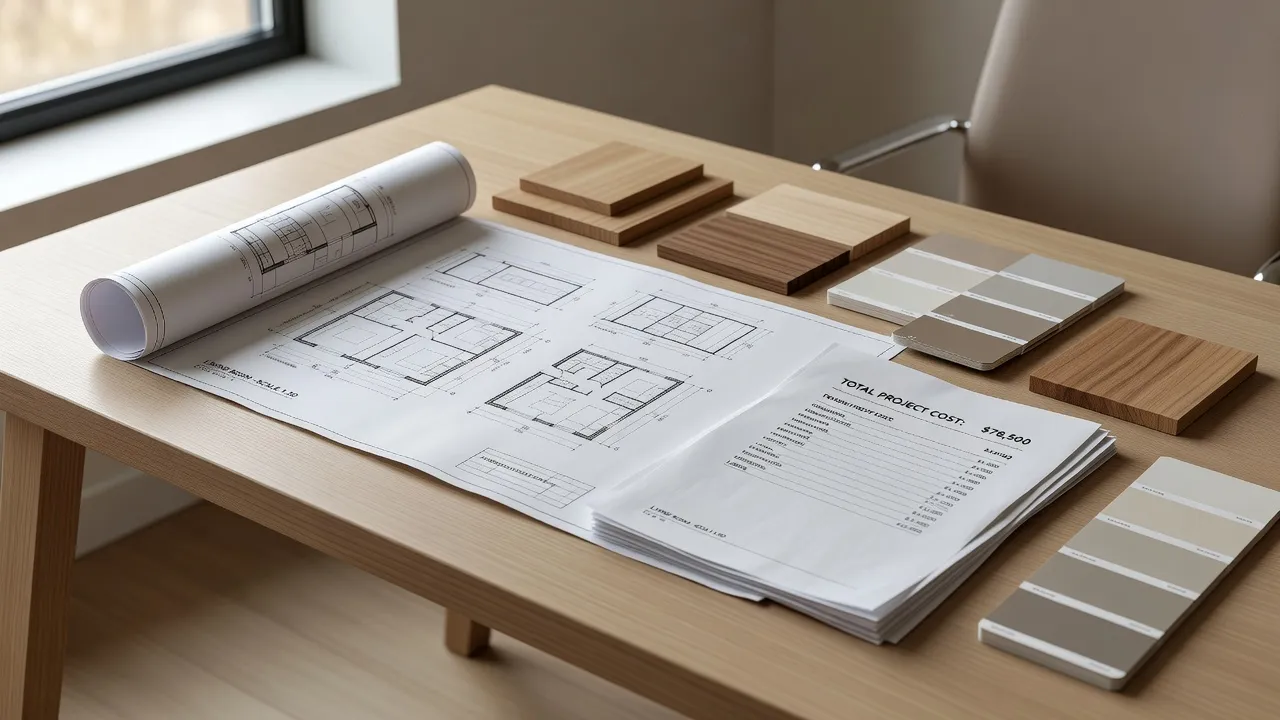
The average cost for home renovation in 2026 ranges from $15 to $150 per square foot, with a complete home renovation typically costing between $20,000 and $150,000 depending on project scope, structural changes, and finish selections. Whether you plan to refresh a single room or complete a total gut overhaul, labor rates and material price shifts directly determine your total baseline spending. Establishing an accurate home renovation cost guide early keeps your budget on track before demolition day arrives.
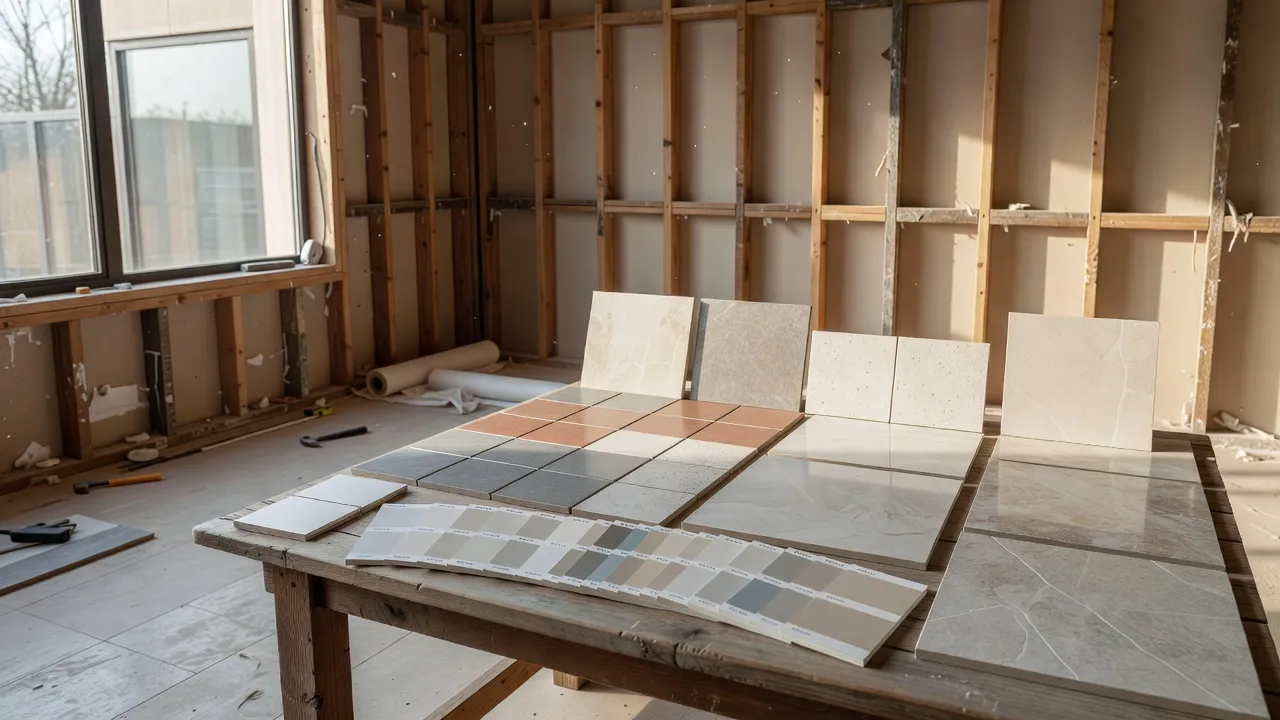
What is the average cost per square foot to renovate a house?
The average cost per square foot to renovate a house ranges from $15 to $60 for cosmetic updates, $60 to $125 for mid-range remodels, and $125 to $200+ per square foot for full gut renovations. Total spending depends heavily on whether you are simply replacing surface finishes or altering load-bearing walls and utility lines.
- Low-End ($15 - $60 per sq. ft.): Covers basic cosmetic upgrades like fresh interior paint, updated flooring, new light fixtures, and minor trim work.
- Mid-Range ($60 - $125 per sq. ft.): Includes full room updates such as kitchen cabinet replacements, bathroom tile installation, upgraded appliances, and minor layout modifications.
- High-End ($125 - $200+ per sq. ft.): Covers total structural overhauls, custom cabinetry, electrical service upgrades, plumbing line relocation, and high-end materials.
According to data compiled by the National Association of Home Builders, labor and site preparation account for nearly half of overall project expenses on major residential remodels. Structural work and MEP (mechanical, electrical, plumbing) modifications drive up square-footage rates faster than high-end cosmetic finishes.
What is the average cost of a kitchen remodel?
The average cost of a kitchen remodel in 2026 sits at approximately $26,000, though small updates cost as little as $10,000 while full custom kitchens frequently exceed $75,000. Because kitchens combine heavy plumbing, high-voltage electrical, and custom millwork, they remain the most expensive room per square foot in any residential layout.
Budget distribution for a typical kitchen remodel generally splits into three major buckets:
- Cabinetry and Hardware (30% - 35%): Stock cabinets cost between $2,000 and $5,000, semi-custom units run $6,000 to $15,000, and full custom solid-wood cabinets exceed $25,000.
- Labor and Installation (20% - 25%): Covers professional installation, electrical rough-ins, and plumbing connections.
- Countertops and Appliances (20% - 25%): Laminate counters start around $1,200, while natural quartz or granite ranges from $3,000 to $9,000 depending on slab thickness.
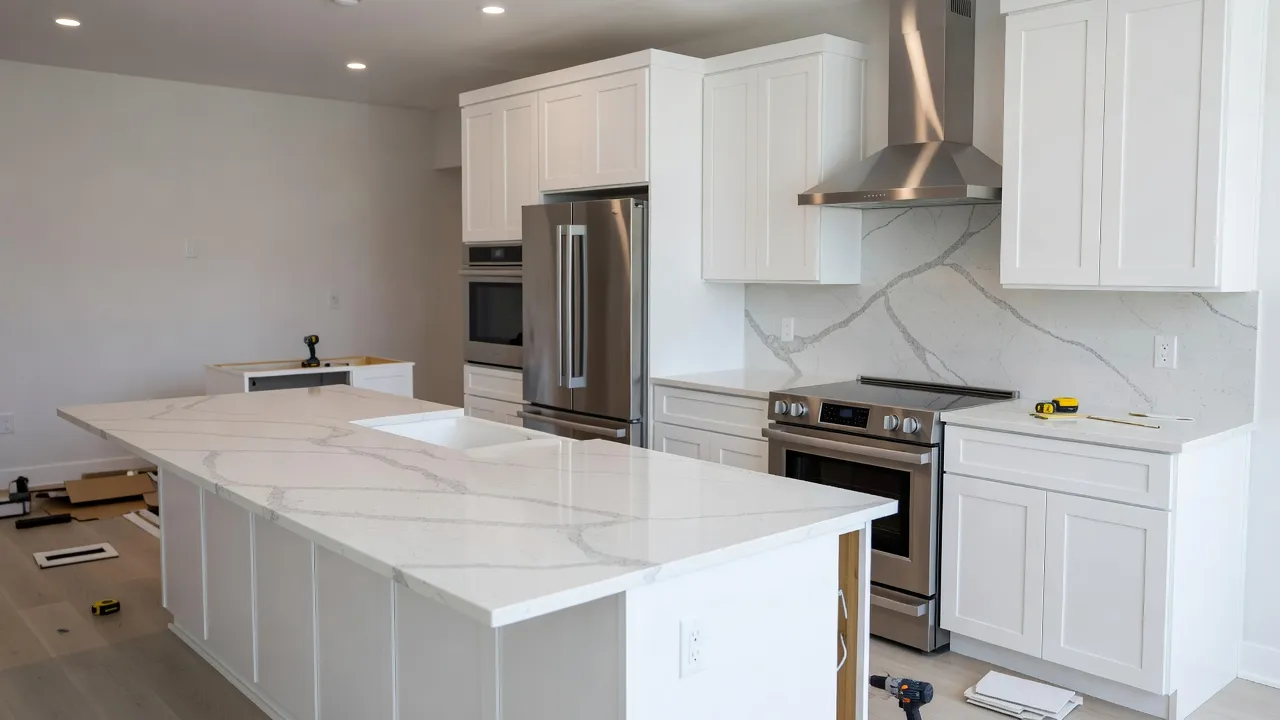
To avoid costly change orders during a kitchen or living area remodel, testing spatial ideas digitally saves thousands of dollars. You can snap a photo of your existing space and test room styles instantly using Renova AI. The visualizer lets you swap wall colors, compare floor finishes, and test layout concepts without moving furniture or paying design deposit fees. Using an ai room design tool locks in your aesthetic vision before ordering permanent materials.
What is the average cost of a bathroom remodel?
The average cost of a bathroom remodel ranges from $7,000 for a basic powder room to $35,000 or more for a primary suite bathroom overhaul. Moisture protection, specialized tiling labor, and tight working spaces keep bathroom remodeling costs per square foot relatively high.
- Powder Room Refresh ($3,000 - $7,000): Covers new vanity replacement, updated mirror, low-flow toilet installation, and fresh paint.
- Standard Guest Bath ($8,000 - $18,000): Includes acrylic tub or shower surround replacement, porcelain tile flooring, new vanity, and updated fixtures.
- Primary Suite Luxury Bath ($20,000 - $40,000+): Covers custom curbless tile showers, freestanding soaking tubs, double vanities, radiant floor heating, and relocated plumbing drains.
The annual Cost vs. Value Report notes that mid-range bathroom remodels retain roughly 60% to 65% of their value upon home resale, making them one of the most reliable return-on-investment projects for homeowners.
What percentage do general contractors typically charge for markup or fees?
General contractors typically charge a markup fee of 10% to 25% on top of the total project cost for overhead, management, and profit. On complex jobs, this fee is usually billed as a fixed management rate or a percentage added directly to labor and material invoices.
Total Contractor Fee = (Total Subcontractor Labor + Total Material Cost) x Markup Percentage
- Standard Residential GC Fee: 15% to 20% on typical residential renovations.
- Design-Build Firm Fee: 20% to 30% because they handle architectural plans, permitting, and construction under one roof.
- Project Manager/Owner Representative Fee: 10% to 15% for pure supervision without performing hands-on labor.
Paying a contractor's markup is usually cheaper than managing trades yourself. Licensed contractors hold active general liability insurance, negotiate trade volume pricing, and possess local building code experience that prevents costly inspection failures. If you prefer working directly with individual trade specialists, consulting interior designers or using a mobile room planner can help establish a firm plan before soliciting bids.
What are typical hourly rates for carpenters, electricians, and plumbers?
Typical hourly rates for licensed tradespeople range from $40 to $90 per hour for finish carpenters, $65 to $130 per hour for electricians, and $75 to $150 per hour for plumbers. Regional market demand and master-level licensing requirements create significant rate differences between rural areas and major metropolitan centers.
Data published by the U.S. Bureau of Labor Statistics confirms that specialty trade contractors have seen steadily rising wage trends due to widespread skilled trade labor shortages across North America.
- Carpenters ($40 - $90/hr): Framing carpenters sit on the lower end, while finish carpenters crafting custom built-ins charge top rates.
- Electricians ($65 - $130/hr): Master electricians charge higher trip fees and emergency diagnostic rates, especially for main service panel upgrades.
- Plumbers ($75 - $150/hr): Relocating gas lines or main drain stacks represents the upper threshold of plumbing hourly expenses.
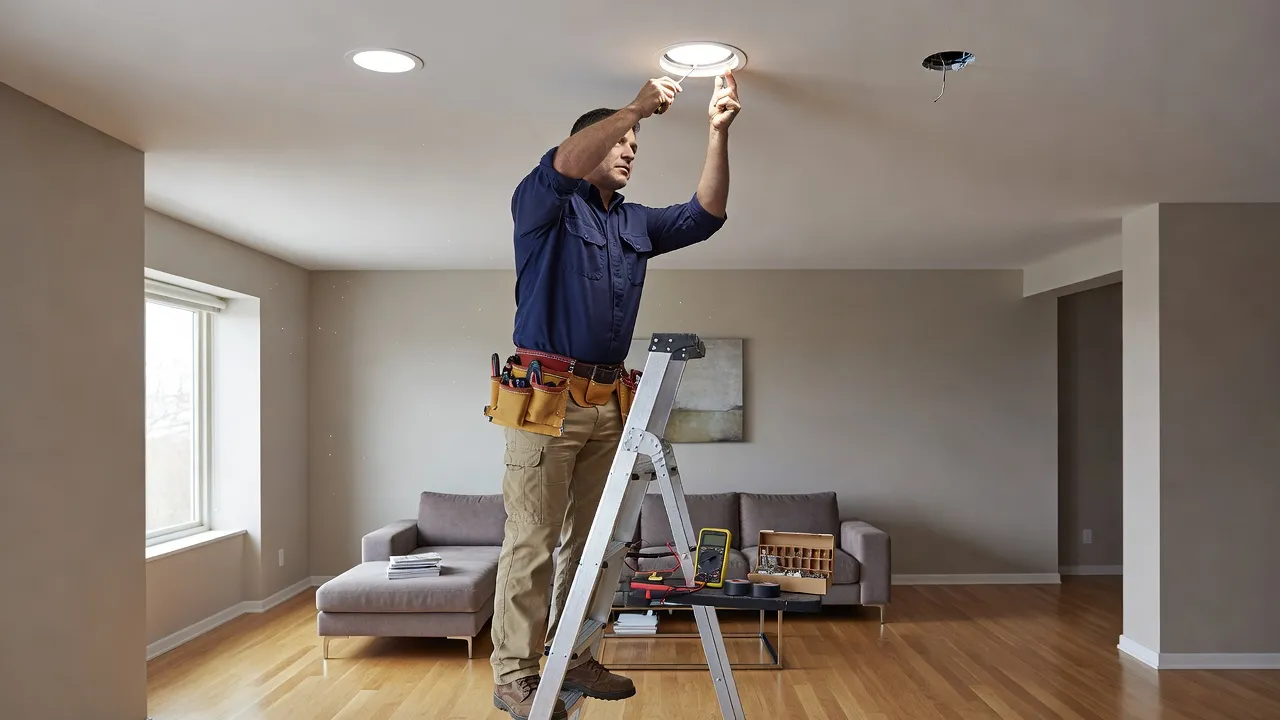
What are typical costs for specific renovation tasks like demolition, electrical, plumbing, painting, flooring, and HVAC?
Typical costs for specific renovation tasks range from $1 to $5 per square foot for interior demolition up to $5,000 to $12,000 for complete HVAC system replacements. Knowing the line-item baseline costs for individual tasks helps you audit itemized contractor proposals line by line.
Here is a quick reference table breaking down average trade tasks, material price brackets, and typical installation labor rates:
| Renovation Task | Average Material & Unit Cost | Typical Labor Rate | Estimated Total Range |
|---|---|---|---|
| Interior Demolition | $0.50 - $1.50 per sq. ft. | $35 - $60 per hour | $1.00 - $5.00 per sq. ft. |
| Interior Painting | $0.20 - $0.60 per sq. ft. | $1.50 - $4.00 per sq. ft. | $2.00 - $6.00 per sq. ft. |
| Hardwood Flooring | $3.00 - $10.00 per sq. ft. | $4.00 - $8.00 per sq. ft. | $7.00 - $18.00 per sq. ft. |
| Tile Installation | $2.00 - $15.00 per sq. ft. | $6.00 - $14.00 per sq. ft. | $8.00 - $29.00 per sq. ft. |
| Electrical Rewiring | $2.00 - $4.00 per linear ft. | $65 - $130 per hour | $4,000 - $10,000 (Whole House) |
| Plumbing Rough-In | $400 - $800 per fixture | $75 - $150 per hour | $1,500 - $5,000 (Per Room) |
| HVAC System Replace | $3,000 - $7,000 per unit | $2,000 - $5,000 flat labor | $5,000 - $12,000 (Full System) |
Demolition Costs
Demolition costs average $1,000 to $3,500 for single-room teardowns, including dumpster rental and disposal fees. Removing load-bearing walls requires installing temporary shoring and structural LVL beams, which increases the total cost by $1,500 to $5,000.
Electrical Work Costs
Upgrading an outdated electrical service panel to 200 amps costs between $1,800 and $4,500. Adding new dedicated circuit breakers, running Romex wiring, and installing modern GFCI outlets adds roughly $150 to $250 per wall box location.
Plumbing Work Costs
Relocating supply lines and drain stacks for a sink, toilet, or shower averages $800 to $2,000 per fixture location. Leaving existing plumbing in place while updating surface fixtures keeps your cost estimate for home renovation manageable.
Painting Costs
Painting the interior of a 2,000-square-foot house costs between $3,000 and $7,000 including surface prep, priming, trim, and ceiling coats. Paint costs scale quickly based on sheen type and wall repair needs.
Flooring Costs
Flooring installation ranges from $3 per square foot for luxury vinyl plank (LVP) to over $18 per square foot for engineered hardwood. Floor preparation, subfloor leveling, and underlayment materials add $1 to $3 per square foot in overall material expenses.
HVAC System Costs
Installing a new central air conditioner or heat pump system ranges from $5,000 to $12,000 depending on home tonnage. Running new ductwork through existing wall cavities can add an extra $2,000 to $5,000 in structural repair costs.
How to build an accurate cost estimate for home renovation
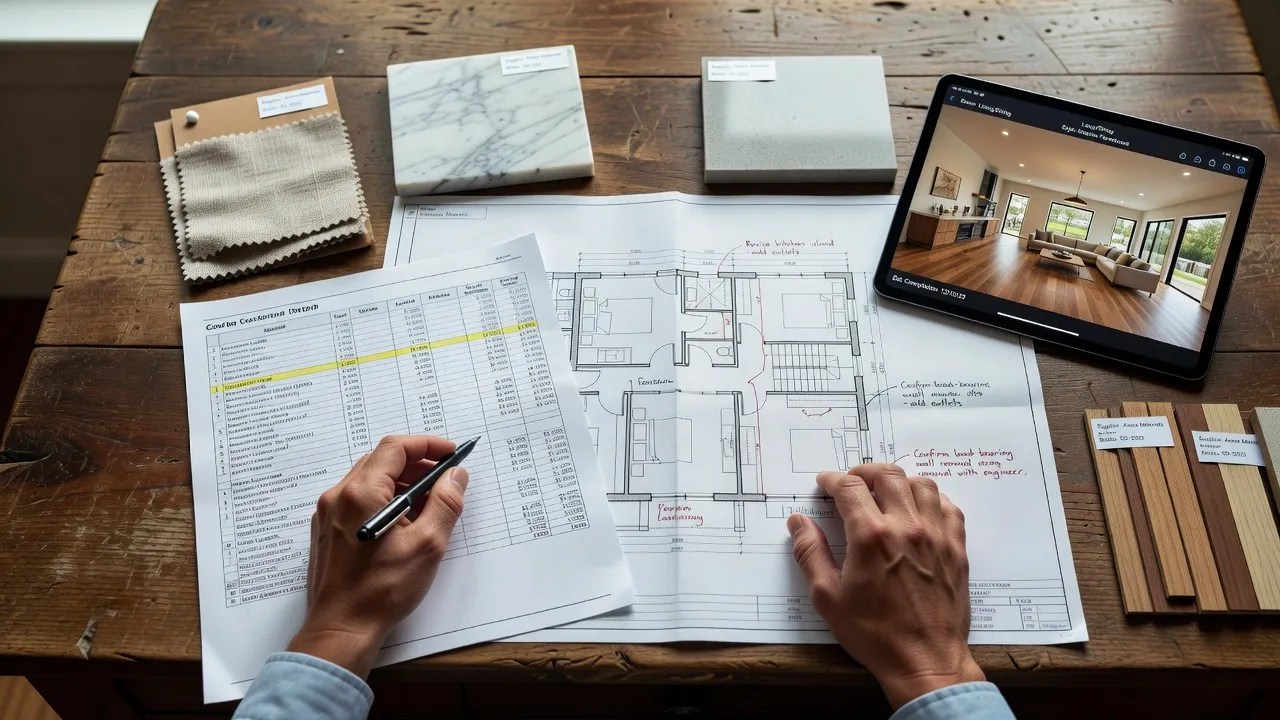
Building an accurate cost estimate for home renovation requires combining line-item material quotes with firm trade labor estimates, then adding a 15% to 20% contingency fund. Skipping the contingency allocation is the primary reason home renovation budgets fail.
To build an accurate budget before signing contracts:
- Define Your Scope of Work: List every fixture, finish, paint color, and structural change room by room.
- Gather Three Independent Bids: Request itemized proposals from three licensed contractors to baseline competitive trade rates in your local area.
- Separate Materials from Labor: Purchasing your own tile, light fixtures, and vanities directly removes contractor retail markups on those items.
- Visualize Before Buying: Use tools like the Renova AI app to preview 100+ design styles, wall colors, and flooring swaps on your smartphone. Trying different styles virtually helps refine design choices before purchasing physical samples.
- Establish a Fixed Contingency Reserve: Set aside 15% for modern homes and 20% to 25% for homes built prior to 1980 to cover hidden plumbing leaks, outdated knob-and-tube wiring, or subfloor rot.
Frequently Asked Questions
What is the average cost of a complete home renovation?
The average cost of a complete home renovation ranges from $20,000 for basic cosmetic upgrades on a small home to over $150,000 for a full gut remodel of a 2,500-square-foot house.
How much does it cost to renovate a 2,000 sq ft house?
Renovating a 2,000-square-foot home costs between $30,000 for minor cosmetic work and $250,000 for a full structural gut renovation with high-end custom finishes.
What is the most expensive part of a home renovation?
Kitchens and bathrooms are the most expensive parts of a home renovation due to high labor rates for plumbers and electricians, custom cabinetry, tile installation, and countertop materials.
How much contingency budget should I save for a home renovation?
You should reserve a contingency budget of 15% to 20% of your total estimated renovation cost to cover unforeseen hidden issues like structural repairs, outdated wiring, or water damage.
Is it cheaper to buy materials yourself during a renovation?
Buying finish materials like light fixtures, tile, and hardware yourself saves money by avoiding contractor markups, though contractors should source structural materials like lumber, plumbing valves, and electrical panels.
How much does a general contractor charge for project management?
General contractors charge between 10% and 25% of the overall project cost to manage trades, secure building permits, source materials, and oversee daily construction progress.
How do I reduce my overall home renovation costs?
You can reduce home renovation costs by keeping existing room layouts to avoid moving plumbing lines, using visualizer apps to finalize design plans, doing non-structural demolition work yourself, and selecting mid-range finish materials.