
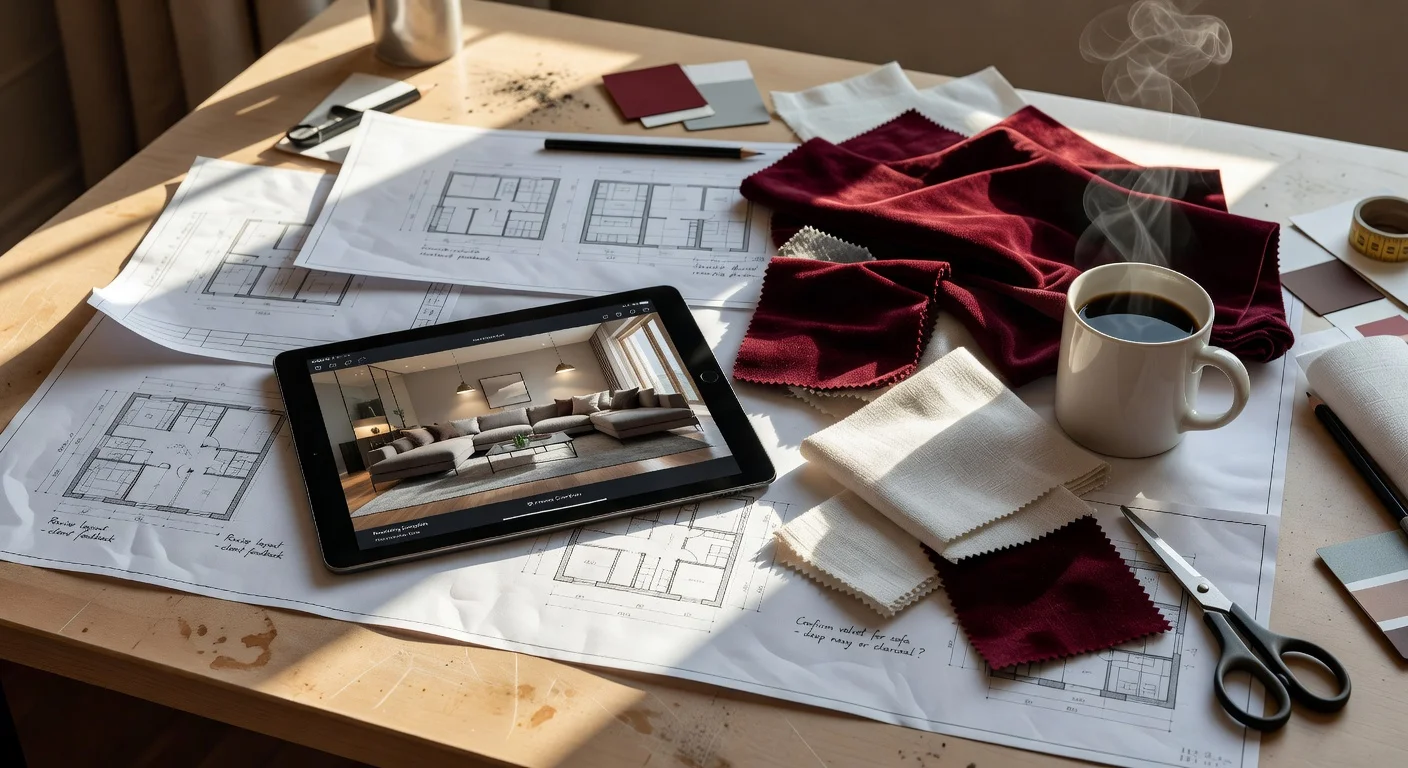
Interior designers are professionals who plan, draft, and execute the functional layout and aesthetic feel of indoor spaces. Unlike basic decorators, they handle structural space planning, building codes, and contractor coordination to ensure a room is both safe and visually cohesive.
Based on what I've seen in user residential design forums and my own testing of floor-planning software over the last three years, the industry is shifting rapidly. In 2026, the gap between traditional massive budget renovations and DIY app planning is closing. I honestly think most homeowners misunderstand what these professionals actually do.
Here is the breakdown of when you need a human contractor, what it costs right now, and when you can handle the job yourself through software.
What exactly do interior designers do in 2026?
An interior designer acts as a project manager for your interior space, controlling everything from wall placements to cabinet hinges. They do not just pick out pillows.
If you hire a licensed firm affiliated with the American Society of Interior Designers, they will draft construction documents for builders. They oversee plumbing locations, electrical routing, and ergonomic clearances.
How does a designer manage a renovation?
A professional designer coordinates the entire lifecycle of a project through five strict phases. The actual timeline varies, but they generally follow this sequence:
- Programming: The designer interviews you to establish the budget and functional requirements of the house.
- Schematic Design: They produce rough sketches and preliminary floor plans.
- Design Development: This is where the specific materials, finishes, and custom living room space planning logic gets finalized.
- Construction Documents: They hand detailed blueprints over to the general contractor.
- Administration: They visit the site weekly to ensure the builders are following the exact plans.
"A good designer will spend 70% of their time managing contractor timelines and only 30% of their time picking out actual decor."
How has AI changed interior design visualization in 2026?
Most entry-level drafting is now automated by software, which forces traditional designers to focus on hard physical execution. If you just want to see how an empty room will look with a different aesthetic, hiring a firm to build a $500 rendering is a waste of money.
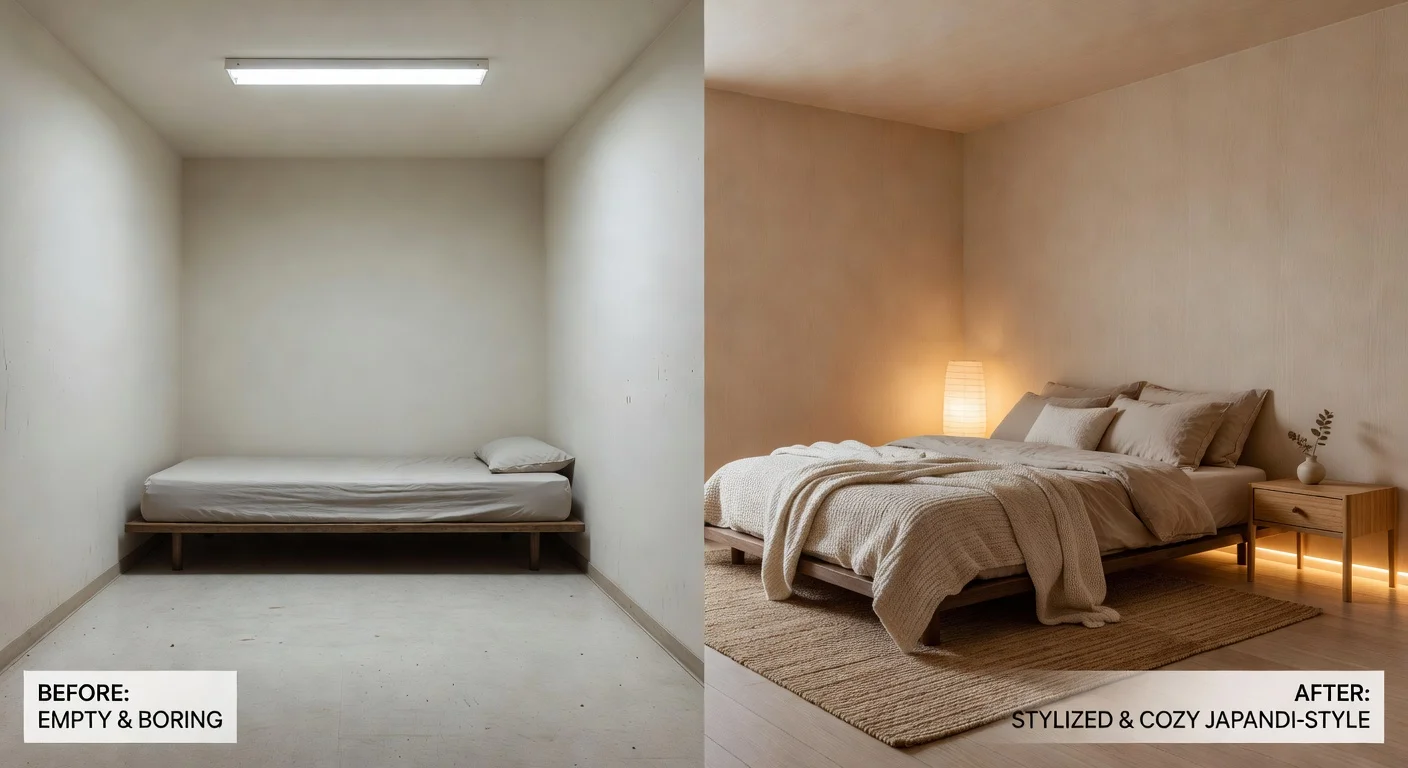
This is where I currently see homeowners leaning heavily on generation tools. For example, if you just want to test a Japandi or Minimalist layout, you can use Renova AI to handle the initial concept. You snap a photo, and the application visualizes over 100 selectable designs instantly. There is no manual editing required at all (which is honestly the most frustrating part of older CAD software). When you have a generated photo you actually like, you can take that directly to home decor stores or show it to a contractor as your baseline.
What are the best space planning tools for interior design in 2026?
Today's market splits evenly between heavy architectural CAD tools and instant concept generators. Here is how the most popular options stack up if you want to visualize a layout before involving a contractor.
| Software/Tool | Best For | Core Limitation | Pricing Model |
|---|---|---|---|
| Renova AI (Best Value) | Instant concept visualization & changing physical styles without manual CAD work. | Cannot export exact architectural measurements for builders. | Free App Download (Premium available) |
| RoomSketcher | Drafting precise 2D floor plans with exact wall measurements. | Steep learning curve; the 3D renders often look cartoonish and dated. | $49/year (Entry tier) |
| Houzz Pro | Connecting with local contractors and sourcing real retail items. | It functions mainly as a marketplace, not an instant photo editor. | $85/month (Pro tier) |
Do I actually need an interior designer?
Yes, you need a designer if your project involves moving walls, rerouting plumbing, or navigating strict city building codes. However, if you are simply buying new furniture and changing the paint, paying a firm is overkill.
When must I hire a professional interior designer?
You must hire a professional firm if your budget exceeds $50,000 or if the scope involves heavy structural modification. Mistakes at that scale are too expensive to fix later. You should secure a designer if you face any of these conditions:
- You are doing a "gut renovation" of a kitchen or bathroom.
- You are knocking down load-bearing walls.
- You do not have the 15-20 hours a week required to babysit a general contractor.
- You need access to "trade-only" wholesale furniture lines.
Can an app replace a human designer?
No, an app cannot pull city permits or yell at a plumber for installing a pipe backward. Technology simply replaces the conceptual drafting phase.
If you are just figuring out decor living arrangements for a rental apartment, an app is your best tool. But execution in the physical world still requires human oversight if construction is happening.

What is the cost of hiring an interior designer in 2026?
By late 2025, the average cost for a mid-level interior designer stabilized between $150 and $250 per hour. High-end boutique firms in major hubs like New York or London charge upwards of $450 per hour.
Should I choose flat fees or hourly rates for interior designers?
Most designers hate pricing by the hour because clients tend to micromanage the clock. Currently, the most common billing structure is a flat fee based on the square footage of the room. A standard living room flat fee might run $3,500 for the design work alone.
Then, there is the product markup. If a designer buys a couch at wholesale for $2,000, they usually charge you a 20% to 30% markup. This covers their logistics, storage, and handling of the physical item.
How can I prepare for my first interior design consultation?
Preparing for a consultation requires pulling together exact budgets, floor plans, and highly specific lifestyle complaints. Do not show up to an intake meeting without hard data.
- Calculate a hard budget threshold: Pick a number you cannot exceed and subtract 15% for emergency contingencies.
- Document your pain points: List exactly what functionally annoys you about the space right now.
- Audit your existing furniture: Measure the pieces you refuse to throw away.
- Gather visual references: Compile a tight folder of five to ten inspiration photos.
What should I bring to my initial interior design meeting?
You must bring an honest articulation of how messy your life actually is. Designers are essentially lifestyle therapists.
If you have three dogs that ruin rugs, tell them. If you never actually cook but want a giant kitchen for show, admit it. They base their material selections (like performance fabrics vs. fragile silk) on how you truly behave in the house.
How to set a realistic budget
You should expect to spend between 7% and 10% of your home's total value on a full interior redesign. This is the baseline metric most financial planners use for home improvement.
If your home is worth $500,000, a $40,000 budget for a heavily styled first floor is realistic. Do not expect to fully furnish a 4,000-square-foot house for $10,000 unless you are buying everything used. Labor is currently the most expensive line item, eating up roughly 40% of standard renovation budgets.

Are virtual interior designers worth the cost in 2026?
Yes, e-design packages are highly cost-effective if you are willing to order the furniture and assemble the room yourself. Virtual designers typically charge between $200 and $800 per room.
They skip the site visits entirely. You send them floor plan measurements, and they return a digital concept board with clickable shopping links. Will it be perfectly scaled to the millimeter? Probably not. But it removes the paralysis of staring at blank walls and guessing if an olive green sofa works with oak floors.
For smaller facelift projects, hybridizing AI concept generation with an e-design shopping list is the most financially efficient route to take in 2026.
Frequently Asked Questions
How much do interior designers charge per hour?
Most mid-level interior designers charge between $100 and $250 per hour. Highly experienced professionals running commercial projects often bill upwards of $400 per hour depending on their location.
What is the difference between an interior designer and an interior decorator?
An interior designer handles structural changes, space planning, and contractor management, often requiring a degree or certification. An interior decorator focuses exclusively on aesthetics, such as paint, furnishings, and fabrics, without touching the layout.
Do interior designers get discounts on furniture?
Yes, professional designers typically receive trade discounts ranging from 15 to 40 percent off retail prices. They usually pass a portion of this savings to the client while keeping the rest as a sourcing fee.
Can I just use an app instead of hiring a designer?
Yes, if your project only requires cosmetic changes or layout ideas. Apps like Renova AI can visualize 100+ styles instantly. However, if you need structural changes or permits, you must hire a professional.
How long does the interior design process take?
A single room redesign takes about 4 to 8 weeks from initial concept to installation. Full-home renovations typically run between 6 and 12 months, depending on supply chain delays.
Are initial consultations usually free?
Some designers offer a free 20-minute discovery call, but formal in-home consultations are rarely free. Expect to pay a flat fee of $200 to $500 for a one-hour site visit.
Do I need to clean my house before the designer visits?
No, you do not need to deep clean. Designers actually prefer to see how you normally live in the space so they can identify functional pain points, like overflowing shoe racks or cramped seating.