
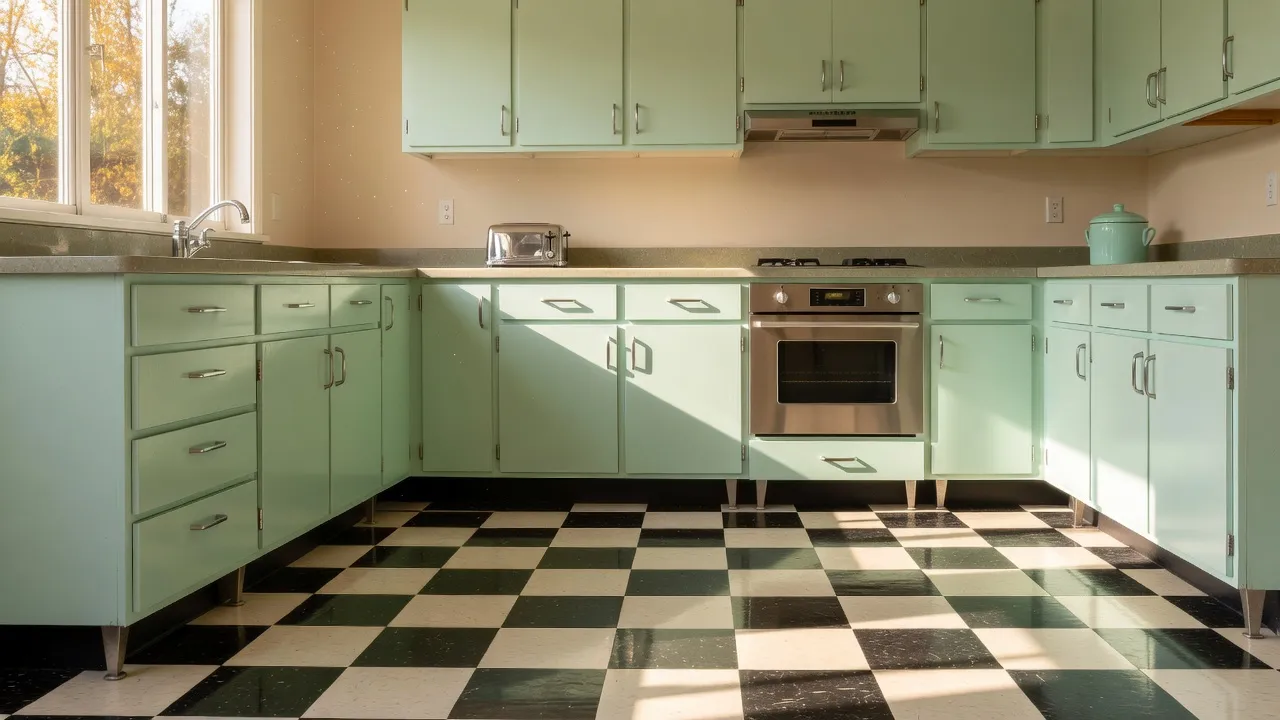
The best retro vinyl flooring options range from traditional bio-based linoleum sheets to click-lock luxury vinyl tiles that replicate mid-century checkerboard and vintage geometric patterns. Modern retro vinyl sheet flooring and vinyl composition tiles provide stain resistance, 100% waterproof protection in residential grades, and dampening for footstep noise compared to original mid-century floors. Before laying down subfloor adhesive, testing layout scale in your room using Renova AI allows you to preview retro sheet patterns and checkerboard sizes in real time.
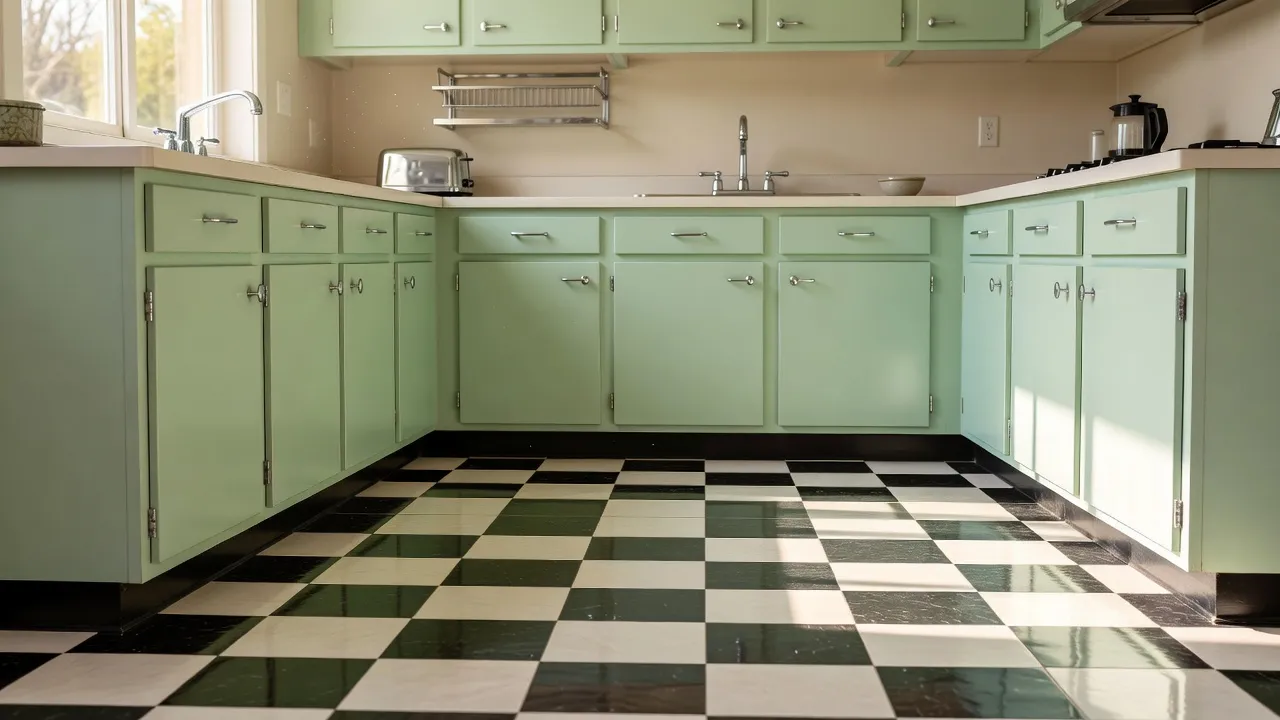
What is the best vinyl flooring for a retro checkerboard kitchen?
Commercial felt-backed sheet vinyl and high-density click-lock luxury vinyl tiles are the best options for a retro checkerboard kitchen. Kitchens present heavy foot traffic and frequent liquid spills, making seamless rolls or water-tight interlocking tiles vastly superior to standard peel-and-stick options.
Retro sheet vinyl eliminates tile seams entirely across narrow rooms, preventing water from seeping into the subfloor during spills. When choosing sheet goods, select a product with a polyurethane wear layer of at least 15 mils to resist grease stains and shoe scuffs.
If your kitchen layout features complex islands or pantry cutouts, individual luxury vinyl tiles (LVT) are easier to trim and lay than a continuous roll. For more inspiration on balancing retro visuals with utility, browse through these flooring options for kitchens.
- Best for moisture protection: Fiberglass-backed retro vinyl sheet flooring with a high-gloss finish.
- Best for ease of repair: 12x12 inch click-lock LVT tiles, which let you pop out a single damaged tile.
- Minimum wear layer: 15 mils for residential kitchens; 20 mils for high-traffic homes with pets.
What is the best vinyl tile for a checkerboard bathroom look?
Interlocking luxury vinyl tile (LVT) with an integrated drop-lock system is the best vinyl tile for a checkerboard bathroom look. Unlike glued composition tiles that require specialized seam sealing, rigid core luxury vinyl planks and tiles block standing water from penetrating to the subfloor.
Bathrooms present strict humidity and water exposure constraints that rule out low-cost peel-and-stick tiles. Vapor passing up from unconditioned crawlspaces or moisture leaking past shower doors will cause cheap acrylic adhesives to lose grip over time.
Subfloor moisture testing is mandatory before installing glued options in a bathroom. As of September 2026, standard building guidelines state that calcium chloride moisture tests exceeding 3 lbs per 1,000 square feet over 24 hours rule out direct-glue vinyl tiles unless a chemical vapor barrier is applied first.
How does Forbo Marmoleum checkerboard vinyl flooring perform?
Forbo Marmoleum performs exceptionally well with a 30-year expected lifespan, natural anti-static properties, and self-healing linoleum surfaces, though it requires specialized water-resistant adhesives in wet areas.
While homeowners frequently lump Marmoleum into the vinyl category, it is actually made from natural materials including linseed oil, wood flour, and jute backings. According to Wikipedia's breakdown on linoleum, true linoleum differs from polyvinyl chloride (PVC) vinyl because its mineral color pigments run completely through the material thickness rather than sitting on a printed top film.
This construction means surface scratches on Marmoleum remain color-matched to the rest of the floor. However, its organic backing makes Marmoleum vulnerable to subfloor dampness.
- Lifespan: 25 to 40 years under proper maintenance schedules.
- Maintenance requirement: Requires periodic pH-neutral cleaning and protective top-coat buffing every few years.
- Key limitation: Standing water can warp unsealed jute edges, ruling it out for unsealed basement slabs or curbless shower surrounds.
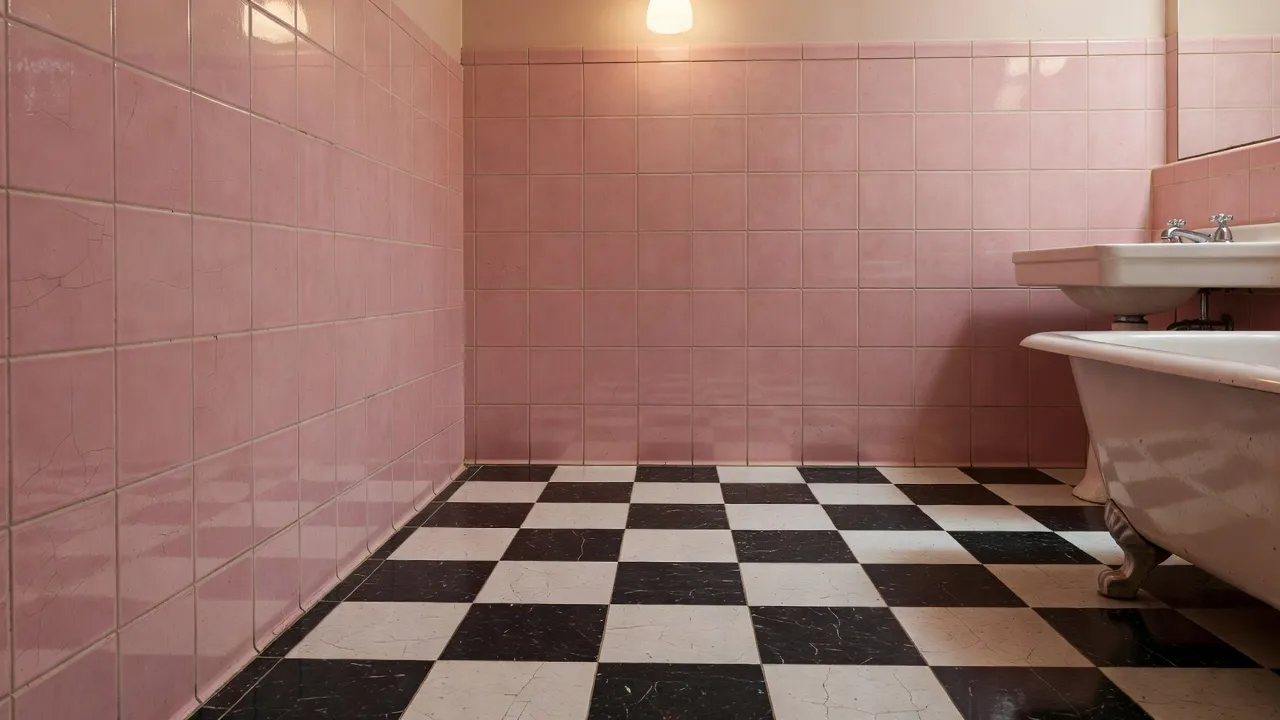
What are the best checkerboard peel-and-stick vinyl tiles?
FloorPops, Achim Home Decor, and Genesis offer top-rated peel-and-stick checkerboard vinyl tiles for low-traffic, low-moisture budget upgrades. These self-adhesive vinyl tiles allow renters and budget DIYers to achieve a 1950s aesthetic without purchasing specialized trowels or heavy rolls of underlayment.
Peel-and-stick tiles carry strict installation limits that rule them out for many floor plans. They require a perfectly clean, dust-free subfloor primed with an latex floor primer to prevent edge curling.
Unconditioned areas like mudrooms or summer cabins rule out peel-and-stick tiles completely. Subfloor temperature swings exceeding 85°F or dropping below 55°F cause pressure-sensitive adhesives to release, leading to tile shifting. If you are renovating a subterranean space, review these wet-zone friendly options for basement flooring before using self-adhesive products.
How does Armstrong checkerboard vinyl flooring compare?
Armstrong vinyl composition tile (VCT) offers industrial-grade durability and classic mid-century diner styling at under $2.00 per square foot, but requires routine waxing and buffing that modern residential vinyl avoids.
Armstrong VCT is a staple in commercial buildings and retro home basements. As noted in Wikipedia's documentation on Vinyl Composition Tile, VCT consists of natural limestone filler combined with thermoplastic resins and color pigments pressed into thin sheets.
Because VCT is porous out of the box, it is ruled out for homeowners who want a zero-maintenance floor. Without three to four coats of commercial floor polish applied after installation, dirt grinds directly into the tile surface.
| Feature / Metric | Armstrong VCT | Modern Rigid Core LVT | Felt-Backed Sheet Vinyl |
|---|---|---|---|
| Material Composition | 70%+ Limestone + Vinyl Resins | Stone Plastic Composite (SPC) | Polyvinyl chloride with felt backing |
| Average Material Cost | $1.50 - $2.50 per sq. ft. | $3.50 - $6.00 per sq. ft. | $2.00 - $4.50 per sq. ft. |
| Seam Moisture Resistance | Poor (Requires sealant/wax) | Excellent (Waterproof joints) | Superior (Seamless continuous roll) |
| Maintenance Need | High (Stripping & waxing) | Low (Sweep & damp mop) | Low (Sweep & damp mop) |
What are the best black and white checkerboard vinyl options?
The best black and white checkerboard vinyl options combine true-tone 12x12 inch luxury vinyl tiles with 20-mil wear layers to prevent scuff marks on white tiles.
Creating a sharp black and white contrast requires attention to tile sizing and sheen level. Matte finishes hide scratches and dust far better than high-gloss vintage tiles, which show every pet hair and footprint under direct natural light.
When planning black and white layouts, consider the visual scale of your space. Large 18x18 inch tiles can overwhelm a small powder room, while tiny 6x6 inch tiles make a large kitchen feel cluttered. These classic geometric patterns share strong ties with nostalgic 1980's interior design styles and mid-century diner aesthetics.
Key installation requirements that rule out certain retro vinyl floors
Subfloor smoothness, ambient room temperature, and moisture vapor emissions are the three primary constraints that rule out specific retro vinyl products. Flooring contractors recommend checking three physical variables before purchasing your retro vinyl sheet flooring or tiles:
- Subfloor Flatness: Click-lock LVT requires a subfloor tolerance of 3/16 inch variation over a 10-foot radius. Any deeper dip causes locking mechanism failure under foot pressure.
- Moisture Vapor Emission Rate (MVER): Glued vinyl sheet goods fail when concrete MVER exceeds 3 lbs per 1,000 sq. ft. over 24 hours according to ASTM F1869 testing standards.
- Existing Flooring Substrates: You cannot install heavy retro vinyl sheet directly over cushioned sheet vinyl or floating laminate. The excess flex causes seam separation and surface indentations.
As documented in Bob Vila's guide on flooring materials, underlying subfloor imperfections quickly show through thin sheet vinyl through a process called telegraphing. Installing a 1/4-inch plywood underlayment over wood subfloors avoids this issue completely.
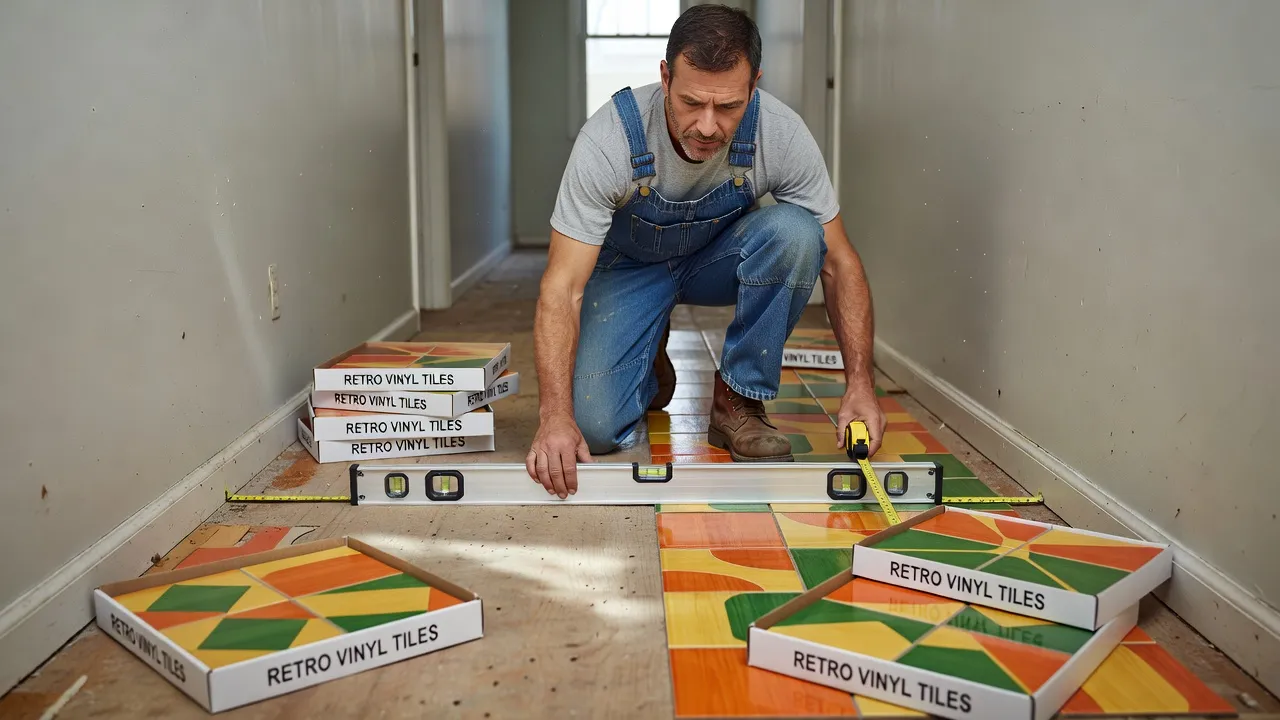
Comparing retro vinyl flooring choices
Selecting the right retro floor material depends directly on your budget, subfloor condition, and willingness to perform routine maintenance. The matrix below outlines how primary retro flooring options compare against physical space limits:
| Option / Material | Ideal Use Case | Key Limitation / Rule-Out Factor | Installation Effort |
|---|---|---|---|
| Forbo Marmoleum | Authentic mid-century homes & eco-builds | High material cost ($5-$9/sq. ft.); unsealed edges damaged by standing water | High (Requires pro installer & seam welding) |
| Armstrong VCT | High-traffic basements & budget retro rooms | Requires ongoing wax coating; porous raw finish absorbs spills if unsealed | Moderate (Trowel-applied vinyl adhesive) |
| Renova AI Floor Swap | Digital visualization before buying materials | Design tool only; does not replace physical subfloor prep or materials | Instant (Upload room photo & swap flooring styles) |
| Rigid Core LVT Tiles | Bathrooms, kitchens, and high-moisture rooms | Higher material cost; rigid tiles crack over uneven subfloors | Low to Moderate (DIY click-lock joint system) |
| Peel-and-Stick Tiles | Rental units, powder rooms, temporary style updates | Adhesives degrade under high heat or concrete dampness; narrow seams gap | Low (Self-adhesive backing, cut with utility knife) |
How to test retro vinyl flooring styles before buying
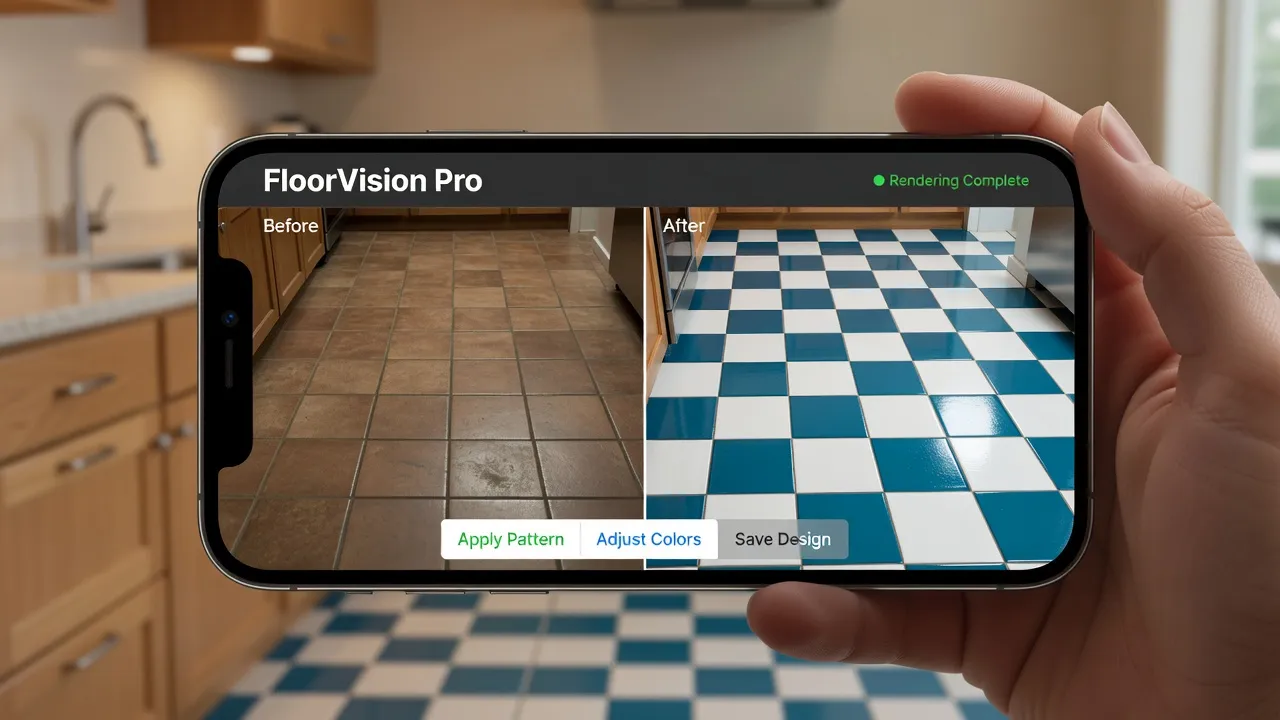
You can test retro vinyl flooring patterns instantly in your room using AI design tools before removing old flooring or purchasing materials. Selecting between a 12-inch checkerboard tile, a 1970s floral vinyl sheet, or a retro terrazzo pattern can feel overwhelming when looking at 2-inch physical swatches.
By downloading the Renova AI mobile app, you can snap a photo of your existing kitchen or bathroom and swap the floor in seconds. The platform processes your room geometry without requiring manual editing or masking.
You can toggle between 100+ selectable designs, allowing you to compare bold black and white vinyl checkerboard patterns against subtler retro options. Using Renova AI allows you to test wall repaint colors and flooring combinations simultaneously, ensuring your retro aesthetic aligns with your room lighting before you hire a contractor.
Frequently Asked Questions
Is retro vinyl sheet flooring waterproof?
Most modern retro vinyl sheet flooring constructed with solid PVC or fiberglass backing is 100% waterproof. However, water can still migrate around room perimeters if baseboards are not sealed with silicone caulk.
Can I install retro vinyl tile over existing hard tile?
Yes, you can install retro vinyl tile over existing ceramic tile only if you fill the grout lines first using a cementitious patch coat. Unfilled grout lines will telegraph through thin vinyl, creating visible grid indentations.
How do you clean vintage retro vinyl floors without dulling them?
Clean retro vinyl floors using a soft microfiber mop and a pH-neutral cleaner mixed with warm water. Avoid harsh ammonia, bleach, or abrasive scrub pads, which strip protective wear layers and dull glossy finishes.
What is the difference between retro linoleum and retro vinyl flooring?
Retro linoleum is made from natural ingredients like linseed oil and cork dust on a jute backing, while retro vinyl is synthesized from PVC resins and plasticizers. Linoleum requires periodic sealing, whereas vinyl comes factory-sealed.
How much does retro vinyl sheet flooring cost per square foot?
Residential retro vinyl sheet flooring costs between $2.00 and $4.50 per square foot for materials as of 2026. Professional installation typically adds an additional $1.50 to $3.00 per square foot depending on subfloor prep needs.
Does checkerboard vinyl flooring make a small room look smaller?
Large checkerboard patterns with 18-inch tiles can make a small room feel cramped. For small powder rooms or narrow kitchens, choosing 8-inch or 12-inch tiles creates a balanced sense of proportion.
Can you install peel-and-stick retro vinyl tiles in an unheated garage?
No, peel-and-stick vinyl tiles should not be installed in unheated garages. Temperature fluctuations cause self-adhesive backing to contract, crack, and lose grip on cold concrete slabs.