1980s interior design styles are defined by bold geometric forms, vibrant postmodern palettes, industrial metallics, and theatrical revivals that broke away from 1970s Earth-toned minimalism. Unlike the muted organic aesthetics of the preceding decade, 80s decor prioritized expressive architecture, glossy surfaces, chrome accents, and playful clashing patterns.
What most homeowners get wrong about the decade is assuming all 1980s design was tacky or low-quality. Ripping out original built-in glass block dividers, solid brass fixtures, or vaulted ceilings during a modern remodel often costs $15,000 to $40,000 in unnecessary structural labor. Preserving those architectural bones while updating surface finishes yields a high-end look at a fraction of the budget.
Visualizing how retro looks fit into modern layouts is easier than ever before. Using tools like Renova AI allows homeowners to preview these dramatic styles on their actual room photos without committing to expensive physical overhauls.
What is the Memphis Group style in 1980s interior design?
The Memphis Group style is an Italian design movement founded in 1981 by Ettore Sottsass, characterized by vibrant primary colors, asymmetrical shapes, plastic laminate surfaces, and whimsical geometric patterns. Moving away from the strict functionality of Bauhaus modernism, Memphis design treated furniture and home decor as humorous, emotional sculpture.
Key elements of Memphis design include:
- Bacterio Patterns: Abstract, squiggly line prints applied to laminate countertops, fabrics, and wall coverings.
- Asymmetrical Silhouettes: Bookshelves, sideboards, and seating built with slanted shelves and unbalanced stacked pedestals.
- Clashing Palettes: High-contrast combinations of cobalt blue, bright yellow, coral pink, and pitch black.
According to historical design archives at the Victoria and Albert Museum, the movement challenged traditional notions of taste by making synthetic laminates the primary material for luxury furniture. As of September 2026, original 1980s Memphis Milano pieces regularly fetch tens of thousands of dollars at high-end design auctions. Integrating Memphis style today works best when you select a single statement piece, such as a squiggly framed mirror or a geometric accent chair, set against neutral surroundings.
What are the characteristics of Postmodern interior design in the 1980s?
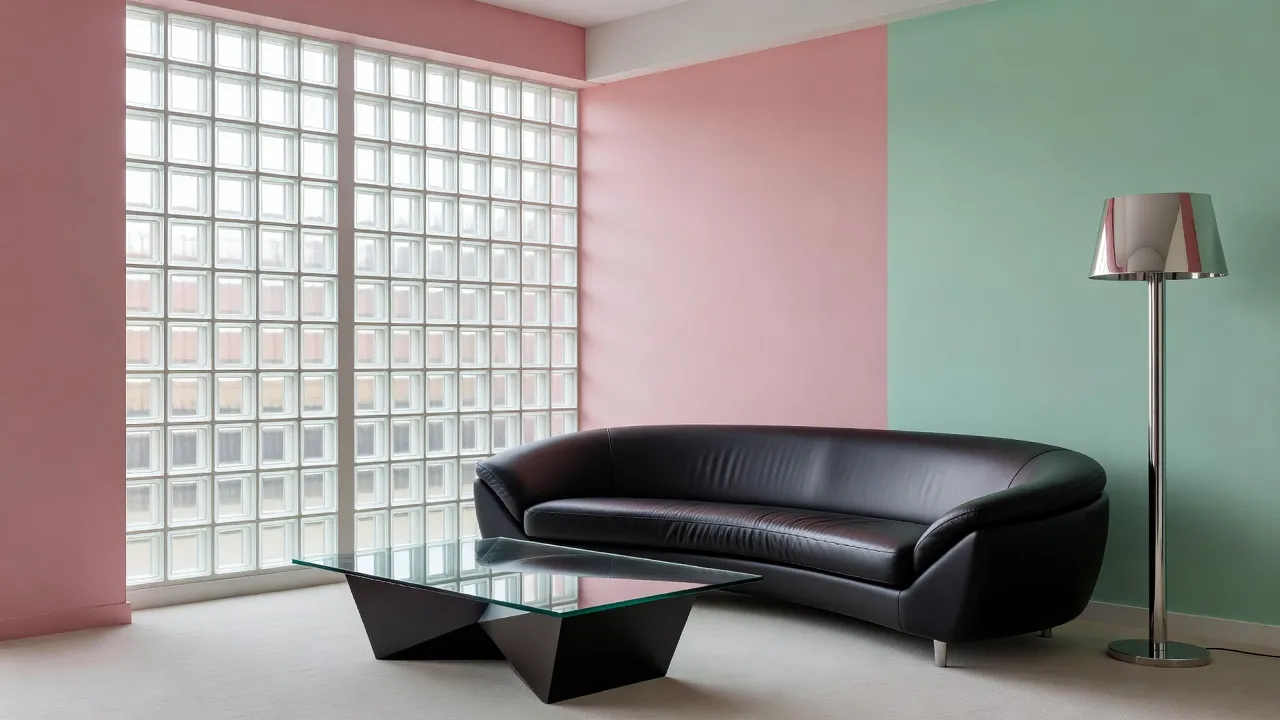
Postmodern interior design in the 1980s is defined by theatrical classical architectural references, exaggerated proportions, pastel color palettes, and playful material juxtapositions. Rather than following the minimalist principle that form follows function, Postmodernism embraced ornamentation, irony, and historic revivalism.
Core characteristics of Postmodern spaces include:
- Neo-Classical Elements: Oversized plaster columns, pediment wall cutouts, and rounded archways integrated into open floor plans.
- Subdued Pastel Palettes: Dusty rose, mint green, mauve, peach, and powdery blue paired with crisp white trim.
- Reflective Materials: Polished marble flooring, high-gloss lacquered cabinetry, and floor-to-ceiling smoked glass mirrors.
Many homeowners mistakenly attempt to recreate Postmodernism by painting entire rooms in electric neon. In reality, authentic 1980s Postmodern spaces leaned heavily into sophisticated soft tones balanced by sharp black structural accents. Combining these historic architectural shapes with contemporary furniture aligns naturally with current 2026 home decor trends that favor personality and structural depth over stark minimalism.
What is high-tech architecture and interior design in the 1980s?
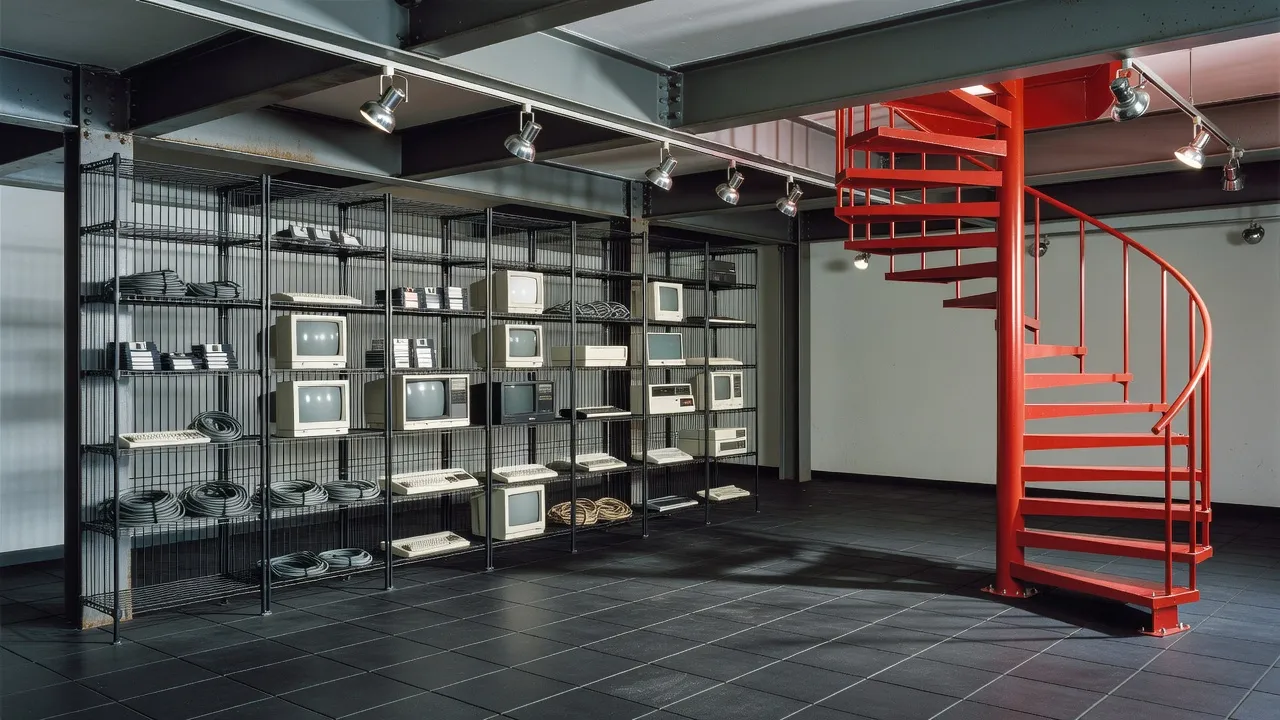
High-tech interior design in the 1980s is an industrial aesthetic that exposes structural building components, utility conduits, and commercial hardware as primary decorative elements. Influenced by industrial architecture, this style brought commercial building materials directly into residential living rooms and kitchens.
Defining features of the High-Tech style include:
- Exposed Utilities: Unconcealed ceiling pipes, HVAC ductwork, and structural steel trusses painted in glossy industrial enamel.
- Commercial Finishes: Raised-dot rubber tile flooring, perforated metal panels, stainless steel counters, and wire grid shelving.
- Functional Lighting: Exposed track light systems, halogen studio fixtures, and adjustable clamp lamps.
Documentation from the Museum of Modern Art highlights how architects like Richard Rogers and Norman Foster normalized bringing structural steel and factory fixtures inside the home. What most people get wrong when attempting this look today is making the space feel cold or unlivable. Balancing heavy chrome and exposed steel with warm wooden accents or soft textured upholstery avoids turning a living space into a sterile commercial warehouse.
What is the Miami Vice/Art Deco revival style in 1980s interior design?
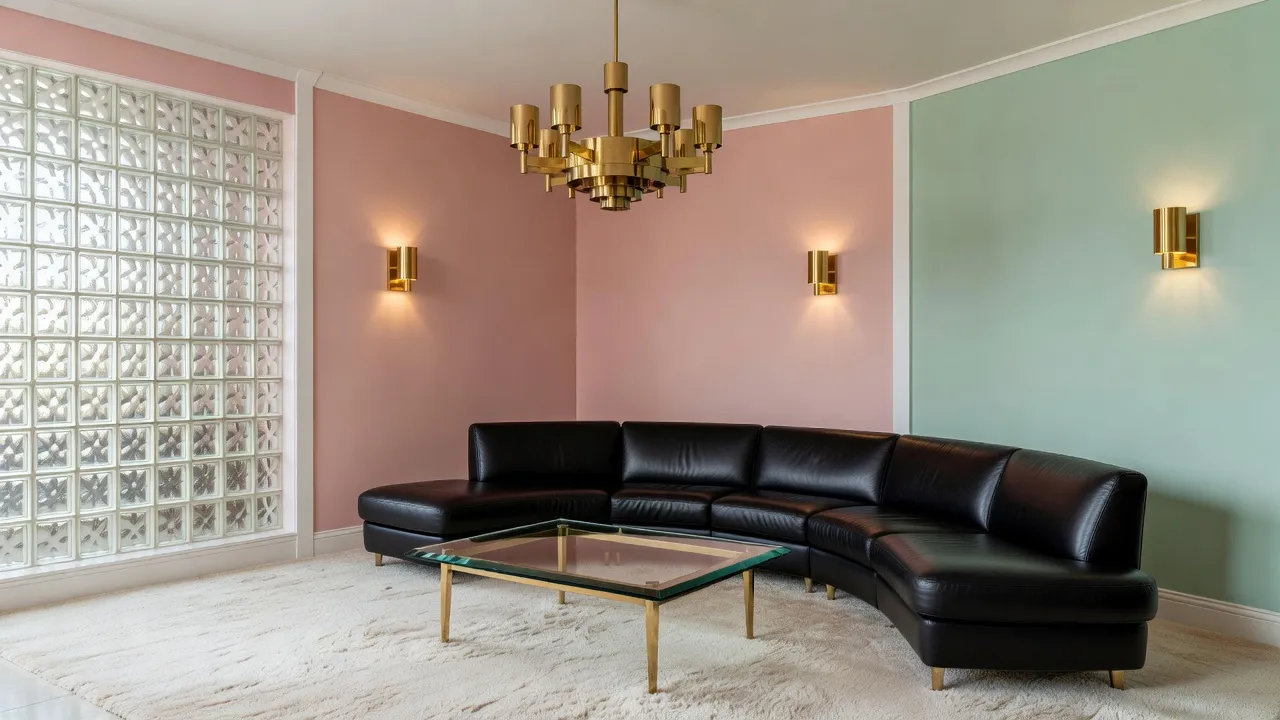
The Miami Vice or Art Deco revival style in 1980s interior design is a sleek coastal aesthetic defined by pastel neon hues, glass block walls, tropical frond prints, and streamlined furniture silhouettes. Named after the iconic television series, this movement updated 1930s Art Deco glamor for late-20th-century sunbelt living.
Signature elements of Art Deco revival include:
- Glass Block Architecture: Translucent interior partition walls and curved bar fronts that diffuse ambient light.
- Concealed Lighting: Pink, blue, or violet ambient LED or neon strips tucked beneath soffits and counter edges.
- Tropical Motifs: Palm leaf wallpapers, flamingo artwork, and rattan or lucite furniture frame details.
Tearing out original glass block walls is a common renovation mistake that costs owners upwards of $5,000 in drywall and masonry repair. Instead, keeping the glass block wall intact and swapping old pink carpets for light hardwood or polished tile creates an upscale coastal look.
What is the Hollywood Regency revival in 1980s interior design?
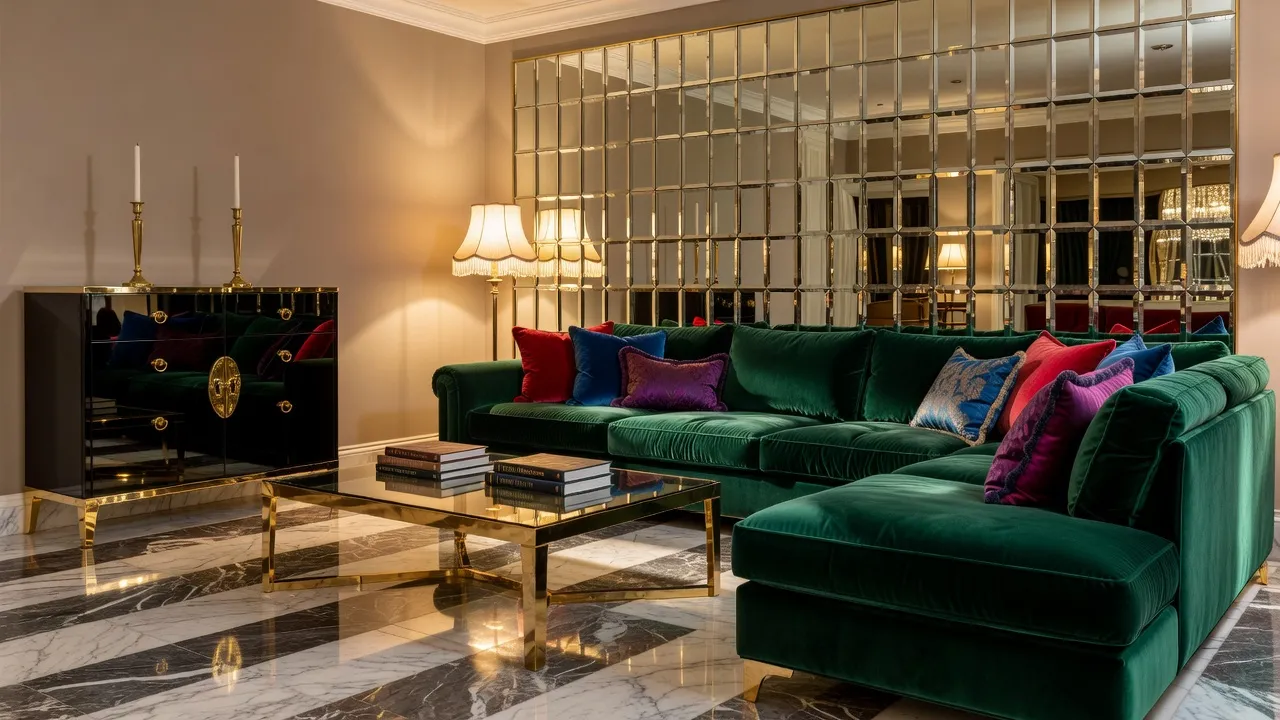
The Hollywood Regency revival in 1980s interior design is an opulent decorating style characterized by mirrored surfaces, polished brass trim, black-and-white marble, and plush velvet upholstery. Reinterpreting 1930s cinematic luxury, this style dominated upscale suburban homes and executive suites throughout the decade.
Key components of the 80s Hollywood Regency revival include:
- Brass and Glass Furniture: Coffee tables and display units built from square brass tubing and tempered glass tops.
- Dramatic Wall Treatments: Smoked mirror wall panels, black lacquer millwork, and metallic foil wallpapers.
- Luxurious Fabrics: Deep-tufted velvet sofas, satin window drapery, and faux fur accents.
An overview by Architectural Digest notes that brass accents defined high-end 80s interiors, though many 1990s renovators prematurely stripped them out. Re-polishing original brass frames rather than replacing them with cheap brushed nickel preserves historical character while keeping renovation budgets intact. Choosing soft living room wall colors helps tone down the intensity of lacquered surfaces while keeping the glamor alive.
Comparing 1980s interior design visualization methods
Choosing the right method to design or remodel a 1980s-inspired room determines how accurately you capture retro proportions without overspending on trial-and-error construction. The table below compares the primary options available to homeowners looking to explore 1980s interior design styles in 2026.
| Design Approach | Best Suited For | Visual Accuracy | Time to Complete | Cost Range |
|---|---|---|---|---|
| Traditional Interior Designer | Homeowners doing full-scale historic restorations with high budgets | High (3D renderings & physical samples) | 4 to 12 weeks | $3,000 - $15,000+ |
| Renova AI App | Homeowners wanting to test 100+ retro styles on their actual room photos in seconds | High (Photorealistic AI render) | Seconds | App download / Subscription |
| DIY Physical Moodboards | Enthusiasts gathering color swatches and fabric samples manually | Moderate (2D boards only) | 1 to 2 weeks | $50 - $300 |
| Manual 3D CAD Software | Tech-savvy DIYers with prior 3D modeling experience | High (depends on operator skill) | 20 to 50 hours | $200 - $1,000 |
How to test 1980s interior design styles in your home
The biggest risk when incorporating 1980s decor is over-committing to a high-contrast style before seeing how it interacts with your existing layout and natural light. Buying custom brass millwork or installation-heavy glass block partitions without a trial run often leads to buyer remorse and costly tear-outs.
To safely test 1980s aesthetics in your space:
- Snap a photo of your room: Capture your space in daylight from a clean angle.
- Select retro style variations: Test Memphis Group geometric accents, Postmodern pastels, or sleek High-Tech industrial trims.
- Analyze lighting and spatial contrast: Observe how bold patterns or mirrored walls reflect daylight before ordering physical furniture.
Using Renova AI allows you to visualize over 100 design styles on your exact room without moving furniture or spending money on temporary paint samples. You can download Renova AI on iOS to apply wall repaint options, swap flooring, or test custom room changes with zero manual editing.
Studying classic interior design books can also give you historical context on how original 1980s architects balanced scale, material texture, and vibrant pattern.
Frequently Asked Questions
What are the main colors used in 1980s interior design?
The main colors used in 1980s interior design include soft pastels like dusty rose, mauve, mint green, and peach, alongside high-contrast palettes featuring cobalt blue, primary yellow, pitch black, neon pink, and bright teal.
What materials were most popular in 80s home decor?
Popular 80s home decor materials include plastic laminates, polished brass tubing, chrome fixtures, glass blocks, smoked mirrors, raised-dot industrial rubber flooring, and high-gloss lacquered wood.
How do I modernise an 80s glass block wall without removing it?
You can modernise an 80s glass block wall by replacing surrounding carpet with light hardwood flooring, painting adjacent walls in matte warm neutrals, and adding crisp matte black hardware to frame the glass cleanly.
Is brass furniture from the 1980s back in style?
Yes, solid polished and brushed brass furniture from the 1980s is back in style, especially clean geometric coffee tables, display shelving units, and accent lighting fixtures paired with understated modern seating.
What is the difference between Memphis style and 1980s Postmodernism?
Memphis style is a specific sub-movement of Postmodernism created by an Italian design collective that focused on bright primary colors, plastic laminates, and squiggly patterns, whereas Postmodernism as a whole includes neo-classical architectural revivals, pastels, and historical irony.
How can I preview 1980s interior design in my home before renovating?
You can preview 1980s interior design styles in your home by uploading a photo of your room into the Renova AI application to generate photorealistic 80s room renders instantly.
What flooring was most common in 1980s homes?
Common 1980s flooring options included wall-to-wall plush beige or pastel carpet, black-and-white square marble tiles, light oak parquet, and raised-dot rubber tiles in high-tech industrial interiors.