For homeowners wanting practical spatial rules, the best interior design books are Frida Ramstedt’s The Interior Design Handbook and Erin Gates’s Elements of Style. While traditional coffee table volumes focus almost entirely on stylized photography, actionable design guides focus on exact measurements, lighting placement ratios, and furniture clearance distances. Combining practical books with modern visualizers like Renova AI helps bridge the gap between abstract textbook theory and real-world execution in your space.
What do most people get wrong when buying interior design books?
The biggest mistake people make is buying visual coffee table photography books when they actually need technical layout guidelines. High-end showcase books display $500,000 custom renovations with 12-foot ceilings, which offer great aesthetic inspiration but zero actionable instructions for standard 8-foot living rooms.
When you buy a book purely for its cover, you often end up with high visual expectations and no concrete knowledge of lighting temperatures, scale, or rug proportions. People spend hundreds of dollars on gorgeous hardcover collection books, only to realize they still do not know how far apart to hang wall art or how to lay out a tight seating arrangement.
To avoid wasting money on books that won't solve your practical design challenges, consider what you actually need help with before purchasing:
- Dimensional guidelines: You need exact measurements for traffic lanes, coffee table clearances, and curtain rod heights.
- Color theory & lighting ratios: You need clear explanations of ambient, task, and accent lighting combinations rather than just pretty photos.
- Rule-based learning: Look for books that explain why a room feels balanced instead of just showing finished projects.
- Real-world application: Books that cover standard ceiling heights, irregular floor plans, and budget realities provide the highest long-term utility.
How do the top interior design books compare?
The best interior design books range from technical rulebooks that explain spatial physics to intuitive style guides with templates. The comparison table below highlights top-rated books along with interactive digital companions to help you decide where to invest your budget as of August 2026.
| Book / Visualizer | Primary Focus | Best For | Key Trade-Off | Price Range |
|---|---|---|---|---|
| The Interior Design Handbook | Rules of scale, lighting, and spatial proportion | Beginners seeking objective design rules | Lacks full-color room photography | $20 - $30 |
| Renova AI | Instant AI room redesign and style visualization | Testing styles on actual home photos | Digital app rather than print book | Free / In-App |
| Elements of Style | Practical room-by-room decor and layouts | Homeowners decorating a full house | Leans heavily toward classic traditional aesthetics | $25 - $35 |
| Feels Like Home | Texture layering, warmth, and natural materials | Creating cozy, lived-in environments | Focuses more on mood than rigid spatial dimensions | $28 - $38 |
| Homebody | Step-by-step style taxonomy and floor plans | Identifying personal design preferences | Includes broad templates rather than architectural specs | $22 - $32 |
| Interior Design Master Class | 100 essays on professional techniques | Advanced readers wanting trade insider advice | Dense text with varied writing styles | $40 - $60 |
Which interior design books give the most practical decorating advice?
The most practical interior design books focus on teachable formulas rather than aspirational lifestyle photography. Below are the top recommendations that provide real rules, actionable layout strategies, and spatial guidance for your home.
1. The Interior Design Handbook by Frida Ramstedt
Frida Ramstedt’s book is the definitive manual for fundamental space rules, ergonomics, and visual balance. Instead of showing pristine celebrity homes, Ramstedt uses clear line drawings to explain the Golden Ratio, the Rule of Thirds, and precise lighting heights.
The hardcover edition, published through Penguin Random House, emphasizes human scale over staged photography. It explains exactly how many light sources a room needs (typically five to seven) and why your coffee table feels awkwardly far from your sofa.
- Why it made the list: It treats interior design as a learnable science rather than an innate talent.
- Key trade-off: The book relies entirely on simple illustrations, so if you rely on glossy, full-color photography for inspiration, it might feel dry.
2. Renova AI: Instant spatial visualizer companion
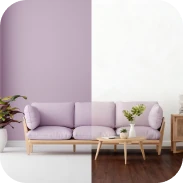
Renova AI serves as an interactive bridge between book theory and your real room. Reading about spatial balance is helpful, but seeing how a Japandi, Boho, or Art Deco layout fits your specific square footage prevents costly furniture buying mistakes.
By uploading a single phone picture to the Renova AI iOS App, you can instantly swap floors, test wall repaint options, and preview over 100 styles. It requires zero manual rendering or 3D modeling skills, making it an ideal companion when applying textbook layout rules to your space.
- Why it made the list: It lets you test layout principles instantly on your actual room without moving heavy furniture.
- Key trade-off: It is an interactive software application rather than a physical print reference book for your shelf.
3. Elements of Style by Erin Gates
Erin Gates combines candid personal anecdotes with structured room-by-room decorating blueprints. This book breaks down common floor plan mistakes, such as buying rugs that are too small or hanging artwork too high near door frames.
Gates includes practical checklists for entryways, living rooms, and bedrooms. You can explore complementary concepts like room decor ideas alongside her floor plans to better understand how color contrast works across different architectural styles.
- Why it made the list: The practical "dos and don'ts" sections save readers thousands in mistaken furniture purchases.
- Key trade-off: Her design taste aligns primarily with modern traditional and New England coastal aesthetics, which may not appeal to extreme minimalists.
4. Feels Like Home by Lauren Liess
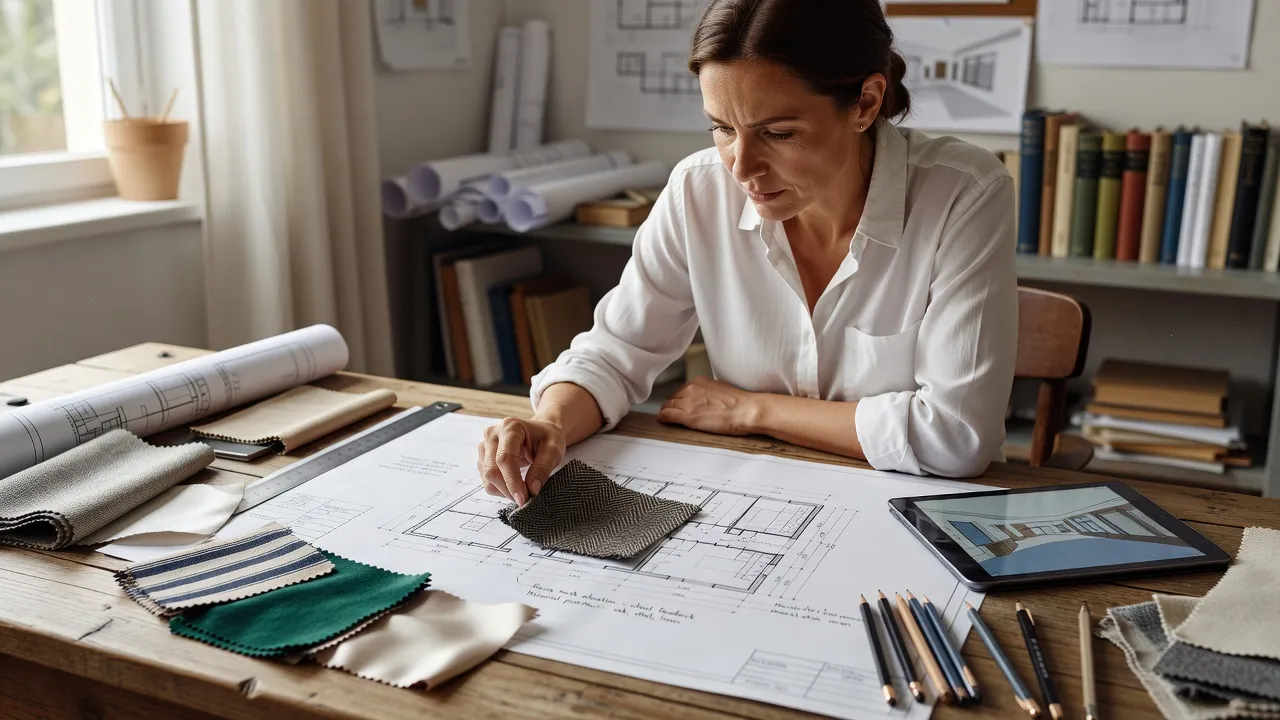
Lauren Liess focuses on the emotional resonance and tactile elements of residential spaces. Her guide breaks down how to layer raw wood, aged metals, linen, and stonework to create spaces that feel grounded and comfortable.
Rather than treating a home like a sterile showroom, Liess outlines how to design for real everyday living. She covers balance, contrast, and organic elements in a way that helps readers make cohesive choices when selecting materials for renovations.
- Why it made the list: Excellent instruction on mixing textures so neutral rooms do not look flat or boring.
- Key trade-off: It focuses more on mood, materials, and organic styling than on strict dimensional grid measurements.
5. Homebody by Joanna Gaines
Joanna Gaines delivers an accessible step-by-step framework designed to help homeowners pinpoint their authentic aesthetic. The book is organized by room types and includes a removable fold-out template guide at the back to help readers sketch floor plans.
Gaines breaks down popular design vernaculars into understandable elements. If you are exploring modern interior design, her framework helps you isolate modern elements and blend them seamlessly with industrial or rustic touches.
- Why it made the list: High usability for beginners who struggle to define their personal aesthetic style.
- Key trade-off: Some examples skew heavily toward farmhouse aesthetics, which may feel repetitive if you prefer urban contemporary looks.
6. Interior Design Master Class by Carl Dellatore
Carl Dellatore assembled 100 short essays written by top interior architects and trade professionals. As documented by publisher Rizzoli New York, this volume collects masterclasses from leading designers covering topics from color theory to millwork proportions.
Each essay tackles a specific design challenge, such as ceiling treatments, scale shifts, or antique integration. It acts as an authoritative reference guide for readers who want to understand high-end design principles straight from industry experts.
- Why it made the list: Unmatched breadth of expert opinions and professional design philosophy in one volume.
- Key trade-off: Because each essay is written by a different designer, the tone and advice can feel varied and less unified.
How do you translate design book rules into your actual room?
Translating textbook rules into a real room requires physical measuring, tape mapping, and visual previewing before purchasing furniture. Most design books give you ideal proportions, but every home has real-world quirks like off-center windows, radiator units, or awkwardly placed outlets.
As noted in editorial coverage on Architectural Digest, failing to account for physical room constraints is why DIY interior decorating projects often go off track. To apply book concepts successfully without making expensive errors, follow this proven sequence:
- Calculate your clearances: Measure walking paths. Ensure you leave 30 to 36 inches between major furniture pieces and at least 14 to 18 inches between your sofa edge and coffee table.
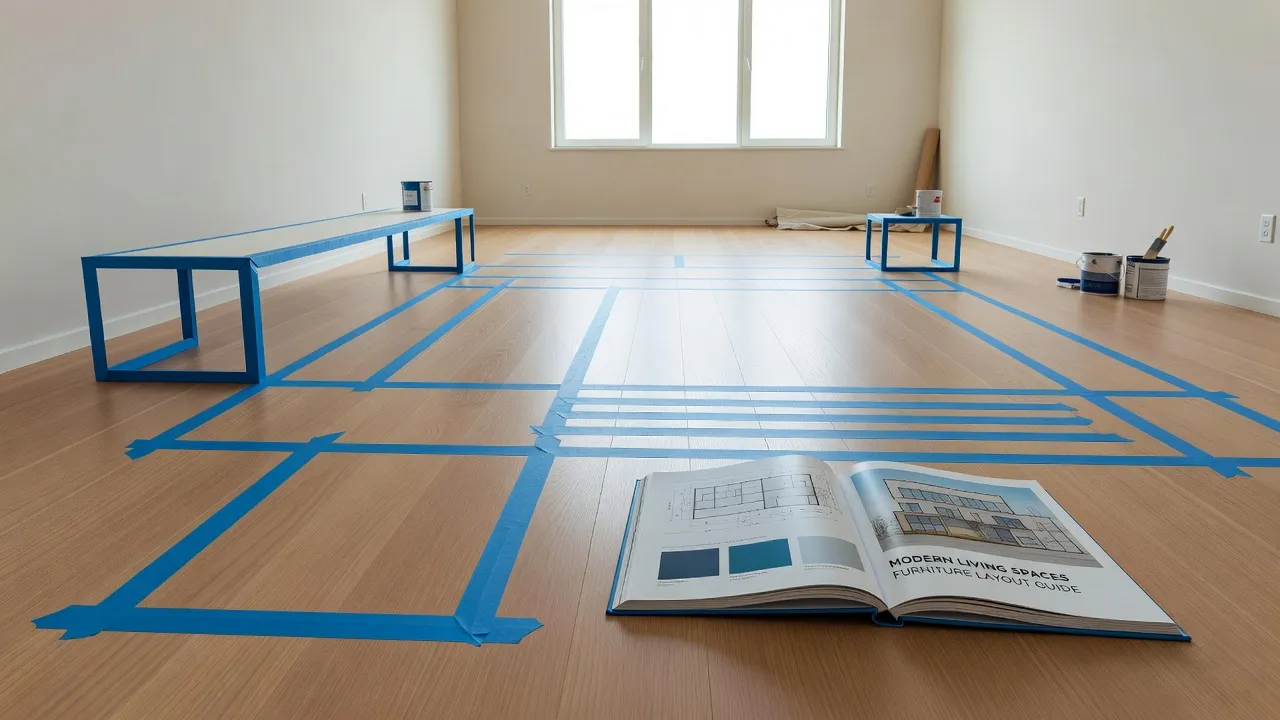
- Tape out floor shapes: Use painter's tape on your floor to mark out rug sizes and sofa footprints before placing orders online.
- Establish a lighting grid: Follow the textbook rule of incorporating ambient, task, and accent lighting across at least three distinct room heights.
- Preview using modern digital tools: Combine text guidance with interior design using ai apps to test how furniture scale and wall colors look in your actual space.
- Set an accent color ratio: Stick to the 60-30-10 rule (60% dominant color, 30% secondary texture/color, 10% accent color) to keep palette balance cohesive.
Frequently Asked Questions
What is the best interior design book for complete beginners?
The Interior Design Handbook by Frida Ramstedt is widely considered the best starting book for beginners. It skips complex trade jargon and uses simple diagrams to explain essential spatial math, lighting rules, and furniture scale.
Are expensive coffee table design books worth buying for decorating advice?
Most glossy coffee table books are designed for visual entertainment rather than practical instruction. They showcase high-budget professional projects without explaining the dimensions, budgets, or layout decisions behind them.
What is the golden rule of interior design in books?
The fundamental rule cited across design literature is proportion and scale. This includes principles like the Golden Ratio (approximately 1:1.618) and the 60-30-10 color rule to ensure visual harmony across furniture and accessories.
How many light sources should a living room have according to design books?
Most professional design books recommend between five and seven distinct light sources per living space. These should be layered across three height levels using ambient overhead lighting, task lamps, and low-level accent lamps.
Can I use digital room design apps instead of interior design books?
Digital apps like Renova AI complement rather than replace design books. Books teach you the underlying principles of scale and spatial harmony, while apps allow you to test those concepts instantly on photos of your own space.
What book explains room color schemes best?
Elements of Style by Erin Gates and Feels Like Home by Lauren Liess offer excellent practical guidance on balancing paint colors, neutral textures, and wood tones across different room orientations.