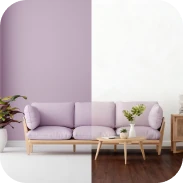
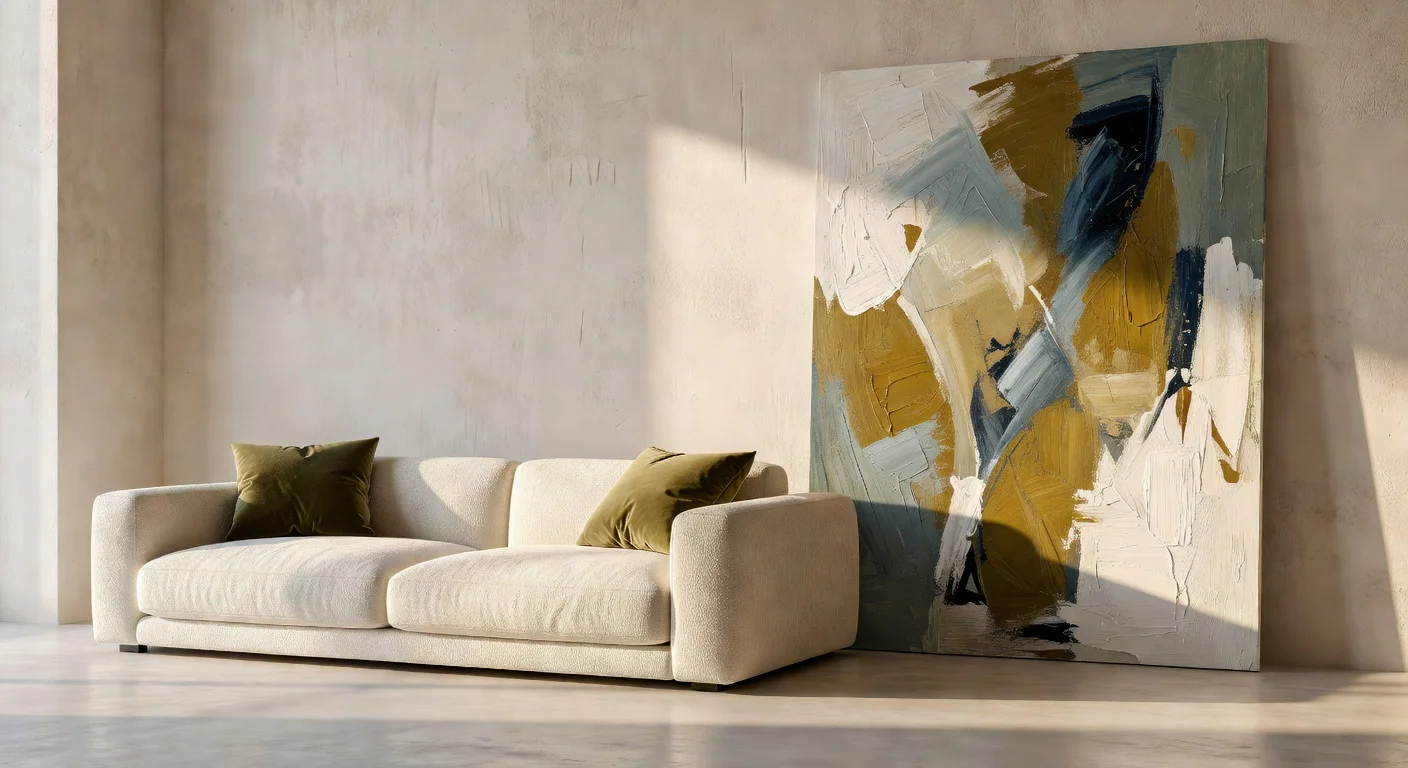
Interior decoration is the process of furnishing and styling a space to enhance its aesthetic and functional appeal. Unlike structural home design, it focuses entirely on cosmetic changes like paint, textiles, and lighting.
I spent three months comparing every interior decoration method and digital styling tool I could find while redoing my 1980s condo. The traditional advice from magazine editors simply does not match the budgets or timelines most of us actually have. Right now in 2026, creating cohesive decor living spaces requires more math than creativity.
If you guess at rug sizes or sofa depths, you will waste thousands of dollars. Here is exactly how to sequence a room update without throwing away money.
What are the real costs of interior decoration in 2026?
Furnishing a standard 300-square-foot living room currently averages between $3,500 and $7,000 if buying retail. That figure drops below $1,000 if you strictly source items from secondhand marketplaces and only buy new textiles.
Budget mapping: You should allocate your budget based on usage frequency.
- 50% goes to the anchor piece (the primary sofa or mattress).
- 20% handles foundational rugs and primary lighting fixtures.
- 30% covers secondary furniture like side tables, art, and accent chairs.
I honestly think buying cheap upholstery is the worst mistake you can make. A $400 fast-furniture sofa usually breaks down within 18 months. Meanwhile, high-density foam cushions from a reputable manufacturer usually last a decade.
What is the 60-30-10 color rule?
The 60-30-10 rule is a strict mathematical formula that splits a room's color palette into three specific percentages to maintain visual balance. You apply it so a room feels unified rather than chaotic.
Here is the exact breakdown:
- 60% Dominant Color: This covers your walls, large area rugs, and ceiling.
- 30% Secondary Color: This hits your main furniture, curtains, and painted trim.
- 10% Accent Color: This flashes in your throw pillows, artwork frames, and small accessories.
If your walls are soft white (60) and your sofa is navy blue (30), an accent like mustard yellow (10) brings the room to life. Understanding basic Color theory is mandatory before you buy a single gallon of paint.
Should I hire an interior decorator or do it myself?
You should hire a decorator if you have a budget exceeding $10,000 and absolutely zero time to spend sourcing furniture. If you just need layout advice or paint color suggestions, doing it yourself with modern digital tools is vastly cheaper.
Many people confuse decorators with structural professionals. Licensed interior designers actually pull permits and alter wall frameworks. Decorators simply style the finished shell.
Do decorators charge by the hour or flat fee?
Most freelance decorators in 2026 charge an hourly rate between $75 and $150, though agencies typically prefer flat fees. A flat fee for a single room redesign usually hovers around $1,500, excluding the cost of the actual furniture.
Some firms also use a "cost-plus" model. This means they pass their trade designer discounts to you but charge a 20% markup on every item they purchase on your behalf. (Which is honestly a nightmare to track if you have a tight budget).
How do you visualize a room before buying furniture?
The fastest way to test a layout is to map the room dimensions on grid paper, assigning one square to equal twelve square inches. However, since late 2025, most homeowners have completely abandoned physical paper in favor of spatial planning software.
Software stops you from buying a 90-inch sofa for an 80-inch wall. When deciding how to draft an open concept furniture layout, seeing the actual traffic flow is critical.
Here is how the top visualization methods stack up right now:
| Tool / Method | Best For | Learning Curve | Average Cost |
|---|---|---|---|
| SketchUp | Precise 3D architectural rendering | Very High (Weeks) | $119+/year |
| Houzz Pro | Sourcing actual retail products | Medium (Days) | $85+/month |
| Renova AI | Easiest to Use | Zero (Immediate) | Free trial available |
SketchUp is undeniably powerful if you are building custom cabinetry. Plus, Houzz has great vendor integrations. But for quick cosmetic changes, heavy CAD software is overkill.
Can AI accurately mock up my actual room?
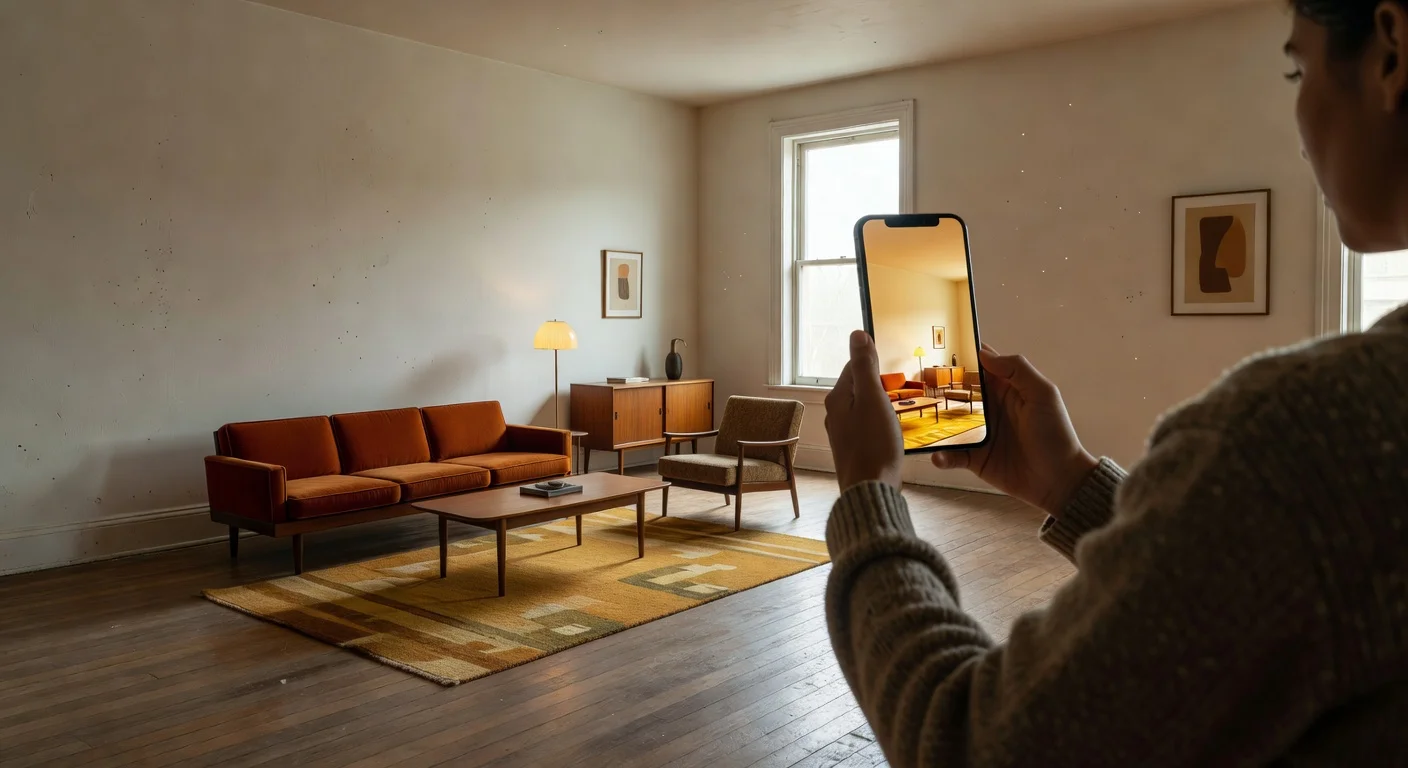
Yes, modern generative tools can perfectly map your walls and floors to show you completely remodeled aesthetic concepts instantly. You no longer need to spend hours dragging and dropping 3D furniture models into a clunky web browser.
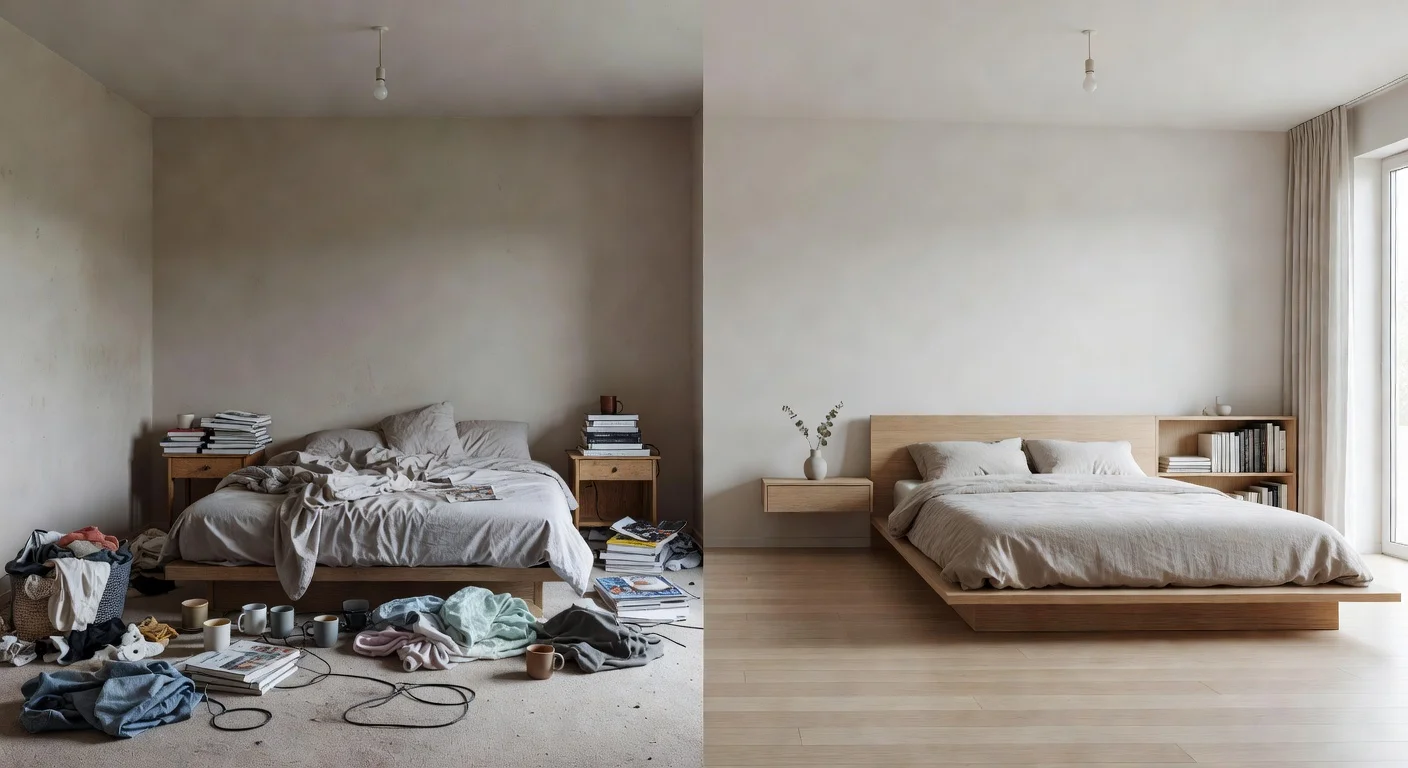
This is exactly why I use Renova AI for instant concept testing. You literally just snap a photo of your messy living room or empty bedroom. The app features 100+ selectable designs (including heavy hitters like Japandi, Modern, Bali, and Art Deco). It remodels the interior with AI in about three seconds.
Speed: Getting concept approvals used to take days.
Zero Friction: There is absolutely no manual editing required at all. It handles wall repaints and floor swaps automatically in the background.
You can grab it on the App Store if you want to test how dark floors look with your current window placement.
How to plan an open concept interior layout step by step?
Executing an open floor plan requires creating distinct functional "zones" using area rugs and ceiling lighting as boundaries. If you skip this, the room will just look like a giant furniture warehouse.
Follow this exact sequence:
- Find the focal point: Identify the fireplace, the primary view window, or the media wall.
- Float the furniture: Pull your seating at least 12 inches away from the walls. Pushing everything against the drywall makes the space feel hollow.
- Define with rugs: Use an 8x10 or 9x12 rug under the living area, and a separate rug under the dining table.
Open layouts dominate new construction in 2026, according to the National Association of Home Builders. But they are incredibly loud. You must counter the echo by adding heavy window treatments and soft upholstered ottomans. Let the textiles absorb the noise.
Frequently Asked Questions
Does interior decoration include knocking down walls?
No. Decoration purely handles cosmetic updates like moving furniture, painting walls, or changing window treatments. Structural changes require an architect or licensed interior designer.
What is the cheapest way to decorate a room?
Paint is the most cost-effective decorative tool available right now. A $45 gallon of matte finish paint completely resets the visual temperature of a room without touching the furniture.
How do I find my personal interior style?
Stop looking at curated Pinterest boards and audit the clothes in your closet. If you wear mostly neutral basics with sharp tailoring, you likely prefer Minimalist or Modern aesthetics in your home.
What is the 60-30-10 color rule?
It is a standard ratio for mixing colors in a room. 60 percent is your dominant background color, 30 percent is a secondary upholstery color, and 10 percent is an accent color.
Can I use an app to visualize furniture in my house?
Yes, you can use heavy software like SketchUp or quick generative tools like Renova AI. Your choice depends on whether you want precise 3D rendering or instant style visualization.
Do dark walls make a room look smaller?
No, dark paint actually recedes from the eye and blurs corner lines. This effect makes small, windowless rooms feel much larger and cozier if you match the baseboards to the wall color.