
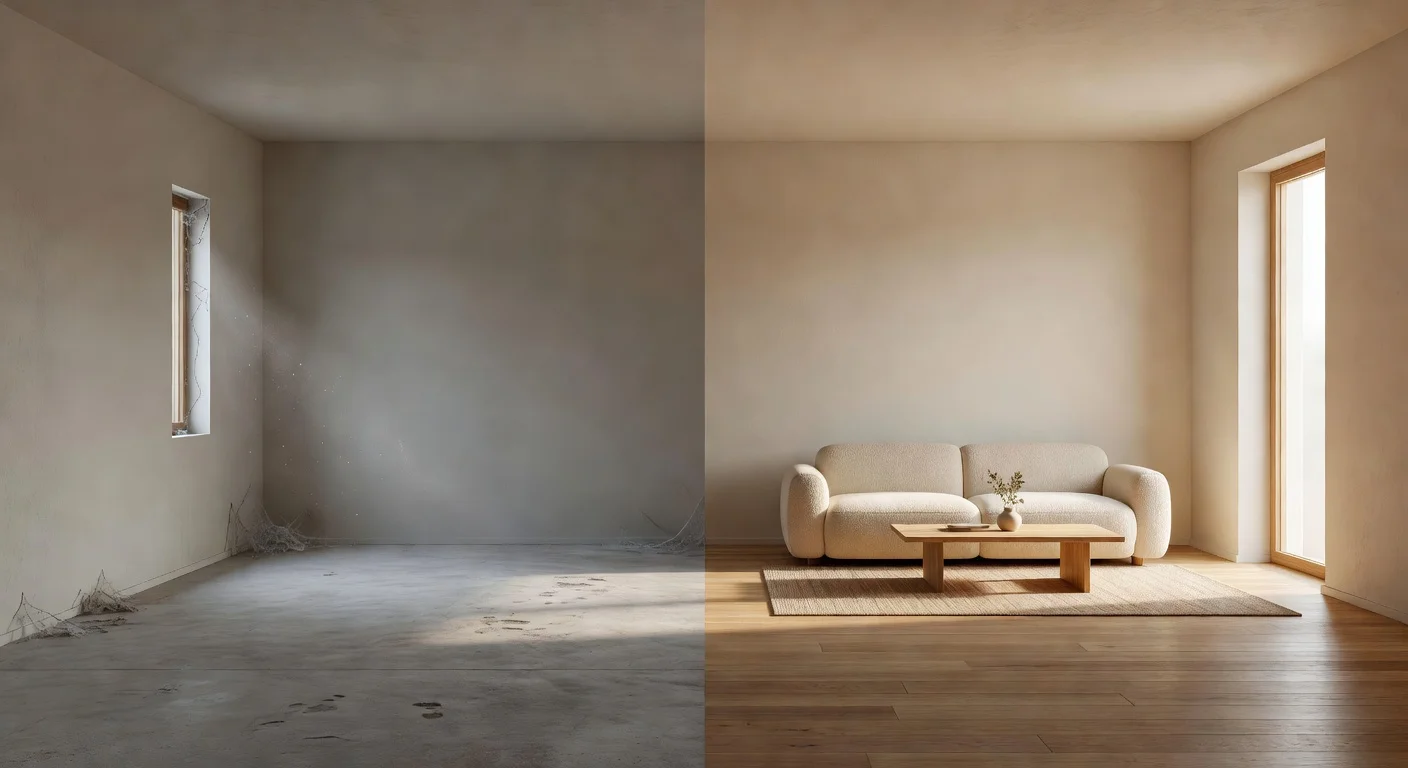
Interior design services are professional space-planning and styling solutions that optimize the flow and aesthetics of your home. Unlike traditional DIY guesswork, they eliminate expensive furniture returns by letting you visualize scale, color, and layout before spending a dime.
User forums like r/HomeDecorating show a fast market shift. If you want a magazine-cover house in 2026, you don't necessarily need a $10,000 retainer.
Generative software takes the lower end of the market. Six months of comparing local architectural firms to $5 mobile apps gave surprising results.
What is the real cost of interior design services in 2026?
The pricing model for interior design services splits into three distinct categories this year. You no longer have to guess what a consultation will cost if you understand the tier system.
Here are the standard baseline costs across the industry right now:
- Luxury Retainer: $5,000 to $15,000 minimum project fee.
- Hourly Consulting: $150 to $400 per hour.
- E-Design Flat Rate: $99 to $399 per room.
- Generative Subscriptions: $15 to $30 a month.
How much do traditional interior designers charge per room?
Most high-end local interior designers charge between $2,000 and $5,000 per room under a flat-fee model. If they bill by the hour instead, you will typically pay $150 to $400 an hour depending on your zip code.
Those numbers usually cover the mood boards, spatial planning, and sourcing. That fee does not include the actual price of the sofa, rugs, or lighting fixtures.
Material costs spiked 18% over the last two years, so many local interior designers strictly enforce minimum merchandise budgets. (They won't take your project unless you commit to spending at least $10,000 on furniture).
Are flat-fee online design services actually cheaper?
Yes, e-design packages usually sit between $99 and $399 per room. These platforms bake furniture retail margins into the process, so they aggressively pressure you into buying from their approved partner catalogs.
Companies like Havenly built massive businesses on this model. You get real human design advice for a fraction of the cost of a local firm.
You are locked into their specific retail ecosystem. If you want to buy a vintage chair from a local flea market, the e-design coordinator usually won't add it to your 3D digital render.
How do traditional interior design services compare to virtual ones in 2026?
The gap between hiring a physical agency and using software closes quickly. If you just need visual inspiration, a human designer is suddenly the slowest option on the table.
Here is exactly how the 2026 market stacks up:
| Provider Type | Pricing Model | 2026 Average Price | Best For |
|---|---|---|---|
| Generative App (Renova AI) | Subscription | $20/month | Best Value: Instant visual layouts |
| E-Design Platform (Havenly) | Flat-Fee | $199/room | Budget human consulting |
| Traditional Agency | Hourly / Retainer | $3,500+/room | Structural remodeling and local logistics |
Havenly excels if you want to chat back-and-forth with a human consultant about thread counts and fabric textures. If you hate waiting 14 days for a mock-up, the app route is infinitely better.
Why are AI interior design apps replacing human consultations?
Modern generative apps show you exactly how a room will look with your existing architecture in about four seconds. You completely bypass the two-week waiting period required for a human designer to mock up a 3D CAD render.
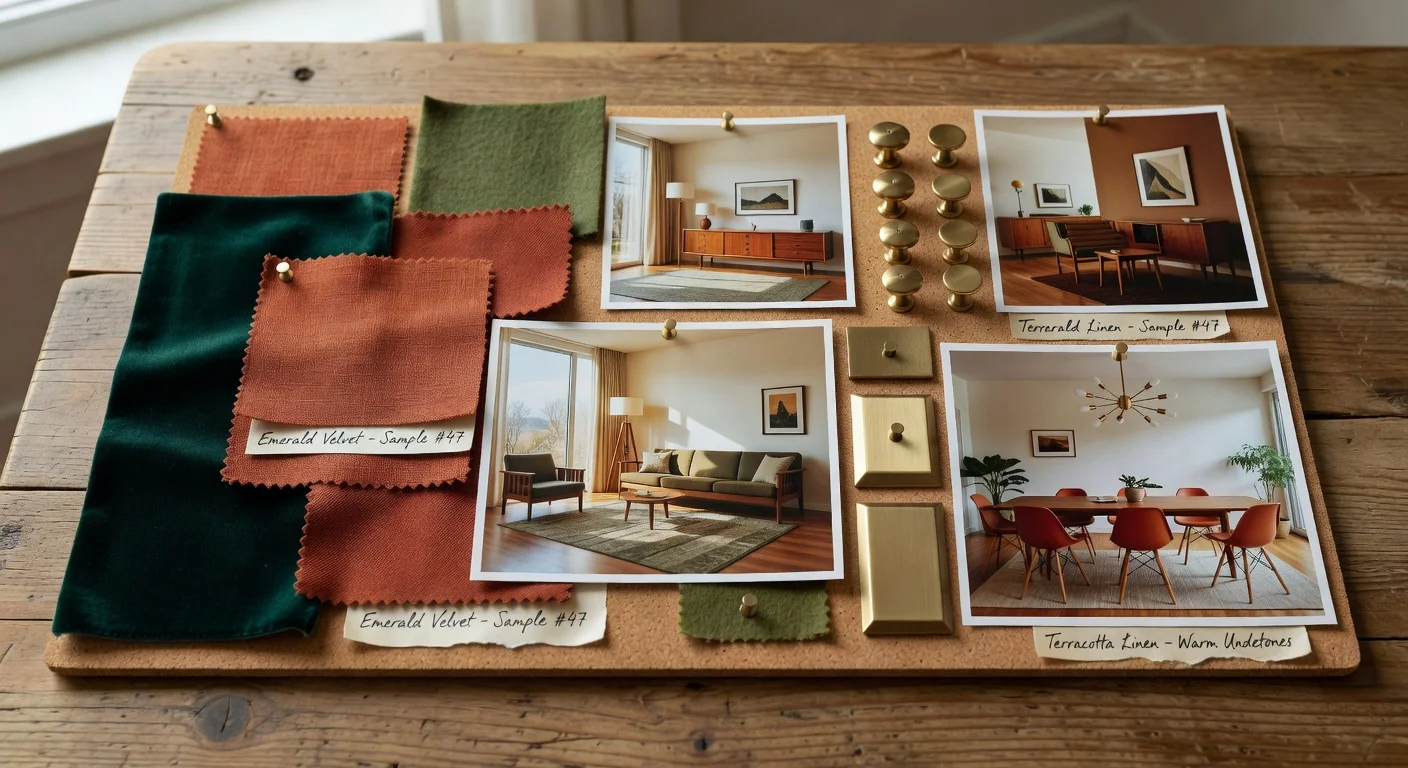
Virtual design adoption jumped 38% among first-time homebuyers since early 2025. People just want to see if a green velvet couch works with their oak floors.
Renova AI solves this specific problem. You snap a picture of your chaotic living room, and it renders a perfectly clean, styled version of that exact space.
What is the easiest way to visualize interior design styles without manual editing?
Use a dedicated mobile app that handles the rendering entirely in the cloud. Software that requires you to manually drag-and-drop 3D couches onto a screen is functionally dead in 2026.
Skip desktop planner software completely. Programs that force you to build virtual walls waste hours of your time.
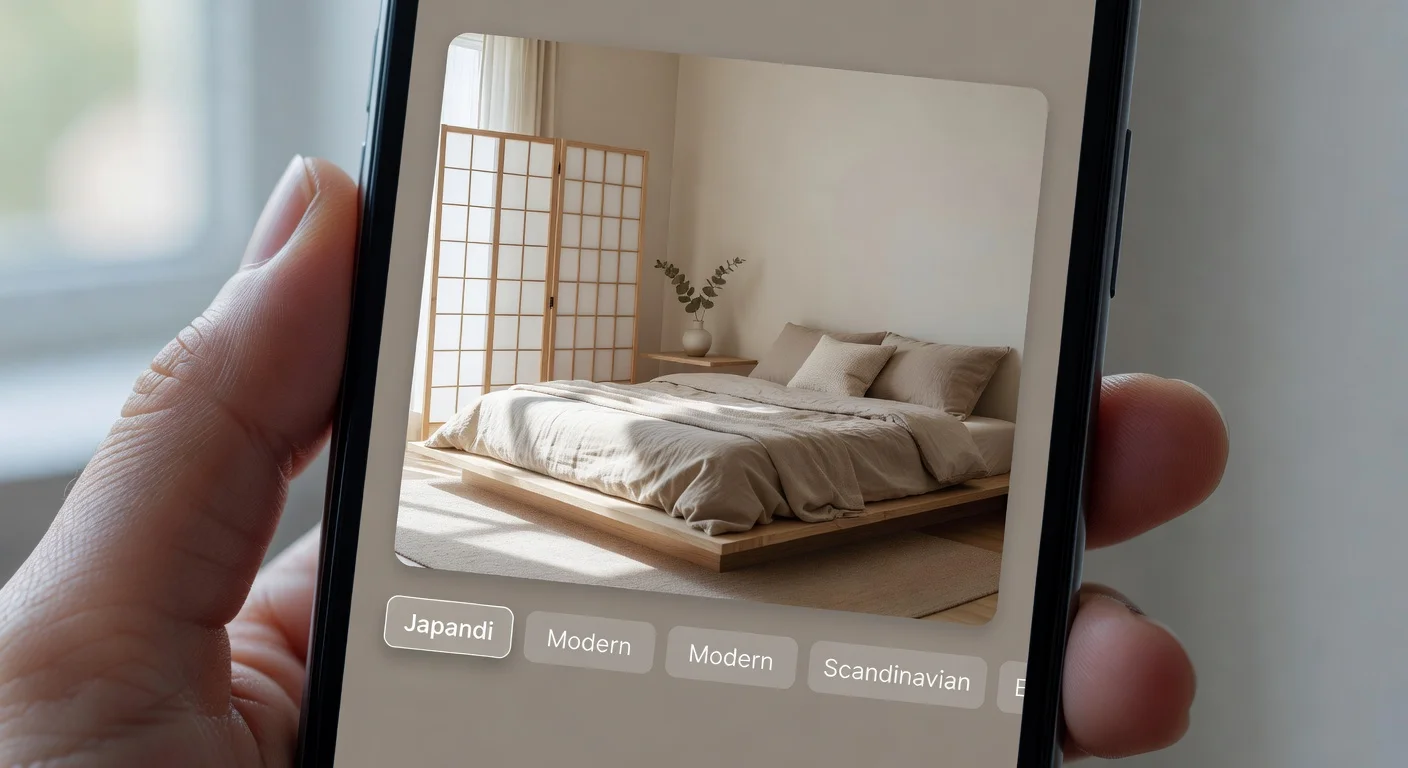
With generative apps, you just upload a photo and pick from 100+ selectable designs (like Japandi, Bali, or Farmhouse). The engine handles the wall repaints and floor swaps automatically.
Step-by-step: remodeling your living room with AI
Generating a new room concept takes three exact steps. You don't need to measure your baseboards.
- Snap a photo: Take a wide-angle picture of your empty space (or currently messy room) using natural daylight.
- Select your aesthetic: Tap a specific style preset like "Art Deco" or "Minimalist."
- Generate the layout: Wait four seconds while the AI restructures the space without requiring any manual editing from you.
Do you need a full-service interior design firm or just a space planner?
If you are knocking down drywall or changing plumbing lines, you need a full-service design firm. If you just want to know where to put your sofa so it doesn't block the TV, a digital space planner is enough.
Homeowners make the biggest mistake by hiring a $200-an-hour luxury designer just to pick out curtains.
Understand your actual requirements. Sourcing custom Italian marble requires a professional network. Buying a standard 8x10 rug from West Elm does not.
When should you hire a local interior designer?
Hire a local professional when your project requires custom millwork, dealing with city contractors, or sourcing bespoke textiles. Searching for an interior designer near me makes sense when the physical execution of the project is too stressful to manage alone.
They run interference. When the tile guy orders the wrong grout color, your designer handles the screaming match.
The American Society of Interior Designers (ASID) requires its licensed members to understand building codes and fire safety. This is a massive distinction if you are doing a gut renovation.
Can you hire someone just for a furniture layout?
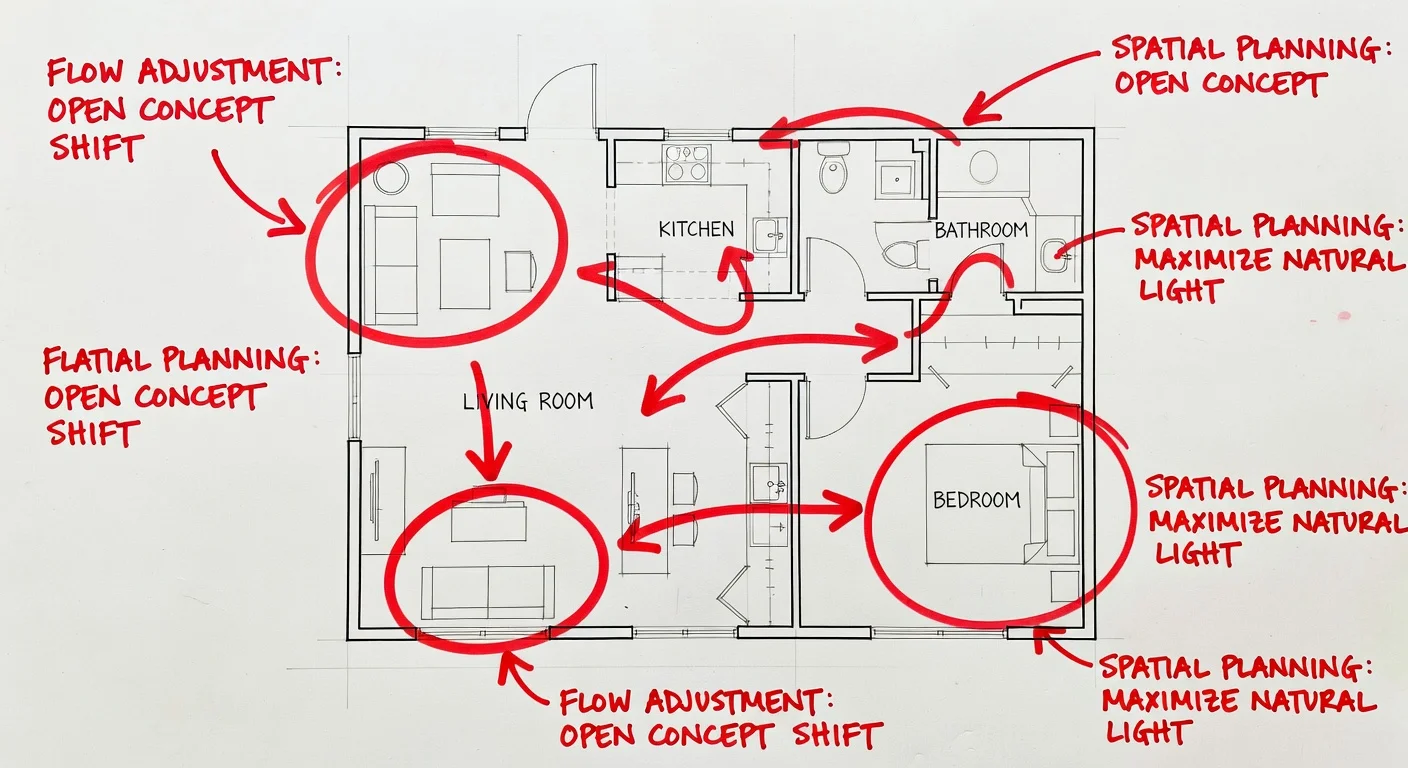
Yes, plenty of independent designers offer standalone floor plan services for about $150 to $300. If you are struggling with living room space planning, getting a top-down CAD drawing prevents you from buying a rug that is three feet too small.
They will deliver a PDF showing exactly where every piece of furniture should sit to maximize walking clearance.
This route works well if your house has a weird, asymmetrical architecture. Sometimes you just need an expert pair of eyes to tell you that mounting a TV over the fireplace is a terrible idea.
What are the hidden fees in traditional interior design contracts?
The biggest hidden fees are the procurement markups and minimum furniture purchase requirements. Many traditional designers buy a $1,000 chair at a trade discount of $700, sell it to you for $1,000, and keep the $300 difference.
This margin isn't technically a scam. According to an Architectural Digest breakdown on designer fees, this purchasing markup is a standard industry practice to cover the administrative work of tracking shipments.
It catches first-time clients completely off guard.
If a sofa gets damaged in transit, the designer handles the return. You are paying a hidden premium for that logistical insurance policy.
How to find the right interior design service for your 2026 budget
The market fractures based on how much control you want to surrender.
If you have $30,000 sitting in a bank account and hate making spatial decisions, hire a local agency. Just hand them the keys and let them work.
If you have a strict budget but want an expertly curated layout, use an e-design platform.
If you just want to see how your dull living room looks with a dark academia aesthetic right now, AI visualization tools are the smartest first step. Test ideas digitally before you commit financially.
Frequently Asked Questions
How much should you budget for interior design services?
You should budget between $1,500 and $5,000 per room for a traditional local designer. If you use a virtual e-design platform, expect to pay between $99 and $399 per room.
Do interior designers save you money?
Yes, they can save you money by preventing expensive sizing mistakes and securing trade discounts on premium furniture. However, their base fees often offset these initial savings.
What is the difference between an interior designer and an interior decorator?
An interior designer handles structural planning, spatial flow, and building codes. An interior decorator only focuses on visual aesthetics like paint, textiles, and furniture placement.
Can an AI app replace an interior designer?
For purely visual layout and material swapping, modern AI easily replaces introductory consultations. But digital tools cannot manage local contractors or verify load-bearing walls.
How long does the traditional design process take?
A standard one-room project usually takes 4 to 12 weeks from the initial consultation to final furniture delivery. Custom millwork or supply chain delays will extend this timeline.
Will interior designers work with existing furniture?
Most independent designers are happy to incorporate your existing pieces into a new layout. Some large e-design corporate platforms push you to buy entirely new sets from their catalogs.