
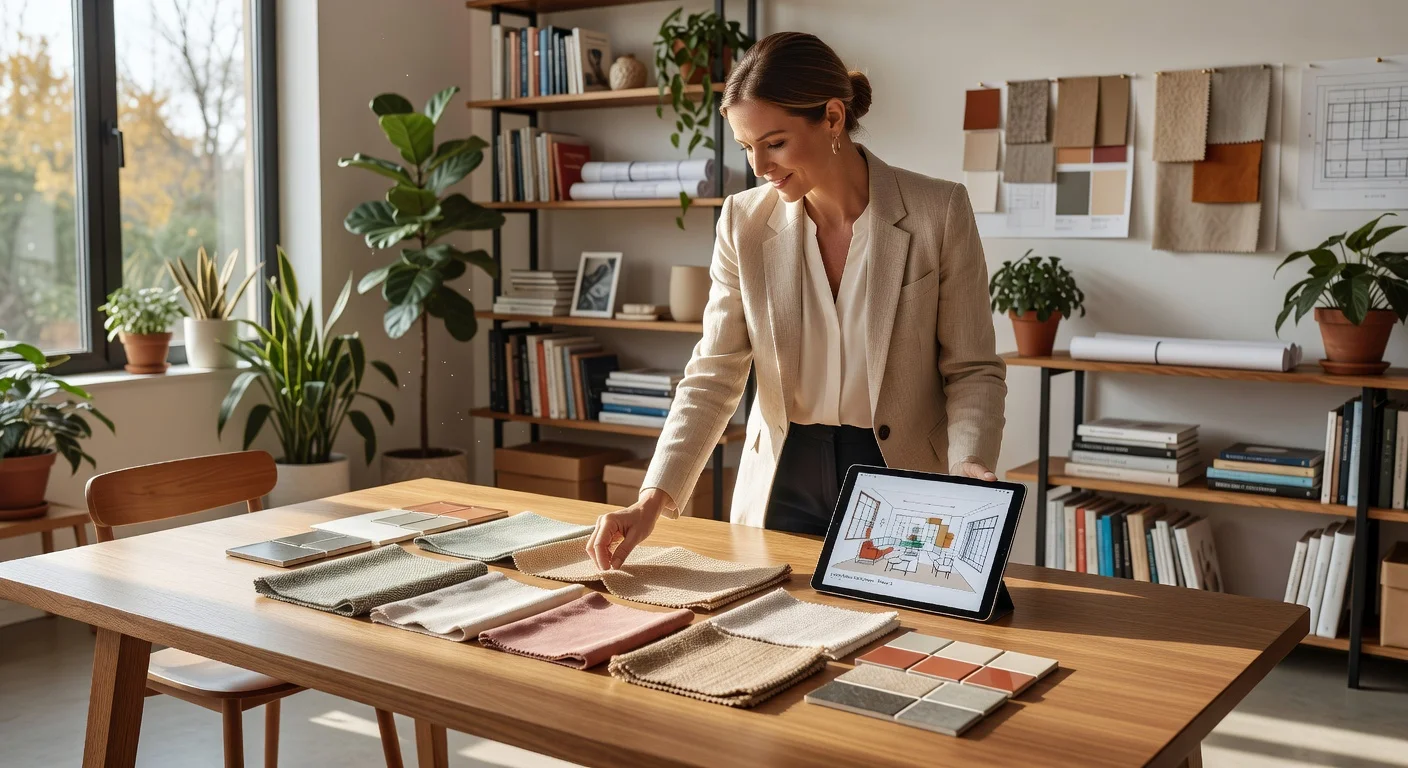
An interior designer near you is a local professional who drafts floor plans, sources materials, and oversees renovation contractors. Unlike remote e-design platforms, local designers handle physical space measurements and troubleshoot construction issues directly on site.
I spent six months comparing every local design firm I could find in my metro area against the newest digital alternatives. Finding reliable interior designers locally requires navigating opaque pricing models, hefty retainers, and long waiting lists.
If you just bought a house in late 2025 or early 2026, you probably have sticker shock from local quotes. So, I am going to break down exactly what you should pay, when to hire locally, and when an app is actually the smarter choice.
How much does a local interior designer cost in 2026?
Expect to pay an average of $6,500 to $12,000 for a multi-room project handled by a mid-level local professional. This fee strictly covers their design time, project management, and floor plans, completely excluding the actual furniture costs.
If you just need a 60-minute walk-through, most designers charge an hourly rate ranging between $150 and $350. You are paying for their immediate expertise and Rolodex of reliable local contractors.
Here are the typical billing models you will encounter locally:
- Flat Fee: A guaranteed price for the design phase (usually starting at $2,000 per room).
- Hourly Billing: Best for small consultations or shopping trips ($150-$350/hour).
- Cost-Plus: You pay the wholesale price of furniture plus a 20% to 35% designer markup.
- Percentage of Project: Common for massive remodels, usually hovering around 10% of total construction costs.
Do designers charge an initial consultation fee?
Yes, about 85% of licensed local pros mandate a $150 to $500 non-refundable site visit fee. This weeds out clients who are just looking for free advice.
During this initial hour, the designer takes preliminary photos and discusses your timeline constraints. According to the American Society of Interior Designers (ASID), this fee is sometimes credited toward your final bill if you sign a full contract.
How do local interior designers differ from remote e-design services?
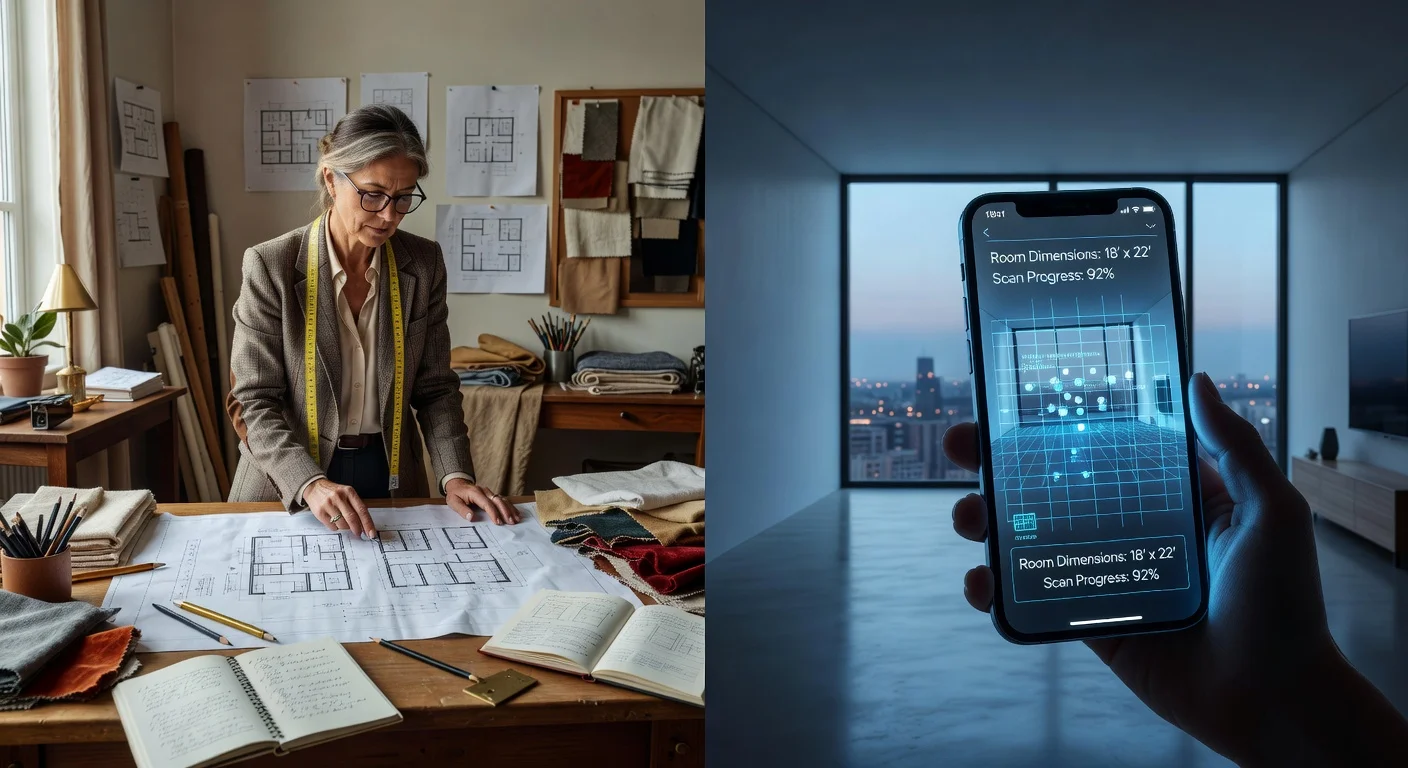
The primary difference between local firms and e-design platforms comes down to project management and contractor oversight. A local professional acts as a project manager, physically checking that the tile guy used the correct grout line.
Online platforms simply hand you a 3D rendering and a shopping list. You are left completely on your own to facilitate the actual labor and order tracking.
How do local pros handle living room space planning?
A local designer will physically measure your layout to ensure a minimum of 36 inches of clearance for standard walkways. Proper living room space planning prevents you from ordering a sectional that blocks your HVAC vents.
They also verify electrical outlet placements. E-design services frequently place lamps in corners where no sockets exist, forcing you to run ugly extension cords across your rugs.
Should I buy items from home decor stores first?
No, buying random pieces before finalizing a spatial plan usually results in costly returns and cluttered layouts. You should finalize your floor plan before setting foot inside local home decor stores.
Designers call these impulsive buys "orphan items" (pieces that look great in a showroom but fail to match anything else in your home). Wait until you have a complete material board before swiping your credit card.
What are the best digital alternatives to local interior designers in 2026?
By mid-to-late 2026, entirely virtual rendering platforms began rapidly replacing preliminary designer consultations for strictly cosmetic updates. If you are simply swapping out floors, buying rugs, or changing wall colors, hiring a human to draft this locally is arguably a waste of money.
If you are just bouncing ideas around, testing styles visually is faster and cheaper than paying $300 an hour for an expert's opinion.
Here is how the current market stacks up based on my own testing:
| Service / Tool | Primary Verdict | Average Cost | Turnaround Time |
|---|---|---|---|
| Local Professional | Best for Structural Work | $5,000 - $15,000+ | 3 - 6 months |
| Havenly (e-Design) | Best for Managed Shopping | $199 - $349 per room | 2 - 4 weeks |
| Renova AI | Easiest to Use | $0 - $15 | 10 seconds |
Can an app actually replace my local designer?
It depends entirely on whether you are moving load-bearing walls or just changing your aesthetic style. If you need to re-route plumbing for a new kitchen island, you must hire a local professional via a directory like Houzz.
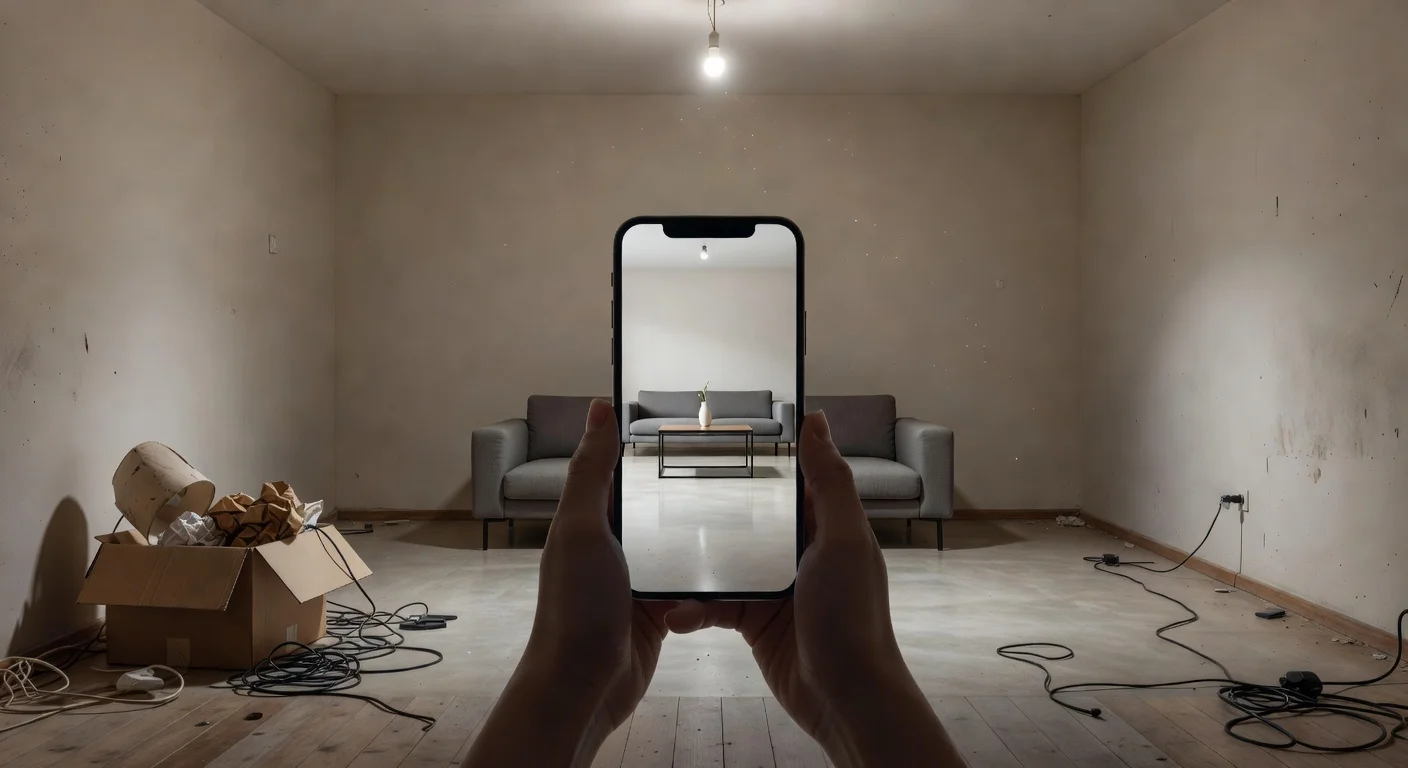
However, if you just want to visualize a new aesthetic concept, I heavily recommend Renova AI. You just snap a photo of your empty or cluttered room, and it completely remodels the space in seconds.
The impressive part is that it offers over 100 selectable designs (like Japandi, Bali, Minimalist, or Farmhouse). You get to skip the awkward back-and-forth emails with a human designer and see your living room instantly transformed.
How does AI handle existing furniture?
Modern AI tools bypass manual editing entirely by digitally painting over your existing clutter and structural elements. With the Renova App, you require literally zero technical skills to mask out objects.
It handles the heavy lifting in the background, allowing you to cycle through an Art Deco or Boho look without scrubbing at your screen. There is absolutely no manual editing required, which is a massive relief if you hate complex software.
What to prepare before your first local consultation
You need to prepare an exact budget number, a Pinterest board of styles you hate, and architectural blueprints if you have them. Knowing what you dislike is often more valuable to a professional than knowing what you like.
Do not try to hide your realistic financial limits. If you only have $15,000 to furnish an entire first floor, tell them immediately so they can advise if your expectations align with reality.
Gather these items before they arrive:
- A folder of inspiration images.
- Blueprints or old Zillow listing floor plans.
- A list of existing furniture you absolutely refuse to part with.
- A strict definition of your timeline (e.g., "Must be done before Thanksgiving").
Do I need to clean before the designer arrives?
No, your designer actually needs to see how your house naturally functions on a messy Tuesday afternoon. If your entryway is constantly overflowing with muddy shoes, they need to see that chaos.
They will design custom drop-zones or mudroom cabinetry to solve the behavioral bottleneck. If you hide the mess, they will design a pristine gallery space that fails to accommodate your actual lifestyle.
Are contractor discounts passed on to the client?
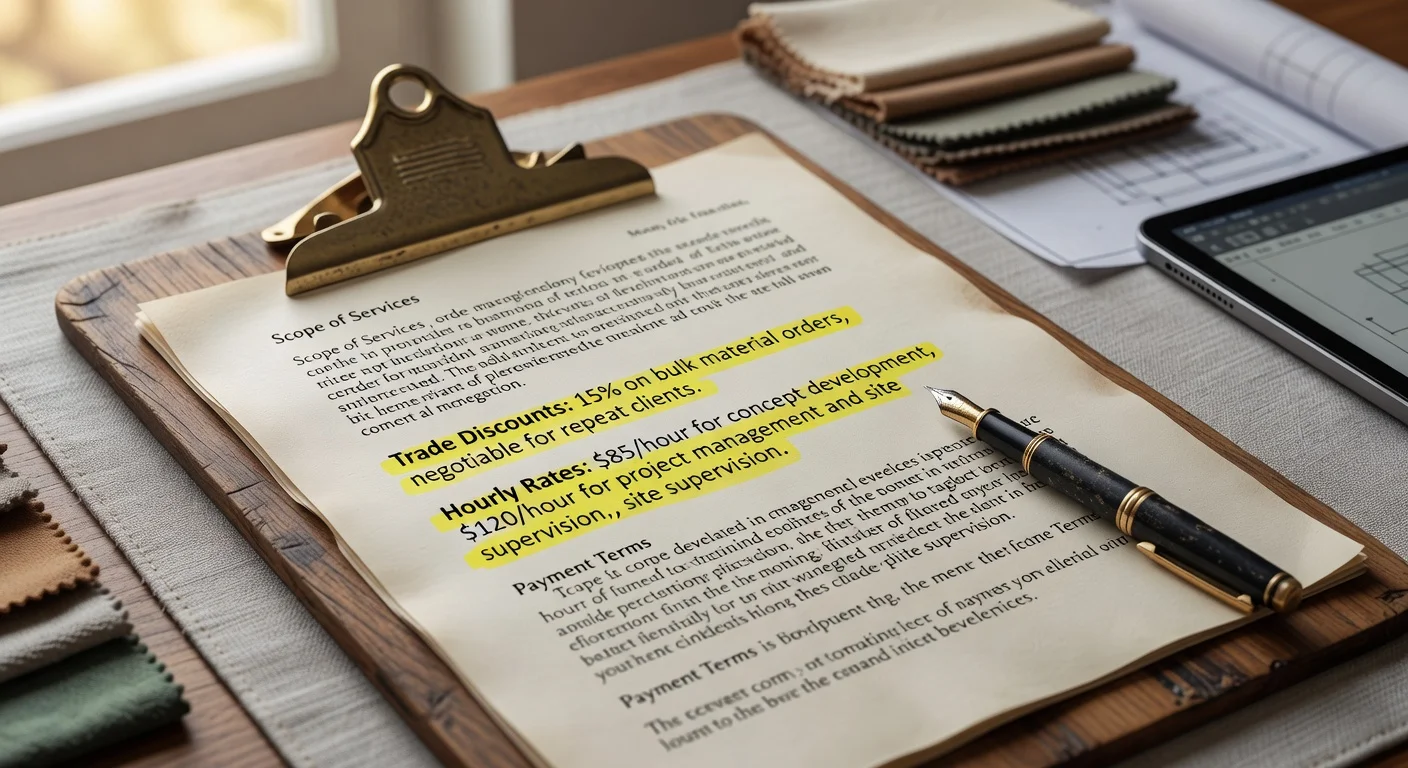
It completely depends on the individual contract structure you sign with the designer. Some designers charge a lower hourly rate but pocket the 20% trade discount they get from furniture vendors as their retail profit margin.
Others pass the full wholesale discount directly to you, but charge a much higher flat processing fee. You need to explicitly ask "How are purchasing markups handled?" during your initial site visit.
How to vet a local designer's portfolio
You must demand to see before-and-after photos of actual completed projects, not just 3D computer renderings. In 2026, anyone can generate a beautiful 3D image, but physically executing that design requires deep local contractor relationships.
Ask to see projects that had a similar budget to yours. If their portfolio consists entirely of $250,000 gut-renovations and you only have $10,000, they are not the right fit for your project.
When to terminate a design contract
You should walk away immediately if a designer repeatedly pushes your budget limits or dismisses your functional requirements. If you ask for stain-resistant fabrics because of your toddler, and they present white silk sofas, they are designing for their portfolio—not your home.
Most contracts stipulate that you can terminate the agreement by paying for the hours billed up to that date. Eat the minor cost early before you end up with a $20,000 living room you are afraid to sit in.
Frequently Asked Questions
How much does a local interior designer cost for one room?
Most local professionals charge between $2,000 and $5,000 in flat fees for a single room, not including the cost of the furniture itself.
Do interior designers offer free consultations?
Rarely. In 2026, about 85% of licensed local designers charge a non-refundable initial site visit fee ranging from $150 to $500.
Can I hire a designer just to pick out paint colors?
Yes, many designers offer hourly consulting at rates of $100 to $300 per hour strictly for color palettes and material selection.
Are local designers cheaper than online services?
No. Local professionals handle site visits and contractor management, making them significantly more expensive than remote e-design platforms.
What is the industry standard markup on furniture?
If your designer buys furniture at a wholesale trade discount, they typically pass on a mark-up of 20% to 35% to cover their procurement time.
Can AI tools replace my local interior designer?
For structural changes like knocking down walls, you absolutely need a human. For visualizing new furniture styles or paint colors, AI tools can do the job in seconds.