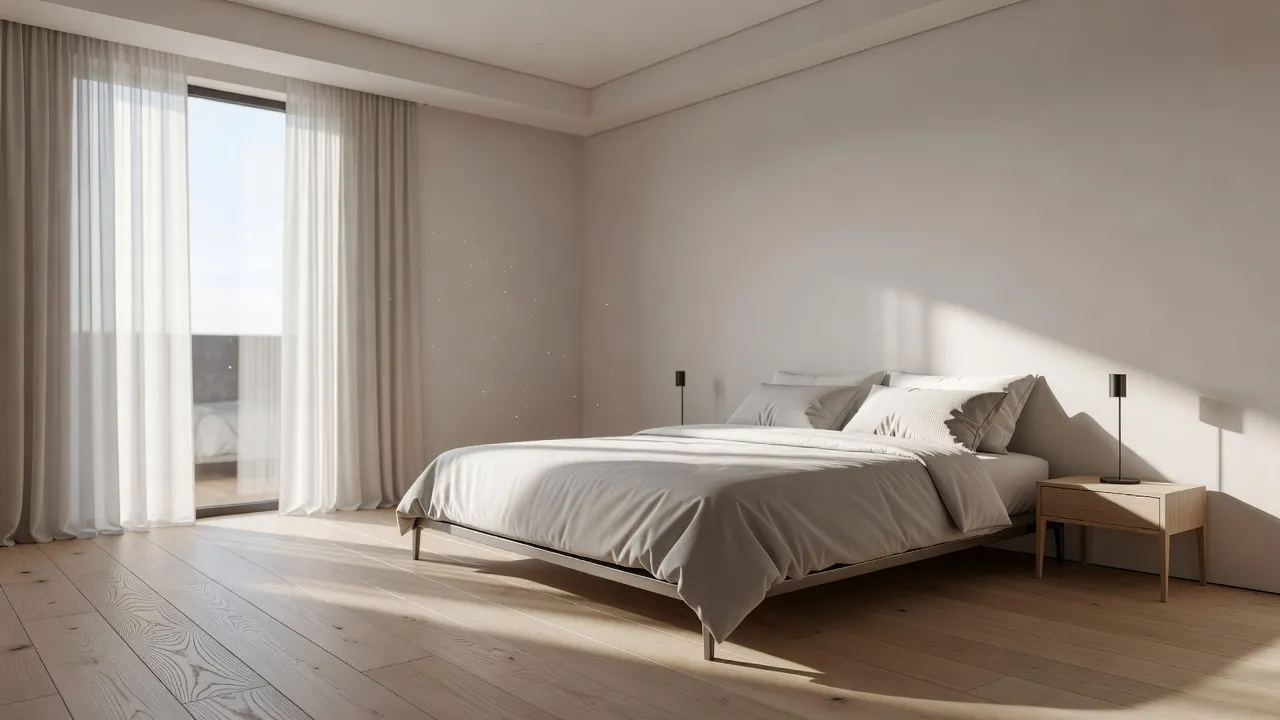
The best bedroom flooring options balance underfoot comfort, acoustic dampening, and long-term durability, with engineered hardwood, plush wool carpet, and luxury vinyl plank (LVP) leading buyer preferences in 2026. Hardwood delivers timeless resale value, carpet offers maximum sound absorption and thermal comfort, and modern LVP provides high wear resistance at a fraction of natural wood's cost. Choosing between them depends on your budget, soundproofing needs, and lifestyle requirements like pet ownership or allergy sensitivity.
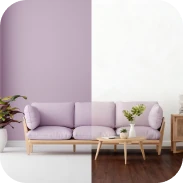
Before ordering boxes of planking or carpet rolls, seeing how a material interacts with your room's natural lighting and wall color saves thousands in returns. Instead of relying on 2-inch physical samples, you can upload a photo to Renova AI to swap floor materials and preview over 100 design styles instantly without manual editing.
What are the most popular bedroom flooring trends: hardwood vs carpet vs luxury vinyl plank?
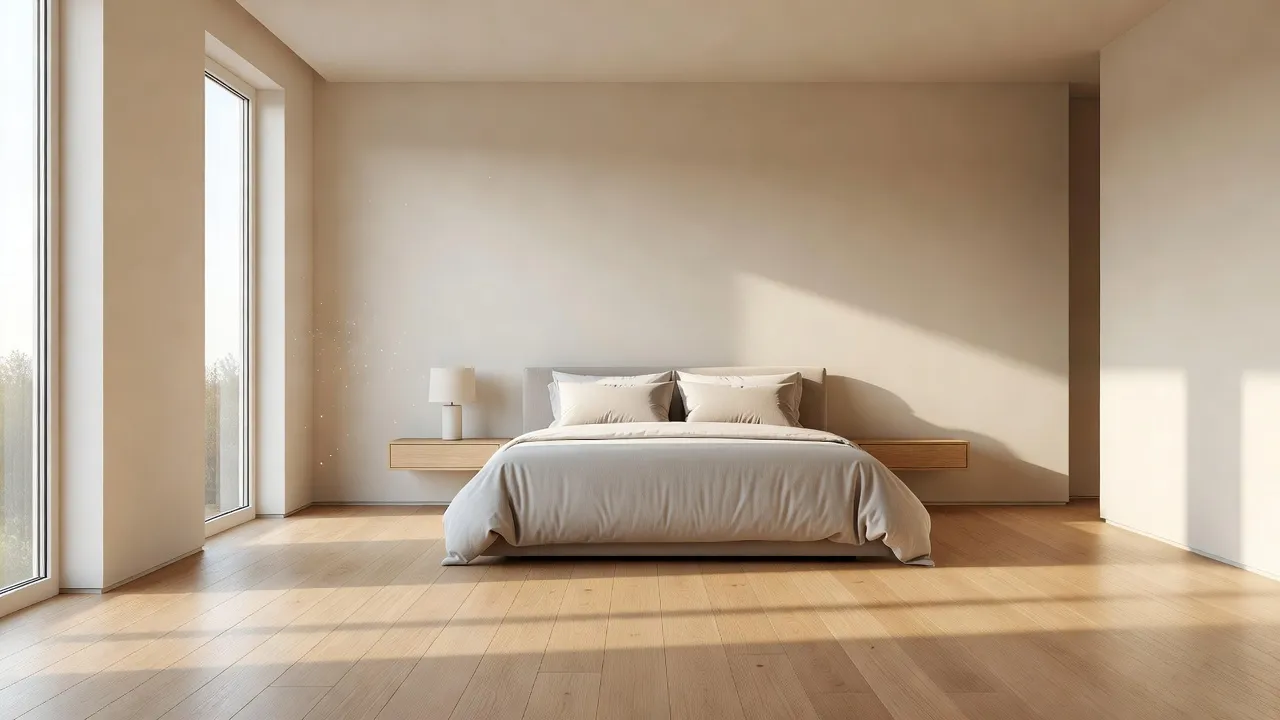
The most popular bedroom flooring choices in 2026 are warm-toned natural wood, ultra-soft low-VOC carpet, and high-definition luxury vinyl plank. Homeowners are increasingly shifting away from cool gray tones toward warmer honey oaks, quiet acoustic underlayments, and eco-friendly raw textures.
Current design shifts highlight specific advantages across the primary three materials:
- Hardwood: Matte white oak and character-grade walnut dominate modern bedrooms. Designers prefer wide planks (6 to 8 inches) finished with low-gloss oil treatments that showcase real grain patterns.
- Carpet: High-pile plush carpet and textured loop Berber in creamy beige, greige, and muted earth tones remain top choices for primary suites. Hypoallergenic wool and recycled nylon fibers lead current sales.
- Luxury Vinyl Plank (LVP): Embossed-in-register (EIR) technology allows 2026 LVP to mimic authentic wood grain down to the microscopic texture. Homeowners favor 8mm to 12mm thickness ratings with integrated acoustic pad backings.
If you are planning updates throughout the house, balancing your bedroom flooring with adjacent spaces like flooring options for kitchens creates seamless visual transitions across hall pathways.
Comparing Bedroom Flooring Options for Real-World Scenarios
Selecting a floor requires matching material traits against daily room demands. The table below outlines how popular options perform across key installation factors.
| Option / Method | Primary Material | Avg. Material Cost (per sq ft) | Acoustic Rating (STC/IIC) | Pain Point / Constraint Removed |
|---|---|---|---|---|
| Renova AI Visualization | Digital AI Preview | N/A (App Visualization) | N/A | Eliminates sample guesswork and manual room rendering before buying materials |
| Engineered Hardwood | Real Wood Veneer + Plywood Core | $6.00 - $14.00 | Moderate (requires underlayment) | Eliminates structural expanding/shrinking issues seen in solid wood |
| Plush Nylon Carpet | Synthetic Fiber + Foam Pad | $3.00 - $7.00 | High (excellent impact dampening) | Eliminates cold floors underfoot and harsh room echo |
| Luxury Vinyl Plank (LVP) | Rigid SPC/WPC Vinyl Core | $2.50 - $6.00 | Moderate to High (with attached pad) | Eliminates moisture worries and surface scratch vulnerabilities |
| Natural Cork Planks | Recycled Cork Oak Bark | $4.50 - $9.00 | Very High (natural sound barrier) | Eliminates joint fatigue and hard surface impact |
Best for High-Traffic Family Bedrooms: Luxury Vinyl Plank (LVP)
Luxury vinyl plank is the most practical choice for busy family bedrooms, guest rooms, and kids' spaces subject to spills, pets, and heavy foot traffic. Its rigid core construction resists dents, scratches, and liquid accidents while requiring minimal maintenance.
What are the pros and cons of vinyl plank flooring in bedrooms?
The main pros of LVP in bedrooms are 100% waterproof protection, high scratch resistance, and lower material costs, while the cons include a firmer feel underfoot and zero boost to home equity. Modern stone plastic composite (SPC) vinyl planks handle active households effortlessly, but they do not match the authentic warmth or resale value of real hardwood.
- Pro: Extreme Durability. A 20mil wear layer protects against claw marks, toy drops, and heavy furniture indentations.
- Pro: Budget Friendly. Quality click-lock LVP ranges between $2.50 and $6.00 per square foot, making it significantly cheaper than solid timber.
- Con: Synthetic Feel. Even high-end LVP can feel cool and rigid unless paired with radiant floor heating or thick area rugs.
- Con: Non-Refinishable. Unlike hardwood, damaged vinyl planks cannot be sanded down; damaged sections must be unclicked and replaced.
If you are renovating lower levels or converted spaces, comparing LVP against options for basement flooring shows why vinyl rigid cores perform so well over concrete subfloors.
Best for Maximum Soundproofing and Comfort: Wall-to-Wall Carpet
Wall-to-wall carpet remains the unrivaled winner for bedroom sound absorption, thermal insulation, and soft comfort underfoot. Soft surfaces soften airborne noise like speech and TVs while deadening footstep vibrations between multi-story levels.
Why choose carpet in the bedroom?
You should choose carpet in the bedroom if your priorities are physical warmth, noise reduction, and safety against slips or falls. Bedrooms are low-traffic, low-moisture zones compared to kitchens or hallways, making them ideal spaces for plush fibers.
- Acoustic Dampening: High-density carpet padding absorbs footfall impact and echo, creating a quiet sleeping environment.
- Thermal Insulation: Fibers trap heat, reducing heating energy demands during cold winter months.
- Safety and Softness: Carpet provides a cushioned landing surface in children's bedrooms or nursery spaces.
- Air Quality Certification: Modern low-VOC carpets certified under the Carpet and Rug Institute Green Label Plus standard ensure low chemical emissions for sensitive sleepers.
Best for Long-Term Home Value: Solid and Engineered Hardwood
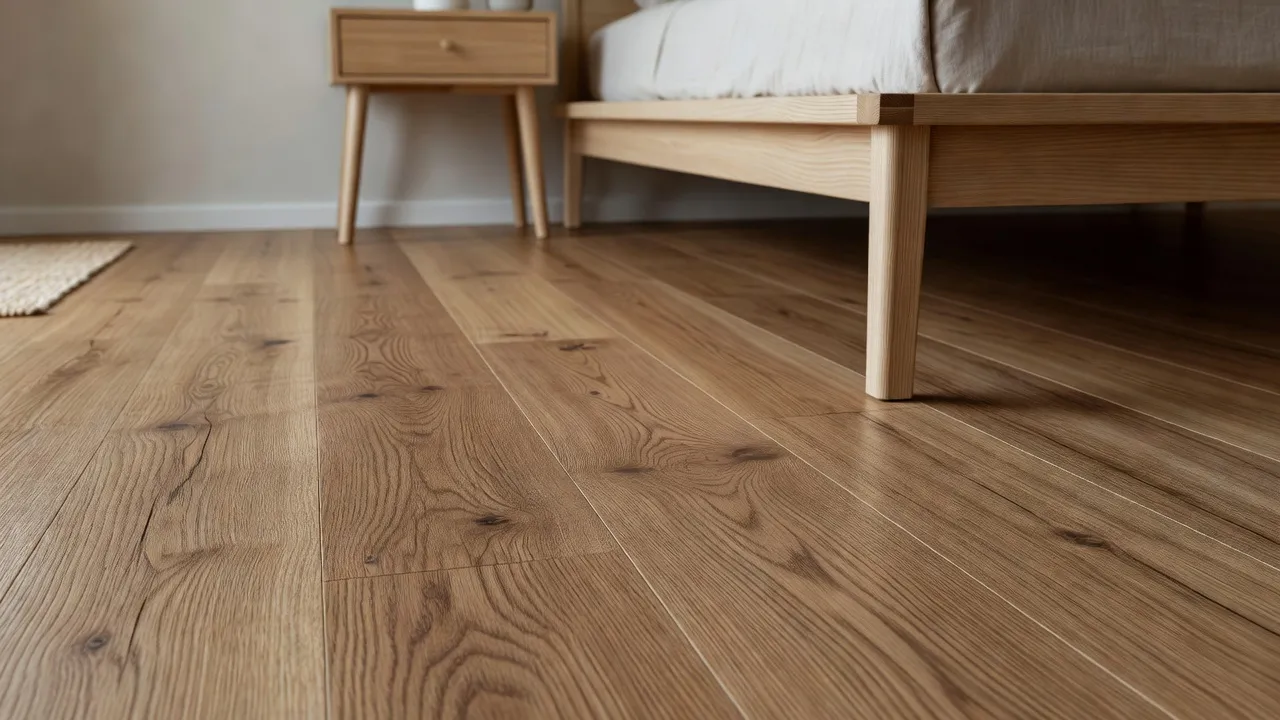
Hardwood flooring provides the highest return on investment of any bedroom surface, boosting property resale value while lasting decades. Authentic timber brings natural variation, warmth, and organic luxury to sleeping quarters.
Engineered hardwood has largely overtaken solid wood for modern installations. Built with a real hardwood top veneer over a multi-layer plywood core, engineered planks resist warping caused by seasonal humidity fluctuations.
- Resale Impact: Buyers consistently list real wood floors as a top feature when shopping for homes.
- Longevity: Quality engineered wood with a 4mm+ wear layer can be sanded and refinished 2 to 3 times over its lifetime.
- Maintenance: Routine sweeping and occasional damp mopping keep sealed wood floors clean without harboring dust mites or pet dander.
To ensure your new wood shade coordinates with current interior palettes, cross-reference your flooring choices with established 2026 home decor trends before committing to a stain color.
Best for Eco-Conscious Homes: Cork and Bamboo Flooring
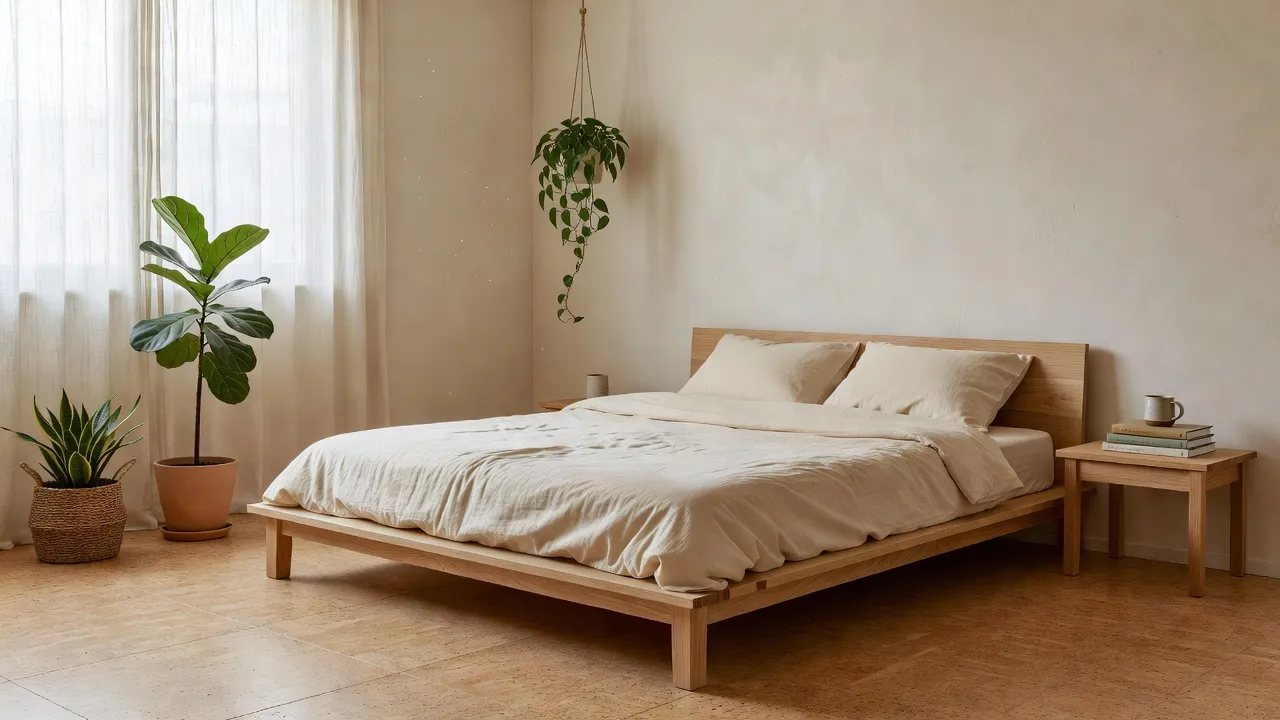
Cork and bamboo offer renewable, eco-friendly bedroom flooring alternatives that deliver impressive acoustic insulation and natural aesthetic appeal. Both materials grow far faster than traditional hardwood trees, reducing deforestation pressure.
How do cork and bamboo flooring compare for bedrooms?
Cork offers superior cushion and soundproofing, while strand-woven bamboo provides exceptional surface hardness and dent resistance. Both qualify as sustainable materials, but their physical performance traits differ significantly under daily use.
- Cork Flooring: Harvested from cork oak bark without harming the tree, cork material contains millions of air cells per cubic inch. This cellular matrix acts as a natural shock absorber and acoustic barrier. It feels soft underfoot but requires periodic sealing to resist moisture.
- Bamboo Flooring: Made from compressed grass stalks, strand-woven bamboo achieves a Janka hardness rating over 3,000 lbf—far harder than red oak or maple. It resists scratches exceptionally well but can suffer structural damage if exposed to standing water or extreme dry spells.
What flooring do experts and interior designers recommend for bedrooms?
Interior designers overwhelmingly recommend engineered hardwood paired with large wool area rugs for primary bedrooms. This layered approach delivers the aesthetic elegance and equity growth of real timber alongside the soft acoustic benefits of rug fibers.
Design experts point to three main layout strategies in 2026:
- The Layered Perimeter: Install wide-plank oak across the full room, then anchor the bed frame with an area rug extending 24 to 36 inches past the bed sides.
- Zoned Sound Control: Use plush carpet in upstairs bedrooms where noise transfers down to living rooms, while keeping hardwood on main-floor suites.
- Color-Matched Cohesion: Match bedroom floor tones with hall corridors to create an expansive, continuous flow throughout the home.
Visualizing these expert layouts in your exact space no longer requires expensive 3D design software. Using the Renova AI app on iOS, you can take a single photo of your bedroom, test wall repaint options alongside new wood or carpet textures, and preview over 100 style combinations instantly.
What are the pros and cons of carpet vs hardwood vs LVP for bedrooms?
Carpet wins on comfort and acoustics but lags in lifespan; hardwood leads in longevity and home value but costs more upfront; LVP balances affordability and durability but lacks natural authenticity. Evaluating all three side-by-side clarifies which material fits your household priorities.
Carpet
- Pros: Softest underfoot, quietest acoustic performance, lowest initial installation cost.
- Cons: Traps allergens, prone to staining, requires replacement every 7 to 10 years.
Hardwood
- Pros: Adds real home equity, lasts 50+ years according to the National Wood Flooring Association, easy to clean.
- Cons: Highest material and labor cost, prone to scratches from pet nails, telegraphs sound downstairs.
Luxury Vinyl Plank (LVP)
- Pros: 100% waterproof, budget-friendly, scratch-resistant surface.
- Cons: Cannot be refinished, can feel hard/cold without underlayment, does not increase home appraisal value.
How to Choose the Right Bedroom Flooring for Your Budget and Lifestyle
To choose the ideal bedroom floor, evaluate your total installed budget, noise sensitivity, maintenance habits, and long-term occupancy plans. Following a structured decision process prevents buyer regret after materials are nailed down or glued.
- Set Your Installed Budget Limit: Factor in subfloor preparation, underlayment padding, trim moulding, and labor alongside square-foot material costs.
- Assess Sound Transfer Needs: If your bedroom sits directly above a living room or home office, prioritize carpet or hardwood with high-density acoustic foam underlayment.
- Factor In Health and Allergies: Asthma or severe dust allergies make hard surfaces like LVP, cork, or hardwood far superior to high-pile carpet.
- Test Lighting and Room Colors: Natural daylight drastically changes how dark walnut stain or light beige carpet looks throughout the day.
Testing style updates using visualizer tools like Renova AI allows you to experiment with Japandi, Minimalist, Boho, or Modern aesthetics in seconds, ensuring your new flooring matches your vision before spending a dollar on construction.
Frequently Asked Questions
What is the most quiet flooring option for a second-story bedroom?
Plush carpet paired with a high-density 7/16-inch urethane memory foam pad is the quietest bedroom floor combination available. If you prefer hard surfaces, cork flooring or LVP with an attached sound-rated acoustic pad (such as acoustic cork or EVA foam) offers the best impact-noise reduction.
Is carpet out of style for master bedrooms in 2026?
No, carpet is not out of style for bedrooms, though preferences have shifted toward neutral low-pile textures, wool loops, and high-end area rugs layered over hardwood. Designers continue using wall-to-wall carpet in sleeping quarters for its comfort and sound-softening qualities.
Can you put luxury vinyl plank over existing bedroom floors?
Yes, click-lock floating LVP can be installed over most flat, clean hard-surface floors, including sheet vinyl, low-profile tile, and original hardwood. However, it cannot be installed directly over existing carpet; carpet and padding must be removed down to the subfloor first.
Which bedroom floor is easiest to keep clean?
Luxury vinyl plank and finished engineered hardwood are the easiest bedroom floors to clean. Both surfaces only require routine sweeping with a microfiber broom and light damp mopping with a manufacturer-approved cleaner, unlike carpet which requires frequent vacuuming and deep steam extraction.
Is cork flooring durable enough for a master bedroom?
Yes, cork is durable enough for master bedrooms because sleeping areas experience relatively low foot traffic and zero outdoor shoe debris. However, heavy bed frames and dressers need wide felt furniture pads beneath their legs to prevent permanent indentations in the cork surface.
What wood floor color makes a small bedroom look larger?
Light-colored wood floors like natural white oak, pale ash, or light maple make small bedrooms feel larger by reflecting more light. Running wide planks parallel to the longest wall or toward the primary window further enhances the visual illusion of space.
How much does it cost to install bedroom flooring on average?
Average total installation costs range from $3 to $7 per square foot for carpet, $4 to $9 for LVP, and $8 to $18 per square foot for engineered or solid hardwood including professional labor. Final costs vary based on room shape, subfloor repair work, and trim replacement.