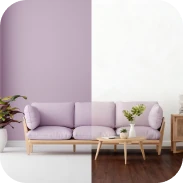
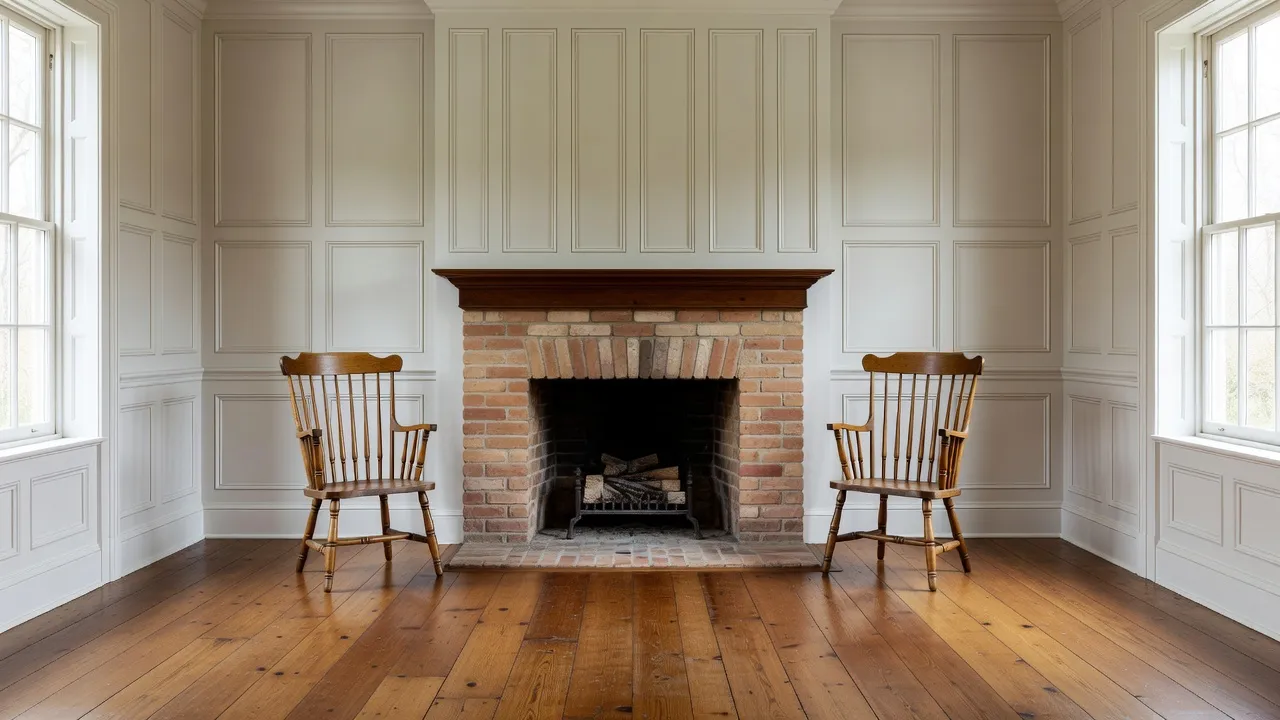
Colonial interior design styles encompass early North American and tropical decorating approaches from the 17th through 19th centuries, defined by architectural woodwork, symmetrical layouts, natural earth tones, and handcrafted timber furniture. Originating from European settlers adapting native materials to regional climates, these styles split into distinct sub-categories including Early American, British Colonial, French Colonial, and Spanish Colonial.
Understanding how these regional sub-styles differ prevents costly decorating missteps when remodeling an older home or updating modern spaces.
What are the primary types of colonial interior design styles?
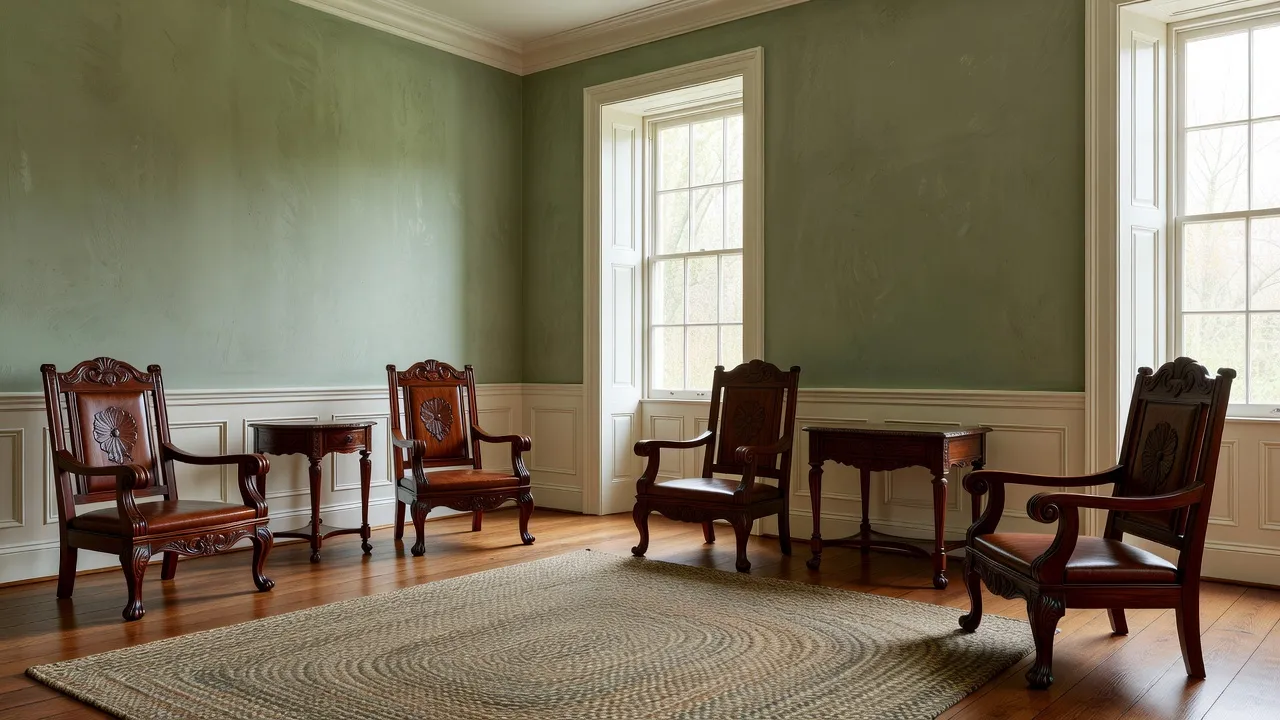
The four primary types of colonial interior design are Early American, British Colonial, Spanish Colonial, and French Colonial, each distinguished by local building materials and climate adaptations. While all colonial variations emphasize symmetry and unpretentious craftsmanship, their color palettes, wood choices, and decorative motifs vary significantly by geographical origin.
According to research published by Encyclopædia Britannica, early colonial style reflects the immediate functional needs of settlers who simplified European traditions using locally abundant timber and stone.
What defines Early American Colonial style?
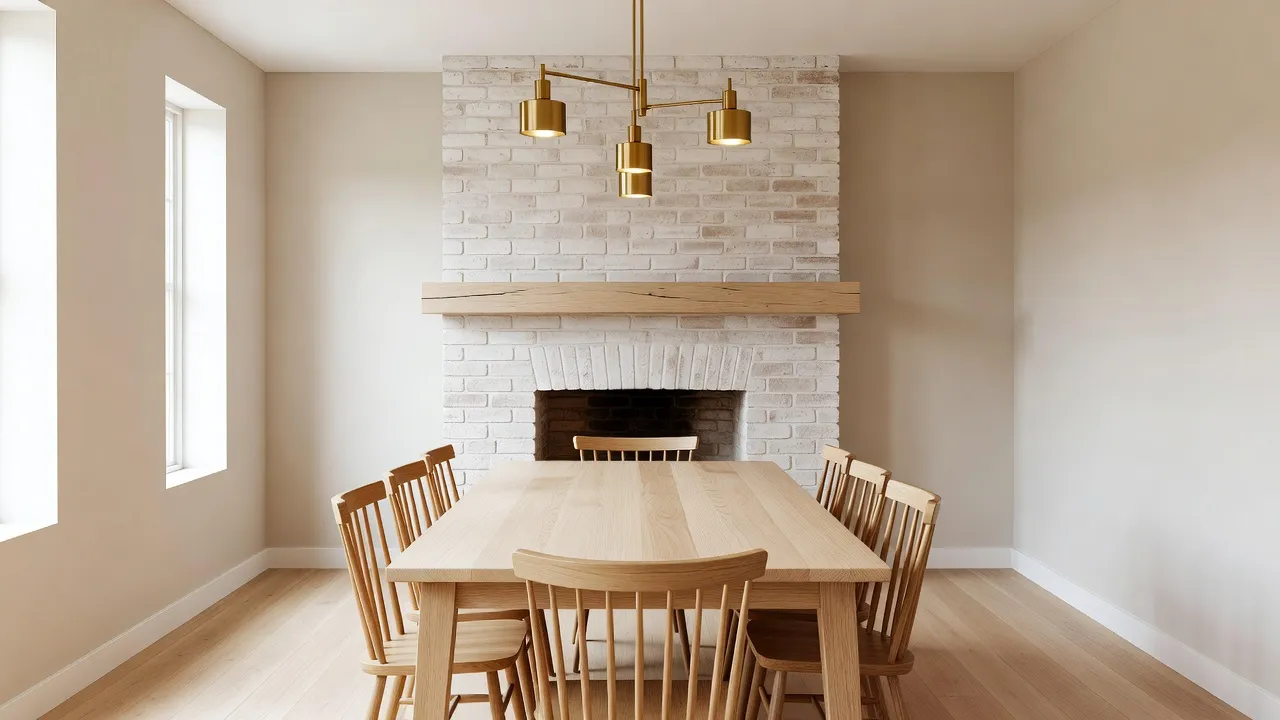
Early American Colonial interior style relies on functional simplicity, exposed timber ceiling beams, wide-plank pine floors, and central brick fireplaces. Settlers in New England built simple interiors meant to withstand harsh winters.
Furniture pieces like Windsor chairs, ladder-back seating, and trestle tables were crafted from local maple, oak, and pine rather than imported mahogany. Decorative accents remained minimal, focusing on pewter tableware, forged iron hardware, and hand-woven wool linens.
How does British Colonial design differ from American Colonial?
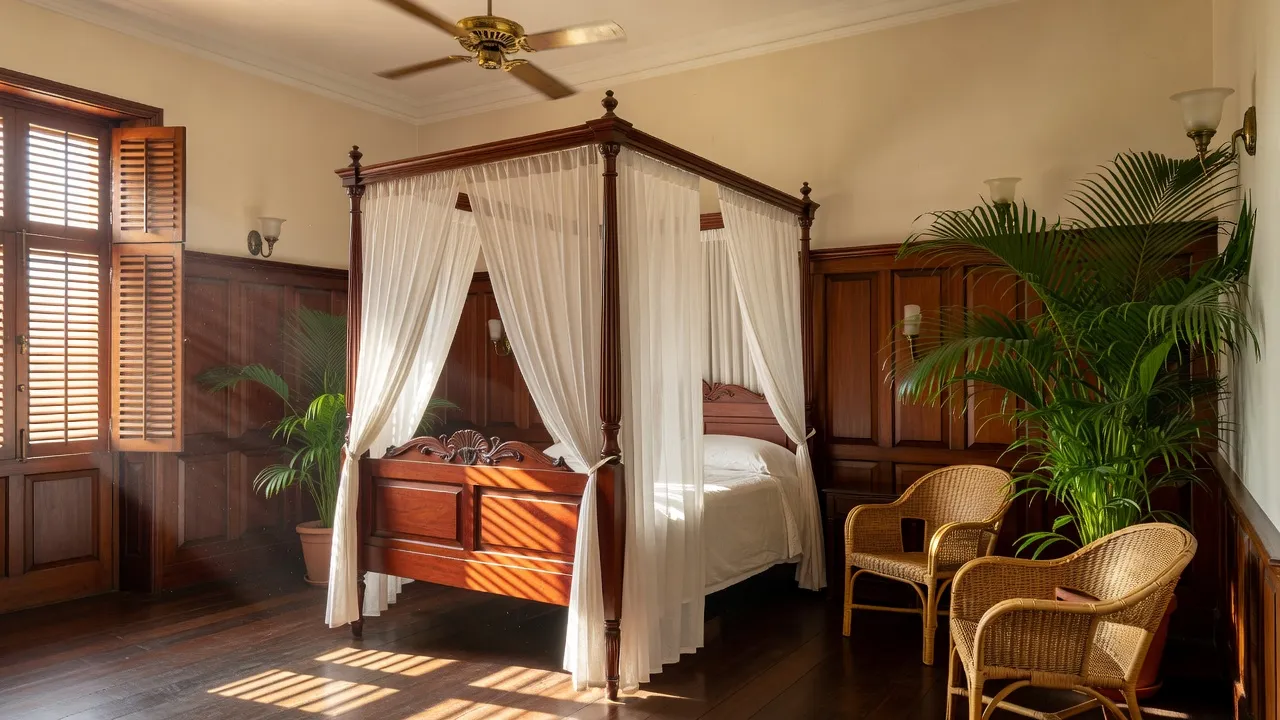
British Colonial design blends formal Victorian furniture shapes with tropical materials like rattan, teak, bamboo, and lightweight cane netting. As British officers traveled through India, the Caribbean, and Southeast Asia, they adapted formal mahogany dining sets to withstand humid equatorial climates.
Walls were typically whitewashed plaster to reflect heat, while windows featured louvered wooden shutters instead of heavy drapes. Rich botanical prints, brass trunks, and woven sea-grass rugs provided contrast against dark wood frames.
What characterizes Spanish and French Colonial interiors?
Spanish Colonial interiors feature thick adobe plaster walls, terracotta tile floors, wrought-iron accents, and exposed ceiling beams called vigas. Originating across the American Southwest and Florida, this style prioritizes cool stone surfaces underfoot and heavy dark walnut or cedar storage chests.
French Colonial interiors, primarily seen in Louisiana and the Mississippi Valley, incorporate tall multi-paned French doors, airy wrap-around balconies, and graceful iron chandeliers. Living rooms in this style emphasize cross-ventilation, soft cotton fabrics, and elevated cabriole-leg tables.
What are the core architectural elements of a colonial home interior?
The core architectural elements of a colonial interior include crown molding, wainscoting, multi-pane sash windows, and symmetrical wall layouts. These features create structural harmony regardless of which regional sub-style you choose.
If you are evaluating structural changes alongside interior styling, exploring established house architecture styles helps ensure your interior moldings align with your home's exterior façade.
Key architectural features found across authentic colonial spaces include:
- Architectural Woodwork: Dado rails, raised paneling, deep baseboards, and fireplace mantels framed by pilasters.
- Historic Color Palettes: Muted earth tones including buttermilk yellow, historic sage, slate blue, and rich brick red.
- Flooring Materials: Broad-plank heart pine, white oak, or hand-painted floorboards layered with woven floor mats.
- Hardware & Fixtures: Hand-forged iron door latches, antique brass rim locks, and pewter wall sconces.
Selecting historic wall colors requires careful attention to natural light. A detailed guide to historic living room wall colors can prevent dark colonial blues from feeling dingy in north-facing rooms.
What do most homeowners get wrong when decorating in colonial style?
The most common mistake homeowners make is treating a colonial interior like a historical museum, filling rooms with dark, heavy furniture that feels claustrophobic. Over-decorating with matching dark mahogany or pine creates a stiff atmosphere that lacks the relaxed comfort required for modern living.
What people frequently get wrong—and what it costs them—comes down to three avoidable missteps:
- Mixing Incompatible Colonial Sub-types: Blending tropical British Colonial cane furniture with rustic New England pine creates visual friction. A New England fireplace mantel clashes directly with Caribbean rattan accents.
- Buying Authentic Antiques Before Planning Layouts: Sourcing 18th-century armoires without measuring room clearance often results in oversized furniture blocking door swings and window light.
- Overspending on Permanent Woodwork Installs: Installing full-wall raised paneling across an entire ground floor can cost between $4,000 and $12,000 before you even verify if the layout suits your lighting.
Testing your room layout virtually before making physical furniture investments prevents expensive structural errors. Utilizing a visualizer tool like Renova AI allows you to preview over 100 selectable design styles—including traditional colonial and modern farmhouse—by uploading a single photo of your space.
How do design visualization methods compare for colonial restorations?
Comparing visualization methods helps homeowners evaluate whether to hire professional design teams or use instant AI spatial rendering. The right path depends on your budget, timeline, and whether you need structural blueprints or quick visual inspiration.
Data compiled by historic preservation archives at Historic New England demonstrates that early American paint layers often contained up to twelve distinct coats of milk paint, showing how frequently historical owners updated their finishes.
| Visualization Method | Best Suited For | Typical Cost | Turnaround Time |
|---|---|---|---|
| Full-Service Interior Designer | Complete historic home restorations requiring custom trim carpentry and structural blueprints. | $5,000 – $25,000+ | 4 to 12 Weeks |
| Renova AI App | Homeowners who want to instantly test colonial wall colors, furniture swaps, and layouts without manual editing. | 3 free renders, then $6.99/wk or $59/yr | Under 10 Seconds |
| Physical Mood Boards & Swatches | DIY decorators who prefer physically tactile fabric samples and paint swatches on drywall. | $50 – $300 | 1 to 2 Weeks |
For those looking to remodel living rooms, kitchens, or bedrooms quickly, the Renova AI App on the App Store lets you execute wall repaints, floor swaps, and complete room redesigns directly from your phone.
How does Colonial design compare to Modern Farmhouse styles?
While both styles feature timber construction and historical origins, Colonial design relies on strict architectural symmetry and dark wood, whereas Modern Farmhouse prioritizes relaxed asymmetry and bright white interiors.
Historically, colonial homes belonged to urban merchants and town residents who imported European trim details. Farmhouses were utility-driven rural structures designed for agriculture.
According to historical architecture records on Wikipedia, the Colonial Revival movement surged in popularity following the 1876 Centennial Exposition, standardizing symmetrical window placement across American suburban housing.
To explore how rural country aesthetic choices differ from formal colonial trim, review our deep-dive guide on farmhouse design.
Key differences include:
- Symmetry: Colonial layouts feature centered doorways and matching flanking windows; farmhouses feature asymmetrical porches and add-on wings.
- Wood Finishes: Colonial uses polished mahogany, cherry, and deep walnut; farmhouse relies on reclaimed barn wood and wire-brushed oak.
- Color Palettes: Colonial embraces saturated muted tones like mustard and navy; farmhouse stays focused on monochromatic whites and cool greys.
How can you adapt modern colonial design for 2026 living?
To update colonial design for modern living, pair historical architectural details like wainscoting with lighter wood tones, minimalist lighting fixtures, and contemporary upholstery. Modern colonial design strips away heavy window drapery to let natural light showcase structural woodwork.
As of October 2026, interior trends favor mixing historical architectural trim with lighter oak flooring choices rather than traditional dark mahogany stains.
Here is how to modernize colonial spaces in your home:
- Lighten the Flooring: Replace dark stained pine with natural matte oak or light wide-plank timber. Explore updated bedroom flooring ideas to balance traditional furniture with airier ground surfaces.
- Update Paint Profiles: Use historic colors as accent shades on kitchen cabinetry or interior doors while keeping main walls warm cream or soft off-white.
- Streamline Lighting: Swap ornate brass candle chandeliers for clean-lined black iron lanterns or brass sphere pendants.
- Mix Furniture Eras: Pair a classic 18th-century Chippendale sideboard with contemporary linen-upholstered sofas to keep the living room feeling casual.
If you are unsure whether dark walnut trim or painted white wainscoting suits your current room layout, generating instant visual previews with Renova AI allows you to test custom change prompts—such as swapping flooring or repainting walls—before buying supplies.
Frequently Asked Questions
What color palette is used in colonial interior design?
Colonial color palettes consist of historical earth tones, including sage green, mustard yellow, brick red, slate blue, ochre, buttermilk yellow, and soft plaster white.
What is the difference between Early American Colonial and British Colonial style?
Early American Colonial style uses local New England woods like pine and oak for rustic, cold-weather comfort. British Colonial style incorporates tropical materials like rattan, teak, and cane netting suited for hot climates.
What type of furniture is typical in colonial interiors?
Typical colonial furniture includes Windsor chairs, wingback armchairs, ladder-back seating, gate-leg tables, four-poster beds, and hand-carved chests made from mahogany, walnut, cherry, or maple.
Can you mix modern furniture with colonial architectural details?
Yes, pairing modern low-profile sofas and minimal lighting with traditional colonial wainscoting, crown molding, and brick fireplaces creates a popular design style known as Modern Colonial.
What flooring materials were originally used in colonial homes?
Original colonial homes used broad wide-plank heart pine, native white oak, polished brick hearths, and handmade terracotta tiles depending on the region.
How do I make my colonial interior look bright rather than dark?
Brighten a colonial home by painting wall paneling warm off-white, removing heavy velvet drapery in favor of light linen shades, and choosing lighter timber stains for flooring.
Is colonial interior design expensive to recreate?
Recreating true colonial interiors with authentic antiques and custom trim can be costly, but modern paint finishes, reproduction Windsor chairs, and strategic wainscoting offer affordable alternatives.