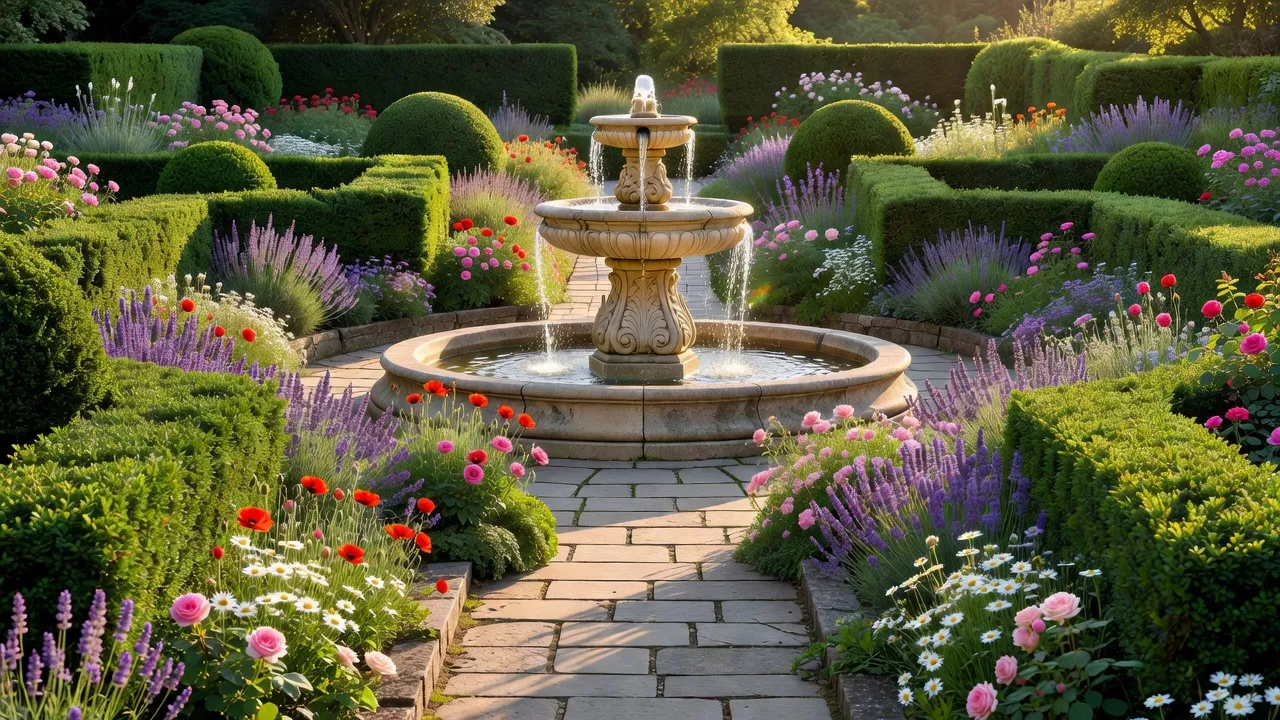
A magnificent garden is a deliberately designed outdoor landscape built around layered vegetation, clear structural focal points, precise spatial proportions, and cohesive architectural hardscaping. It balances permanent structure like stone paving, retaining walls, or pergolas with dynamic seasonal planting to create depth across every month of the year. Achieving this outcome requires aligning your layout with your property's specific microclimate, soil quality, and drainage profile rather than scattering uncoordinated plants across a lawn.
To build a truly striking landscape, homeowners usually hit a wall when trying to visualize how high-end design principles fit their specific yard layout. Using digital layout visualizers can eliminate expensive mistakes before breaking ground. Tools like Renova AI allow you to take a photo of your current yard and instantly render complete exterior styles, from structured formal gardens to tropical Bali retreats, without touching a shovel.
Transforming a blank outdoor space into a magnificent garden comes down to executing the right design strategy for your specific plot layout and lifestyle limits. Below are five distinct garden scenarios, detailing what each setup requires, what rules out certain options, and how to execute the transformation efficiently.
What makes a garden look magnificent?
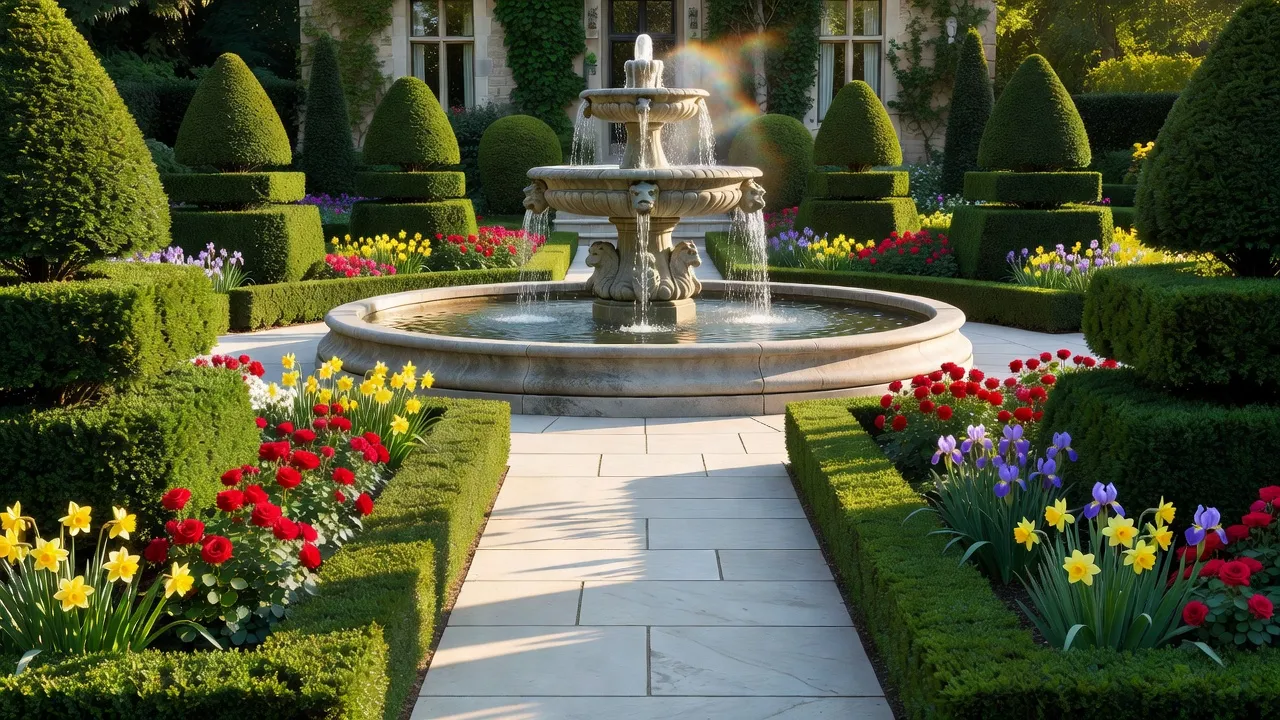
A garden looks magnificent when it incorporates three core design elements: visual depth through vertical layering, defined spatial zones, and year-round hardscape structure. Without an underlying framework, plant collections quickly turn into cluttered foliage that looks untidy during winter months.
To achieve an elevated landscape aesthetics, professional designers rely on three structural pillars:
- Vertical Layering: Plantings are organized by height, placing tall canopy trees at the back, mid-sized flowering shrubs in the middle, and low groundcovers along edge borders.
- Focal Anchor Points: Features such as a stone water fountain, an oak pergola, or a specimen Japanese Maple pull the eye directly through the space.
- Hardscape Balance: Paved walkways, retaining stone walls, and gravel paths define distinct geometric lines, giving plants a clear boundary to spill over.
According to the Royal Horticultural Society, establishing an underlying framework of structural hardscape and evergreen hedging ensures the garden retains visual interest even when deciduous perennials die back in cold weather.
5 Practical Scenarios for Designing a Magnificent Garden
Scenario 1: Best for Sloped Yards – The Terraced Stone Landscape
Sloped properties require stone terrace walls and deep-rooted retaining plants to control erosion while building striking elevated planting beds. Left unmanaged, sloped yards suffer from swift water runoff and topsoil depletion, making standard grass lawns difficult to maintain.
Building timber or natural fieldstone terraces transforms an unusable hill into cascading planting zones. Each level provides a flat plane for distinct plant combinations, such as trailing creeping thyme along stone edges or dwarf conifers for year-round color.
- Primary Constraint: High initial labor costs for grading and structural wall support.
- Best Plant Choices: Russian sage, creeping phlox, juniper groundcovers, and ornamental grasses.
- Key Advantage: Creates immediate drama and geometric depth that flat yards cannot easily replicate.
If your hill gets full sun, terraced beds trap heat against stone walls, making this layout ideal for heat-tolerant drought-resistant perennials.
Scenario 2: Best for High-Sun Suburban Backyards – The Bali & Tropical Oasis
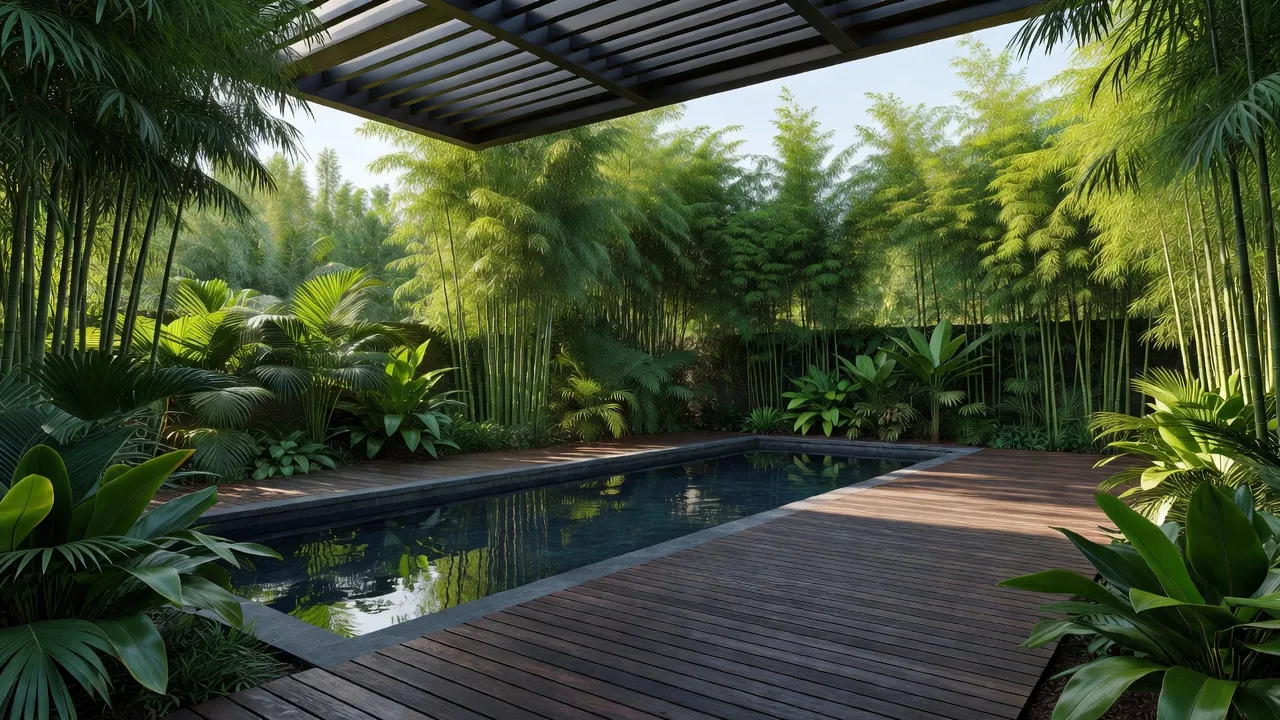
A tropical oasis garden thrives in high-sun suburban environments by pairing broad-leafed foliage with shaded pergolas and natural water features. Suburban backyards often feel exposed to neighboring windows, making tall tropical bamboo screen hedges and high-canopy palms an effective solution for total privacy.
This scenario relies on high-texture foliage combinations over soft floral blossoms. Pairing oversized banana trees or cold-hardy windproof palms with dark hardwood decking turns an open grass lawn into a secluded resort-style courtyard.
Before committing to expensive tropical specimens, home remodelers often test visual themes to see how dense privacy borders impact overall yard space. You can snap a photo of your backyard and run it through the Renova AI iOS App to preview a Bali or Mediterranean layout with customized spatial borders before buying mature palms.
- Primary Constraint: Tropical plants are extremely sensitive to cold climates, ruling them out for zones below USDA Zone 7.
- Best Plant Choices: Windmill palms, elephant ears, cold-hardy bamboo, and bird of paradise.
- Key Advantage: Dense foliage acts as an active sound barrier and visual privacy wall against neighbors.
If you are upgrading your home's exterior appeal alongside your garden, combining a new plant layout with a fresh structural facade creates immediate value. You can explore how plant choices frame your home's exterior architecture by reviewing our guide on landscape for curb appeal.
Scenario 3: Best for Low-Maintenance Structure – The Formal French Parterre
Formal parterre gardens use crisp boxwood hedges, gravel pathways, and geometric symmetry to maintain a neat appearance with minimal seasonal clean-up. If you lack the time for constant deadheading, weeding, and annual replanting, a formal evergreen framework keeps the yard structured every season.
Parterre layouts isolate plantings inside neat evergreen borders. The spaces between beds are filled with light-colored crushed pea gravel or slate chips, reducing weed growth and completely eliminating lawn mowing requirements.
- Primary Constraint: Requires precise hedging twice a year to keep geometric lines clean.
- Best Plant Choices: Wintergreen boxwoods, English lavender, dwarf Yew, and symmetrical bay laurel topiary.
- Key Advantage: Completely eliminates grass cutting and stays green through winter snow.
Data from the USDA Plant Hardiness Resource Center emphasizes choosing evergreen varieties rated two zones colder than your local environment to avoid winter burn on formal hedging lines.
Scenario 4: Best for Pollinators and Wildlife – The Structured Cottage Garden
A structured cottage garden pairs native nectar flowers with clean flagstone paths to feed local wildlife without looking overgrown. Unstructured wildflower gardens often look unkept after summer bloom cycles peak, leading to neighbor complaints or municipal ordinances.
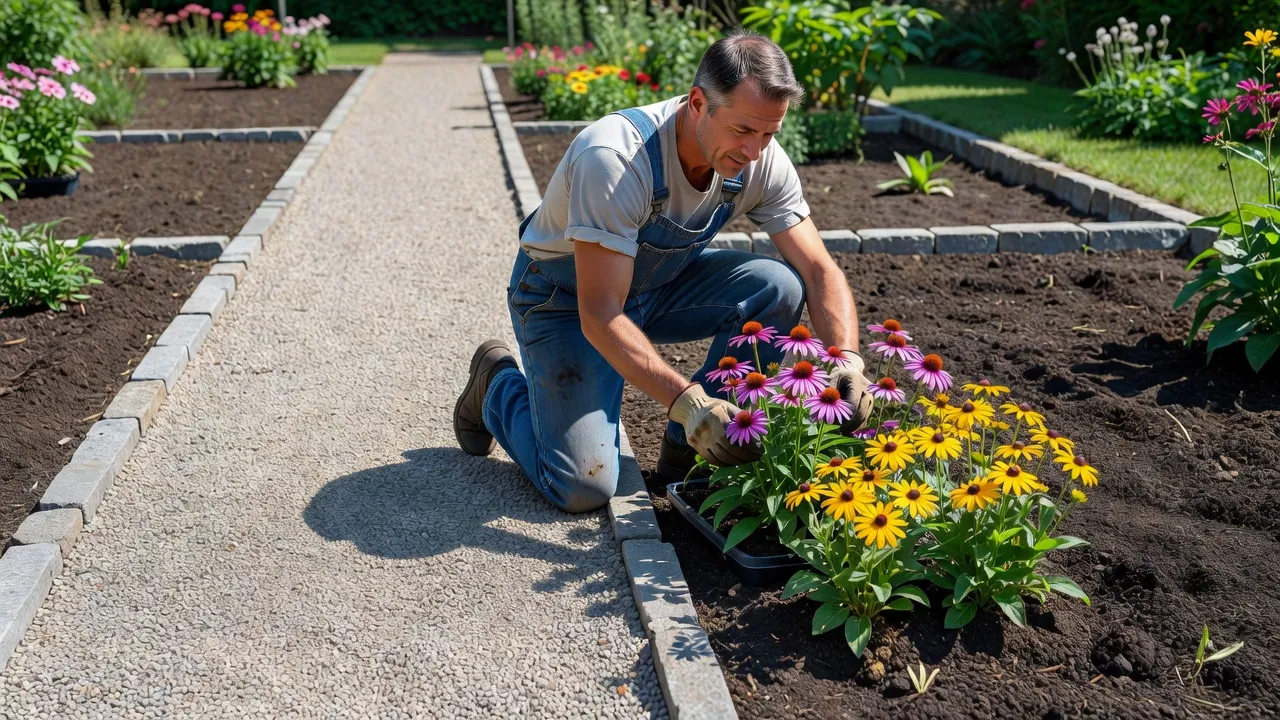
The solution is anchoring loose, free-flowing perennial blooms inside rigid architectural boundaries. Using wide blue slate stone pathways, brick borders, and white timber obelisks gives tall, leaning flowers a clear framework to lean against.
- Primary Constraint: Requires cutting back dead stalks in late autumn and splitting perennial bulbs every few years.
- Best Plant Choices: Coneflowers, purple salvia, milkweed, lavender, and climbing roses.
- Key Advantage: Attracts native bees, hummingbirds, and butterflies throughout spring and summer.
If you are planning a habitat garden aimed specifically at native pollinators, explore our step-by-step layout breakdown for a butterfly garden design plan to pick the right nectar host plants.
Scenario 5: Best for Small Urban Courtyards – Vertical Espalier and Layered Patios
Small urban courtyards maximize spatial volume by training fruit trees along vertical walls and using multi-tiered stone containers. When ground square footage is tight, pushing vegetation upward onto masonry walls creates a lush garden feeling without taking up patio seating space.
Espalier is the practice of training fruit trees or flowering vines to grow flat against a wall or wooden trellis. This technique delivers high visual impact and real fruit yields in footprints under three feet deep.
- Primary Constraint: Limited soil depth requires drip irrigation systems for wall containers.
- Best Plant Choices: Espaliered apple trees, star jasmine, climbing hydrangeas, and dwarf citrus trees.
- Key Advantage: Turns bare concrete walls into living green art while preserving floor space for outdoor furniture.
Urban properties benefit significantly from digital planning tools before installing expensive structural trellises. For smaller outdoor footprints, applying concepts from ai room design helps balance physical furniture dimensions with vertical planting zones.
Comparing Garden Scenarios: Cost, Requirements, and Fitness
Selecting the right garden direction depends entirely on your yard's slope, available sun exposure, and long-term maintenance limits. The table below outlines how these five magnificent garden styles compare across practical requirements as of August 2026 pricing.
| Garden Scenario | Primary Material & Plant Needs | Estimated Cost Floor (2026 Prices) | What Rules This Option Out? |
|---|---|---|---|
| 1. Sloped Terraced Landscape | Retaining wall stone, drainage gravel, deep-root groundcovers | $8,000 – $22,000 | Flat yards or low budgets unable to handle hardscape masonry costs. |
| 2. AI-Visualized Renova Layouts | App photo render, targeted plant buy, direct DIY placement | $0 – $150 (App subscription + DIY plants) | Users wanting full hands-off physical installation by contractors. |
| 3. Tropical Suburban Oasis | Timber decking, cold-hardy palms, water pump feature, stone gravel | $4,500 – $14,000 | USDA Hardiness Zones below 7 where severe frost kills tropical foliage. |
| 4. Formal French Parterre | Dwarf boxwoods, crushed pea gravel, central stone urn or fountain | $3,000 – $9,500 | Gardeners who dislike strict pruning and symmetrical geometric lines. |
| 5. Structured Cottage Layout | Flagstone path pavers, timber obelisks, native perennial blub collection | $1,500 – $5,000 | Homeowners wanting zero plant pruning or mid-season flower maintenance. |
How to Plan Your Garden Transformation Step-by-Step
Planning a garden transformation requires mapping sun patterns, testing soil pH, establishing hardscape foundations, and planting from largest specimen to smallest groundcover. Skipping site evaluation leads to plant loss and costly layout revisions later.
Follow these five practical steps to execute your design:
- Map Sun and Shade Cycles: Record how sunlight hits your property at 9 AM, 1 PM, and 5 PM. Full sun requires six or more hours of direct light; shade plants will scorch under those conditions.
- Define Hardscape Boundaries First: Install retaining walls, stone paths, patio pavers, and irrigation lines before bringing in plant nursery stock. Heavy equipment will ruin freshly planted soil beds.
- Establish Evergreen Foundations: Plant your main structural trees, evergreen hedges, and background shrubs first to establish permanent spatial lines.
- Layer Mid-Level Perennials and Grasses: Fill inner bed areas with flowering shrubs and perennial clusters in groups of three or five for natural visual impact.
- Finish with Groundcovers and Mulch: Apply a 3-inch layer of organic bark mulch over bare soil to suppress weeds, retain groundwater, and regulate root temperatures.
Frequently Asked Questions
What is the most low-maintenance style for a magnificent garden?
A formal French parterre or Japanese gravel garden is the most low-maintenance option. These designs rely heavily on gravel pathways, evergreen topiary, and hardscape stone features, eliminating large lawns that require weekly mowing and frequent seasonal replanting.
How much does it cost to build a magnificent garden from scratch?
As of August 2026, a professionally designed residential garden costs between $3,000 for simple plant bed installation up to $25,000+ for terraced sloped yards with retaining stone walls, automated drip irrigation, and mature trees. Doing layout planning digitally saves significant contractor design fees.
How do I pick the best plants for my garden zone?
Check your property's rating on the USDA Plant Hardiness Zone map before buying nursery stock. Always choose perennial plants, trees, and evergreen shrubs rated for your specific zone or colder to ensure they survive winter freeze cycles.
Can I design a high-end garden in a small space?
Yes, small courtyards and narrow backyards can look incredible by using vertical planting strategies. Use espalier fruit trees along exterior walls, hanging planters, and multi-tiered raised stone beds to maximize plant volume without sacrificing ground floor patio space.
Should I install hardscaping or softscaping first?
Hardscaping must always be installed first. Heavy machinery, gravel deliveries, and stone masonry work can compact soil and destroy softscape foliage if plants are installed before structural construction finishes.
How can I visualize how a garden style looks on my yard before buying plants?
You can take a photo of your current yard and use AI visualization apps like Renova AI to render full landscape redesigns in styles like Minimalist, Modern, or Bali without manually drawing plans or buying expensive stock photos.