

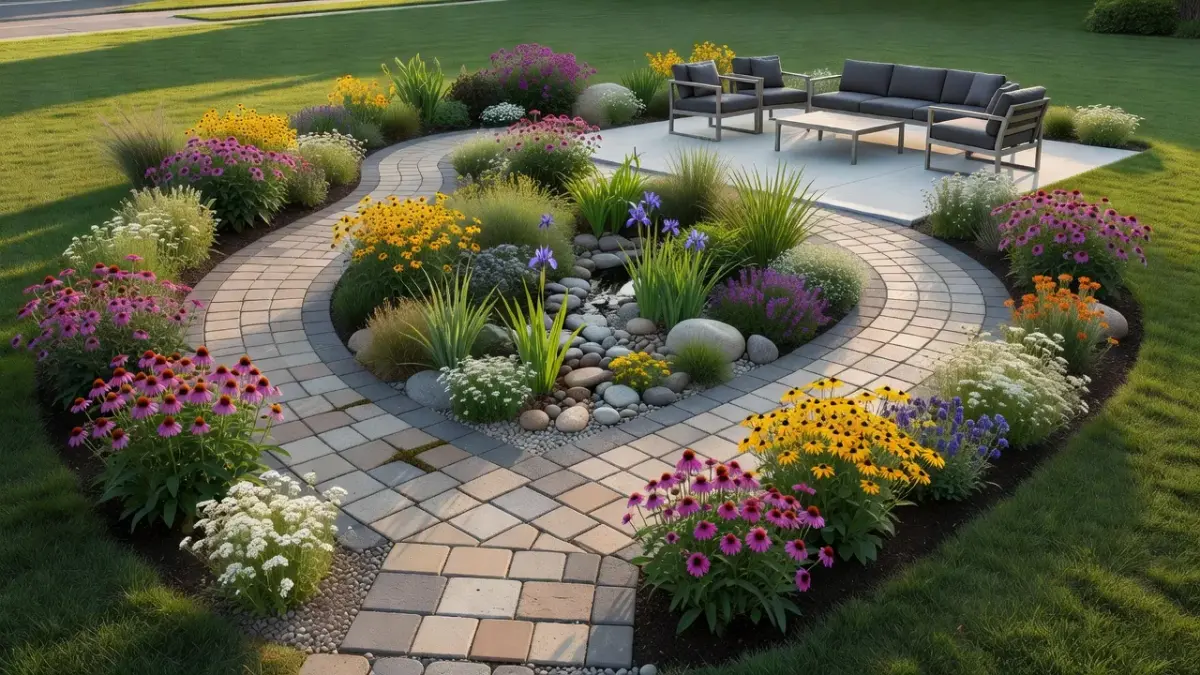
The most effective garden features in 2026 combine ecological utility with outdoor living space, led by native pollinator beds, permeable paving, rain gardens, and waterwise xeriscaping. These functional additions manage stormwater, cut municipal water bills, and expand usable residential square footage. Before digging trenches or ordering materials, visual planning prevents costly structural mistakes. The Renova AI iPhone app lets you photograph your existing yard and generate instant garden redesigns without manual editing.
Ranking the top garden features for 2026
Selecting the right garden feature depends on your yard's soil composition, sun exposure, and municipal regulations. The table below ranks the most popular additions by installation cost, ongoing maintenance demands, and key structural site requirements.
| Rank | Garden Feature | Average Cost (Installed) | Maintenance Level | Disqualifying Site Requirements |
|---|---|---|---|---|
| 1 | Native Pollinator Beds | $5 - $15 / sq ft | Low | Heavy soil compaction without deep aeration |
| 2 | Renova AI Yard Visualizer | Free (3 renders), then $59/yr | Minimal | Non-iOS devices or missing yard photos |
| 3 | Rain Gardens | $12 - $25 / sq ft | Low-Moderate | High water table within 2 feet of surface |
| 4 | Permeable Paver Patio | $18 - $35 / sq ft | Moderate | Slope greater than 15 percent grade |
| 5 | Edible Landscaping Beds | $10 - $30 / sq ft | Moderate-High | Less than 6 hours of direct daily sunlight |
| 6 | Xeriscape & Gravel Beds | $6 - $18 / sq ft | Very Low | Poorly draining low spots prone to pooling |
| 7 | Covered Garden Room & Kitchen | $150 - $450 / sq ft | High | Property setback violations under local code |
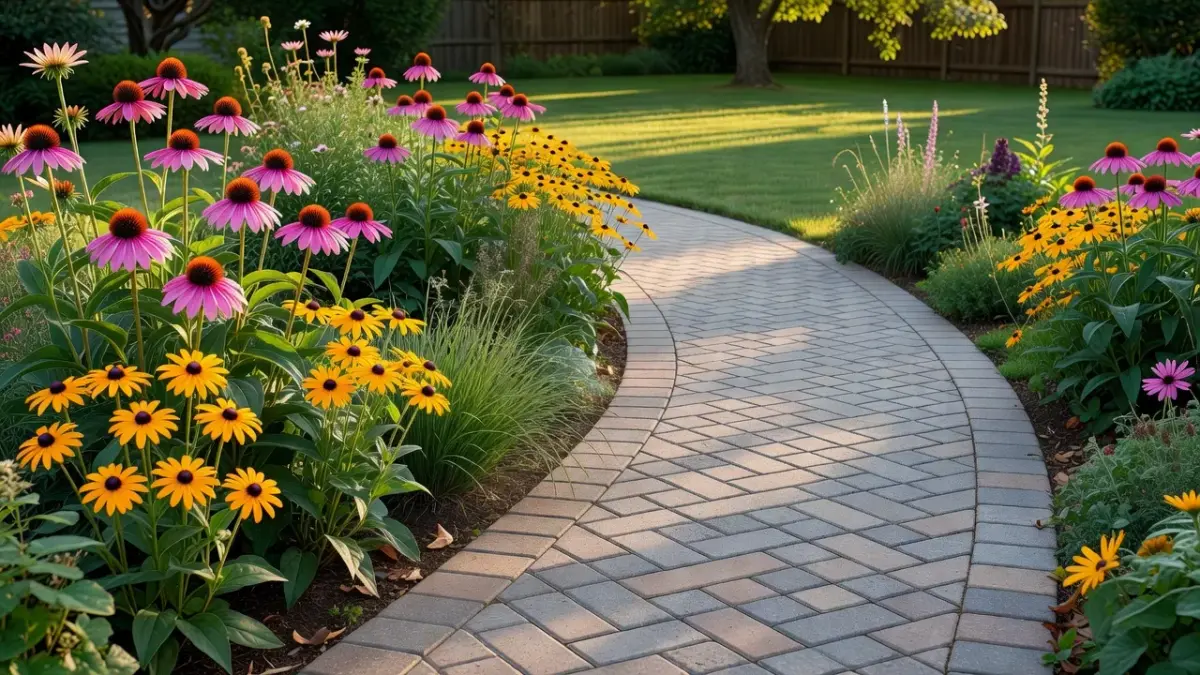
Which native plants and pollinator garden features do designers recommend in 2026?
Designers in 2026 recommend multi-tiered native plant beds that include perennial bloomers, native bunchgrasses, and specialized host species like milkweed. These plantings support local ecosystems while drastically reducing the need for chemical fertilizers or supplemental irrigation once established.
Native pollinator gardens work best when planted in dense, multi-layered drifts rather than isolated individual specimens. According to ecological planting guidelines from the Lady Bird Johnson Wildflower Center, grouping at least three to five plants of the same species together creates a clearer visual signal for bees, butterflies, and beneficial birds.
What limits prevent native pollinator beds from thriving?
High soil compaction and residual lawn herbicides are the primary limits that cause native bed failures. If your soil is heavily compacted clay from recent home construction, native deep-rooted perennials like wild indigo or coneflowers cannot establish taproots.
You must break up the top 8 to 12 inches of compacted dirt and mix in coarse organic compost before planting. If you want to incorporate sensory textures alongside pollinator blooms, review our sensory garden design guide for specific plant pairing ideas.
What are the best native plant species for full sun versus shade?
Full-sun sites require drought-hardy species like purple coneflower, black-eyed Susan, and bluestem grass, while shaded yards need foamflower and coral bells. Sun-loving native species require a minimum of six hours of unshaded daylight to produce full flower heads.
Shaded zones beneath mature tree canopies struggle with heavy flowering species. In those spots, focus on native ferns, wild ginger, and sedges that provide rich foliage texture without demanding direct sunlight.
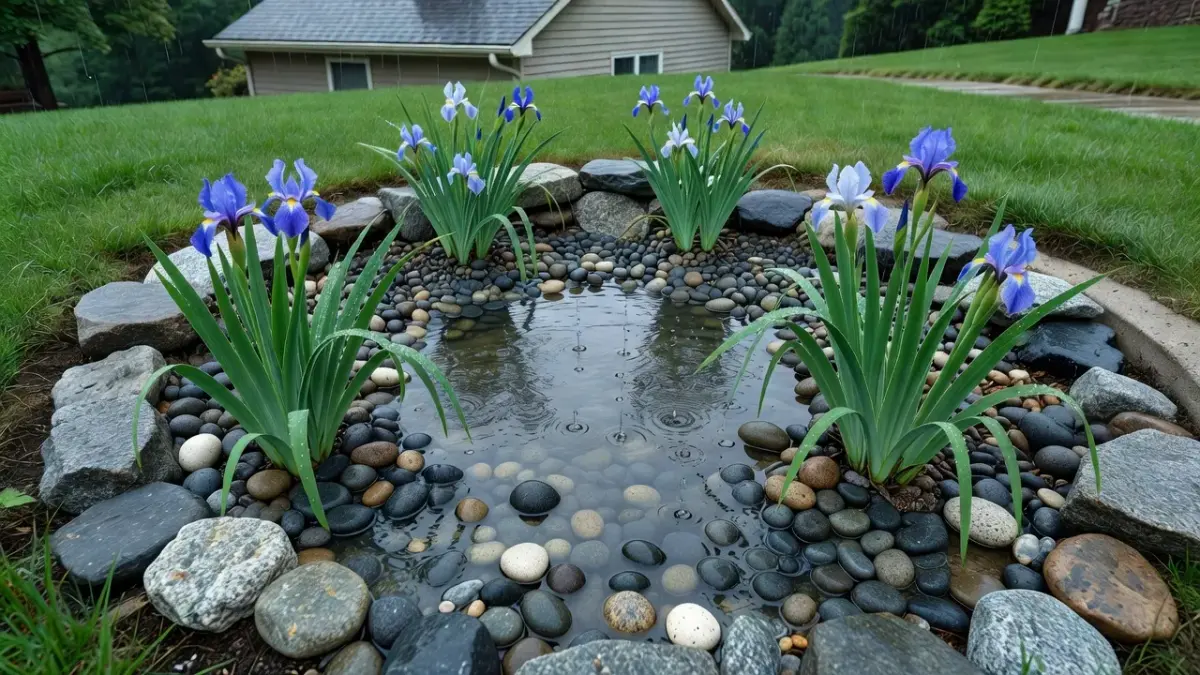
Is a rain garden a good feature for a home garden?
Yes, a rain garden is an excellent feature for home properties that experience rainwater pooling, downspout overflow, or localized lawn erosion. Rain gardens are shallow, engineered depressions planted with water-tolerant vegetation designed to filter pollutants and absorb runoff within 24 to 48 hours.
The United States Environmental Protection Agency highlights bio-retention features like rain gardens as primary tools for reducing urban stormwater runoff. By capturing water directly from roof downspouts or driveways, these gardens prevent soil erosion and recharge local groundwater aquifers.
Where should you never place a rain garden?
You must never build a rain garden within 10 feet of a building foundation or directly over a septic tank or utility line. Placing a water-retention basin too close to your home risks basement flooding and foundation settling.
Site restrictions that rule out a rain garden include:
- High water table: If groundwater sits within 2 feet of the surface, water cannot drain downward.
- Steep slopes: Slopes exceeding a 12 percent grade make excavation unstable and cause overflow.
- Slow percolation rates: Soil that drains slower than 0.5 inches per hour will create a permanent stagnant pool.
If your property meets percolation standards, learn the step-by-step soil mixture ratios in our guide to rain garden design.
Is permeable paving a good garden feature?
Permeable paving is a top-tier hardscaping choice that allows rainwater to seep directly into the ground through open aggregate joints. Unlike traditional concrete or solid asphalt, permeable stone grid systems eliminate puddle accumulation and reduce runoff load on municipal storm sewers.
Permeable pavers usually cost between $18 and $35 per square foot installed, which is roughly 20 to 40 percent more than standard poured concrete. However, they hold up far better against seasonal freeze-thaw cycles because individual paver joints accommodate minor ground shifting without cracking.
What site conditions make permeable paving fail?
Fine silt accumulation and high clay content in the sub-grade soil are the primary reasons permeable pavers fail over time. If mud, leaf litter, or fine sediment washes over the surface, the narrow joints get clogged and stop absorbing water.
Site conditions that rule out permeable pavers include:
- Unstable clay sub-bases: Clay soils expand when wet, which can heave pavers if you do not install a 12-inch crushed stone base.
- Heavy equipment driveways: Permeable pavers designed for pedestrian patios cannot support heavy trucks without shifting.
- Lack of vacuum maintenance: Failing to sweep fine debris out of paver gaps every autumn reduces permeability by up to 80 percent within three years.
How can you preview garden features before excavating your yard?
You can preview complex garden layouts instantly using AI vision software that renders plant choices and hardscapes directly over photographs of your yard. Instead of relying on hand sketches or high-priced landscape architecture renders, visual tools allow you to compare materials and spatial footprints in seconds.
The Renova AI app handles exterior and garden redesigns directly on your smartphone. You take a photo of your lawn, patio, or side yard, select a design style, and view an updated image instantly without manual drafting.
Renova AI Key Features & Pricing Summary (Checked November 2026)
| Item | Details |
|---|---|
| Free Trial | 3 full generations at no cost |
| Weekly Plan | $6.99 / week |
| Annual Plan | $59.00 / year ($1.13/week equivalent) |
| Design Options | 100+ selectable styles (Japandi, Modern, Bali, Minimalist) |
| Core Capabilities | Exterior, garden, and interior redesign with zero manual editing |
I suggest testing your space with a few free style variations before buying materials. Seeing a high-resolution concept helps you catch layout mistakes (like blocking natural light or overcrowding pathways) before you spend thousands on excavation.
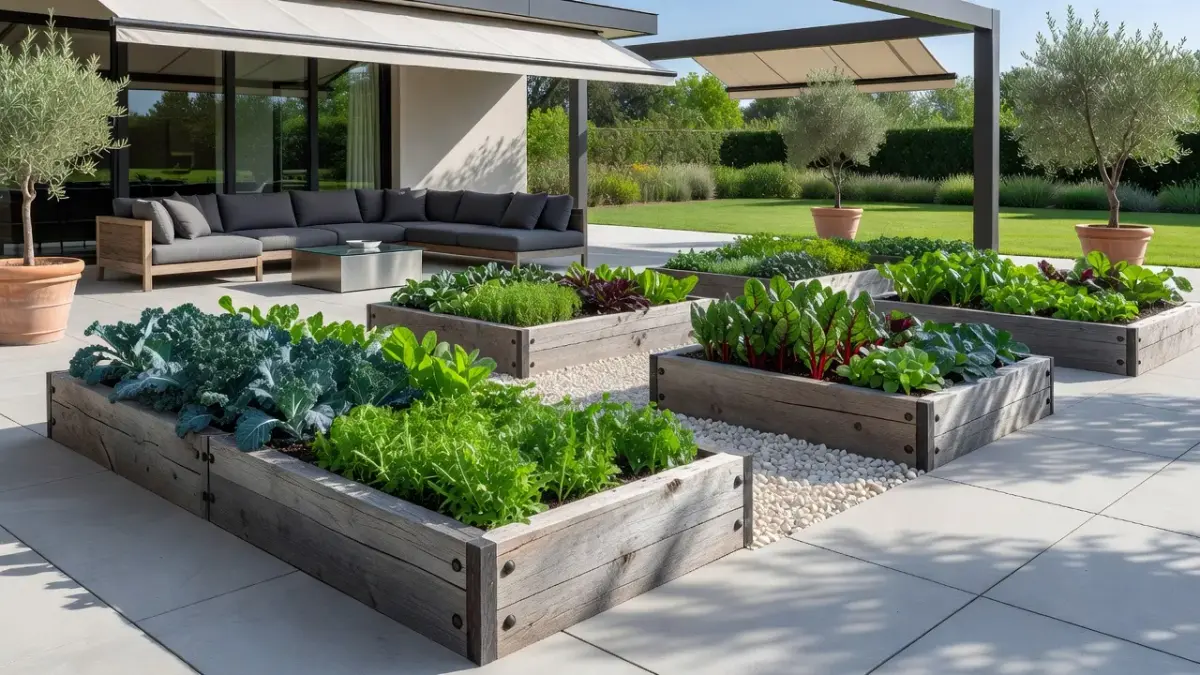
How do edible gardens and edible landscaping fit into a home garden?
Edible landscaping integrates food-producing plants directly into ornamental garden borders rather than isolating them in hidden vegetable patches. Examples include planting blueberry bushes as informal privacy hedges, edging flower beds with purple basil, or training dwarf fruit trees along sunny fences.
Integrating fruit and vegetable plants into your landscape maximizes sunlight usage and increases yard productivity. According to the University of California Agriculture and Natural Resources Extension, mixing vegetables with flowering perennials also boosts natural pest management by attracting predatory insects.
What light and soil limits affect edible plants?
Edible crops require at least 6 hours of unshaded daily sunlight and rich, uncontaminated soil to produce crops. If your garden is shaded by tall structures or mature trees, fruiting crops like tomatoes and peppers will fail to set fruit.
Key requirements to consider before planting crops:
- Lead contamination risks: Older urban homes often have elevated soil lead levels near driplines; test soil before planting in ground.
- Water demands: Edibles require consistent moisture (1 to 1.5 inches of water per week), making drip irrigation necessary.
- Nutrient depletion: Crops harvest heavy amounts of nitrogen and phosphorus, requiring annual compost additions.
If you like mixing fruit crops with traditional flowering borders, check out our cottage garden design plan for plant pairing strategies.
Which drought-tolerant, waterwise garden features are recommended?
Designers recommend xeriscaping features like gravel mulches, deep-rooting succulents, drip irrigation lines, and native dry-bed river stones for waterwise landscapes. These additions cut landscape water usage by 50 to 75 percent compared to standard turf grass lawns.
In dry or drought-prone regions, swapping grass for gravel mulch and native succulents eliminates the need for regular lawn mowing. Dry riverbeds filled with river rocks double as decorative features and overflow drainage paths during heavy rainstorms.
WATERWISE GARDEN LAYOUT CHECKLIST
- Group plants by hydrozone (similar water needs together)
- Apply 3 inches of organic or mineral gravel mulch
- Install pressure-compensating drip irrigation tubing
- Eliminate narrow strips of natural turf under 4 feet wide
- Cap unused overhead sprinkler heads
What site factors rule out xeriscaping and drought-tolerant features?
High clay content and standing water rule out xeriscaping plants like agaves, lavenders, and dry-climate grasses. Succulents and Mediterranean herbs rot within days if their roots sit in soggy, anaerobic soil.
Site factors that prevent xeriscaping success include:
- Heavy shade with damp soil: Low-light, high-moisture zones cause drought-tolerant plants to stretch and rot.
- Strict HOA guidelines: Certain homeowners associations mandate specific percentages of green turf grass.
- Organic mulch washed away by floods: Deep gravel works far better than light wood bark on sloped terrain prone to washing out.
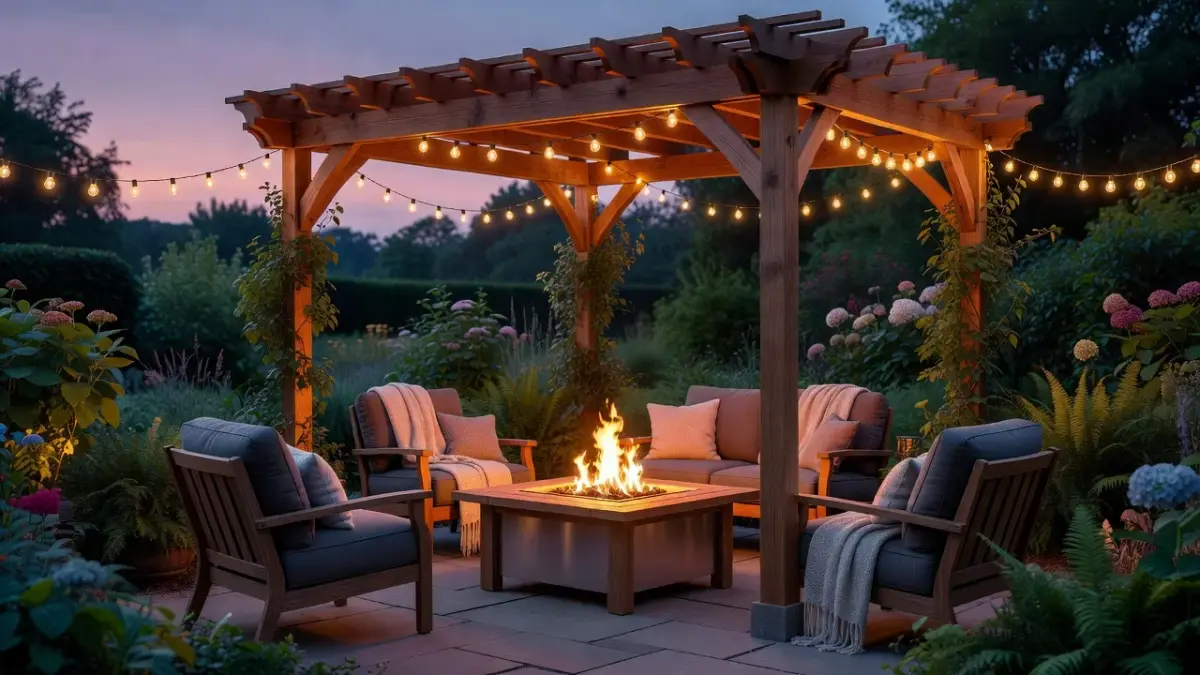
Are a garden room, outdoor kitchen and fire pit worth adding?
Yes, garden rooms, outdoor kitchens, and fire pits are worth adding if you want to extend your living space outdoors and increase overall property utility. These hardscape structures routinely deliver a solid return on investment by acting as outdoor dining and entertainment areas.
A basic gas or wood-burning fire pit costs between $1,500 and $5,000 to construct. Built-in outdoor kitchens with granite counters and built-in grills start around $8,000 and can easily surpass $35,000 for fully equipped custom setups.
What structural and code limits rule out outdoor living additions?
Local municipal setback codes, fire clearance distances, and utility access constraints frequently rule out heavy outdoor hardscaping features. You cannot legally construct a permanent outdoor fireplace or roofed garden structure over utility easements or right-of-ways.
Consider these constraints before planning hardscape additions:
- Property line setbacks: Most towns require permanent structures to sit at least 5 to 15 feet inside property boundaries.
- Fire pit clearances: Wood-burning pits usually require a 10-foot minimum clearance from wooden decks, trees, and house eaves.
- Gas line installation fees: Running gas or electrical connections 50 feet across a yard can add $2,000 to $5,000 to your budget.
If you are unsure where a patio or fire pit fits best on your lot, software like Renova AI helps you preview layout placements right on your mobile phone before getting permit quotes.
Frequently Asked Questions
What is the most low-maintenance garden feature for a small yard?
Native perennial flower beds mulched with gravel or fine bark are the easiest low-maintenance feature for small yards. Once established, they require minimal watering and only need a single seasonal cut-back in late winter.
How much does it cost to install a professional rain garden?
A professionally installed rain garden costs between $12 and $25 per square foot, depending on soil excavation needs and plant sizing. DIY installations usually cut those costs in half, running $5 to $10 per square foot for plants and compost.
Can permeable pavers support heavy vehicles like SUVs?
Yes, heavy-duty permeable concrete pavers can support heavy vehicles if installed over a properly engineered aggregate base. The sub-base requires 8 to 12 inches of compacted, open-graded angular stone to handle vehicle weights without settling.
What native plants attract the most bees and butterflies?
Coneflowers, milkweed, black-eyed Susans, wild bergamot, and goldenrod attract the highest concentration of pollinators across North America. Planting varieties that bloom across different seasons ensures steady food sources from spring through autumn.
Do outdoor fire pits require a building permit?
Permit requirements depend on your local municipality and whether the fire pit is wood-burning or connected to a natural gas line. Portable or low-profile propane units rarely require permits, but permanent masonry wood-burning pits often require safety inspections.
What is the difference between xeriscaping and rock gardening?
Xeriscaping is a complete landscape strategy aimed at conserving water through soil improvements, efficient irrigation, and drought-tolerant plants. Rock gardening is a visual design style focused on arranging alpine plants among decorative stones and gravel.
How do I stop rain garden soil from eroding during heavy storms?
Using river rocks near downspout entry points slows incoming water flow and prevents soil washouts. Planting deep-rooted native grasses alongside stone barriers keeps garden beds stable during intense downpours.