
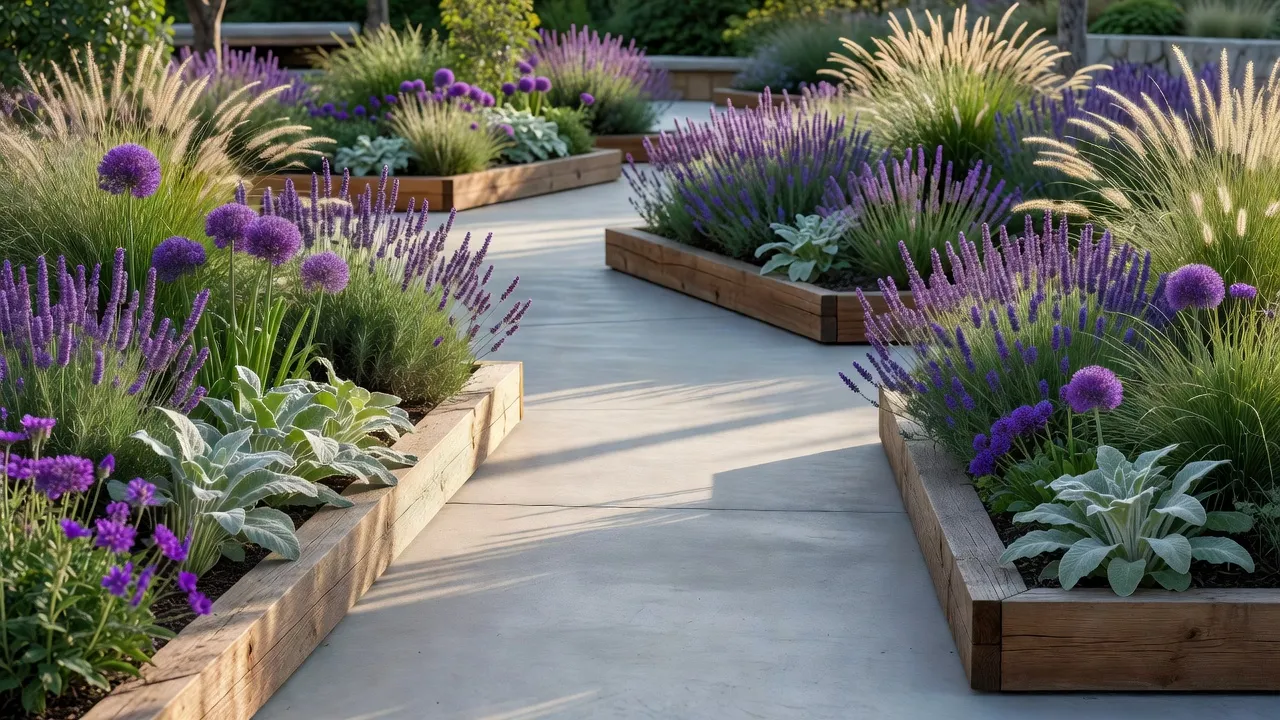
Sensory garden design is the intentional arrangement of outdoor spaces to actively engage the five basic human senses: sight, sound, smell, touch, and taste. Unlike standard decorative yards designed primarily for visual appeal, a sensory landscape uses specific plant selections, textural hardscaping, water features, and accessible paths to encourage physical interaction. As of October 2026, public institutions and residential gardeners increasingly build these specialized spaces to support physical therapy, anxiety reduction, and accessible outdoor recreation.
What plants are recommended for a sensory garden (smell, texture, sound, sight, taste)?
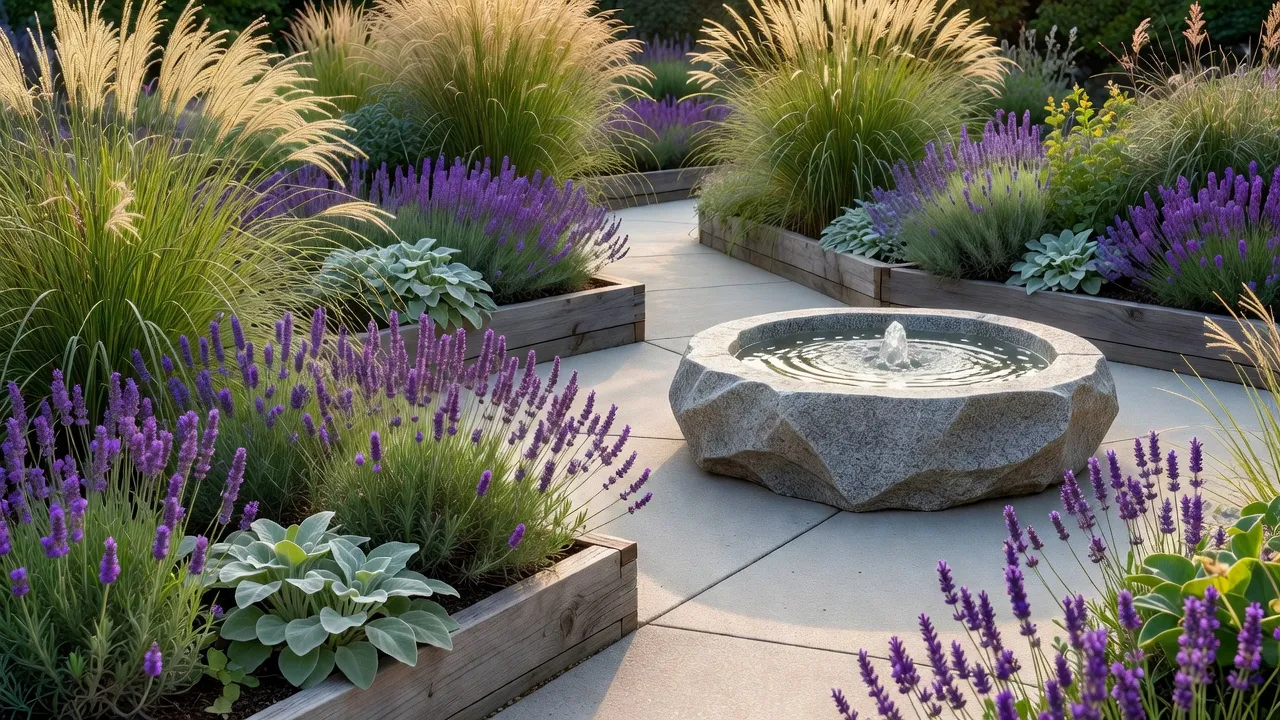
The best plants for a sensory garden combine non-toxic foliage, distinct physical textures, audible movement, strong aromatic oils, and edible leaves or berries. Selecting varieties across all five sensory categories ensures year-round engagement, though gardeners must carefully filter out thorny stems or toxic seeds when planning spaces for children or pets.
Touch (Tactile Plants)
- Lamb's Ear (Stachys byzantina): Soft, velvet-like leaves encourage direct physical touching and tolerate dry soil conditions.
- Woolly Thyme (Thymus pseudolanuginosus): A dense groundcover that releases scent when stepped on and feels soft underfoot.
- Silver Sage (Salvia argentea): Features massive, silvery leaves covered in downy hairs that retain moisture and invite tactile exploration.
Smell (Olfactory Plants)
- English Lavender (Lavandula angustifolia): Releases calming essential oils when brushed against along garden edges.
- Lemon Verbena (Aloysia citrodora): Emits an intense citrus aroma from crushed leaves during warm afternoon hours.
- Sweet Alyssum (Lobularia maritima): Low-growing flowers that spill over path edges with a subtle, honey-like scent.
Sound (Auditory Grasses and Pods)
- Greater Quaking Grass (Briza media): Produces seed heads that rustle pleasantly in light breezes.
- Golden Bamboo (Phyllostachys aurea): Stems clack gently together in wind, though roots require strict containment barriers to prevent invasive spreading.
- Rattlesnake Master (Eryngium yuccifolium): Dried winter seed heads rattle when touched or blown by seasonal gusts.
Sight (Visual Contrast Plants)
- Purple Coneflower (Echinacea purpurea): High-contrast purple petals surround prominent, spiky orange cones that attract pollinators.
- Swiss Chard 'Bright Lights': Vivid yellow, red, and magenta stems create striking visual rhythm in vegetable borders.
- Black-Eyed Susan (Rudbeckia fulgida): Bright yellow flowers offer strong visual clarity for individuals with low vision.
Taste (Gustatory Herbs and Edibles)
- Rosemary (Salvia rosmarinus): Durable perennial herb with pine-scented leaves suitable for direct harvesting.
- Alpine Strawberry (Fragaria vesca): Produces small, intensely sweet fruits within reach of raised bed borders.
- Nasturtium (Tropaeolum majus): Edible flowers and pepper-flavored leaves add bright colors and unique culinary tastes.
What features should a sensory garden design include (water feature, wind chimes, path materials)?
A comprehensive sensory garden design must incorporate stable path materials, self-contained water features, tuned acoustic instruments, and raised tactile zones. Integrating structural elements alongside plant life provides sensory feedback even during non-growing winter months.
- Non-Slip, Solid Path Materials: Smooth poured concrete, resin-bound gravel, or wide stone flagstones provide stable footing for wheelchairs and walkers. Loose pea gravel should be avoided along primary walkways because wheels sink into it easily.
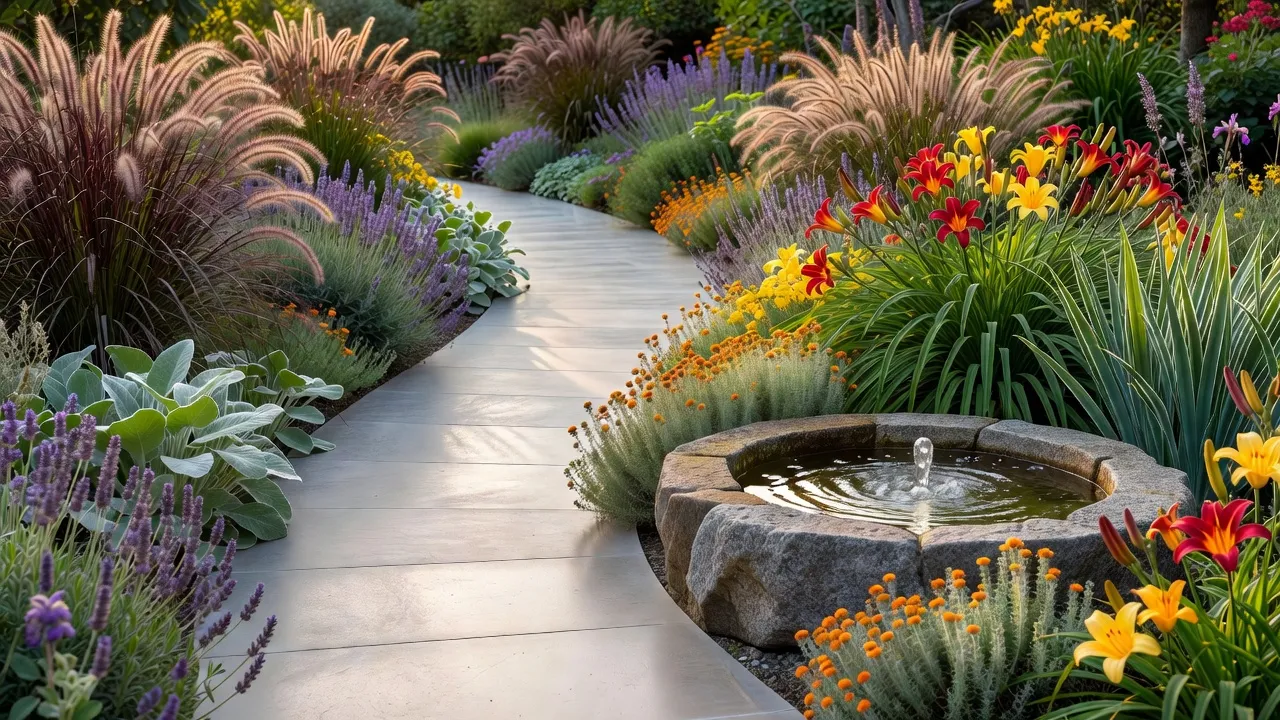
- Interactive Water Features: Recirculating granite water columns or bamboo spill basins provide predictable background acoustics that mask traffic noise. Deep open ponds create safety hazards and should be replaced with shallow surface bubblers.
- Acoustic Wind Chimes: Metal tuned chimes set to pentatonic scales provide soft, soothing musical tones without jarring frequencies. Place chimes near main seating nooks where natural air currents pass through.
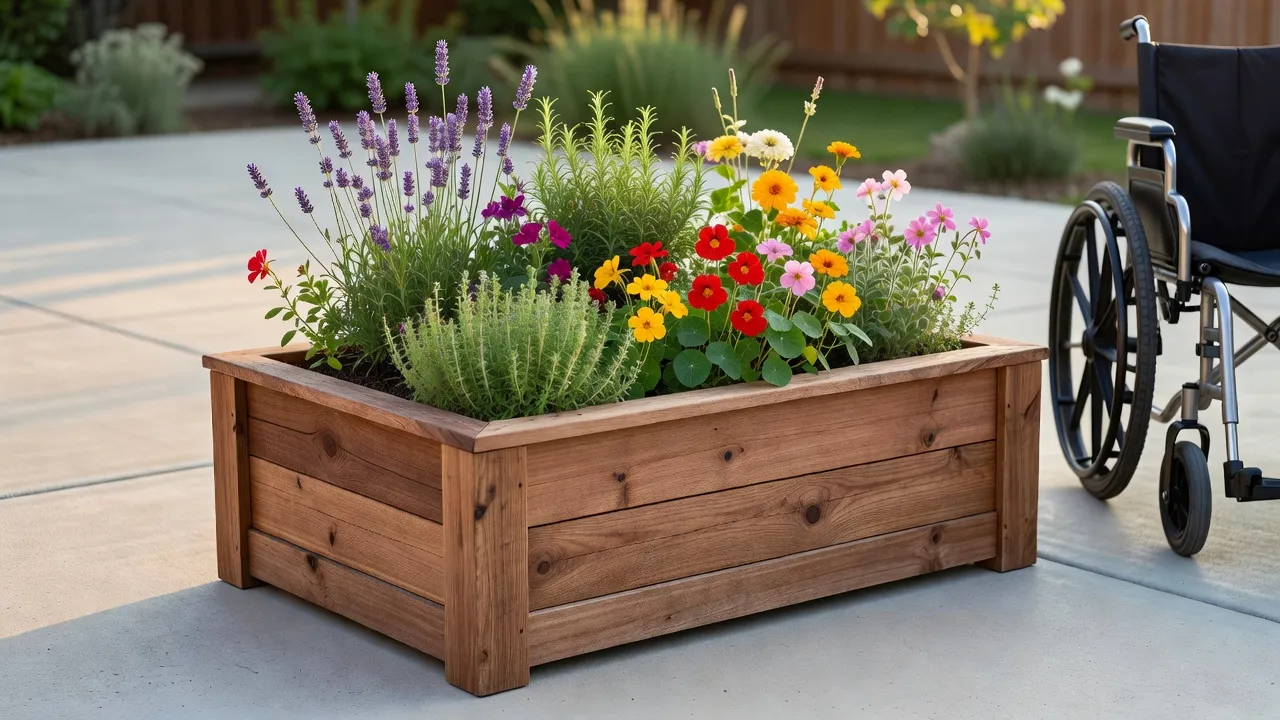
- Accessible Touch Heights: Retaining walls and wooden planter boxes built 30 to 36 inches off the ground bring plant textures directly to waist height for seated visitors.
If you are planning a fresh outdoor layout, visualizing these physical structures beforehand helps prevent expensive positioning mistakes. Using tools like Renova AI exterior visualizers allows homeowners to preview hardscape arrangements and flowerbed boundaries directly on photos of their existing space before purchasing materials.
What are well-known examples of sensory gardens?
The most famous public sensory gardens use clear structural zoning, wide accessible routes, and specialized botanical displays to accommodate visitors of all physical and cognitive abilities. Studying established institutions provides practical blueprints for residential layout design.
What is the RHS sensory garden example at Wisley?
The Royal Horticultural Society features a sensory layout at RHS Garden Wisley designed around touch, sound, and scent immersion. According to the official RHS Wisley visitor guide, the garden incorporates aromatic herbal borders, tactile planting beds, and sound-harvesting architectural elements that isolate natural wind noises from surrounding foot traffic.
What is the Chicago Botanic Garden's sensory garden like?
The Enabling Garden at the Chicago Botanic Garden showcases adaptive gardening methods, including height-adjustable plant beds and accessible water features. Detailed in the Chicago Botanic Garden accessible design overview, the site features hanging basket pulleys, wide paved loops, and tactile plant labels printed in braille alongside traditional text.
What is Horatio's Garden's sensory garden example?
Horatio's Garden builds sanctuary spaces specifically for spinal injury centers across the United Kingdom. As documented by Horatio's Garden foundation projects, these designs emphasize smooth wheelchair navigation, high-aroma therapy zones, and quiet retreat corners sheltered from hospital activity.
Best for sensory processing and neurodivergent individuals: designing a autism-friendly sensory garden
Sensory gardens built for individuals with autism or sensory processing differences require clear zoning between high-stimulation activity areas and low-stimulation calm spaces. Overstimulating environments can cause anxiety, making layout control more important than sheer plant variety.
- Establish De-Escalation Zones: Create quiet seating corners surrounded by soft green foliage like ferns and hornbeam hedges. Avoid bright neon flowers or loud metal chimes in these calm spots.
- Group Scented Plants Separately: Isolate heavily perfumed plants like jasmine or lavender into distinct clusters rather than spreading them everywhere. This allows visitors to retreat if a scent becomes overwhelming.
- Eliminate Surprises along Walkways: Avoid overhanging branches or aggressive thorny stems like berry bushes along main paths. Unintended scratches or sudden tactile contact can trigger distress.
- Use Predictable Spatial Loops: Design circular pathways so visitors can walk continuously without hitting confusing dead-end fences.
If you are expanding your residential garden, pairing sensory areas with structured plantings can create a balanced sanctuary. You can explore layout ideas in our guide on butterfly garden design plans to add predictable insect motion to your quiet zones.
Best for wheelchair accessibility: structural rules for physical therapy gardens
Accessibility-focused sensory gardens rely on strict engineering dimensions, including 60-inch path widths, firm surface materials, and waist-high raised garden beds. Without correct hardscape dimensions, visitors using mobility aids cannot comfortably reach plants or turn around safely.
| Feature | Height | Width |
|---|---|---|
| Sensory Bed | 30-36" | |
| Smooth Bound Gravel or Poured Concrete Path | Min 60" wide |
The Sensory Bed contains Lavender, Lamb's Ear, and Woolly Thyme.
The Wheelchair Reach Zone extends to a maximum depth of 24" and is positioned between the Sensory Bed and the path below it.
When selecting design software or landscape planning services, compare speed, spatial limits, and cost options carefully.
| Planning Method | Primary Advantage | Spatial Limits / Considerations | Typical Cost |
|---|---|---|---|
| Manual Paper Sketching | Total artistic control over custom plant placement | Hard to visualize scale and light depth | $0 - $50 (materials) |
| Renova AI Design App | Instant rendering on real photos of your yard | Renders top options; requires user measurement checks | Free initial trial, then $6.99/wk or $59/yr |
| Full Landscape Architect | Complete structural engineering blueprints | Long lead times and expensive consultation fees | $1,500 - $8,000+ |
Using intuitive software can drastically cut planning time. The Renova AI app on iOS allows homeowners to upload a photo of a flat backyard plot and preview garden layouts in styles like Minimalist, Japandi, or Boho in seconds without manual drafting.
Best for dementia care: constructing therapeutic memory gardens
Dementia-focused memory gardens use nostalgic plant varieties, landmark features, and safe circular movement loops to reduce disorientation and encourage past memories. Designers must strictly enforce non-toxic plant selection, as dementia patients may ingest flowers or leaves unexpectedly.
- Plant Familiar, Nostalgic Varieties: Use traditional garden favorites such as heirloom bush roses, lilac, and hydrangeas that trigger deep long-term memories. For design tips on structuring these flowers, read our guide on cottage garden design plans.
- Strictly Eliminate Toxic Flora: Remove plants with poisonous berries or leaves, such as Foxglove (Digitalis), Yew (Taxus), and Lily of the Valley (Convallaria majalis).
- Install Clear Visual Landmarks: Position a brightly painted garden shed, a white gazebo, or a distinctive stone bench at key path turns to help visitors orient themselves.
- Maintain High Visual Contrast: Use light-colored paving stones alongside dark green lawn borders so edges remain sharp for aging eyes.
Best for small urban spaces: balcony and patio sensory garden ideas
Small urban sensory gardens maximize limited footprints by utilizing vertical wall space, container plant layering, and compact acoustic water bowls. Small spaces can amplify sensory details because plants sit closer to eye and nose level.
- Build Vertical Tactile Walls: Mount tiered wall planters filled with trailing thyme, mint, and strawberry plants along patio fences to save ground space.
- Use Wall-Mounted Trellises: Train climbing sweet peas or jasmine up vertical frames to elevate scents. Check out practical frame ideas in our breakdown of trellis design for gardens.
- Incorporate Tabletop Water Features: A small, plug-in ceramic water bowl masks street noise while occupying less than two square feet of patio space.
- Layer Herb Containers by Height: Place taller rosemary and lemongrass pots against back walls, stepping down to low woolly thyme pots near seating edges.
What spatial limits and safety constraints rule out certain sensory garden options?
Specific site constraints—including narrow lot boundaries, severe slope angles, structural weight limits on decks, and pet toxicity risks—can make popular sensory features unsafe or impractical. Identifying these physical limits early prevents wasted budget and safety hazards.
- Weight Limits on Elevated Balconies: Large stone water features and wet potting soil weigh hundreds of pounds. Structural deck limits often restrict urban sensory designs to lightweight plastic containers and small resin fountains.
- Toxicity Hazards for Pets and Children: Highly tactile plants like Foxglove or Oleander cause severe toxicity if ingested. Never choose plants based on texture alone without checking ASPCA toxicity databases.
- Audio Overstimulation in Enclosed Courtyards: Hard brick walls amplify sound. Installing metal wind chimes inside a small enclosed courtyard often creates loud, metallic echoing rather than relaxing tones.
- Slope Constraints for Mobility Access: Paths with slopes greater than an 8.33% grade exceed standard wheelchair ramp safety limits defined by accessibility standards. Steeper yards require costly terracing before path installation.
Homeowners who want to check how hardscape changes will look against their home's exterior wall can preview color schemes and structures using visual layout apps like Renova AI. Testing styles virtually ensures outdoor additions match overall architecture before breaking ground.
Frequently Asked Questions
What is the primary purpose of a sensory garden design?
The main purpose of a sensory garden design is to create an outdoor environment that actively stimulates one or more of the five senses. These gardens are used for therapeutic relaxation, physical rehabilitation, sensory integration therapy, and accessible recreation for people of all ages and abilities.
Are sensory gardens expensive to build?
Sensory garden costs range from under $200 for a DIY container setup on a patio to over $10,000 for professionally landscaped yards with custom stone paths, raised beds, and permanent water features. The overall cost depends heavily on structural hardscaping choices.
How do I choose plants for a sensory garden if I have pets?
Check every plant variety against the ASPCA Toxic and Non-Toxic Plants database before purchasing. Avoid toxic species like Foxglove, Autumn Crocus, Oleander, and Sago Palm, opting instead for safe alternatives like Lamb's Ear, Rosemary, Sweet Alyssum, and Marigolds.
Can a sensory garden help children with sensory processing disorders?
Yes, sensory gardens provide controlled outdoor environments where children can explore physical textures, calming sounds, and natural scents at their own pace. Designing separate quiet zones allows children to decompress if they experience sensory overload.
What is the best path material for a wheelchair-accessible sensory garden?
Poured concrete, resin-bound gravel, and smoothly fitted paver stones are the best path materials for wheelchair access. Loose pea gravel, mulch, and rough stepping stones should be avoided because they create uneven friction and sink points for wheels.
How do you maintain sound levels in an urban sensory garden?
Urban sensory gardens control noise by using continuous water fountains to mask traffic, planting dense evergreen hedges to absorb high-frequency sounds, and placing wind chimes in sheltered nooks to prevent harsh echoing off walls.
How high should raised beds be built in a sensory garden?
Raised garden beds should be built between 30 and 36 inches high to allow seated individuals and wheelchair users to comfortably reach soil and plants without straining. Ensure knee clearance space beneath cantilevered planter edges where possible.