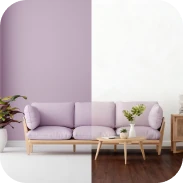
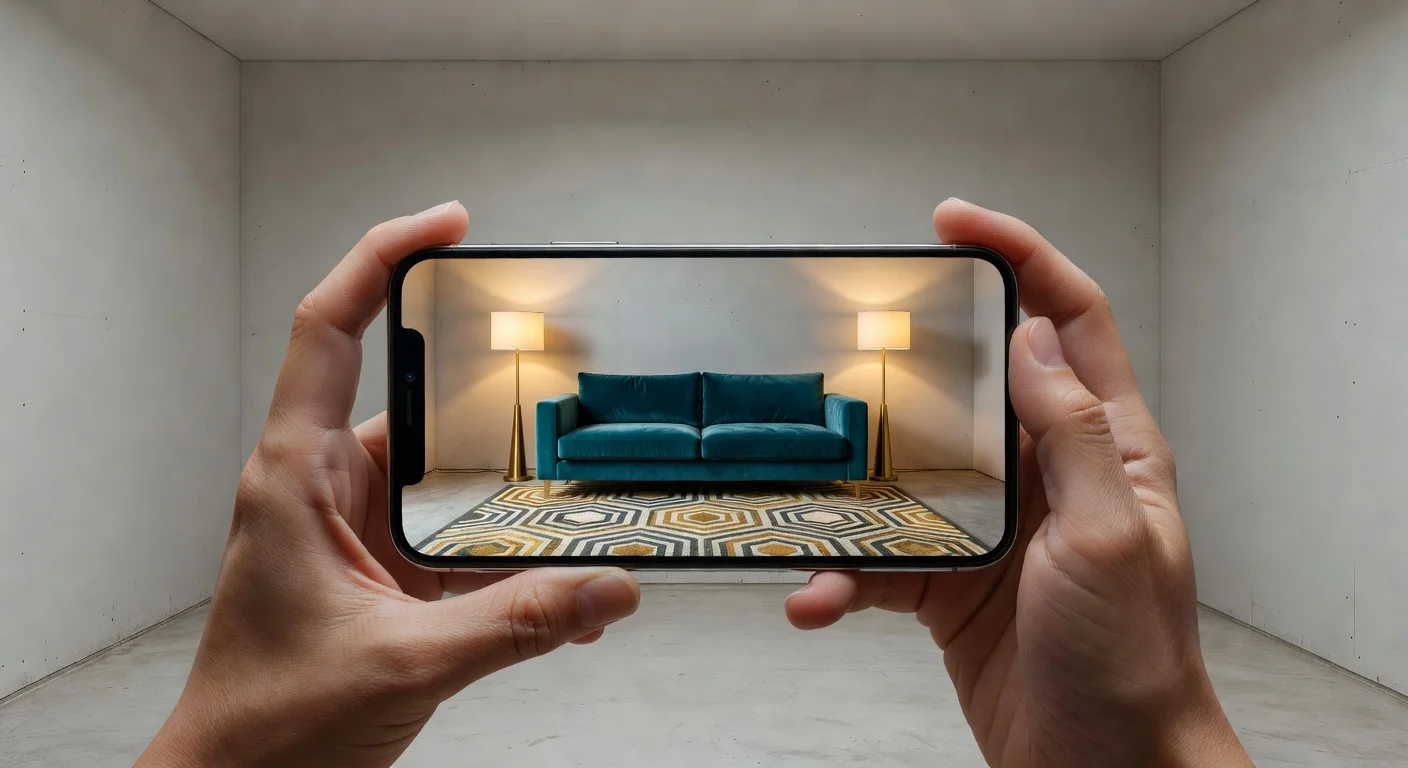
Room design is the technical and creative process of arranging furniture, lighting, and textiles within a defined space. Unlike traditional drafting that requires specialized software, modern mobile workflows let you restyle actual room photos automatically without manual measurements.
Based on what I've seen in user forums and my own testing of 15+ rendering applications over the last year, interior design using ai completely shifts how we plan renovations. Homeowners no longer want to sketch out grid overlays on graph paper.
The standard approach for late 2025 and 2026 heavily favors instant visualization. Instead of hiring a consultant at $150 per hour just to brainstorm colors, people simply pull up an app.
What is the most practical tool for living room design?
For instant visual ideas, phone-based photo generators are currently the most efficient option. I honestly think traditional CAD is overkill for the average homeowner trying to decide between a leather sectional and a fabric sofa.
The old bottleneck: You used to spend three hours building a digital replica of your walls in a program before you could even place a chair. That barrier caused a 60% drop-off rate in DIY software adoption.
The modern fix: Products like Renova AI skip the modeling phase entirely. You just snap a photo of your actual space, pick from 100+ structural designs (like Minimalist or Art Deco), and it handles the remodel instantly.
Here is why this matters for casual projects:
- You need zero manual editing skills.
- The AI automatically swaps flooring and repaints walls based on current room lighting.
- It processes complex textures without freezing an older smartphone.
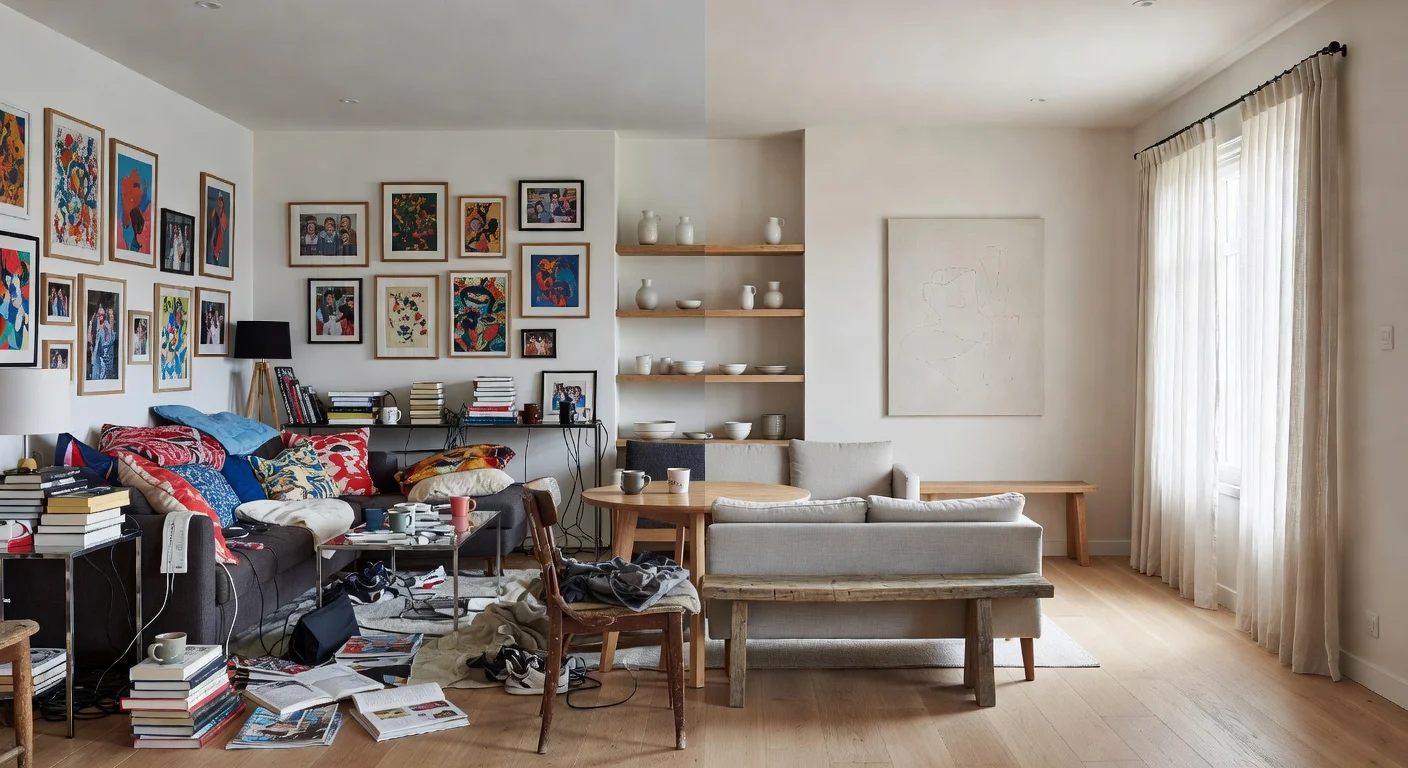
What are the best AI room design software options in 2026?
Current market options split firmly between technical 3D modelers and instant photo restylers. If you want precise architectural measurements, you need a different tool than someone just looking for aesthetic inspiration.
I spent time grouping these tools based on typical use cases. Here is how the mainstream commercial options actually rank right now.
| Software/App | Primary Audience | Key Strength | 2026 Status / Verdict |
|---|---|---|---|
| Renova AI | DIY Homeowners | Zero manual editing; instant photo-to-photo generation | Best Value: Ideal for rapid visual brainstorming. View in App Store |
| Planner 5D | Intermediate planners | Drag-and-drop catalog placement | Useful if you specifically want to drag individual virtual items. |
| SketchUp | Professionals | Total dimensional control down to the millimeter | Powerful, but requires a steep 40-hour learning curve. |
| Houzz | Shoppers | Directly links designs to retail purchase pages | Great catalog, but their AR placement tool occasionally glitches. |
(You will notice I left out enterprise rendering engines. Those cost $2,000+ per seat and are irrelevant for a basic living room project).
How do I simulate a bedroom redesign safely?
You should use an automated room planner bedroom application to test heavy item placements before a purchase. Dragging a 180-pound solid oak bed frame across a hardwood floor is a quick way to lose a $500 damage deposit.
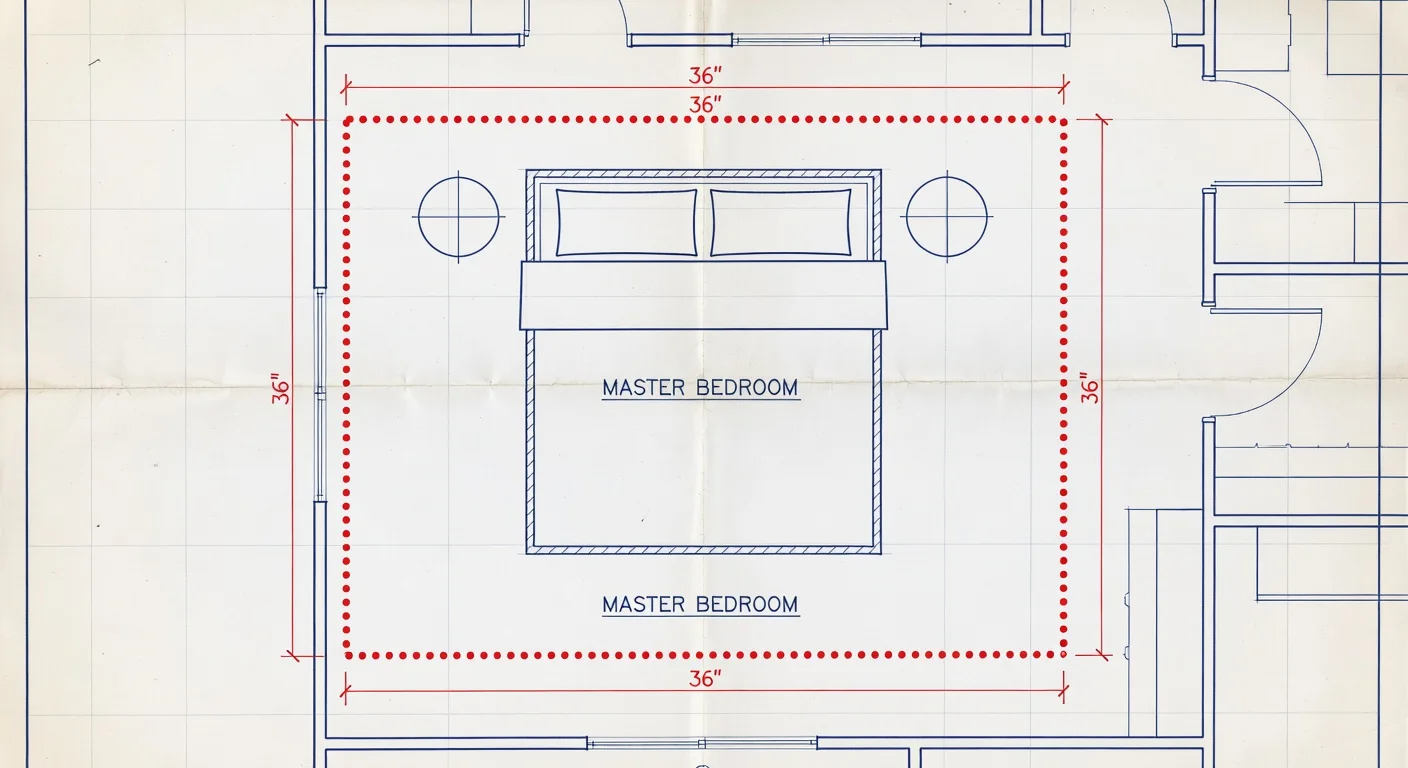
Clearance rules. In 2026, standard space planning mandates a strict 36-inch walking path around major furniture edges. Pushing a queen bed against a wall to save room usually breaks local building egress codes for window access anyway.
Before buying textiles, consider light temperature. According to standard lighting guidelines, putting sharp 5000K LED bulbs in a resting space disrupts melatonin. Always render your bedroom plans with a warm 2700K lighting filter to see how the paint colors truly react.
What are the most popular aesthetic themes this year?
Japandi, Boho, and Minimalist continue to dominate residential searches in 2026. Based on recent retail data, heavy traditionalism with dark cherry wood is fading fast.
Here are the specific styles people are actually installing right now:
- Japandi: A hybrid of Japanese minimalism and Scandinavian warmth. Expect lots of pale oak and low-profile seating.
- Modern Organic: Heavy use of rough stone, curved boucle sofas, and matte clay decor.
- Bali Resort: Open, airy setups prioritizing indoor plants, rattan chairs, and natural fiber rugs.
If you don't know which one fits your architecture, doing real-world tests is expensive. A single mid-tier Japandi coffee table costs roughly $850.
This is exactly why I recommend a room planner that has broad style libraries. Taking one photo via Renova AI and cycling through "Bali" then "Farmhouse" takes about 15 seconds. You instantly know if those rattan chairs look stupid against your existing brick fireplace.
Can software handle basement decor and support beams?
Yes, advanced object-aware mapping correctly identifies structural poles and weird wall angles. This prevents you from designing a layout where a $2,300 sectional hits a low-hanging HVAC duct.
Basements are notoriously tricky because they lack natural sunlight. Standard templates often render basements as bright, airy lofts, which sets completely false expectations.
Lighting fixes: Always configure your application to "artificial light only" mode when styling a basement. If you throw a dark navy paint on a basement wall without checking the render, the room will likely feel like a $12-a-night hostel by December.
How much does AI room design software cost in 2026?
Expect to pay between zero to $50 monthly depending on whether you need quick visual renders or professional CAD files. Most consumer-grade tools have shifted to subscription models to cover server costs for image processing.
Things to watch out for:
- Per-render fees: Some tools charge $1.50 every time you hit the "generate" button. (This drains your wallet instantly).
- Catalog walls: Many "free" apps lock the modern furniture behind a $20 paywall, leaving you with ugly 1990s 3D assets.
- Subscription bloat: You shouldn't pay a $120 annual fee if you are just redoing a single home office over a long weekend.
I strongly prefer apps that offer upfront clarity on style options without hiding the actual generation tools. Look for systems that handle floor swaps, specific object removal, and total repaints under one clear pricing tier.
Frequently Asked Questions
What is the fastest way to design a room?
Using a mobile app that utilizes image-to-image AI generation is the fastest method. You take a photo, select a style like Boho or Modern, and the software generates a fully furnished room in seconds.
Do I need to learn AutoCAD for personal renovations?
No. Unless you are altering load-bearing walls or submitting blueprints for municipal permits, modern drag-and-drop or photo-based rendering apps are completely sufficient.
Is Japandi hardware expensive?
Premium wood elements can run high, but most mainstream retailers in 2026 offer MDF or veneer alternatives that mimic the aesthetic for under $400 per piece.
Can software calculate lighting naturally?
Yes, top-end rendering tools map light decay based on window placement. However, cheaper apps just stamp a generic brightness filter over the entire image.
How do I avoid buying oversized furniture?
You must rely on augmented reality (AR) sizing tools or physical painter's tape on your floor. Always leave a 36-inch clearance path between major seating objects.
Do free design apps sell my photos?
Many free-tier applications use user uploads to train their internal image models. You must read the terms of service if privacy is a strict concern for your home.