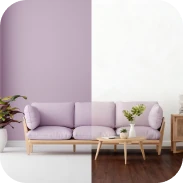
Upstairs design is the architectural process of optimizing second-floor footprints. Unlike main-level layouts, it handles tricky sloped rooflines, narrow connecting hallways, and strict noise isolation requirements.
I spent the last six months comparing every room planning strategy and software tool I could find for second-story renovations. Most home decorators treat the upper level as an afterthought. They copy their ground-floor aesthetic, ignore structural load limits, and end up with dark corridors that feel like cheap hotel hallways.
Material costs for structural changes hit an all-time high in late 2025. Modern upstairs planning now focuses on working with the geometry you already have.
Here are the five most common scenarios you will face when planning a second-floor remodel, and exactly how to handle them.
How do you capture wasted space under sloped ceilings and rooflines in 2026?
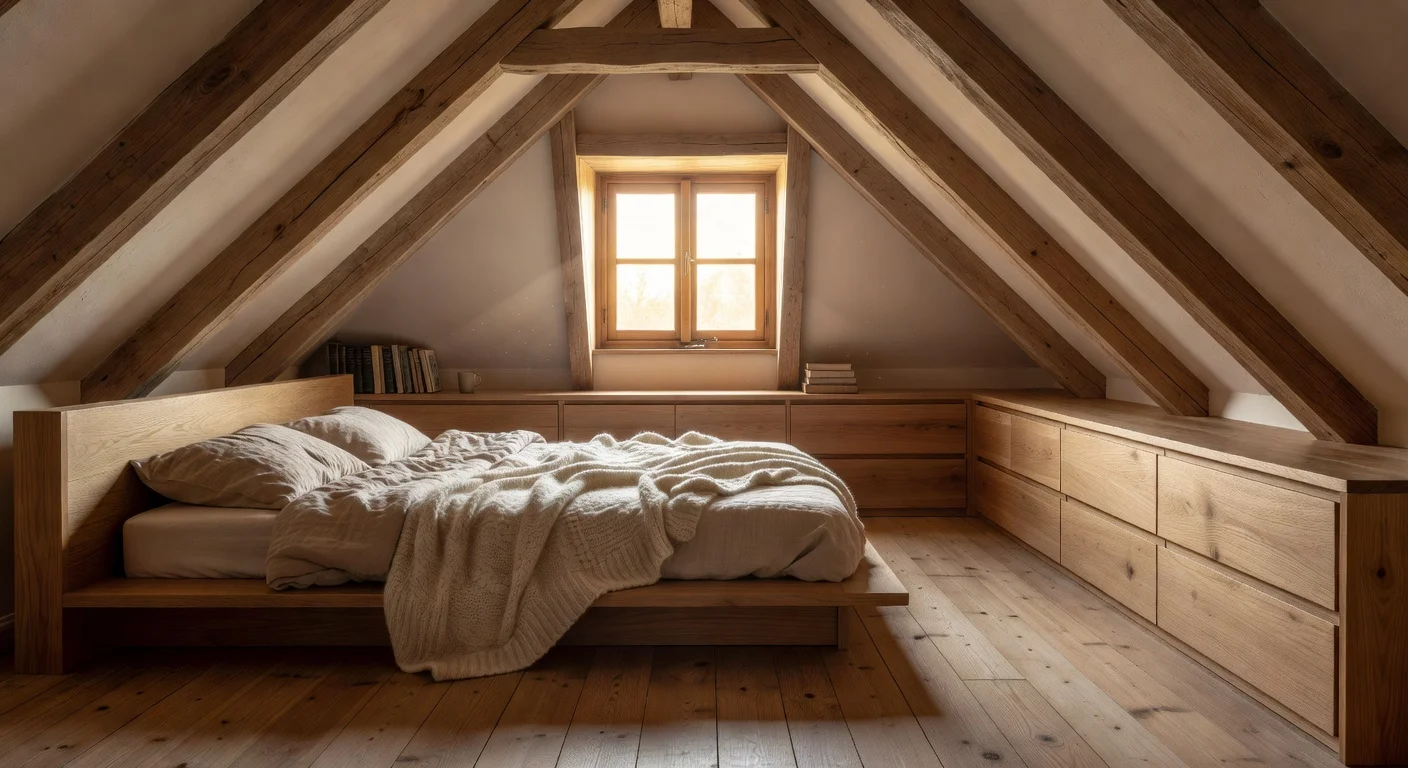
You must install custom knee-wall cabinetry to capture the wasted square footage under a pitched roof. If you leave those low-clearance areas empty, you lose about 25% of your usable floor space.
Standard dressers simply do not fit under a 45-degree roof pitch. A standard 36-inch dresser was entirely useless under my own attic constraints.
Build sliding drawers directly into the drywall where the ceiling drops below 48 inches.
- Beds: Push the headboard against the shortest wall. You only need vertical clearance when you stand up.
- Desks: Float the desk in the center of the room. Do not force yourself to stare at a slanted drywall corner.
- Reading Nooks: Place a low-slung accent chair right next to a dormer window.
How do I maximize light in a narrow upstairs corridor?
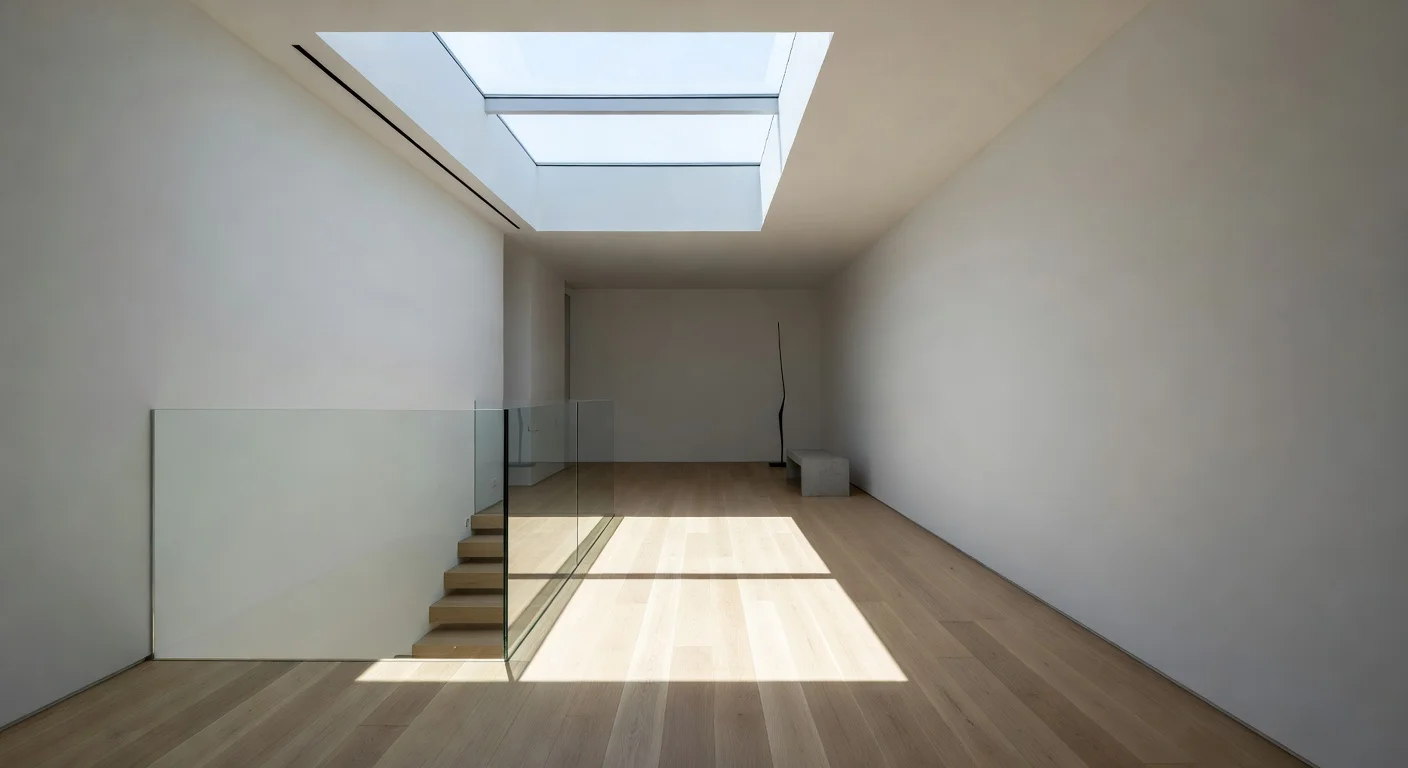
Paint the ceiling one shade lighter than the walls and install low-profile LED floor-wash lights. Dark hallways happen because standard 8-foot second-story ceilings choke off natural light from the stairwell.
Do not hang massive pendant lights in a cramped hallway. Flush-mount fixtures remain the only viable option if the corridor is under 42 inches wide.
If you are committing to a larger renovation, solar tubes are efficient. A modern 10-inch solar tube costs roughly $600 to install and provides the equivalent of three 100-watt light bulbs during peak afternoon hours.
How can I preview a primary suite overhaul before moving heavy materials upstairs?
You should test wall repaints and floor swaps digitally before hauling heavy materials up a flight of stairs. A standard box of rigid core vinyl plank weighs around 40 pounds. Lugging 15 boxes up a winding staircase is exhausting.
Before buying anything, test the visual flow from the bedroom into the en-suite bathroom. For example, if you are doing interior design using ai, you can experiment with extending the same hardwood flooring directly into the vanity area.
When establishing your room planner bedroom layout, functionality comes first.
- Clearance: Leave exactly 36 inches of walking space around the foot of the bed.
- Sightlines: Ensure the bed does not directly face the bathroom toilet.
- Aesthetics: Snap a photo of your empty 12x15 room and run it through an image generator to test 100+ styles instantly.
Which upstairs design software delivers realistic renders in 2026 without a steep learning curve?
You need an app that balances realistic rendering with a low learning curve. Complex CAD software is great for architects, but terrible for homeowners who just want to know if their upstairs loft looks better in Japandi or Art Deco styles.
I tested the three most popular planning applications on the market today. Some require manual measurement input, while others use generative AI to do the heavy lifting in seconds.
| Software Choice | Best Use Case | Cost Layout | Key Drawback / Strength |
|---|---|---|---|
| Planner 5D | Structural building (walls, doors). | $29 per month. | Steep learning curve, but massive furniture catalog. |
| RoomSketcher | 2D floor plan generation. | $99 per year. | Poor 3D visualization, but great for contractors. |
| Renova AI (Easiest to Use) | Instant aesthetic visualization over existing spaces. | Free trial / In-app subs. | No manual editing required. Select from 100+ styles instantly. |
If you are staring at an outdated guest room, Renova AI is the most logical starting point. The competitive edge is the "Custom Change" AI prompt. Instead of spending three hours dragging a digital vanity across a screen, you just snap a photo, request a "Modern Farmhouse floor swap," and the software renders the remodel in five seconds.
How do you stop upstairs footsteps from echoing downstairs?
You must install flooring with an STC (Sound Transmission Class) rating of at least 50. Second floors are notoriously loud. Every footstep echoes through the joists into the main living room.
If you rip out old carpet and install hard flooring, you create an acoustic nightmare. Soundproofing a floor after it is installed is virtually impossible without tearing the ceiling down from the ground floor.
To check acoustic benchmarks properly, look at an external Sound transmission class chart.
- Option 1: Use cork underlayment. A 6mm cork barrier costs roughly $0.70 per square foot and drops impact noise dramatically.
- Option 2: Install solid core doors. Hollow core upstairs doors have a pathetic STC rating of about 20.
- Option 3: Add heavy area rugs strategically over heavy-foot-traffic zones.
How do you safely add an upstairs laundry room near bedrooms in 2026?
Place your washing machine on an anti-vibration mat and install an emergency floor drain. In 2026, putting laundry rooms on the second floor near the bedrooms became the standard for modern builds.
It makes logistical sense. You generate clothes upstairs, so you should wash them upstairs. But the water damage risk is massive.
If a washer hose bursts on a concrete basement floor, you mop it up. If it bursts on an engineered wood second floor, it ruins the downstairs drywall within ten minutes.
You must waterproof the subfloor using a rolled membrane system before laying any tile down. A custom drain pan is non-negotiable and usually mandated by local building codes. Once those safety barriers are down, you can focus on the room design by applying bold, moisture-resistant wallpaper to liven up the utility space.
Frequently Asked Questions
How do I make a low upstairs ceiling look higher?
You can trick the eye by painting the ceiling a flat bright white and extending the wall color up to the ceiling line. Avoid heavy crown molding, which pulls the visual ceiling height down.
What is the best flooring for second-story bedrooms?
Carpet or luxury vinyl plank (LVP) with an acoustic underlayment is ideal for second floors. Heavy materials like natural slate can exceed the 40 lbs per square foot dead load limit of standard joists.
Can I use an AI app to redesign an attic bedroom?
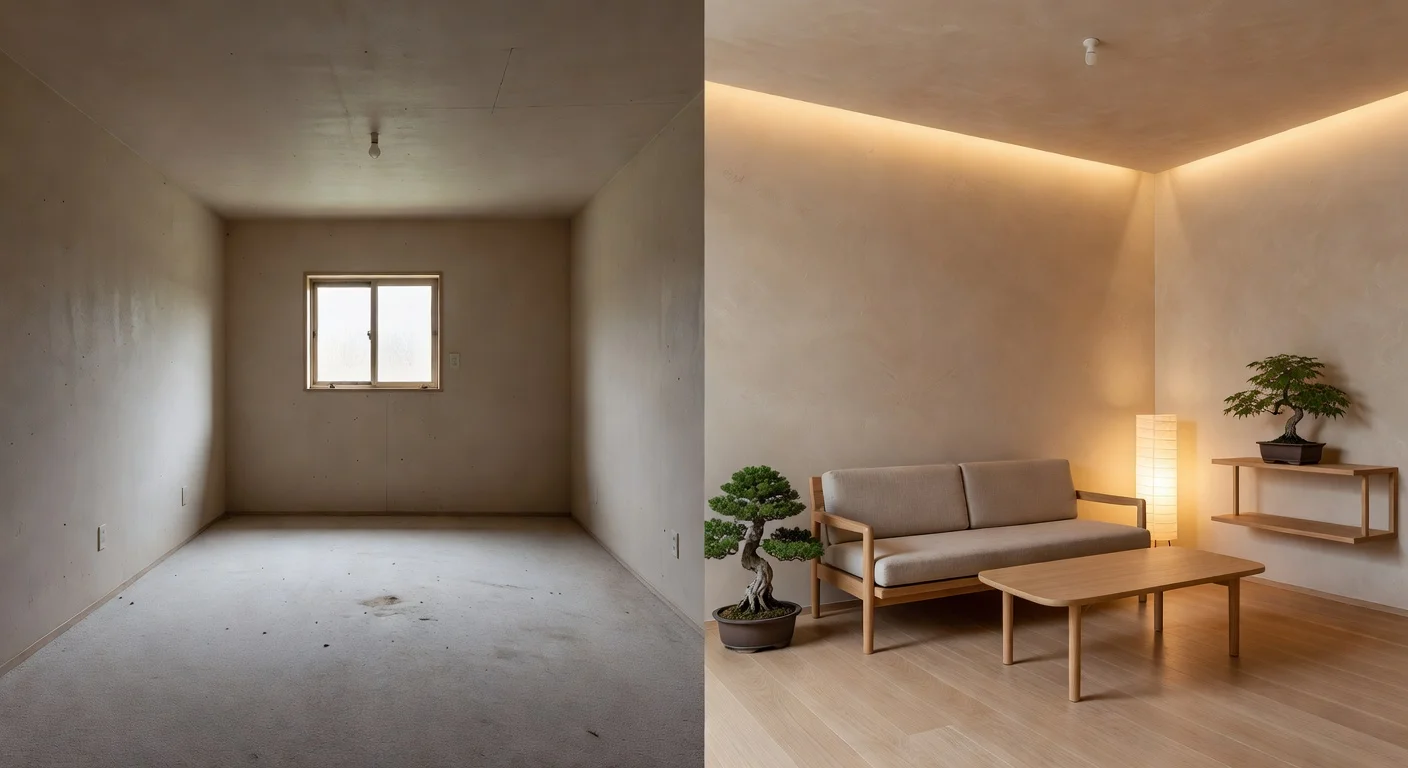
Yes, you can snap a photo of your unfinished attic and use generative tools like Renova AI to apply 100+ architectural styles. This allows you to visualize dormer windows and knee-wall storage before hiring a contractor.
How wide should an upstairs hallway be?
The absolute minimum legal width for a residential hallway is 36 inches according to the International Residential Code (IRC). However, aiming for 42 to 48 inches makes moving furniture upstairs significantly easier.
Are skylights worth it in an upstairs bathroom?
Yes, installing a high-quality ventilating skylight can increase natural light by 30% without sacrificing privacy. Just budget between $1,500 and $3,000 for a professional installation to prevent roof leaks.
How do I plan furniture for a sloped ceiling room?
Place low-profile items like beds and desks against the lowest knee walls. You must reserve the highest peak areas for walking paths and tall wardrobes.