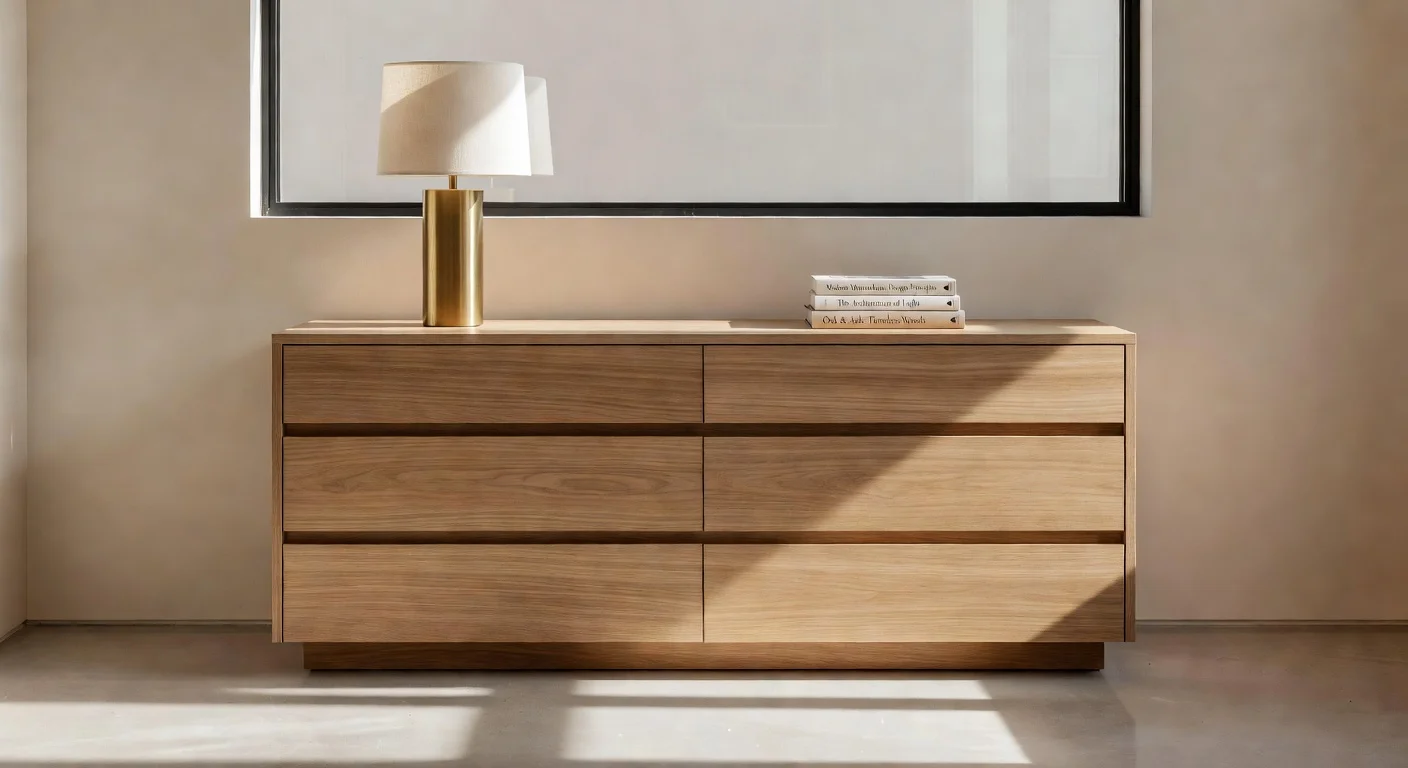
A dresser layout is the strategic physical arrangement of a clothing storage unit within a room's floor plan. Unlike simply shoving a chest of drawers against an empty wall, it optimizes walkway clearances and utilizes vertical space. This prevents cramped pathways while making daily routines significantly faster.
As someone who evaluates residential floor plans regularly, I constantly see people cramming bulky six-drawer units into corners that barely allow the drawers to open. Space planning algorithms changed drastically heading into 2026, but the physical constraints of an average 10x12 bedroom remain exactly the same. Here is how I tackle dresser placement based on actual room constraints.
Best for tight spaces: How do I arrange a dresser in a tiny bedroom?
You should position the dresser opposite the foot of the bed or entirely inside a walk-in closet. In late 2025, commercial real estate data indicated that 42% of new urban apartments feature bedrooms under 120 square feet.
When you lack square footage, your layout must prioritize foot traffic. Do not place a deep tallboy dresser on the wall immediately next to the room's entry door. It creates an immediate bottleneck.
Where should a short, wide dresser go?
Always anchor a horizontal dresser under a window or below a wall-mounted television. When working on a 10x10 bedroom layout with a queen bed, wall space is scarce.
Using the dresser as a TV console eliminates the need for an entertainment center.
Follow these strict placement rules for small rooms:
- Foot-of-bed rule: Keep a 30-inch walking path between the bed frame and the dresser front.
- The closet hack: If your closet depth exceeds 3 feet, tuck a narrow, waist-high chest of drawers under the hanging rod.
- Corners: Avoid corners unless you leave 4 inches of clearance for the room's baseboards and wall trim.
Does moving heavy furniture damage floors?
Yes, dragging solid wood dressers frequently causes deep gouges in soft pine, vinyl planks, and engineered hardwood. If you need to test different spots, do not drag the physical unit until you confirm the math.
I honestly think guessing layouts by shoving an 80-pound oak chest across a room is a massive mistake.

When fighting awkward floor plans: How to plan a layout without moving furniture?
The most efficient method is using spatial layout apps to test positions virtually before touching the actual furniture. Slanted ceilings, bay windows, and off-center doors ruin standard placement grids.
If your bedroom has non-standard architecture, measuring tape rarely tells the whole story. Visualizing the visual weight of the piece is just as critical as the dimensions.
Here is a breakdown of how different visualization methods perform in 2026:
| Planning Method | Time Required | Effort Level | Spatial Accuracy |
|---|---|---|---|
| Traditional Graph Paper | 45 minutes | High (Manual math) | 100% (2D only) |
| Renova AI App | 10 Seconds | Low (Photo snap) | High (3D conceptualization) |
| IKEA App | 15 minutes | Medium (Requires scanning) | High (Limited to brand inventory) |
| RoomSketcher PC | 1 Hour | High (Desktop editing) | 100% (Requires blueprint build) |
How does AI help visualize dresser placement?
It maps the exact dimensions and style of your existing room directly from a smartphone photo. I spent years sketching floor plans, but now I bypass manual measurements for early concepts.
If you have an awkward alcove, you just snap a photo of the empty space. I use Renova AI for this step because it bypasses clumsy 3D modeling.
You tell the app what you wish to see (like a mid-century tallboy or a modern double dresser), and it performs a complete bedroom room remodel with AI in seconds. There is absolutely no manual editing required. It helps you confirm if a dark walnut piece will look too heavy next to your nightstand.
Top tip: If you want to try this zero-effort planning method, you can grab the Renova AI app here to map your layout instantly.
Best for maximizing natural light: Should a dresser block a window?
No, you should never place a tall dresser directly in front of a window because it blocks egress and reduces sunlight. Standard residential fire codes require clear access to windows.
If you must use the window wall, you have to use a lowboy unit.
What is the maximum height for window placement?
The top of the dresser must sit at least four inches below the bottom lip of the window sill. This prevents fabric curtains or wooden blinds from resting awkwardly on the wood surface.
Blocking natural light shrinks the perceived size of the room. If your bedroom feels dark, push tall chests into the darkest corner to draw the shadows away from your primary walking paths.
What is the optimal clearance space around a dresser?
You need exactly 36 inches of empty floor space immediately in front of the unit.
This specific space planning metric prevents ergonomic strain.
- 12 inches: Needed for the drawer to fully extend.
- 24 inches: Needed for a person to stand securely while rummaging through clothes.
- Side clearance: Leave at least 2 inches of breathing room between the dresser edge and adjacent pieces like nightstands.
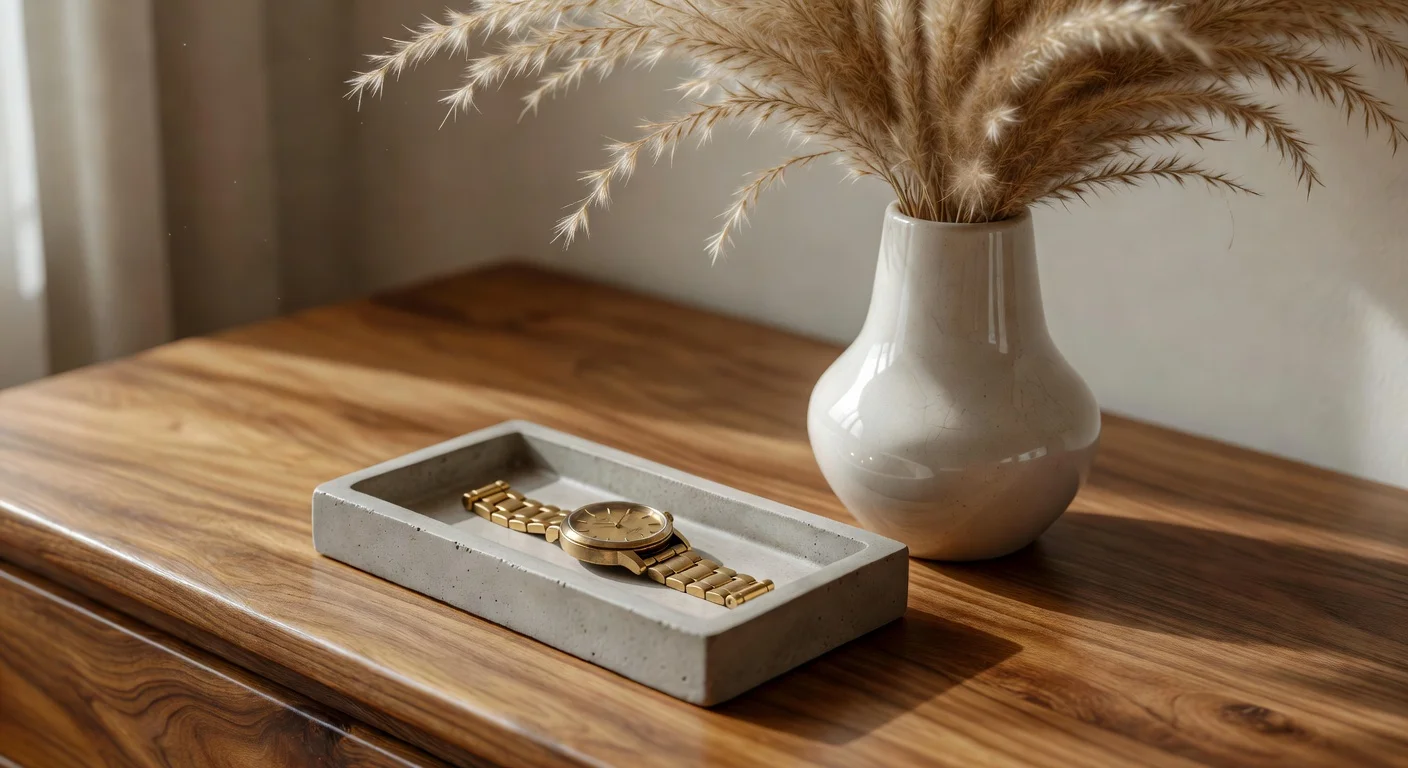
When styling the top surface: How do I decorate a dresser without clutter?
You must limit top-surface items to a tray, a light source, and one vertical decor piece. A dresser layout is not just about the floor plan; the horizontal surface heavily dictates the room's visual noise.
As someone who tracks home interior design shifts, the primary mistake I see is using the dresser as a dumping ground for receipts and loose change.
What is the rule of three in dresser decor?
This rule dictates that items grouped in odd numbers visually force the eye to move around the display rather than stare at a static pair.
If you place two identical lamps on a small unit, it looks like a hotel room. Try this formula instead:
- Height: One tall item (a 24-inch table lamp or arched mirror).
- Width: One wide, grounding item (a stack of hardback books or a wooden valet tray).
- Texture: One organic item (a potted pothos plant or textured ceramic vase).
Should I hang a mirror over my dresser?
Yes, hanging a mirror directly above the dresser bounces light across the room and creates a functional vanity.
However, you must anchor the mirror to the wall studs, not just the drywall. Center the mirror directly above the unit, leaving roughly 6 to 8 inches of blank wall space between the dresser top and the bottom edge of the frame.
Best for shared rooms: How do two people split one dresser layout?
The most practical approach is assigning the top drawers to the taller person and using drawer dividers to split the middle sections evenly. A single dresser for two people usually fails without rigid internal zoning.
Couples often fight over storage because they stack shirts vertically in shaky piles. In 2026, efficient room design demands file-folding.
How do I stop clothes from sliding around inside large drawers?
You must use rigid bamboo inserts or adjustable spring-loaded dividers. Flimsy cloth bins collapse under the weight of denim.
If a drawer spans 30 inches wide, finding socks becomes chaotic.
Divide wide drawers into three distinct lanes:
- Left lane: Underwear and delicate basics.
- Middle lane: Rolled t-shirts (the file-folding method popularized by organizers like Marie Kondo).
- Right lane: Heavy knits and folded denim.
What if I cannot fit a second dresser in the room?
If you lack floor space for a second unit, you need to transition out-of-season clothing into under-bed storage boxes.
Do not stuff winter coats into a bedroom dresser. Dresser real estate is highly valuable and costs roughly $50 per square foot of bedroom space. Reserve it strictly for items you wear at least once a week.
If you are stuck choosing between a second cramped dresser or an open floor plan, I always opt for the open floor. Use a visualization tool like Renova AI to map a single, larger piece of furniture before buying two disjointed cabinets that ruin your room's flow.

Frequently Asked Questions
Where is the best place to put a dresser in a bedroom?
You should place the dresser on the longest uninterrupted wall or directly opposite the foot of the bed. This keeps the heaviest visual weight balanced against the mattress.
How much space do you need in front of a dresser?
You need a minimum of 36 inches of empty floor space immediately in front of the unit. This allows a person to fully extend the drawers and stand comfortably while retrieving clothes.
Can I put a dresser underneath a window?
Yes, but you must use a lowboy dresser that sits at least four inches below the window sill. Tall units block natural light and violate residential fire egress codes.
Is it okay to put a dresser inside a walk-in closet?
Absolutely. Placing your dresser inside a closet frees up roughly 15 square feet of primary bedroom floor space, assuming your closet is wider than 6 feet.
How can I visualize a dresser without moving it?
You can use generative AI design apps to snap a photo of the room and instantly render new furniture arrangements. This avoids scratching your floors by dragging heavy pieces.
What is the rule of three for dresser decor?
The rule dictates grouping objects in odd numbers. A standard dresser surface should hold a tall item like a lamp, a medium item like a plant, and a low item like a trinket tray.