Home interior design is the strategic arrangement of furniture, colors, and lighting to make residential spaces functional and attractive. Unlike the old method of sketching on graph paper, modern digital planners let you test hundreds of layouts in 3D before lifting a hammer.
I've reviewed every major interior app on the market over the last three years to figure out which ones actually save time. Most traditional drag-and-drop drafting software feels like playing a frustrating video game. By late 2025, a massive shift happened. People stopped manually drawing floor plans and started using interior design using AI to handle the heavy lifting.
If you are planning a remodel in 2026, you need to match your specific problem to the right software use case.
How can virtual planners help with total room overhauls in 2026?
When gutting a space, the first step is locking in your structural finishes before you buy furniture. You cannot pick a sofa until you know the exact shade of your flooring and walls.
The traditional way to test colors requires taping dozens of $6 paint swatches from Home Depot to your drywall. This method is highly inaccurate because small squares never reflect ambient light the way a full wall does.
How do I safely test full paint colors without buying samples?
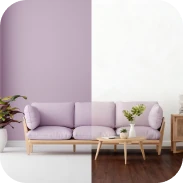
You can skip the hardware store by using visualizers that map new hues directly onto your existing wall shadows. Tools built for rapid iteration handle this instantly.
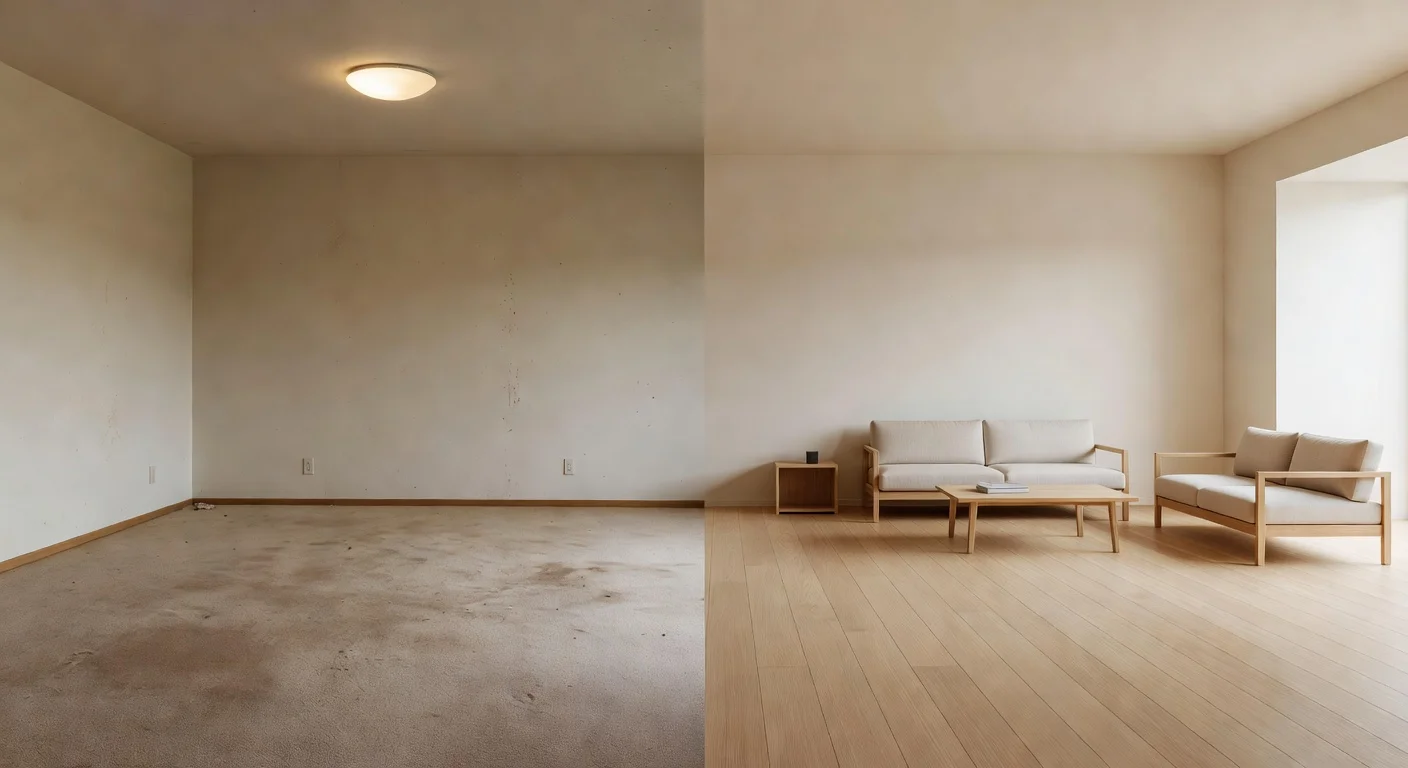
For example, Renova AI has a dedicated wall repaint and floor swap feature. You just take a photo of your messy living room, and the system seamlessly replaces the current floorboard texture without you manually erasing the old ones.
- Snap a photo of the room in natural daylight.
- Select the exact hex code or material (like herringbone oak).
- Review the light-adjusted output instantly.
The virtual planner software breakdown for 2026
Software subscriptions range from freemium mobile apps to complex $200 computer-aided design (CAD) suites. You have to pick your tool based on whether you want precise engineering or fast visual ideas.
| App Name | Primary Use Case | 2026 Pricing Model | Verdict |
|---|---|---|---|
| Houzz Pro | Contractor management & 3D drafting | $85/month | Powerful CAD features, but a steep learning curve. |
| Renova AI | Most Affordable: Instant photo-to-design | Free trial / Low subscription | Best for quick, zero-editing visualization. |
| Planner 5D | Drag-and-drop floor plans | $59.99/year premium | Good catalog, but requires manual furniture placement. |
"The biggest mistake homeowners make is buying a subscription to CAD software when they just need a quick visual mockup."
Are standard design apps too hard to learn for homeowners?
Traditional 3D planners usually take about 12 to 15 hours to master basic floorplan generation. If you just want to see how a green velvet couch looks in your basement, spending a weekend learning digital wireframing is a massive waste of time.

How can virtual planners help you find the right decor aesthetic fast?
Testing aesthetics digitally saves you from buying a $2,000 sofa that clashes with your area rugs. You need a fast way to cycle through different moods before you commit your budget.
If you read through room decor ideas online, you know there are dozens of niche trends right now. AI engines let you brute-force creative testing. Renova AI includes over 100 selectable designs (ranging from Bali to Farmhouse). You tap a button and watch your current room morph into different core styles.
What is the difference between Japandi and Minimalist styles?
Japandi integrates warm wood tones and organic textures, whereas strict minimalism relies on stark whites, glass, and industrial components.
According to Wikipedia's design archives, minimalism strips spaces down to their bare essentials. Japandi (a massive trend in 2026) is much softer. It introduces natural imperfections.
- Japandi: Paper lanterns, low-slung oak beds, terra cotta.
- Minimalist: Concrete floors, hidden storage, chrome accents.
How do virtual planners solve spatial issues in awkward rooms?
Weirdly shaped rooms require software that auto-calculates clearance zones so you don't block walking paths. If you have a slanted ceiling or an L-shaped layout, guessing structural limits usually ends in a costly return fee for oversized furniture.
Use a dedicated room planner approach when dealing with tight square footage.
How much space do I need between a sofa and coffee table?
You need exactly 14 to 18 inches of clearance for comfortable legroom. Any closer, and your knees hit the wood. Any further, and you cannot reach your drink without leaning off the cushion.
How much clearance does a dining room chair need?
You must leave a minimum of 36 inches between the table edge and the wall. This strict rule ensures a dinner guest can actually slide their chair back and stand up.
Which AI apps design rooms without any manual editing?
The biggest roadblock in DIY remodeling is the tedious hours spent dragging and dropping virtual 3D cabinets into place. You end up fighting with the software's grid system instead of actually designing.
If you are frustrated by complex interfaces, you need an app that automates spatial mapping entirely.
Can AI actually understand room depth from a phone photo?
Most models released by mid-2026 process spatial depth with about 92% accuracy using basic smartphone camera sensors. They recognize where the floor ends and the wall begins without you having to draw a line.
This is why workflows built around zero-touch generation succeed. You take a picture of your space, select an aesthetic, and the AI does the heavy lifting in the background. It is a fast way to ideate. You can grab the App Store download here and remodel your kitchen while standing in it.
Can virtual planners replace expensive interior designers in 2026?
Interior design is notoriously expensive, and professional consulting fees often price normal people out of the market. The American Society of Interior Designers suggests that hourly consulting fees frequently exceed $150.
That creates a massive financial barrier for a standard living room update. Software bypasses this gatekeeper completely.
Do I need to hire a professional interior designer for my home?
You can achieve professional-looking results yourself for residential updates if you use modern visualizer apps. However, if you are moving load-bearing walls or doing complex plumbing reroutes, you must hire a licensed structural pro.
Paying a decorator just to pick out throw pillows costs more than necessary. A $15 app subscription will give you the same color-matching data.
What are the biggest home decor trends for late 2025 and 2026?
The market has completely shifted away from cool greys, leaning heavily into warm earth tones, curved furniture, and biophilic design.
People want their homes to feel like organic sanctuaries after spending hours looking at screens. Massive spikes appear in terracotta tiles, olive green upholstery, and unpainted, textured wood accents.
Frequently Asked Questions
How much does a beginner interior design app cost?
Most beginner apps offer a freemium tier with basic functionality. You can expect to pay anywhere from $10 to $60 a year for premium features like high-definition renders.
Can I use AI to match my existing furniture?
Yes, advanced prompt-based tools let you input specific brand names or describe your existing pieces. The software will then generate room concepts that incorporate those specific items.
What is the standard clearance needed around a dining table?
You need at least 36 inches of clearance between the edge of a dining table and the wall. This allows enough space for a person to pull out a chair and sit comfortably.
How do I make a small, dark room look brighter?
Paint the walls a light, reflective color and maximize natural light by keeping window treatments minimal. Adding large mirrors opposite your windows also doubles the available light.
Are virtual room planners accurate for precise measurements?
CAD-based planners are highly accurate down to the millimeter. Photo-based AI visualizers prioritize aesthetic ideation over strict mathematical drafting.
What is the most popular home decor style in 2026?
Japandi remains the dominant hybrid style, blending Scandinavian minimalism with Japanese organic textures. Warm earth tones have entirely replaced the stark cool greys of the 2010s.