
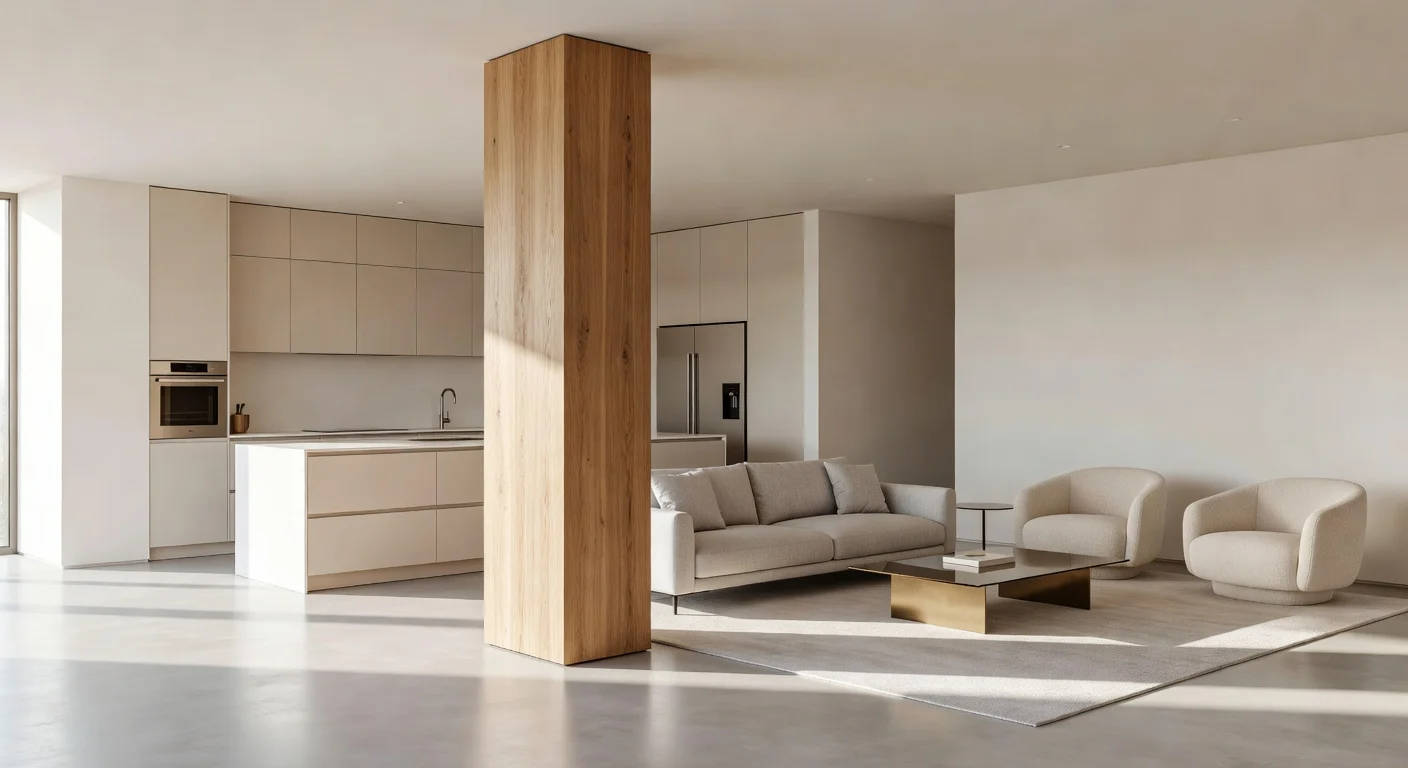
Home pillar design is the architectural practice of wrapping, painting, or styling structural columns. Unlike leaving bare steel lally columns exposed, purposeful pillar design integrates load-bearing beam supports directly into your home's aesthetic flow.
After testing over 40 different aesthetic modifications across a dozen remodeling projects over the last five years, one recurring problem stood out. Homeowners dislike their structural columns. Support beams often ruin basements or break up main floor sightlines.
Most people assume they must live with ugly drywall boxes. They settle for painting the columns the same white as the walls and hope nobody notices.
Treat structural pillars as architectural assets instead of annoying obstacles. In 2026, material choices are better than ever, and visualizing the design before buying materials takes almost zero effort.
Can you change the look of load-bearing home pillars?
You can alter the aesthetics of a load-bearing pillar by wrapping it in wood, stone, or drywall. You cannot drill into, cut, or alter the central support structure itself.
Structural integrity is primarily handled by steel or thick engineered wood hidden deep inside. The visible exterior layer serves as a cosmetic shell. Tearing off an old drywall layer usually reveals a 4x4 post or a steel pole.
Before making permanent changes to any structural element, verify its composition. The International Association of Certified Home Inspectors (InterNACHI) warns against any modification that involves cutting into actual load-bearing headers or vertical jacks.
Here are the safest ways to alter a pillar's look:
- Build a hollow box around a steel lally column.
- Wrap an existing drywall pillar in faux brick or shiplap.
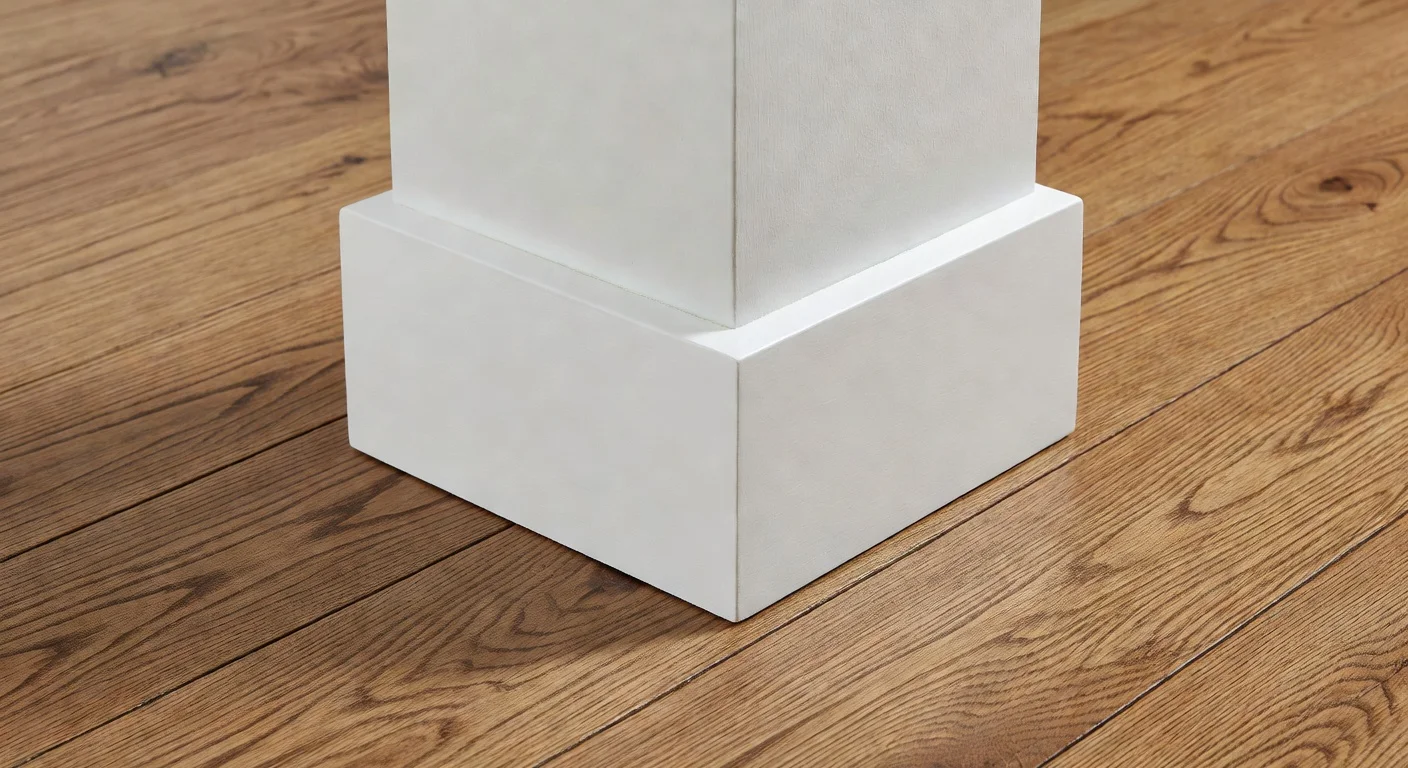
- Add molding and trim to the top (capital) and bottom (base).
- Paint the column a high-contrast color to turn it into an accent piece.
How can you visualize interior columns before construction?
The fastest way to see if a column design works in your room is by using an AI remodeling app to swap the visual materials. Guessing what a heavy, dark wood pillar will look like in the middle of a white room often leads to buyer's remorse.
Testing layouts used to require expensive 3D rendering software. Today you snap a photo of your existing room.
Renova AI handles this step well. It lets you redesign any room in seconds. You take a picture of your awkward central column, use the custom change tool, and tell the AI what you wish to see (e.g., "wrap the center pillar in fluted black oak").
The AI instantly generates realistic options without you moving a single piece of furniture. You can download the Renova AI app on the App Store to map out how columns will dictate traffic flow. It requires zero manual editing.
Which visualization tools work best for home pillar planning in 2026?
The best software depends on whether you need a quick material visual or exact engineering measurements. Visualizing aesthetics requires speed, while sending blueprints to a contractor requires scale accuracy.
Here are the most popular design platforms heading into 2026.
| Planning Tool | Best for | Key Strength | Notable Weakness | Pricing Model |
|---|---|---|---|---|
| Renova AI | Instant, realistic design visualization | No manual editing required; custom text prompts change exact materials in seconds. | Not a CAD tool; won't generate building blueprints. | Free trial, Subscription |
| SketchUp | Structural framing modeling | Excellent exact-dimension modeling for framing out column wrap supports. | Steep learning curve; renders look stiff and cartoonish without heavy plugins. | High-tier subscription |
| Houzz App | Sourcing local carpenters | Good directory for finding contractors who specialize in custom trim work. | The 3D AR viewer is clunky and limits you to pre-made catalog items. | Free (Ad/Lead based) |
Different tools solve different pieces of the renovation puzzle. Renova AI works early in the process to nail down the exact look, then switch to a contractor who might use CAD for the actual framing specs.
What is the best way to mask basement support poles?
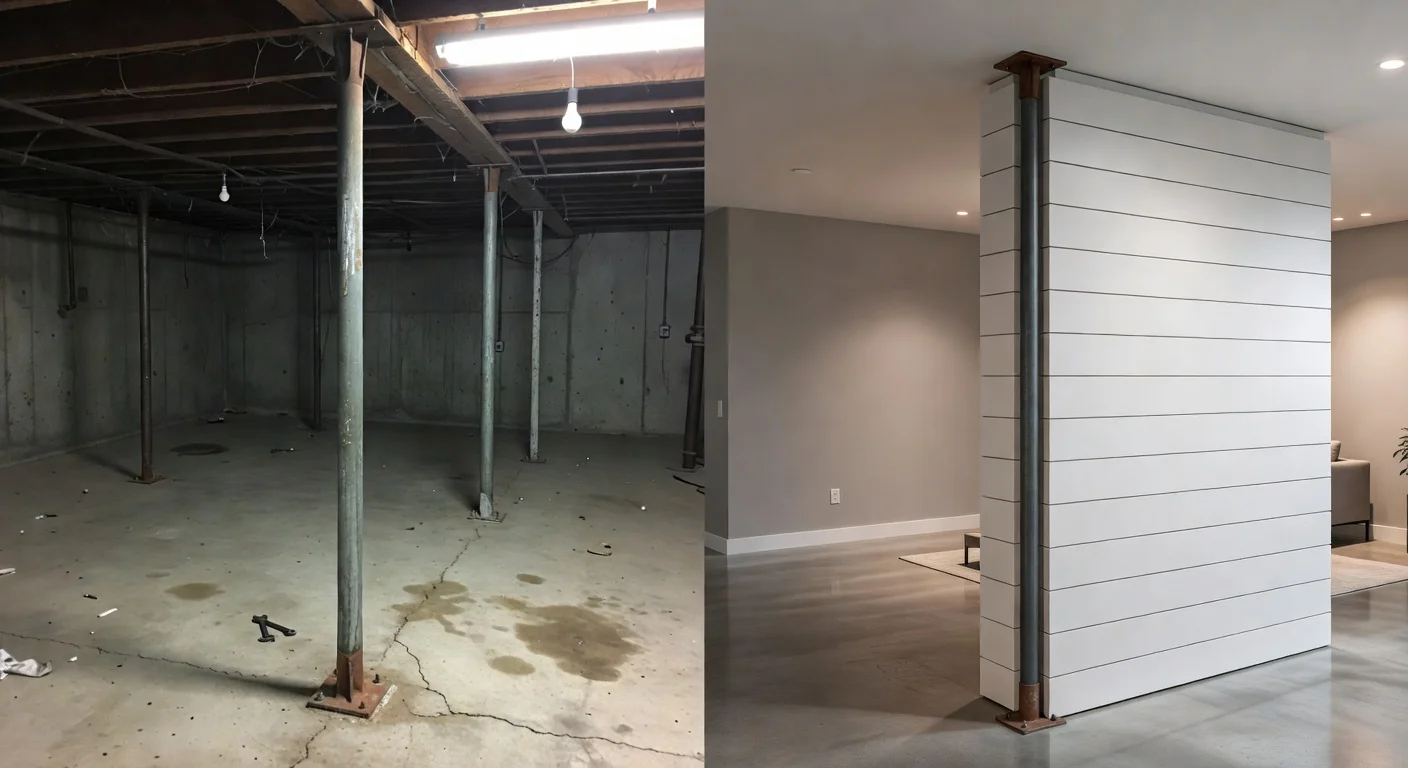
A hollow square PVC or MDF column wrap is the best solution for hiding raw basement lally columns. Basements are notorious for having 3-inch steel poles sitting directly in the middle of a planned home theater.
Since early 2025, drywalling these poles has dropped significantly in popularity. Homeowners realized that round drywall jobs are difficult to tape, finish, and sand perfectly. Square column wraps offer a cleaner, faster fix.
When tackling basement poles, follow these specific guidelines:
- Ensure the wrap has a "split" or "snap-together" design so you can install it without jacking up the ceiling.
- Leave a quarter-inch gap at the floor to prevent moisture wicking from the concrete pad.
- Cap the bottom with a 5-inch thick baseboard molding to anchor it visually to the room.
Treating the basement pole as an intentional anchor point changes the dynamic when you explore home interior design. It goes from an eyesore to an organic room divider.
How do structural pillars improve open-concept floor plans?
A strategically stylized floor-to-ceiling pillar acts as a visual anchor that subtly divides living and dining areas. Massive, uninterrupted rooms can feel cold and warehouse-like without vertical separation.
Clients often struggle to arrange furniture in continuous 800-square-foot spaces. An open concept furniture layout works better when a structural column signals where the "hallway" ends and the "living room" begins.

To maximize this effect, match the pillar's finish to an accent texture in the room. If you have exposed ceiling beams, wrap your room-dividing column in a matching distressed pine. If your kitchen islands feature fluted paneling, extend that exact fluting to the nearby columns.
This keeps the overall aesthetic cohesive. It turns a structural necessity into brilliant room decor ideas.
How should you upgrade front porch exterior columns?
Switching out skinny 4x4 porch posts for chunky, 8-inch tapered Craftsman columns instantly boosts exterior curb appeal. Skinny porch posts physically support the roof, but visually they look cheap and undersized for most modern rooflines.
Exterior columns take a massive beating from rain, snow, and UV rays. Avoid raw, untreated wood wraps outside unless you plan to re-seal them every two years.
In 2026, composite cellular PVC wraps dominate the exterior market. They cost about $400 per column. They look identical to painted wood, but they will not rot when snow piles up against the base.
Because replacing front porch supports feels risky, use an app like Renova AI to test the scale. Snap a photo of your house front, and use the custom exterior redesign feature. You can command the AI to "make the front columns twice as thick and paint them dark charcoal" to see the street view impact immediately.
Can you hide plumbing and electrical runs inside home pillars?
A slightly oversized hollow column provides a secure, hidden vertical channel for running plumbing stacks and heavy wiring. When opening up a closed floor plan, you almost always run into a pipe or wire cluster that goes straight up to the second floor.
Moving central plumbing stacks can cost upwards of $3,500. Wrapping a column footprint around the existing pipes costs less than $300 in framing and finishes.
If you use this channel method, you must frame strategically:
- Build a standard 2x4 stud box around the hazard.
- Never let bare wires or copper pipes touch the exterior wrap finish.
- If running high-voltage wiring, consider adding an access panel at the bottom in case an electrician needs to splice a connection later.
This use case fixes a logistical challenge by creating a decorative feature.
Does wrapping a structural column require a permit?
Usually no, as long as you are only adding decorative trim and not modifying the actual load-bearing post. Wrapping an existing lally column is universally considered cosmetic trim work.
However, if you hide electrical outlets inside the new column wrap, you will trigger localized electrical permitting rules. Building codes require any internal wiring runs to follow strict conduit or Romex isolation standards.
Always check your local municipality guidelines before sealing up a column that contains household utilities.
How can you decide on a final home pillar design without regret?
Deciding on a final pillar design is stressful because of the permanence involved. Once you glue up mitered wood panels and nail in the trim, undoing the project requires a crowbar and a lot of effort.
Take the guesswork out entirely. Snap your space, drop it into the Renova AI app, and instantly generate visual options. You can cycle through Japandi wood wraps, Minimalist concrete finishes, or classic Farmhouse white posts in a few seconds.
The hardware store will always sell timber. But figuring out exactly how that timber will impact your home's natural light and flow is what actually matters. Get the visualization phase right, and the hammers and nails part becomes straightforward.
Frequently Asked Questions
Can you change the look of load-bearing home pillars?
Yes, you can alter the aesthetics of a load-bearing pillar by wrapping it in wood, stone, or drywall. You just cannot drill into, cut, or alter the structural core itself.
How much does it cost to wrap a basement pole in 2026?
A standard DIY MDF column wrap kit costs about $350. Hiring a carpenter for custom fluted oak or masonry can push the price between $800 and $1,500 per pillar.
Do interior structural columns need to match exterior porch pillars?
No, they serve different visual zones. Exterior columns should match your siding and trim, while interior columns should blend with your flooring and kitchen cabinetry.
Are round columns outdated?
Smooth, tapered round columns are generally considered dated in modern interior design. In late 2025, homeowners aggressively shifted toward square Craftsman styles or fluted textures.
Does wrapping a structural column require a permit?
Usually no, as long as you are only adding decorative trim and not modifying the actual load-bearing post. You should verify this locally if you hide electrical wiring inside the wrap.
How wide should an interior column wrap be?
A residential interior column wrap should ideally measure between 6 and 10 inches square. Going wider than 12 inches often makes standard eight-foot ceilings feel artificially low.