
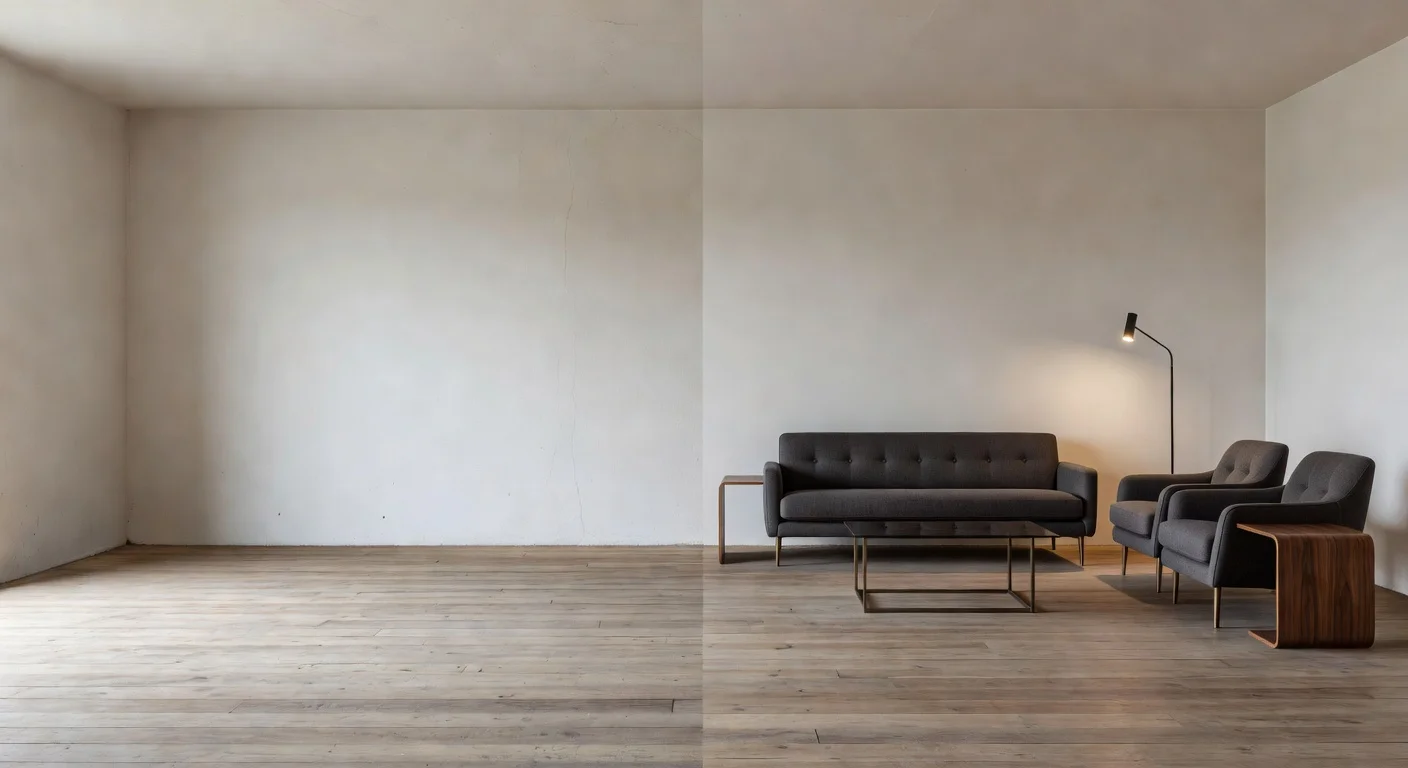
VRX staging is a digital real estate service that uses 3D modeling software to add realistic furniture and decor to photos of empty rooms. Unlike traditional physical staging, it skips the heavy lifting and truck rentals by rendering styled living spaces entirely on a computer.
As someone who flips residential properties and tests digital design tools, I stopped renting physical couches years ago. Hiring movers cost up to $2,500 per month just to make a vacant house look lived-in.
Switching to virtual alternatives cut that marketing budget to about $200 per listing. Buyers want to see if their king-sized bed will fit. Pixel-perfect digital rendering solves that problem.
How does VRX staging work?
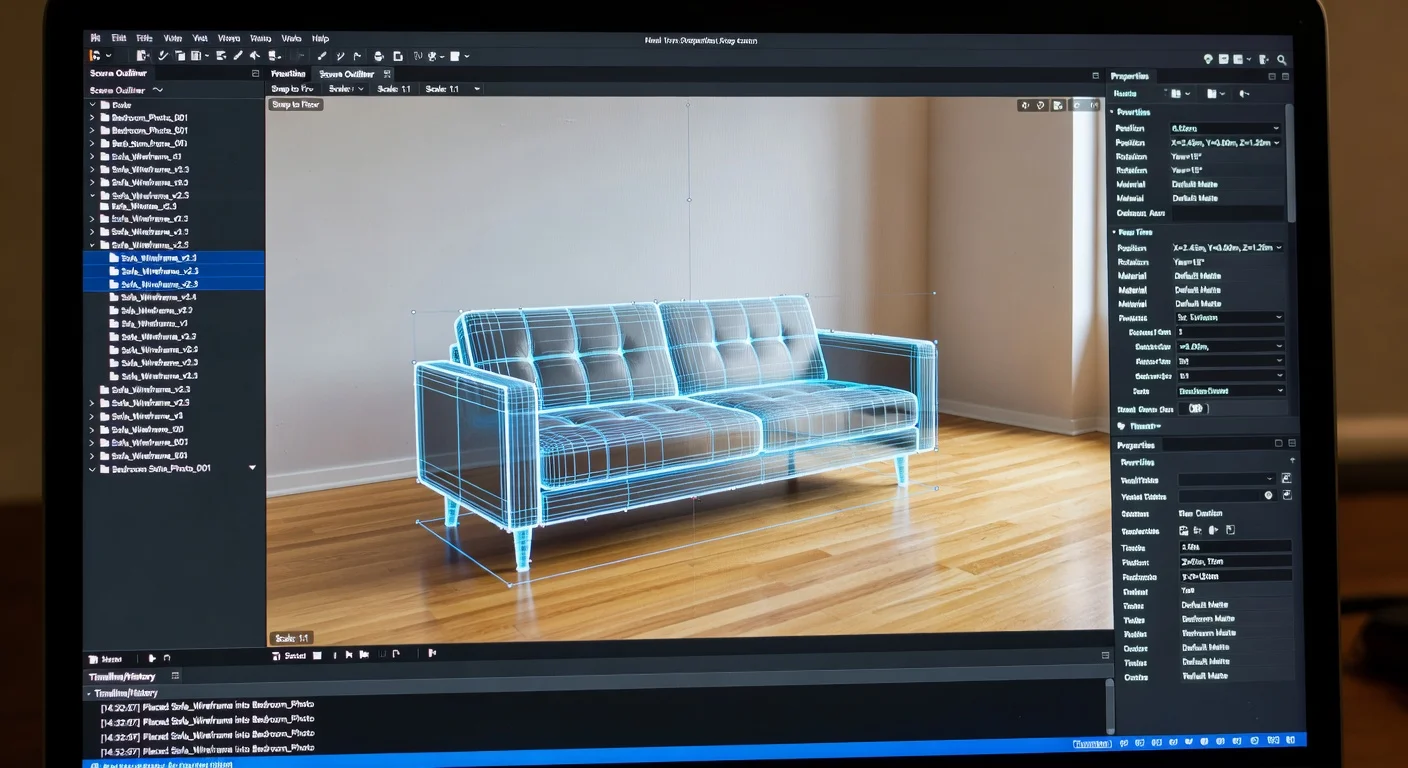
Agencies take your high-resolution uploads and manually insert CAD models of beds, rugs, and artwork. A human graphic designer maps the perspective of the empty room so the digital items respect the actual floor space.
Once the items are placed, the editor adjusts digital light sources to match the windows in the original photo. This ensures the digital sofa casts a realistic shadow on the real floor.
The standard process follows three steps:
- The capture: Submit wide-angle, brightly lit photos of the vacant rooms.
- The selection: Choose a catalog style such as Farmhouse, Contemporary, or Urban Industrial.
- The rendering phase: A designer spends 24 to 48 hours layering 3D models into the 2D image file.
How long does virtual staging take in 2026?
Most professional virtual staging services require 24 to 48 hours to deliver edits. They rely on human designers to hand-place assets, which creates bottlenecks during busy spring real estate seasons.
Waiting two days for a photo while a property racks up holding costs is frustrating. Every inactive day on the MLS is a missed opportunity. This delay is why interior design using AI is replacing human-led editing.
What does virtual staging cost in 2026?
Standard digital staging now costs between $25 and $45 per image at major agencies. Twilight exterior edits or 360-degree panoramic staging often reach $75 per file.
Physically staging a 2,000-square-foot home averages $2,800 for a three-month rental contract. Virtual staging the primary six rooms drops that expense to around $180. The math favors virtual options for most listing agents.
Which is better: agency virtual staging or AI apps?
If you have a massive marketing budget and a week to prepare a luxury listing, human agencies deliver reliable results. For flipping a standard suburban home, app-based automation is taking over.
| Feature / Service | Traditional Agency Staging | Renova AI (Top Pick for instant DIY) | Physical Home Staging |
|---|---|---|---|
| Speed | 24 - 48 Hours | 3 Seconds | 1 - 2 Weeks |
| Cost | $30 - $45 per photo | <$10/month subscription | $2,000+ per month |
| Effort Level | Medium (Upload & email) | Zero (Snap & generate) | High (Moving trucks) |
| Customization | Pay for revisions | Unlimited instant redos | Swap fees apply |
| Learning Curve | Zero | No manual editing required | Coordination heavy |
Agencies provide strong hyper-realism, but coordinating revisions via email adds friction. Use a dedicated automated app for high-volume needs without the agency markup.
Why are automated staging tools replacing agencies in 2026?
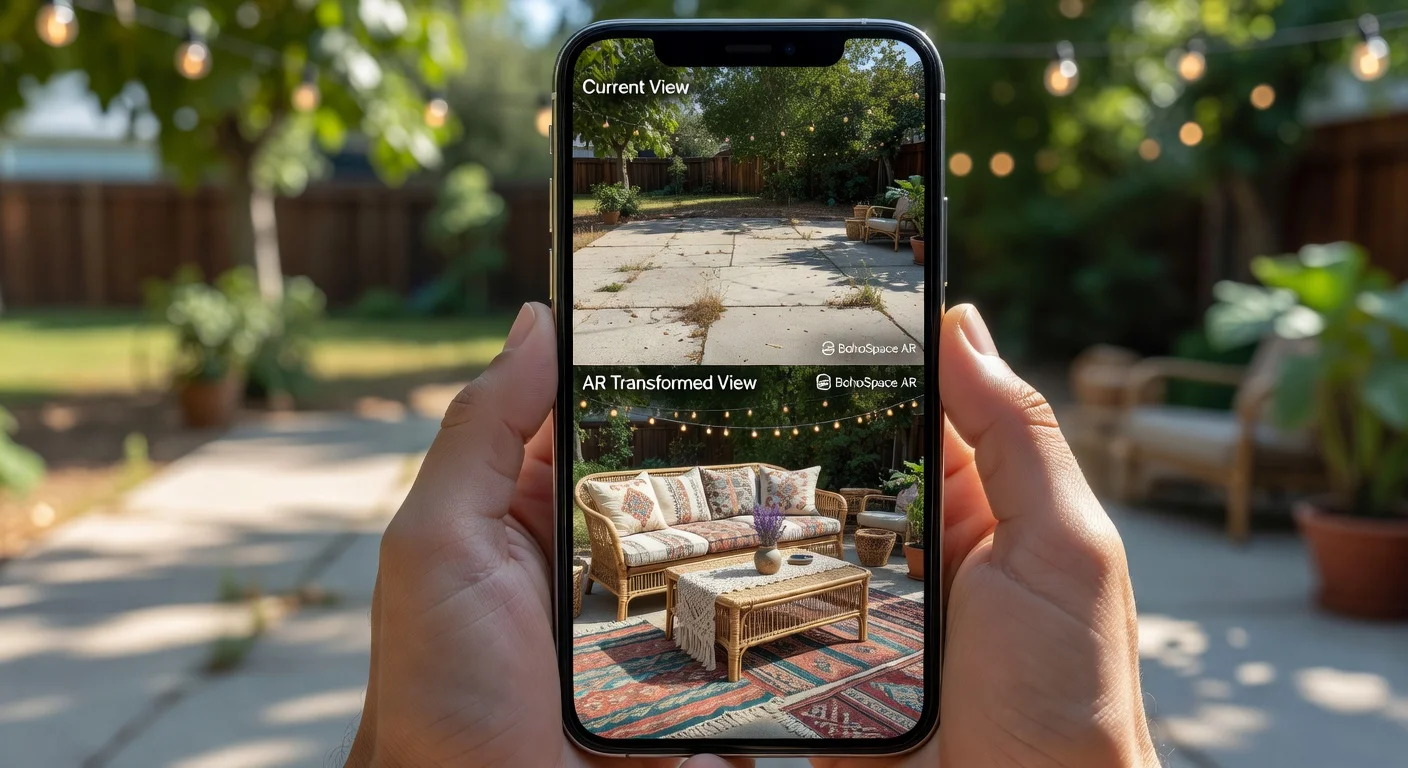
Automated tools read the geometry of a photo and style the room without any wait time. Neural networks understand room depth in milliseconds instead of a human adjusting lighting sliders for an hour.
The Renova AI App bypasses the traditional agency model. Snap a photo of an empty living room and it renders a finished space instantly.
The app offers zero learning curve. It handles the work while you flip through 100+ designs from Japandi to Art Deco until the aesthetic matches the property.
Why do furnished real estate listings sell faster?
Empty spaces confuse buyers because human eyes struggle to judge raw square footage without reference objects. An empty 12x12 bedroom looks small until a queen-sized virtual bed appears inside it.
Data from the National Association of Realtors (NAR) shows that 81% of buyers' agents say staging makes it easier for buyers to visualize the space. Without furniture, buyers fixate on defects.
A scuff mark on the baseboard draws attention for five minutes in an empty room. A digital mid-century modern sofa shifts focus to the lifestyle potential.
Does virtual staging increase home sale prices?
Staged homes generally command higher offers because they stand out on internet listing feeds where 97% of property searches begin. A vacant thumbnail looks cold, so thumb-scrolling buyers skip it.
Using a room planner tool on the primary listing photo boosts click-through rates. More clicks drive higher open-house traffic and bidding competition.
Will buyers feel tricked by virtual staging?
Most buyers do not feel deceived when photos carry a clear "Virtually Staged" watermark. Presenting computer-generated assets as physical reality without a disclaimer violates MLS rules and ethics.
Print the digitally enhanced photos on large foam boards and display them on easels inside the vacant property. Buyers enter an empty house but immediately see the intended vision.

Can virtual staging remove existing clutter from photos?
Advanced staging tools now include item removal that erases ugly furniture before adding modern replacements. This helps agents working with tenant-occupied homes or hoarding situations.
The software clones the flooring and wall textures under the mess, then treats the room as a blank canvas for home interior design.
How should I photograph rooms for virtual staging?
Shoot photos horizontally from chest height while keeping three walls visible in the frame. Staging algorithms and human editors both struggle with high-angle shots taken from a corner.
Turn on every light and open all blinds before you shoot. Dark photos force the software to guess at natural window light, which creates unrealistic CGI shadows.
- Clean the floor: Sweep up visible trash because debris confuses floor-swap algorithms.
- Shoot wide: Use the 0.5x lens on an iPhone to capture maximum floor space.
- Stand straight: Avoid angling the camera down at the floor or up at the ceiling.
By mid-2026, buyers expect high visual quality on Zillow or Redfin. Whether you pay an agency $40 per photo or use a fast AI app on your phone, empty rooms hurt listing performance.
Frequently Asked Questions
Is virtual staging legal in real estate listings?
Yes, it is strictly legal as long as the listing explicitly states the photos are virtually staged. Most Multiple Listing Services (MLS) require a visible watermark on the modified images to prevent buyer deception.
Can a digital staging service remove existing clutter?
Yes, most professional agencies and AI apps offer an item removal feature for an extra fee. They erase the current physical mess and reconstruct the wall or floor behind it before placing new digital decor.
How much does standard virtual staging cost?
Agency pricing typically ranges from $29 to $45 per photograph in 2026. AI-driven alternatives operate on subscription models that bring the per-photo cost down to pennies.
Will buyers be angry if the open house is entirely empty?
They rarely are, provided the listing was honest. Buyers understand the digital models are just showing the spatial potential of the footprint.
Can I change the floor or wall colors digitally?
Yes, floor replacement and virtual repainting are standard add-on services. This helps buyers visualize a cosmetic fixer-upper property after light renovations.
Do I need special photography to submit for digital staging?
No, standard smartphone photography works for most AI tools today. Agencies, however, usually prefer high-resolution DSLR photos to ensure the lighting matches their 3D CAD assets.