
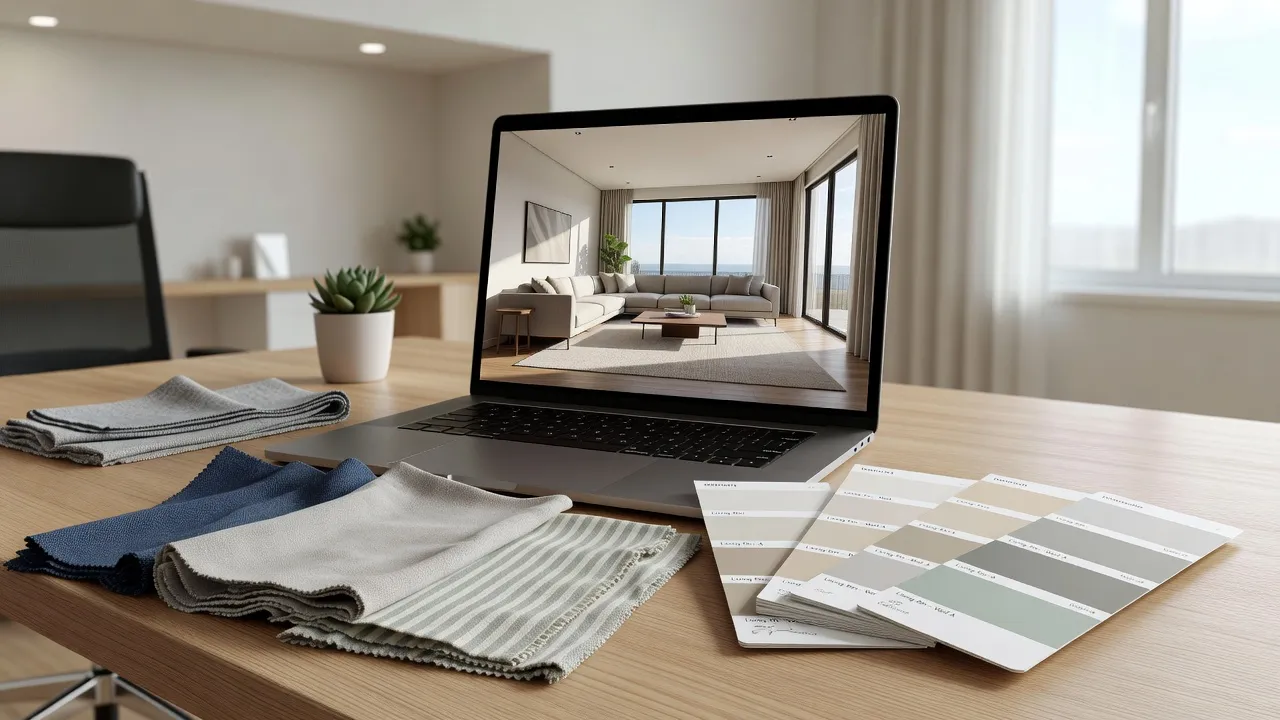
Virtual interior design uses digital software, 3D rendering engines, or artificial intelligence to visualize and remodel room layouts online without in-person designer visits. Depending on whether you need full human consultation or instant visual mockups, top options in 2026 range from full-service platforms like Havenly to zero-learning-curve AI tools like Renova AI. As of August 2026, costs range from free smartphone visualizers to over $200 per room for full digital design packages.
Modern virtual design falls into three primary categories: human-guided online decorating, manual 3D floor-planning software, and instant photo-based AI visualizers. Choosing the wrong category usually leads to wasted money or hours spent struggling with complex CAD controls.
What is virtual interior design and how does it work?
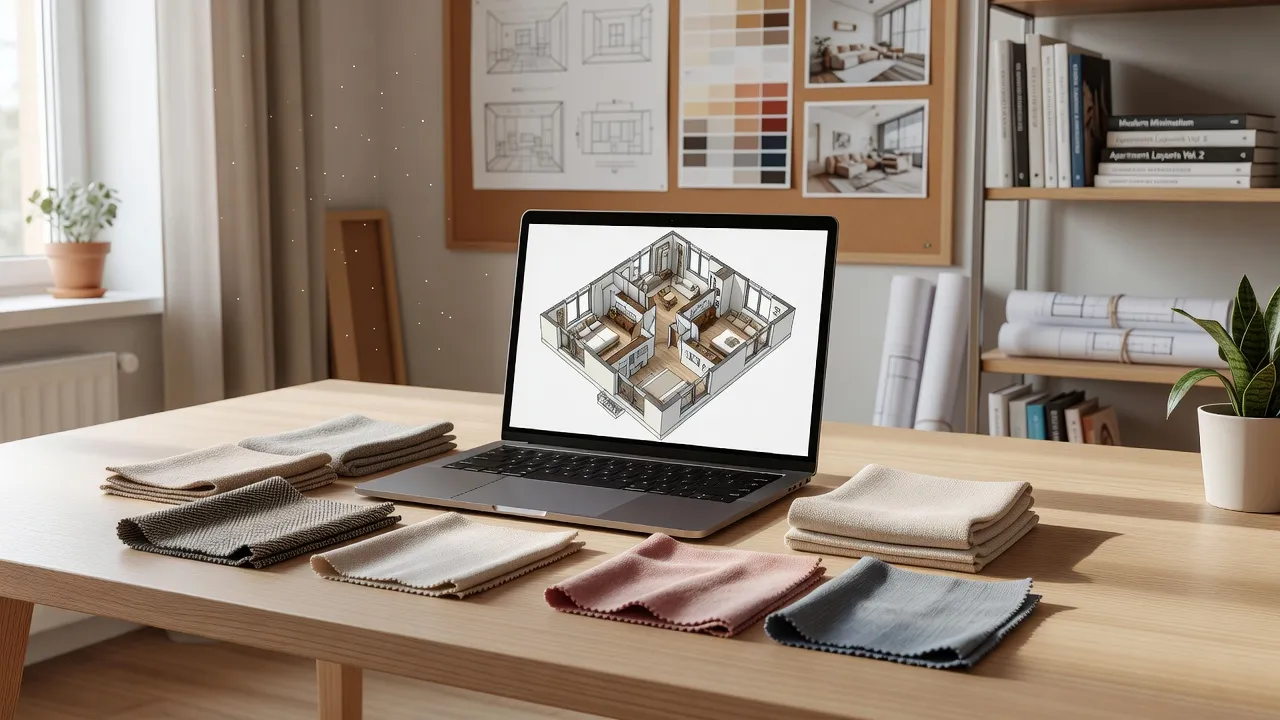
Virtual interior design replaces traditional home decorating by using digital floor plans, 3D mockups, and automated product shopping lists. Instead of paying an interior decorator for home visits, you submit room measurements, photos, and style preferences through an online dashboard.
The digital approach drastically reduces overhead costs for designers, bringing custom room planning to everyday homeowners. Most modern interior design services deliver scaled spatial layouts, mood boards, and direct shopping links to retail stores within a few weeks.
Is Modsy still available and operating in 2026?
No, Modsy permanently closed its online interior design service in July 2022 and is not operating in 2026. The company abruptly ceased business operations, dissolved its design team, and canceled active client orders after failing to secure required financing.
According to coverage by the Wall Street Journal, Modsy surrendered its assets to a third-party assignee during liquidation. Former customers searching for Modsy in 2026 must rely on active alternatives like Havenly or automated rendering engines.
How does Modsy perform for realistic 3D renderings?
Historical reviews rated Modsy among the top platforms for photorealistic 3D room mockups because it built proprietary digital models of real retail furniture. The software accurately placed items to scale inside a digital replica of the customer's exact room dimensions.
Because the company is defunct, you can no longer order Modsy renderings. However, tools like Coohom offer similar CAD rendering fidelity, while modern ai room design apps deliver comparable visual style matching directly from a single phone photo.
How does Havenly perform for realistic redesign?
Havenly delivers realistic room redesigns by matching clients with professional human designers who assemble custom 3D mood boards and layout concepts. The visual accuracy is high because designers source real products from partnered merchants like West Elm, CB2, and Wayfair.
Havenly focuses heavily on practical styling rather than complex structural remodeling. The resulting rendering looks like an actual photograph of products arranged inside a standard room template.
What is the turnaround time for a Havenly design package?
A standard Havenly project takes between two to three weeks from initial quiz submission to final delivery. This window covers initial designer matching, mood board feedback, draft revisions, and final 3D layout rendering.
What are the main limitations of using Havenly?
The primary trade-offs of Havenly are its multi-week waiting period, human revision delays, and heavy focus on affiliate retail catalogs. If you want to experiment with structural changes like wall repainting or floor swapping instantly, waiting weeks for manual designer updates can slow down your project timeline.
How does Decorist compare for realistic 3D renderings?
Decorist is no longer active in 2026, having permanently shut down its virtual design platform in late 2022. Parent company Bed Bath & Beyond retired the brand during a broader corporate restructuring, ending its flat-rate design offerings.
Before shutting down, Decorist relied primarily on 2D mood boards paired with basic 3D spatial layouts. Its rendering tech was functional for furniture positioning, but it generally lacked the photorealistic lighting depth that Modsy's proprietary CAD engine achieved.
Comparison of top virtual interior design services in 2026
The table below compares leading virtual interior design platforms by workflow, cost, turnaround speed, and major user limitations.
| Service / Tool | Best For | Typical Cost (as of August 2026) | Turnaround Time | Primary Limitation |
|---|---|---|---|---|
| Havenly | Full human designer consultation | $129 - $199 per room | 2 - 3 weeks | Multi-week wait time and affiliate product bias |
| Renova AI | Instant photo-based AI remodeling | Free download (optional sub) | Seconds | Designed for visual styles rather than CAD blueprints |
| Planner 5D | DIY manual 3D floor planning | $19.99 per month | 1 - 3 hours (DIY) | Requires manual floor plan construction from scratch |
| Coohom | Professional 4K ray-traced rendering | $25 - $99 per month | 10 - 30 minutes | Steep CAD learning curve for everyday homeowners |
| RoomSketcher | Architectural blueprints & 2D plans | $38 - $198 per year | 1 - 2 hours (DIY) | Graphics look like floor plan drawings rather than photos |
How does Planner 5D compare to RoomSketcher and other tools for realistic redesign?
Planner 5D provides richer default surface textures and realistic lighting effects than RoomSketcher, making its 3D snapshots look more life-like. RoomSketcher prioritizes technical accuracy, precise wall dimensions, and black-and-white print blueprints over realistic visual lighting.
According to documentation on Planner 5D, the platform uses artificial intelligence to convert uploaded 2D floor plans into 3D environments automatically. This cuts down setup time compared to traditional drafting software.
What are the main drawbacks of manual 3D floor planners?
Manual planning software requires you to measure every wall, door, and window before dragging and dropping digital furniture items into place. Building a room wireframe manually takes significant effort, which rules these tools out for anyone wanting quick visual room inspiration.
How does Coohom perform for realistic renderings and 3D virtualization?
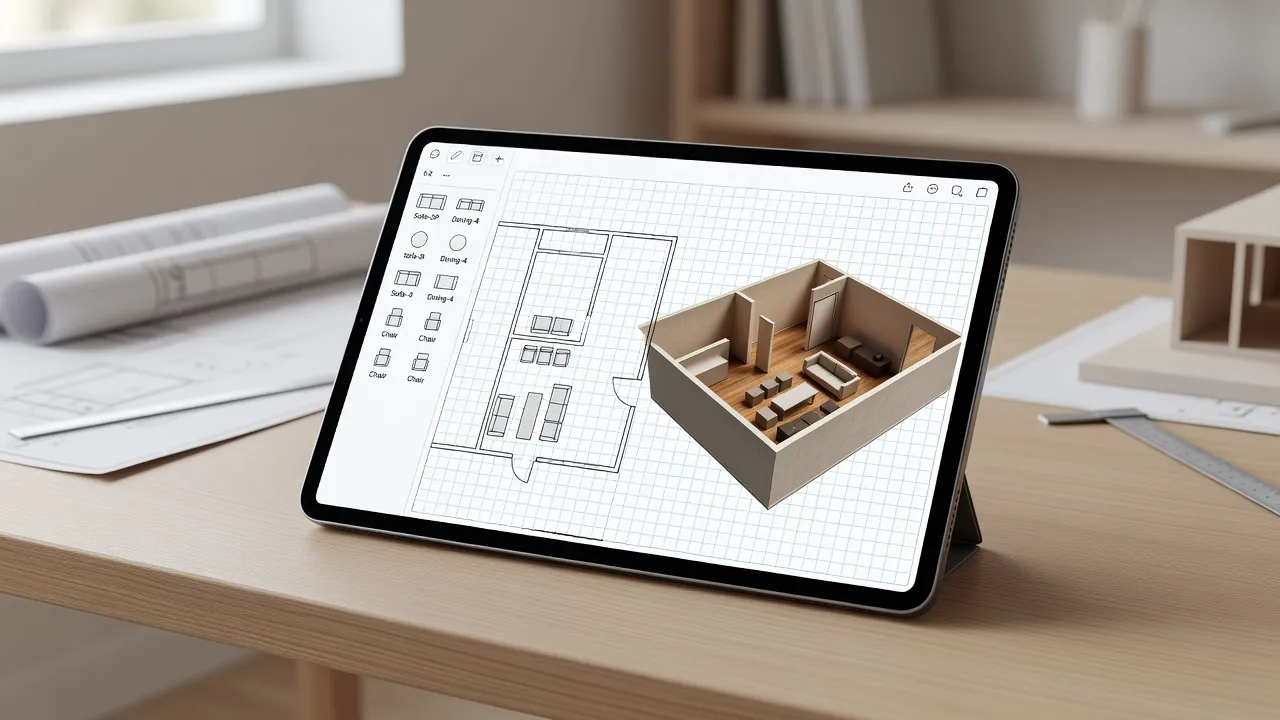
Coohom produces commercial-grade, photorealistic 4K renders in under two minutes, making it a market leader for high-end digital virtualization. Its cloud engine processes complex lighting reflections, shadow textures, and material finishes with studio quality.
The platform is designed primarily for interior designers, furniture manufacturers, and real estate professionals. Standard users can generate camera views that look almost indistinguishable from actual interior photography.
Who should avoid using Coohom for virtual room redesign?
Casual homeowners should avoid Coohom due to its professional subscription pricing and complex CAD workspace. Setting up lighting sources, camera angles, and custom texture mapping requires technical design training that most DIY renovators do not have.
Why rapid AI room generators are replacing slow design workflows
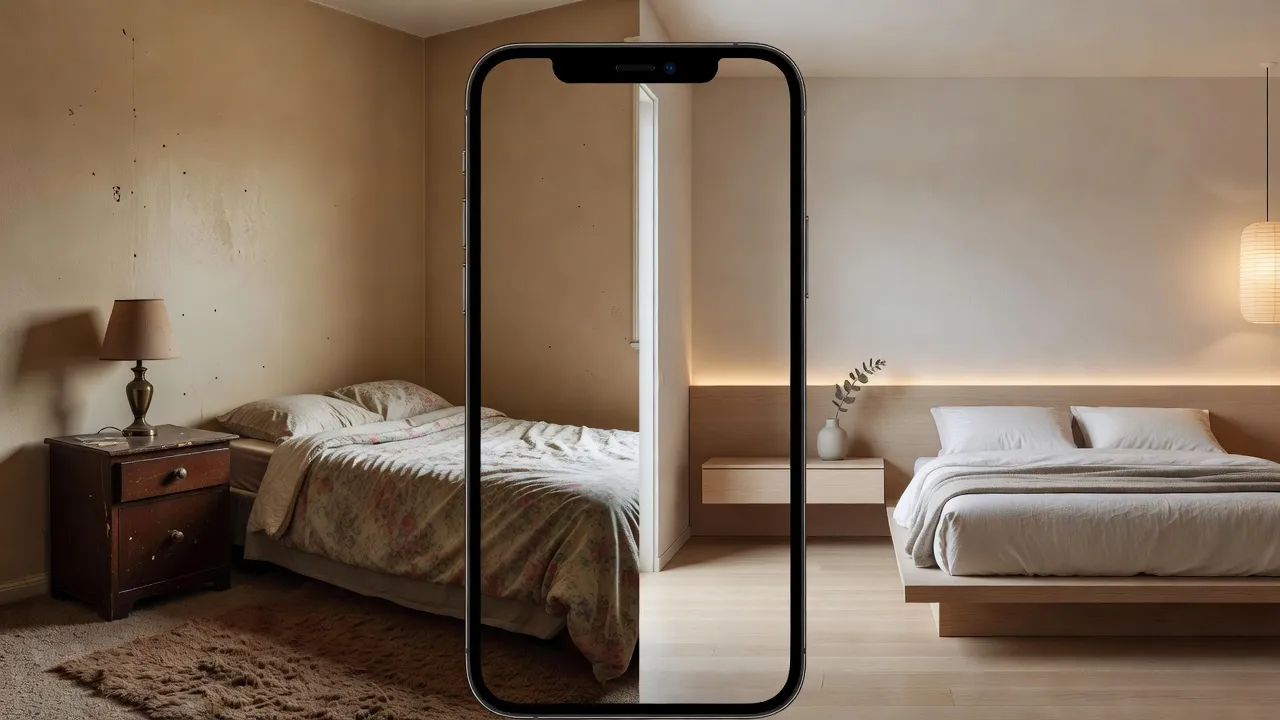
Generative AI tools eliminate manual drafting by modifying existing room photos in real time. Instead of building walls or waiting weeks for a human decorator, image processing algorithms analyze your photo and redraw furnishings, colors, and textures instantly.
If you want to visualize a new look without learning complex CAD controls, downloading the Renova AI app offers a practical solution. You simply snap a picture of your living room or garden, pick from over 100 design styles like Japandi, Modern, or Boho, and view a fully remodeled space in seconds.
The platform handles wall repainting, floor swaps, and object removal automatically. I'd recommend using an instant photo generator first to settle on a style direction before committing funds to physical furniture or renovation contractors.
Which virtual interior design option should you choose?
Your ideal virtual interior design solution depends on your budget, required timeline, and technical skill level.
- Choose Havenly if: You have a budget over $130 per room, prefer working one-on-one with a human decorator, and can wait several weeks for shopping recommendations.
- Choose Renova AI if: You want immediate visual results from a single photo, want to test wall or flooring changes instantly, and want to avoid manual software setup.
- Choose Planner 5D or RoomSketcher if: You are executing structural renovation work that requires exact wall measurements and custom blueprint exports.
- Choose Coohom if: You are a professional designer or contractor needing studio-grade 4K ray-traced client presentations.
For most casual home refresh projects, starting with a rapid smartphone visualizer prevents expensive layout mistakes before you spend a dime at retail stores.
Frequently Asked Questions
What is the average cost of virtual interior design?
Virtual interior design costs range from free for basic photo-rendering apps to $129-$199 per room for full human designer platforms like Havenly. Advanced CAD software like Coohom runs on monthly subscriptions between $25 and $99.
Can virtual interior design software handle exterior spaces and gardens?
Yes, certain modern virtual design platforms include tools for exterior home facade remodeling, patio layouts, and garden planning. Specialized AI apps allow you to snap photos of yards or house exteriors to test landscaping styles.
What is the difference between Havenly and manual floor planners?
Havenly connects you with human interior designers who curate real buyable decor over a multi-week consultation. Manual floor planners like Planner 5D are DIY software tools where you build room dimensions and drag digital furniture objects yourself.
How accurate are virtual 3D room renderings?
Professional ray-traced rendering tools like Coohom offer near 100% photo accuracy with precise lighting and texture physics. Consumer apps provide strong visual style guidance, though exact real-world colors vary based on room lighting.
Do I need to measure my room before using virtual design tools?
If you are using manual CAD planners or human design consultations like Havenly, precise wall, window, and door measurements are required. Photo-based AI tools do not require manual measuring to generate style mockups.
Are Modsy and Decorist still operating?
No, both Modsy and Decorist permanently shut down operations in 2022 and are no longer available. Homeowners must use active alternatives like Havenly, Coohom, Planner 5D, or modern AI interior tools.