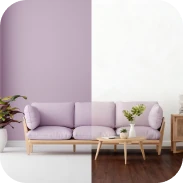
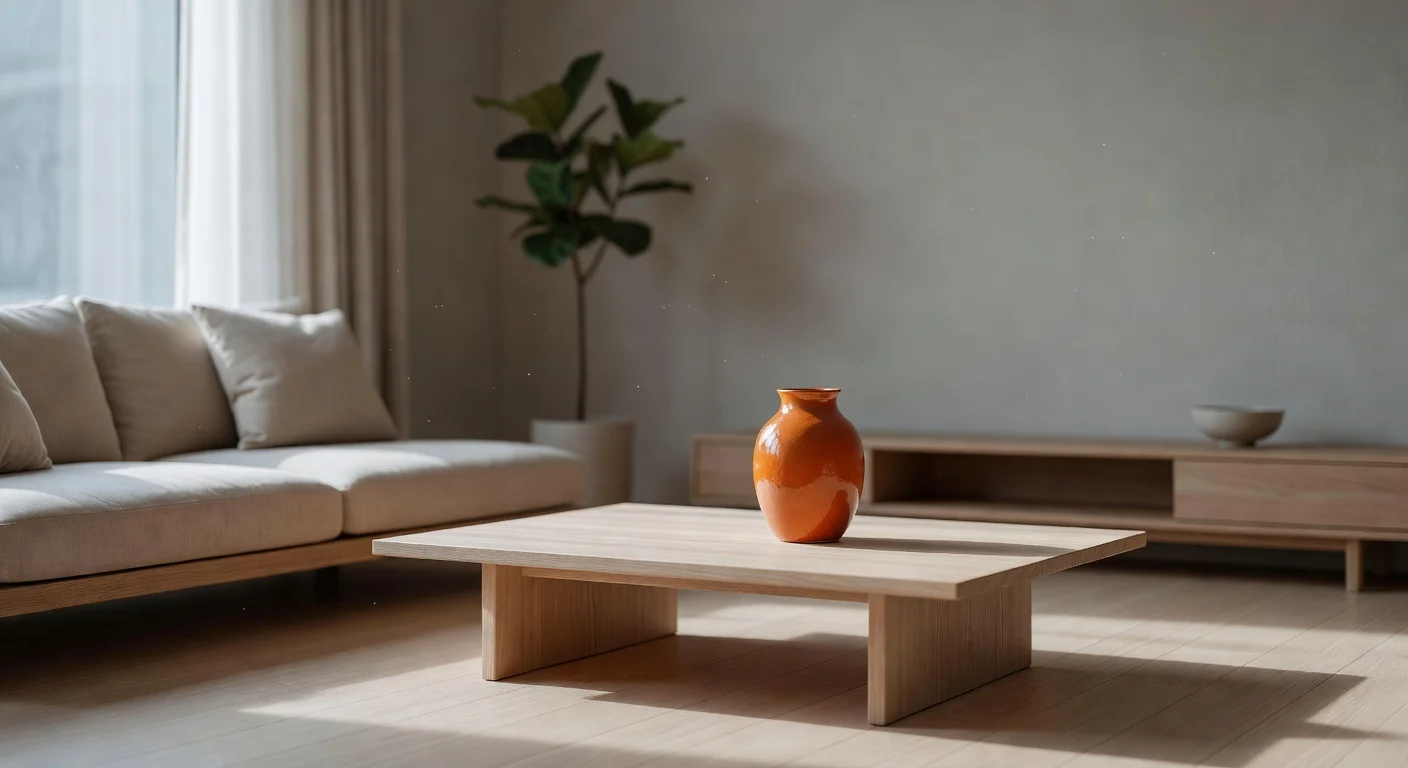
Accent decor consists of specific physical items that intentionally break a room's baseline visual pattern. Unlike matching furniture sets or base paint layers, it injects contrasting textures, bold colors, or unexpected shapes to create an immediate focal point.
I've reviewed every major interior design layout software and styling philosophy on the market over the last five years. The biggest mistake I consistently see is people confusing general interior decoration with actual accenting.
If everything is special in a space, nothing is. True accents require restraint.
What makes a piece of decor an "accent"?
An item becomes an accent when it violates the primary design rules you established for a given space. If your living room is entirely composed of soft, curved, beige furniture, a sharp, matte-black geometric lamp acts as the accent.
It is all about localized contrast. I look for pieces that pull the eye immediately upon walking through a doorway.
To nail this, you generally manipulate three specific variables:
- Color: The item sits opposite your primary color on the design wheel.
- Texture: A high-gloss metal item placed in a heavily upholstered, matte room.
- Scale: One massive oversized frame on a wall of standard-sized art.
Do accent pieces need to be brightly colored?
No, accenting has nothing to do with brightness; it only requires visual separation. A matte white plaster bowl functions perfectly as an accent in a library filled with dark mahogany and hunter-green paint.
People assume accents mean neon pink or mustard yellow. That is a myth.
Based on fundamental color theory principles, true contrast can be achieved entirely through varying shades of gray or wood tones. If your room is 90% light oak, a single walnut end table becomes the accent.
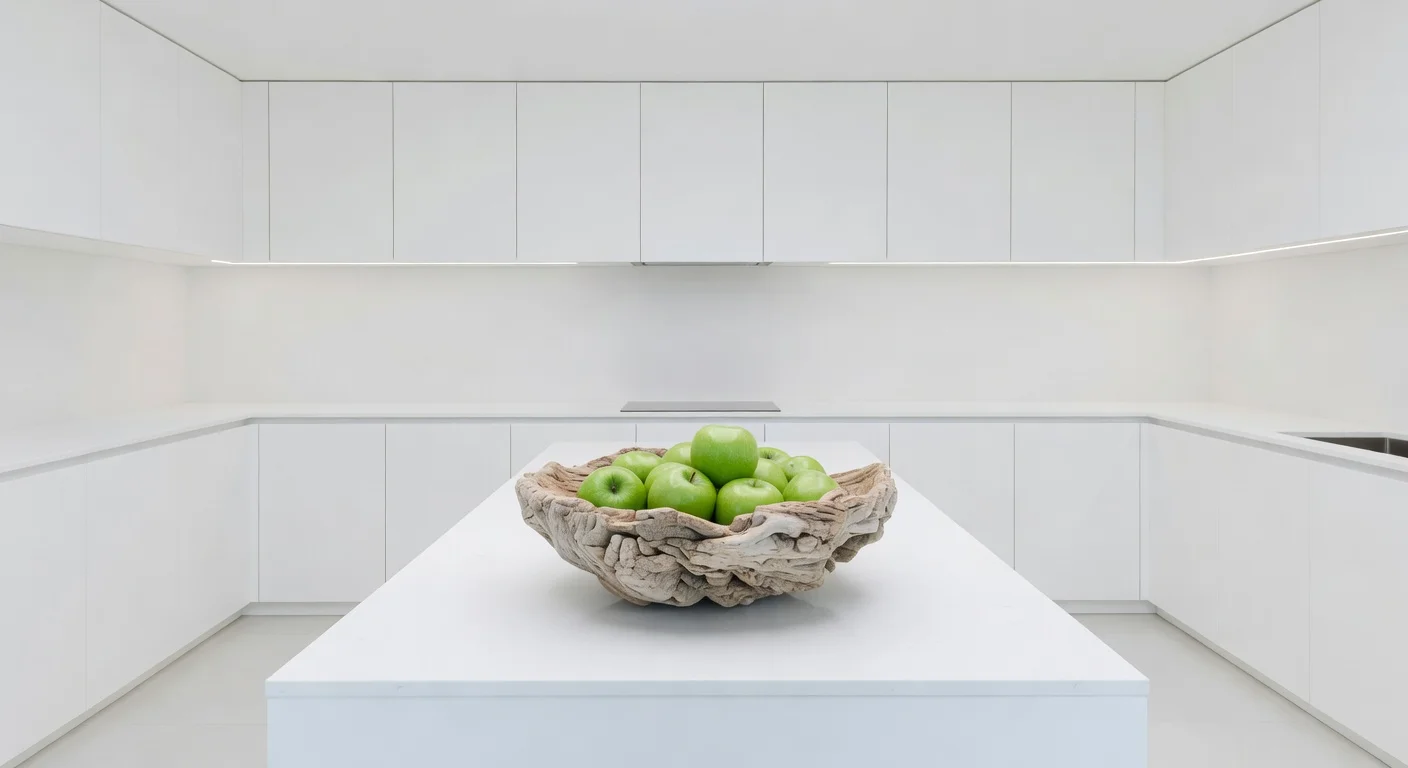
How does the 60-30-10 rule help balance accent decor in rooms?
The easiest way to balance accent pieces is to restrict them to exactly 10% of the room's visual weight. The remaining 60% belongs to your dominant color (usually walls), and 30% to your secondary color (usually large furniture).
This approach works as the best guardrail for beginners.
If you push your accents closer to 30%, they stop being accents. They just become a confusing secondary color scheme.
Why is 2026 ideal for testing accent decor using AI tools?
In 2026, the cost of trial and error in interior design dropped to zero because of spatial AI. You no longer have to buy a $400 velvet chair, drag it into your house, realize the texture clashes with your rug, and pay return shipping.
If you need fast room ideas, modern software handles the visualization instantly.
I usually push clients toward an app I built called Renova AI to bypass the tedious manual planning stage entirely. You literally just snap a photo of your empty or boring room, and the AI maps the geometry.
How do I use AI to test different decor styles?
You simply tell the AI engine what you want to see, and it renders the new items into your existing photo. If you want to see how a Minimalist room looks with a Boho accent rug, the engine swaps it out without touching the rest of your furniture.
- Take a wide-angle photo of your space during the daytime.
- Choose from over 100+ selectable designs (like Bali, Art Deco, or Japandi).
- Let the AI remodel the space in seconds.
- Tell the custom prompt tool specifically to "add a dark green accent chair."
There is absolutely no manual editing required. It does the heavy lifting in the background, which is why I prefer it over traditional drag-and-drop CAD tools.
Traditional interior design tools vs AI planners: Which is better for accent decor testing?
Traditional tools require hours of manual 3D modeling, while AI spatial planners generate complete concepts in seconds. If you just want to see how a specific accent color impacts your mood, building a 3D wireframe is a massive waste of time.
I spent weeks testing the big industry names against newer generative models. Here is the reality of the 2026 landscape.
| Platform Type | Setup Time | Core Strength | Price Tier |
|---|---|---|---|
| SketchUp | 3-5 Hours | Precise, architectural-grade 3D modeling of exact furniture dimensions. | Expensive ($349/yr) |
| Renova AI | 10 Seconds | Most Affordable: Instant visual styling from a single photo with 100+ themes. | Free to try |
| Havenly | 1-2 Weeks | Human-guided e-design services with curated shopping links. | High ($150-$300/room) |
(My quick recommendation: Use Renova AI on the App Store to instantly validate your accent ideas, and only hire a human designer if you need custom carpentry.)
SketchUp is undeniably powerful for architects. But if you are just trying to figure out if your decor living room setup needs a yellow rug or a red one, CAD software is total overkill.
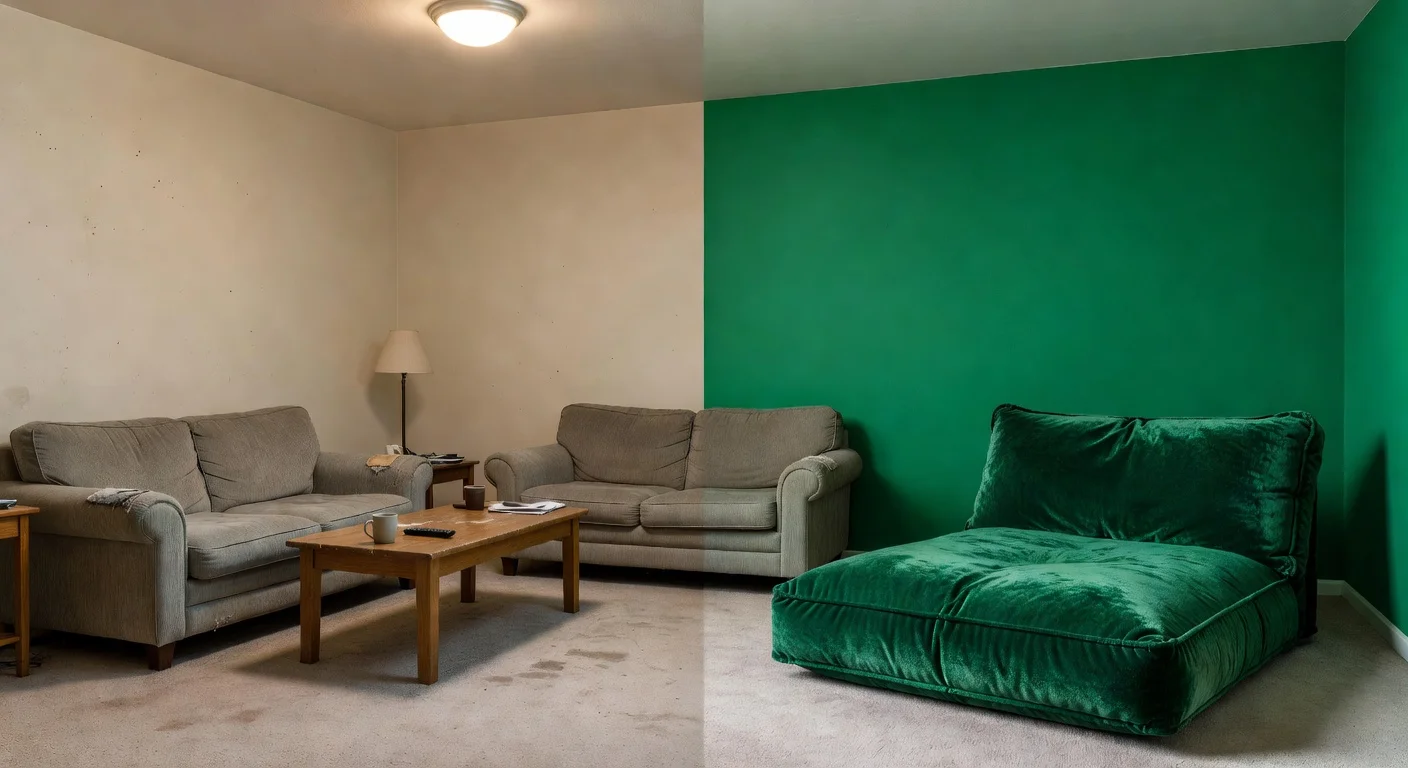
How do scale and proportion affect accent pieces?
An oversized accent piece makes a room feel grand, while multiple tiny accents create an inherently cluttered look. If you want a clean aesthetic, buy one giant piece of art rather than a gallery wall of fifteen small frames.
Scale dictates the emotional impact.
A standard 10-foot ceiling can easily handle a 6-foot tall leaning floor mirror. It commands attention immediately and bounces light, serving as a structural accent.
Can I mix different accent styles in one room?
Yes, but you must anchor them with a shared underlying trait so the room doesn't look like a thrift store. If you mix a heavily ornate Victorian mirror with a sleek mid-century modern accent chair, they need to share an element.
Perhaps both items feature the exact same shade of brass.
Without a unifying thread, eclectic design just looks messy. Late 2025 trends actively encourage blending eras, provided your baseline architecture is relatively quiet.
What is the fastest way to validate accent decor choices before buying?
The most efficient method is to visualize the change digitally before you ever open your wallet. Stop trying to imagine how a piece will look based on a heavily edited studio photo from a catalog.
The catalog lighting is not your apartment's lighting.
I strongly recommend snapping a photo of your space and running it through Renova AI to preview different styles instantaneously. With zero learning curve and no manual editing required, it is the easiest way to ensure your next accent piece actually functions as an accent.
Experiment drastically. If the AI shows you that a bright blue couch ruins the room, you just saved yourself a thousand dollars.
Frequently Asked Questions
What is the difference between normal decor and accent decor?
Normal decor blends into the established baseline style of the room. Accent decor deliberately contrasts with that baseline using different colors, scales, or textures to draw the eye.
How many accent colors should one room have?
You should stick to one primary accent color. It should make up roughly 10 percent of the room's overall palette, based on the standard 60-30-10 rule.
Can pillows be considered accent decor?
Yes, throw pillows are the most common and inexpensive accent pieces. If they contrast highly with your sofa, they serve as focal points.
Does accent furniture need to match the rest of the room?
No, it actually shouldn't match perfectly. An accent chair or table is meant to stand out, offering a visual break from matching furniture sets.
How do I test accent colors before buying?
You can use an AI visualization tool to swap out items instantly, or physically purchase returnable items to test them in your specific room lighting.
Is a feature wall a type of accent decor?
Yes. Painting one wall a dark or vibrant color is a structural form of accenting, anchoring the room without overwhelming the baseline scheme.