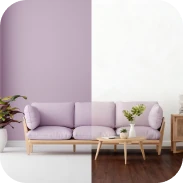
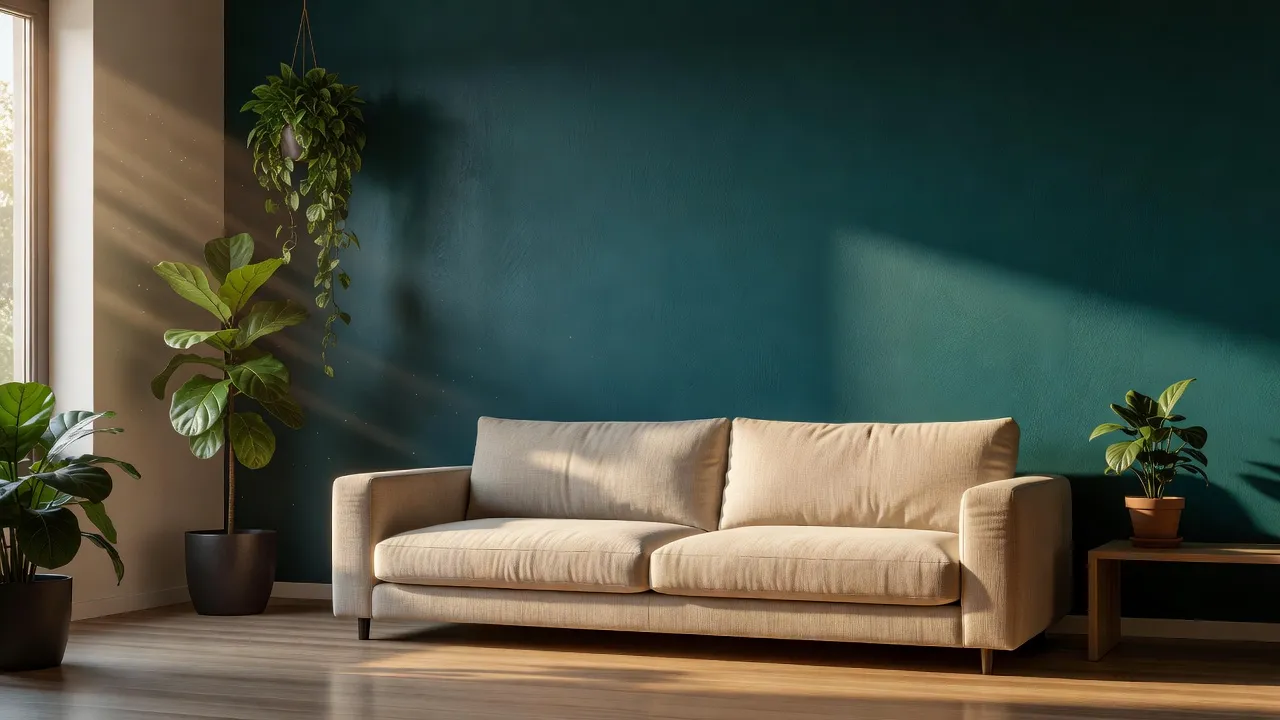
An accent wall paint idea works best when you paint the architectural focal point of the room - like the wall behind a bed or fireplace - in a color that has at least a 30% difference in Light Reflectance Value (LRV) from the main walls. Picking the right wall and color depends almost entirely on one single variable: your room's natural light exposure. Matching your paint hue and finish to light direction prevents dark colors from looking muddy and keeps warm tones from turning neon.
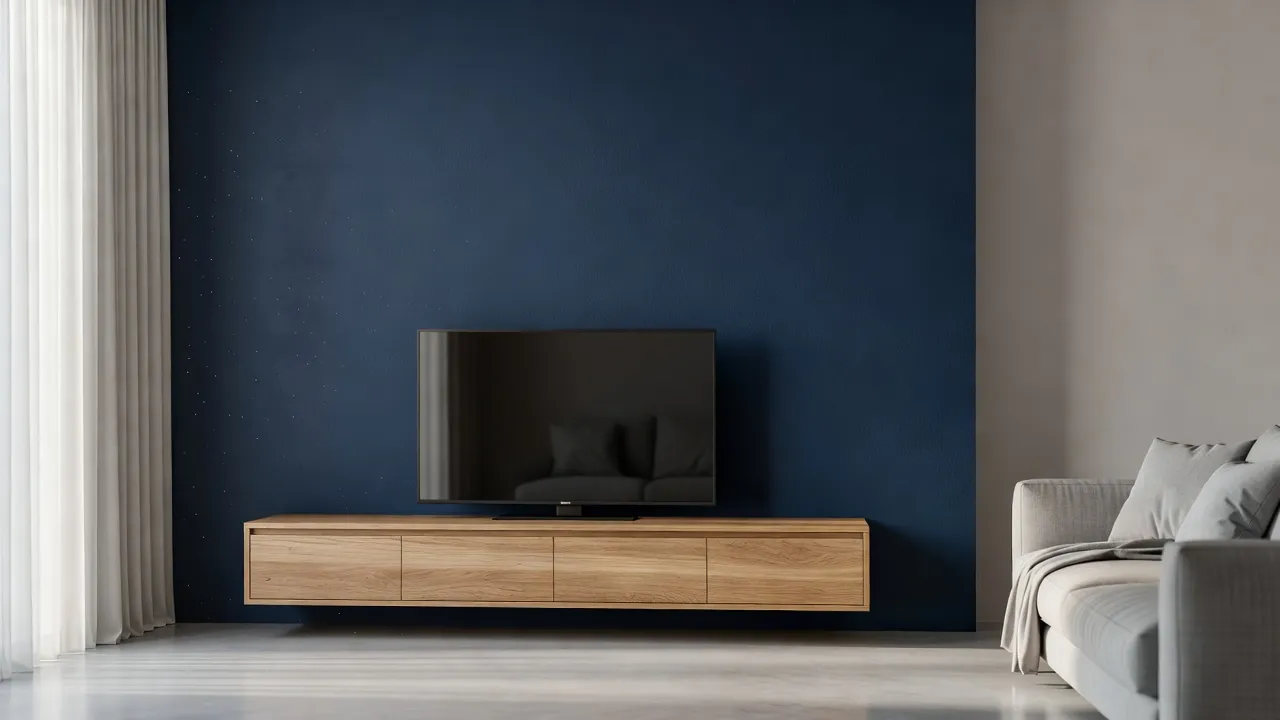
What are the 2026 accent wall paint color trends designers recommend?
Designers in 2026 recommend earthy jewel tones, muddy mid-tone terracottas, and deep charcoal-greens for accent walls over stark black or neon brights. These muted, complex hues create dramatic contrast while keeping the space cozy and grounded.
The dominant trend shifts away from cool grays toward warm, organic undertones that interact well with warm LED lighting. When choosing a trendy paint color, pay attention to the paint's undertone under both daytime sunlight and 2700K evening bulbs.
- Earthy Forest Greens: Deep tones like olive and dark spruce anchor modern living rooms without feeling harsh.
- Warm Terracotta and Rust: Clay hues bring warmth into east- or north-facing spaces that lack afternoon sun.
- Plum and Muted Aubergine: Moody purple-browns add historical depth to bedrooms and formal dining areas.
- Dusty Teal: Blue-green hybrids work exceptionally well behind warm honey-oak or walnut furniture.
To explore complementary furnishings for these tones, browse current room inspiration ideas.
What are the Pantone color trends for accent walls?
Pantone's color trends emphasize grounding earth shades and restorative botanical tones that bring natural landscapes indoors. Rather than ultra-vivid primary colors, current palettes favor complex tones with grey or brown undertones.
The Pantone Color Institute highlights rich mocha browns, soft sage, and deep mineral blues for focal walls. These shades create a backdrop that makes neutral upholstery and natural wood grain pop.
Using Pantone's palette system helps you coordinate accent paint with textile trims, area rugs, and throw pillows. If you choose a deep Pantone shade like Chocolate Dahlia or Cypress Green, balance it with light linen drapery on adjacent walls.
What are Benjamin Moore and Sherwin-Williams' trending accent wall colors?
Benjamin Moore and Sherwin-Williams emphasize deep mineral tones and rich warm neutrals for focal walls in 2026. Both manufacturers focus on colors with medium-to-low Light Reflectance Values that absorb light to create cozy alcoves.
According to color data from Sherwin-Williams, dark greens like Night Owl (SW 7061) and rich dark blues like Naval (SW 6244) remain top choices for feature walls. On the Benjamin Moore palette, dark plum shades like Shadow (2117-30) and rich grays like Hale Navy (HC-154) dominate modern interior designs.
If you prefer a softer neutral look on your main surfaces, pairing a dark feature wall with warm base coats like sherwin-williams shiitake paint color creates a balanced, high-contrast scheme.
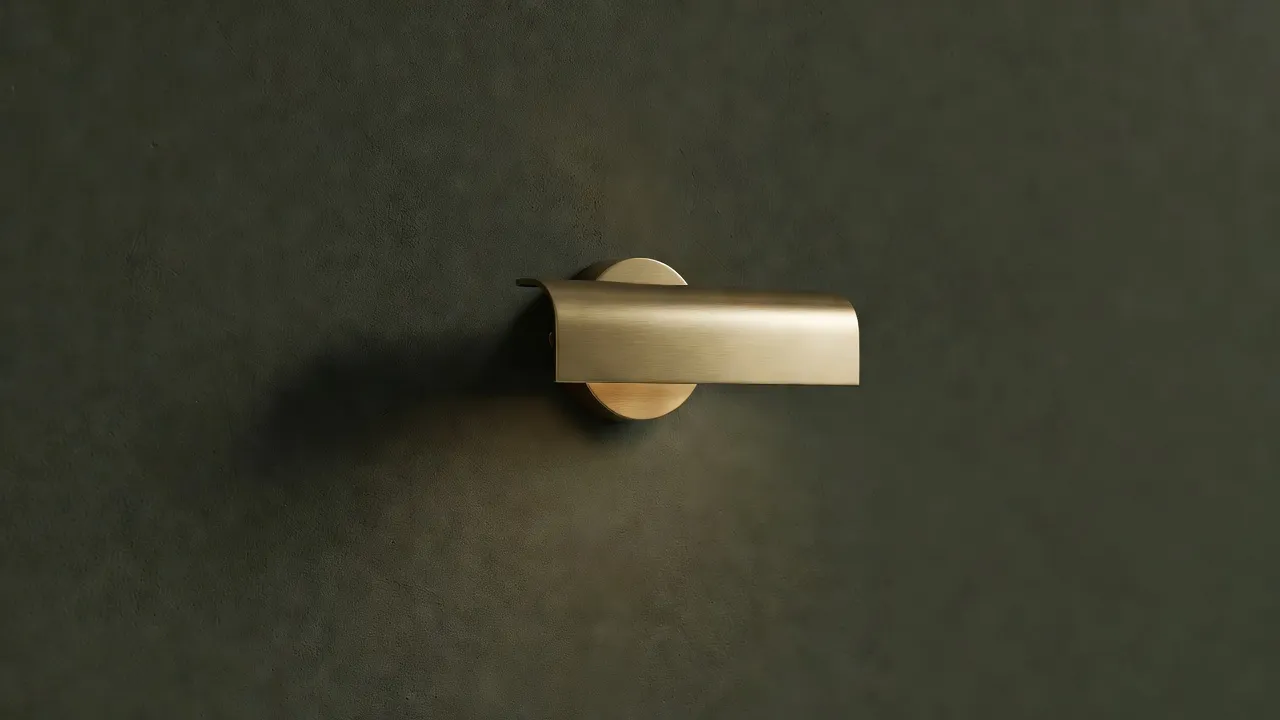
What are designers recommending for accent wall wallpaper and paneling ideas?
Designers recommend combining accent wall paint with architectural trim like board-and-batten, vertical slat wood panels, or textured peel-and-stick wallpaper. Adding physical texture gives paint depth by creating natural highlight and shadow lines across the wall.
Painting trim work the exact same color as the accent wall (a technique called color-drenching) makes small rooms feel visually larger. Alternatively, installing botanical wallpaper on the accent wall and pulling its darkest background hue for the trim creates a custom designer look.
- Vertical Wood Slat Panels: Adds acoustic dampening and mid-century warmth behind television units or beds.
- Full-Height Board and Batten: Gives flat drywall historic character when painted in a low-sheen eggshell or satin finish.
- Textured Grasscloth Wallpaper: Softens sound and adds natural variation to home offices or dining nooks.
Scenario 1: Best for north-facing living rooms with cold natural light
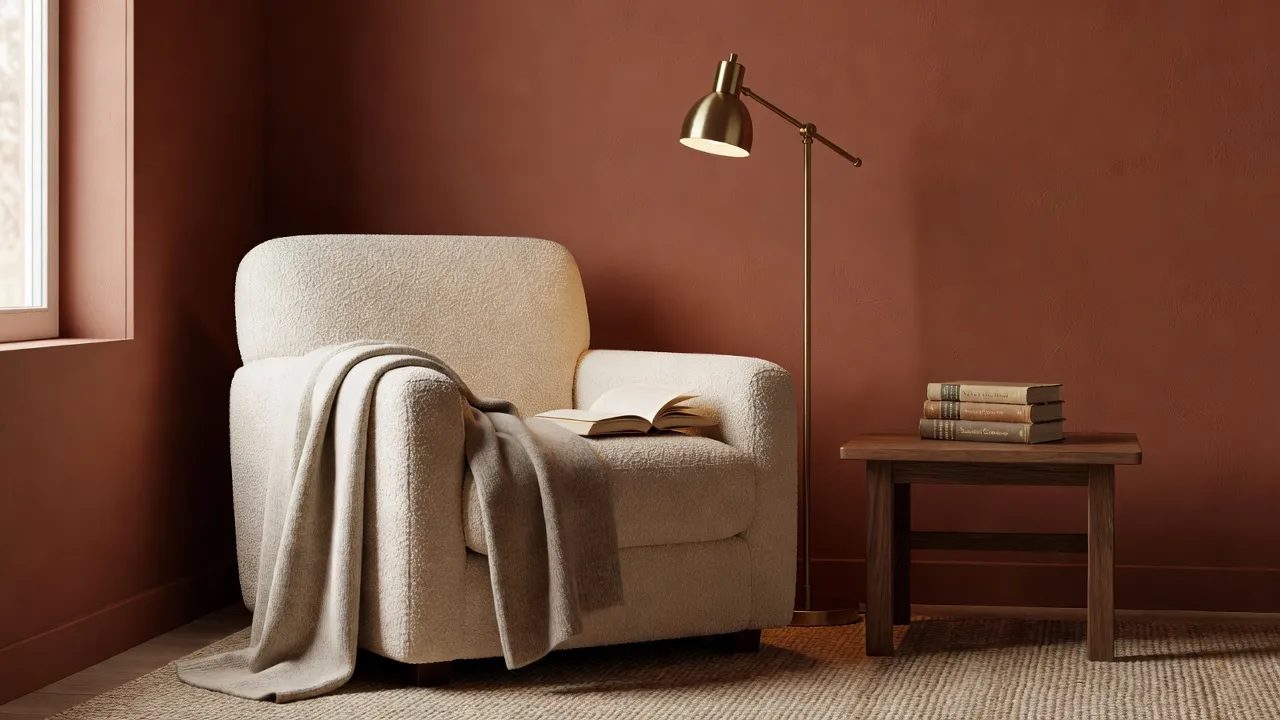
For north-facing living rooms receiving cool blue light, the best accent wall paint ideas use warm undertones like warm ochre, rich terracotta, or deep plum. Cool grays and crisp navy blues will appear flat and icy on a north-facing surface.
North-facing windows offer consistent light throughout the day, but that light lacks warm yellow spectrum wavelengths. To compensate, pick paints with red, orange, or yellow base notes to keep the space inviting.
Pair your warm accent wall with rich textiles and layered lighting to avoid stark shadows. Check out our guide on living room wall colors for more daylight-matching combinations.
Scenario 2: Best for small bedrooms needing visual depth
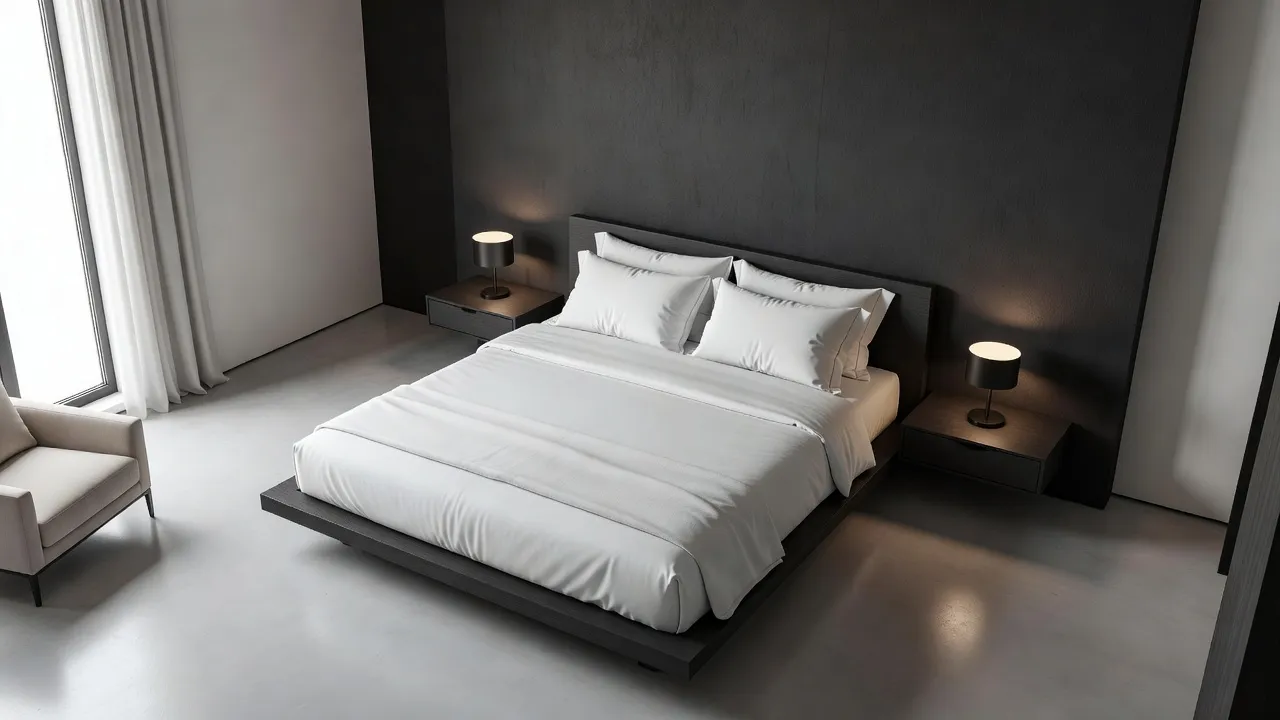
Small bedrooms gain visual depth when you paint the wall behind the headboard a dark color with an LRV below 15. Dark paint recedes visually, making the wall feel further away than it actually is.
Light Reflectance Value (LRV) measures the percentage of light a paint color reflects, on a scale from 0 (absolute black) to 100 (pure white), as explained on Wikipedia. Painting the headboard wall in a low-LRV shade like charcoal, dark emerald, or deep indigo creates an anchor point that draws the eye inward.
Keep adjacent walls in a high-LRV neutral (65 or above) to maintain contrast. This technique gives small sleeping quarters an intimate, boutique-hotel feel without making the room feel cramped.
Scenario 3: Best for open-concept dining spaces seeking visual boundaries
In open-concept floor plans, a dark accent wall marks a distinct functional dining zone without building physical walls. Painting the dining nook wall a saturated hue creates a visual boundary separating it from adjacent living zones.
Choose a wall that frames your dining table and hanging pendant light. Saturated colors like deep burgundies, forest greens, and dark navy stimulate conversation and make evening meals feel intimate.
Coordinate your dinnerware and wall art with subtle accents on the main wall. Learn how to layer subtle decorative items in our walkthrough on accent decor.
Scenario 4: Best for dark basements and low-light home offices
Dark basements and windowless offices look best when you lean into the low light with a moody, saturated accent wall paired with 2700K warm artificial lighting. Trying to force a dark room to look bright with stark white paint usually leaves the space looking dreary and gray.
In windowless spaces, your light bulbs dictate how paint looks. Satin or eggshell finishes reflect artificial sconce light smoothly across deep teal, charcoal, or dark chocolate paint without harsh glare.
Add warm task lighting, brass accents, and light wood desks against the dark wall. The contrast prevents the low-light office from feeling like an enclosed box.
Scenario 5: Best for textured walls, wainscoting, and board-and-batten trim
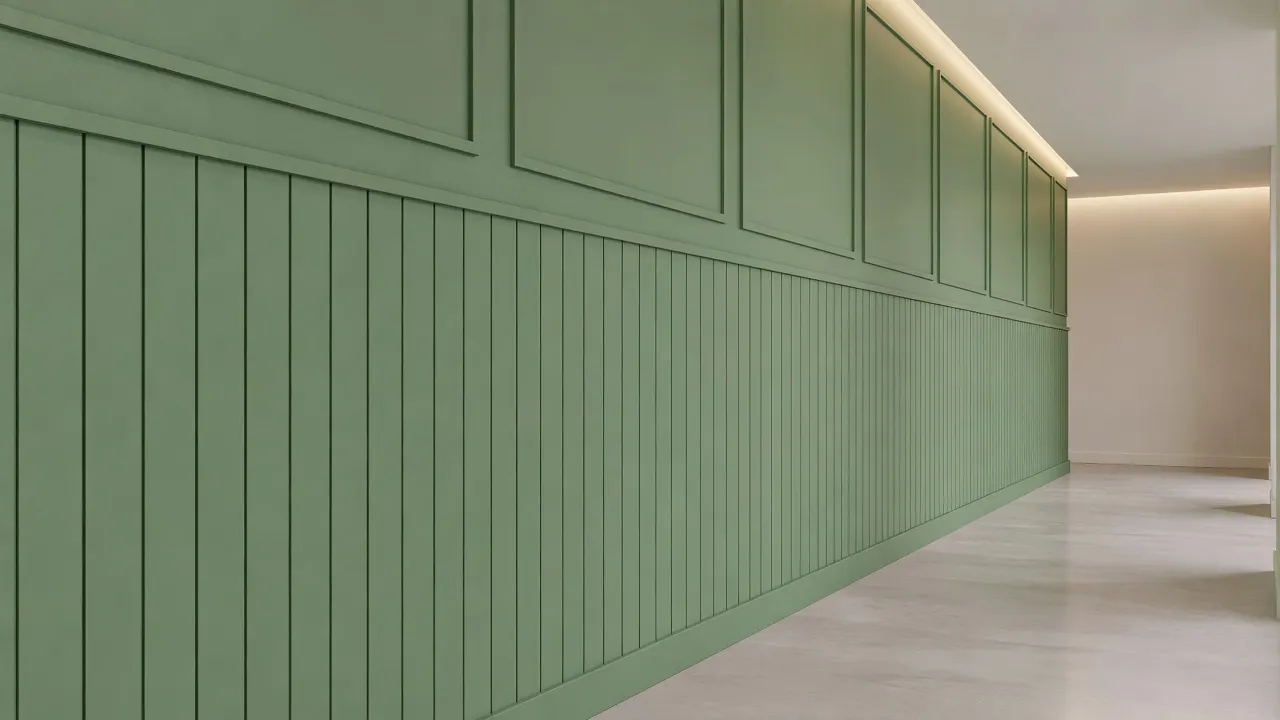
Textured walls and trim work perform best when painted with a matte or eggshell finish that highlights architectural shadows without displaying surface flaws. High-gloss paints accentuate bumps and drywall patches, while flat paint hides imperfections.
If your accent wall includes wainscoting, paint the lower trim and top drywall the same shade to simplify the visual field. The physical shadows created by the trim supply all the visual contrast you need.
- Use Flat or Matte: Ideal for rough drywall, plaster, or older walls with historical flaws.
- Use Eggshell: Ideal for board-and-batten or wainscoting in high-traffic hallways that need light scrubbing.
- Use Satin: Best for bathroom accent walls where moisture resistance is mandatory.
How do you test accent wall colors before buying paint?
To test accent wall colors accurately, apply large 2-by-2-foot painted poster boards to the wall and observe them at morning, noon, and evening under artificial lights. Never test paint directly on white walls without a primer patch, as the background color skews your perception of undertones.
Physical paint swatches take time to dry and can leave messy patches across your wall. Digital visualization tools offer a faster starting point before you buy physical sample cans.
If you want to skip sample pots entirely, AI visualization tools let you preview paint colors directly on your phone screen. Using an app like Renova AI allows you to snap a photo of your room and test wall color swaps in seconds without manual editing.
| Visualization Method | Accuracy for Lighting | Setup Time | Physical Clean-up Required? |
|---|---|---|---|
| Physical Peel-and-Stick Swatches | High (uses real paint pigment) | 2-3 days for shipping | No |
| Sample Paint Cans & Poster Boards | Highest (exact texture and sheen) | 1-2 hours of painting | Yes |
| Renova AI Room Visualizer | High (instant photo-based render) | Seconds via mobile app | No |
| Digital Color Picker Apps | Moderate (flat 2D color overlay) | 10-15 minutes of tracing | No |
Using digital previews saves money on sample pots, especially when deciding between cool and warm undertones. To explore automated preview workflows, read our overview of ai room design tech.
How to pick the right wall for your accent paint
Pick the wall that naturally attracts attention when you walk into the room, such as the wall with a fireplace, bed headboard, or main entertainment center. Avoid putting an accent color on walls with multiple doors or asymmetric windows, as cutout openings fragment the color block.
Follow these four steps to confirm your target wall:
- Identify the Focal Point: Stand in the main entryway and note where your eyes land first.
- Check Wall Symmetry: Select a solid wall without random doors, slanted ceilings, or irregular cutouts.
- Assess Light Angle: Ensure the wall receives direct or side light rather than sitting completely in deep shadow.
- Measure Surrounding Contrast: Verify that adjacent walls are light enough to create a clear visual distinction.
When you want to see how different focal walls look under various design styles, you can download Renova AI on iOS to swap colors across 100+ styles instantly. Previewing your layout on a phone screen prevents costly repainting mistakes.
Frequently Asked Questions
Should an accent wall be darker or lighter than the other walls?
An accent wall is usually darker than adjacent walls because dark colors absorb light and create a clear focal point. However, a lighter accent wall can work well if surrounding walls are painted a dark, moody hue.
What is the 60-30-10 rule for accent walls?
The 60-30-10 rule states that 60% of a room should be the dominant base color, 30% a secondary color (like your furniture and rug), and 10% an accent color (your feature wall or decor accessories).
Does an accent wall make a room look bigger or smaller?
A dark accent wall painted on the furthest back wall makes a small room look deeper by pulling the viewer's eye inward. Painting a side wall a dark color can make a narrow room feel tighter.
How much paint do I need for one accent wall?
One quart of paint covers up to 100 square feet with one coat, which is usually enough for a standard 8-by-10-foot wall. You will need one gallon if you plan to apply two coats over a dark primer.
Should I paint the baseboards the same color as the accent wall?
Painting baseboards the same color as the accent wall creates a modern, seamless look that makes low ceilings feel taller. White trim around a dark accent wall breaks up the color block and creates a more traditional contrast.
Can you put an accent wall in a room without windows?
Yes, windowless rooms like basements and powder rooms look great with dark accent walls when paired with warm artificial lighting. Stick to eggshell or satin finishes to gently bounce bulb light around the space.
Which paint finish is best for accent walls?
Flat or matte finishes are best for hiding drywall bumps on dark walls, while eggshell offers cleanability for high-traffic living rooms. Use satin or semi-gloss only if your accent wall features trim work like wainscoting.
Is the accent wall trend out of style for 2026?
Accent walls remain popular in 2026, but the trend has evolved from bright neon feature walls toward muted, earthy tones and textured paneling. Single painted walls now focus on rich jewel tones, color-drenching, and warm wood accents.