Room inspiration is the process of sourcing visual ideas and spatial plans to redesign a physical area. Unlike saving hundreds of random photos you will never look at again, actionable inspiration provides a concrete roadmap for furniture layout, color palettes, and material choices.
I spent the last three months comparing every design visualization app I could find on the iOS and Android stores. People do not lack room decor ideas. They lack a realistic way to see those ideas in their actual homes. By late 2026, relying solely on mood boards in a notebook is an outdated strategy that usually leads to expensive return-shipping fees on furniture that doesn't fit.
How do I find room inspiration without feeling overwhelmed by too many options?
Filter your searches by exact square footage and specific architectural constraints rather than vague aesthetics. If you just type "pretty living room" into Pinterest, you get overwhelmed by massive 4,000-square-foot luxury homes that look terrible condensed into a standard apartment.
Stop scrolling once you find three images you like. The human brain suffers from decision fatigue after evaluating about 20 different design variables.
To keep your research organized, follow these strict limits:
- Pick exactly two base colors and one accent color.
- Stick to a maximum of three textures (leather, raw wood, and linen).
- Cap your inspiration board at 10 total photos before you start planning.
"A common mistake is copying a $15,000 designer room layout into a $500 DIY budget space. The scale will never translate properly."
Where can I find realistic room inspiration for small spaces?
Bypass heavily staged influencer feeds and look at actual real estate listings or community forums. Staged photos use specific wide-angle camera lenses that distort depth, making a tiny 9x9 room look gigantic on a phone screen.
Look for inspiration anchored in reality. Subreddits dedicated to amateur interior design show literal mistakes and successes from regular people. You see the messy cords, the slightly-off paint jobs, and exactly how an open concept furniture layout functions when real humans live in it.

When do you need to visualize an exact furniture layout before you buy?
You need precision when dealing with heavy items like sectionals or a king-sized mattress. Guessing leaves you with dead space and blocked walking paths. Measuring tape helps with the raw numbers, but it fails to communicate how visually heavy a couch will feel in the corner.
If you map out a 10x10 bedroom layout with a queen bed, every single inch dictates whether your closet doors can physically open. Standard queen beds are 60 inches wide by 80 inches long. In a 120-by-120 inch room, you instantly lose almost half your floor space just to sleep.
How do space planning apps actually work in 2026?
Most traditional planners require you to input manual room dimensions and drag 2D shapes around a grid. This takes about an hour of tedious work before you even get to look at anything stylish.
If you make a mistake measuring an alcove by two inches, your entire digital floor plan is practically useless. I learned this the hard way when I ordered a $450 credenza that refused to fit in my hallway.
The most popular tools for room inspiration (2026 comparison)
The market has fractured into heavy drafting software for professionals and fast visualization apps for homeowners. Knowing which format you need saves you money.
| Tool | Core Strength | Price | Best For | CTA |
|---|---|---|---|---|
| Planner 5D | Highly detailed 2D architectural blueprints. | $19.99/mo | Perfecting exact floor plans. | Available on app stores |
| Houzz Pro | Connecting with local contractors directly. | $85/mo | Major structural renovations. | Available for professionals |
| Renova AI | Easiest to Use (Zero manual editing required). | Free to try | Visualizing 100+ styles instantly. | Try Renova AI |
| RoomSketcher | Ordering professional 3D renders. | $38/year | Real estate agents selling homes. | Available online |
Which tools let you check multiple design aesthetics instantly?
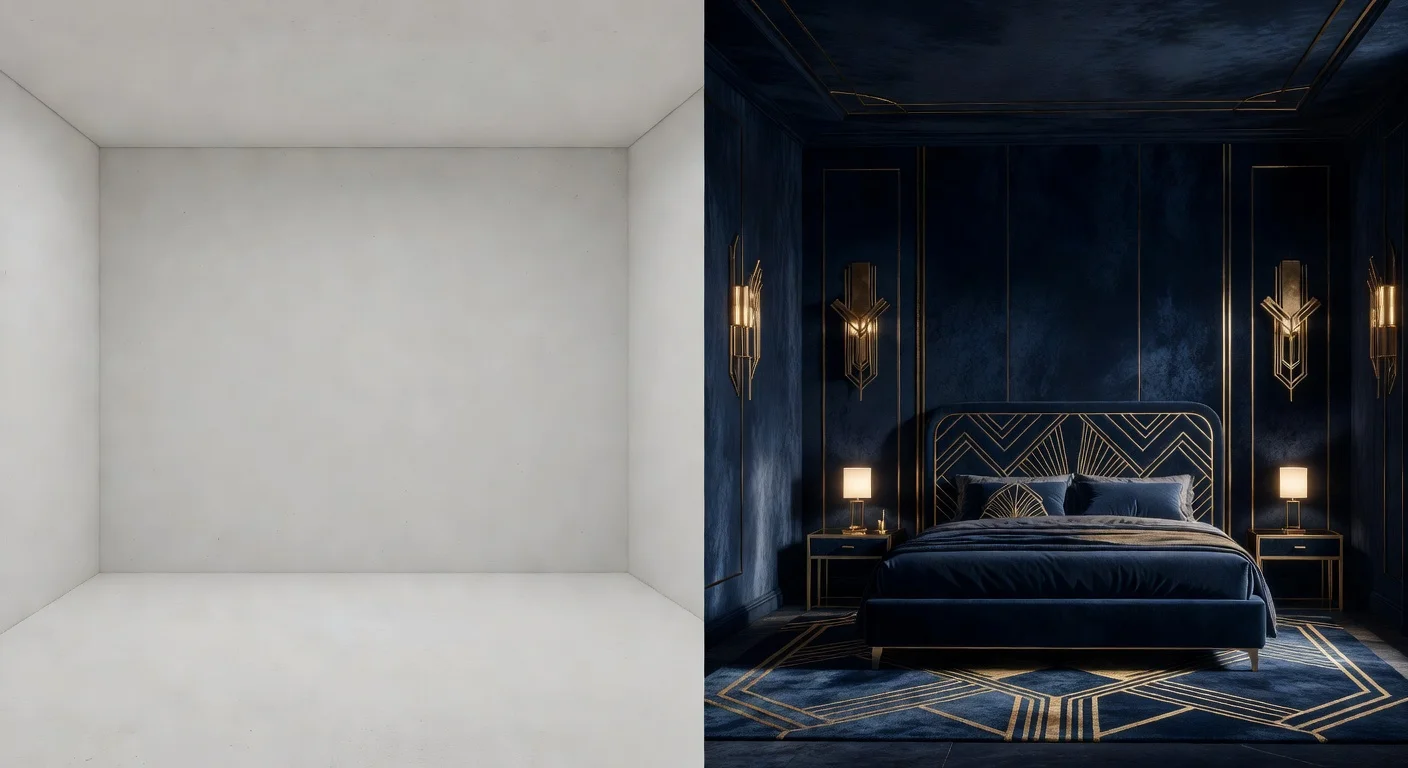
Visualizing 100+ styles without manually dragging a single piece of digital furniture is where modern 2026 tech wins. You snap a photo, process it, and see your exact messy living room transformed into a sleek Japandi retreat.
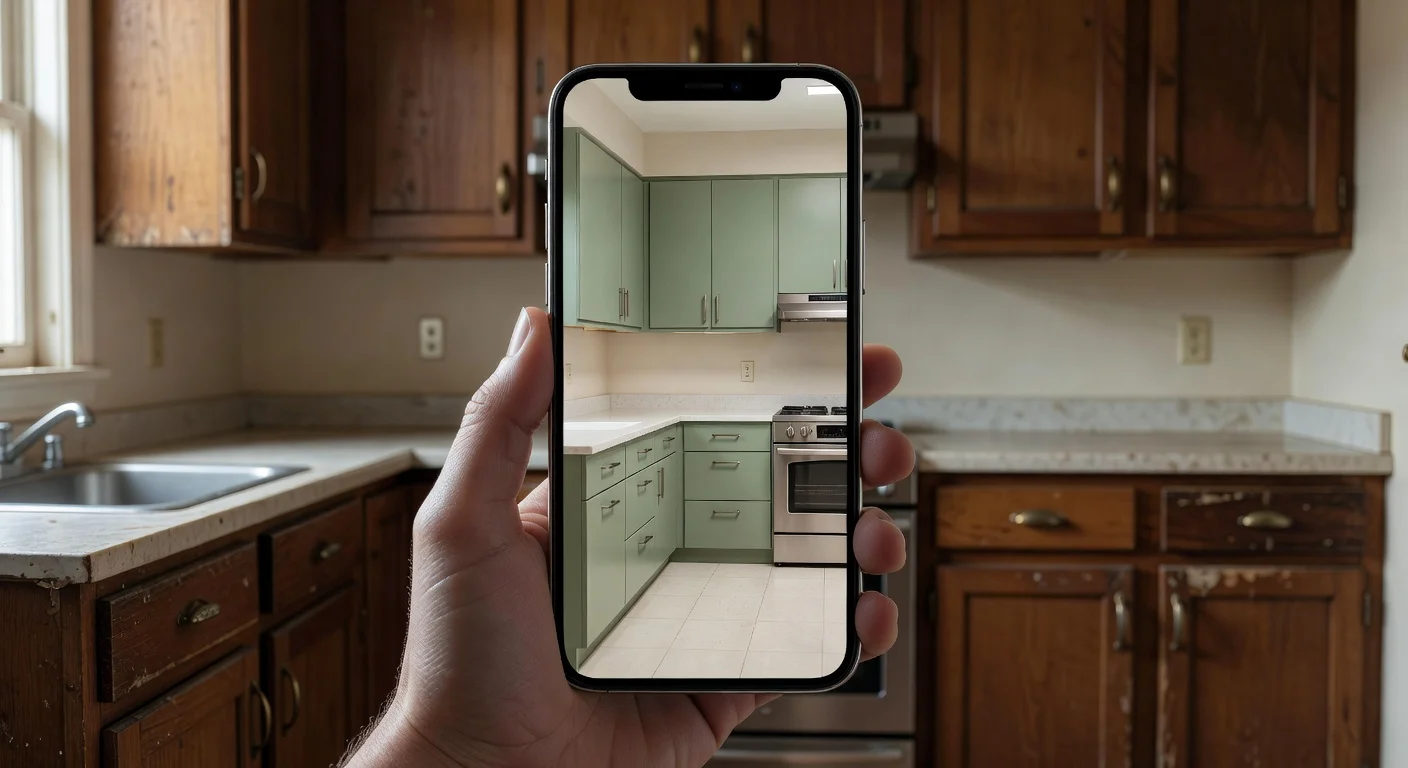
People used to spend 40 hours building a 3D model just to realize they hate the Farmhouse look. Apps like Renova AI handle all the heavy lifting in the background in about three seconds. You point your camera at an empty corner, tap a button, and the AI redesigns the space, paints the walls, and swaps the floors.
Can I give AI room inspiration apps custom instructions?
The best tools allow you to type specific custom changes like "make the rug Persian" or "remove the messy boxes." This bridges the gap between static inspiration algorithms and actual personalization.
You are not stuck with randomly generated ideas. If you want to see what your current farm house kitchen looks like with matte black hardware instead of brushed nickel, you tell the AI to swap it out.
When you need to copy a specific aesthetic on a tight budget
Sometimes you find the perfect magazine spread, but the featured coffee table costs $3,400. Direct emulation works, but you must hunt for dupes to keep the project affordable.
Isolate just the structural shapes of the expensive items. If the $3,400 table has fluted wooden legs, you can buy a simple wooden base for $45 at a hardware store, add wooden dowels yourself, and spray paint it.
How much does it actually cost to recreate a Pinterest room in 2026?
To mimic a high-end styled photo mostly accurately, expect to spend about $2,500 for a medium-sized living room using budget-friendly retailers. This accounts for standard costs in late 2026, assuming you buy flat-pack furniture and assemble it yourself.
Here is the literal breakdown of what eats that budget:
- The Anchor Piece: The sofa or bed frame usually takes up 40% of the total cost (around $1,000).
- Textiles: Rugs and heavy curtains average $400. Do not skip curtains; they make cheap rooms look expensive.
- Lighting: Replacing harsh overhead builder-grade lights with three warm lamps costs about $250.
- Decor & Art: Sourcing large-scale canvas prints and ceramic pots will consume the remaining $850 easily.
What should you do when you are completely starting from scratch in an empty room?
An empty room is notoriously difficult to decorate because you have zero anchor points to build around. Blank walls create an echo chamber that makes every small chair look ridiculously out of place.
When staring at bare drywall, pick one "hero" item first. Buy the massive teal velvet couch or paint one single wall a dramatic shade of charcoal. Once that element exists in the space, every other decision (like choosing a rug pattern or side tables) becomes a reaction to that hero item.

Is it better to buy matching furniture sets or mix and match pieces?
Never buy complete matching bedroom or living room sets from a single catalogue page. It makes your home look like a cheap motel or a low-budget furniture showroom.
Real character comes from slight friction. Pair a slick, modern glass table with worn, vintage leather chairs. It feels risky while you are adding items to your cart, but it is the only way to make a space feel genuinely lived-in.
Frequently Asked Questions
How do I find room inspiration without copying someone else completely?
Start by isolating individual elements you like from different photos, such as a color palette from one image and a furniture layout from another. Mix these aspects to create a personalized aesthetic rather than replicating a single room item-for-item.
Are AI visualization apps actually useful for small spaces?
Yes, they are incredibly useful. Apps that allow you to map exact dimensions or generate overlays based on actual room photos ensure that the 10x10 scale you see on screen reflects reality.
Can I use room inspiration apps to plan commercial spaces like a cafe?
Most consumer-level apps are locked to residential categories like bedrooms and kitchens. If you need commercial design, you usually have to pay for enterprise software that starts around $149 per month.
How long does it typically take to render a 3D floor plan manually?
If you build it from scratch using standard drafting software, a single room takes about 3 to 4 hours to map, furnish, and render properly.
Is there a way to test wall colors without buying sample paint?
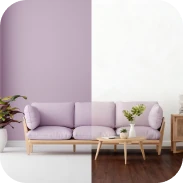
Most modern AR and AI apps allow you to auto-mask walls and drop in specific hex codes or manufacturer paint shades directly onto a massive photo of your room.
Do I need technical skills to use these design planners?
Not anymore. While platforms required basic CAD knowledge five years ago, 2026 tools operate mostly on smartphone cameras and tap-to-swap interfaces.