
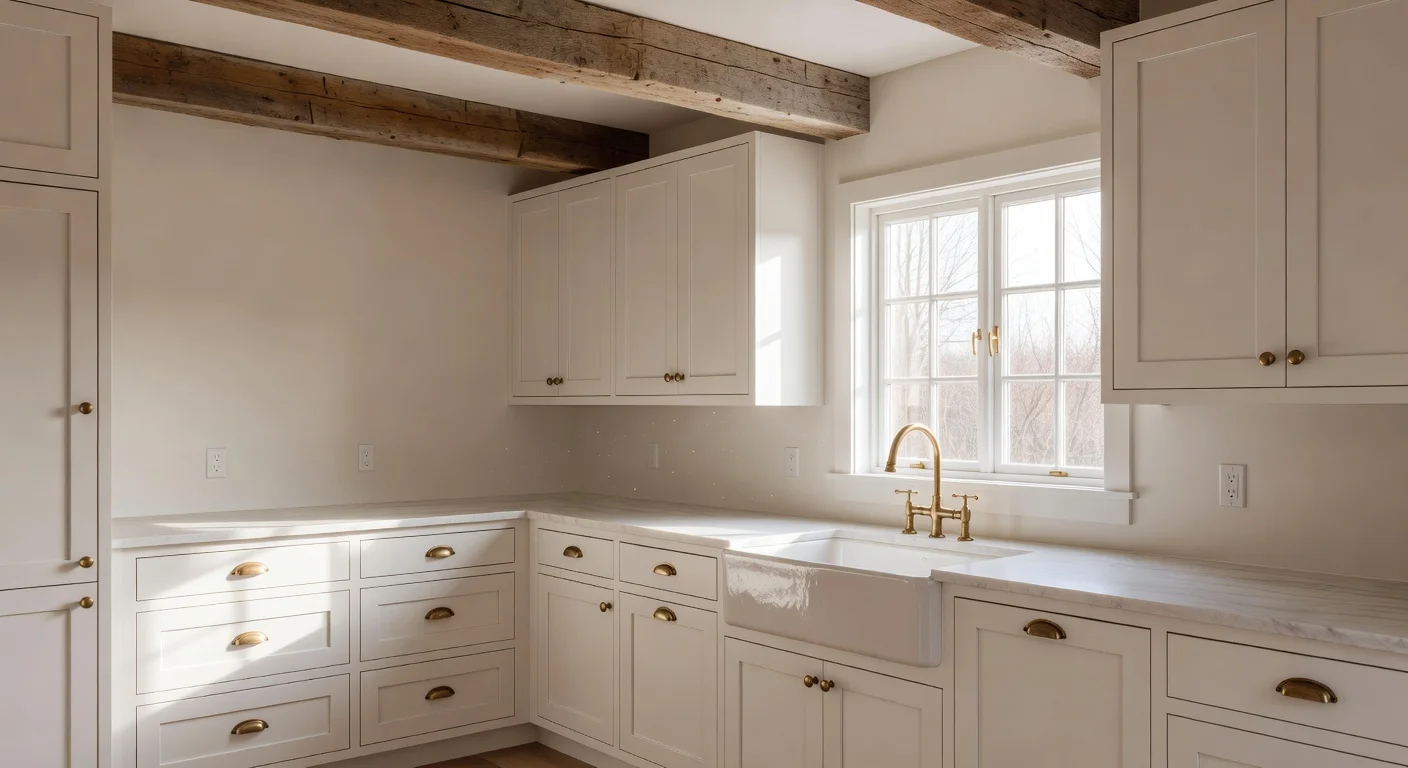
Farm house kitchens are warm, functional cooking spaces that combine rustic materials like reclaimed wood with practical elements like apron-front sinks. Unlike ultra-modern designs, they prioritize lived-in comfort and durable surfaces over sterile minimalism. As someone who visualizes interior layouts regularly for clients, I can tell you that this look works because it handles heavy daily use without feeling precious.
I spent the first quarter of 2026 mocking up dozens of kitchen updates. The heavy "barn door everywhere" trend is dying out. People now want a cleaner, modern take on the rustic aesthetic.
Here are five specific scenarios where a farmhouse layout works best, and how to execute it without wasting money.
Can I update my outdated 90s kitchen to farmhouse style without a full gut job?
You do not always need a $40,000 demolition budget to get a rustic aesthetic. If your cabinet boxes are structurally sound, you can fake the farmhouse look using paint and hardware replacements.
Can I paint my oak cabinets to look farmhouse?
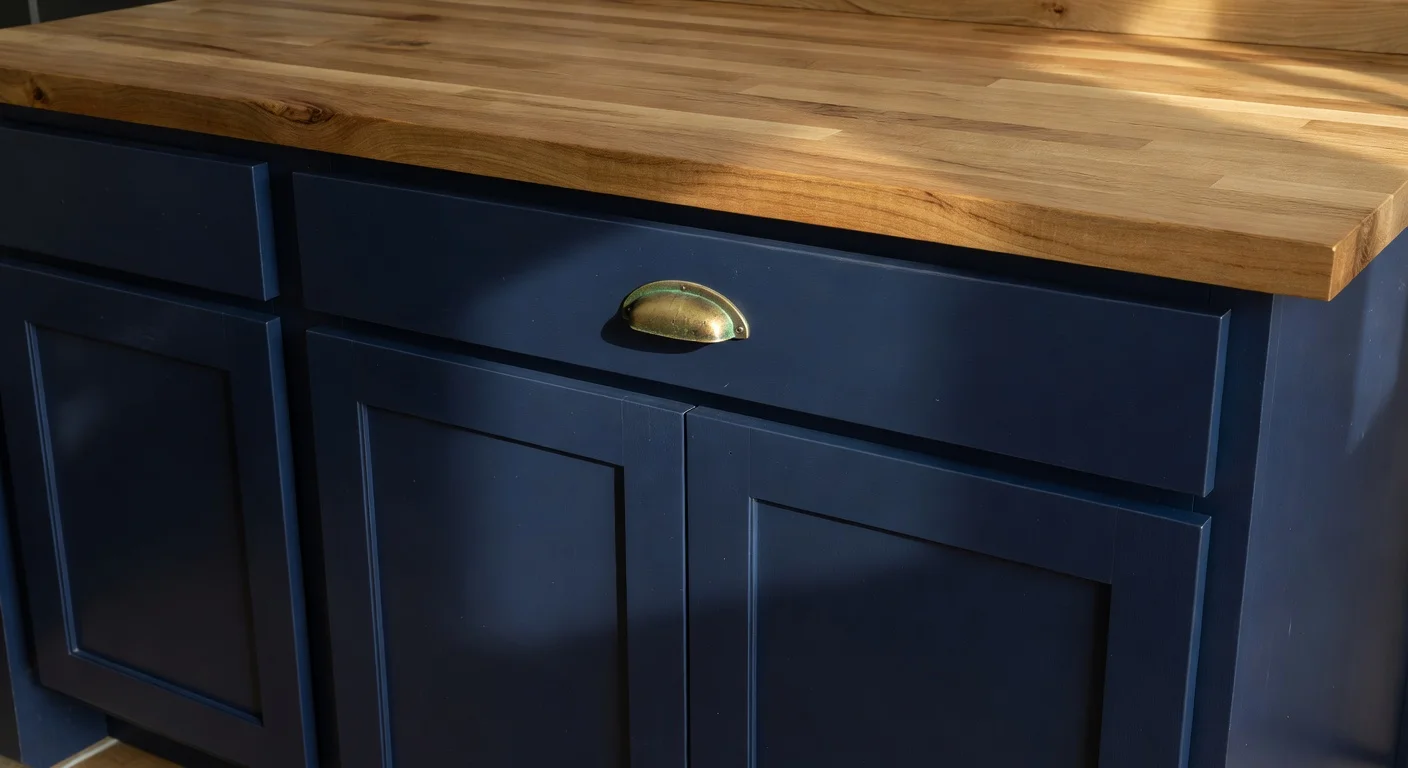
Yes, painting heavy 90s oak cabinets in matte shades of cream, muted sage, or navy blue immediately gives them a rustic cottage feel. However, you must strip and sand the heavy lacquer first, or the paint will chip within two months.
I usually recommend swapping out generic knobs for unlacquered brass bin pulls, which cost about $8 to $12 a piece. You can significantly change the vibe just by pulling down the upper cabinets on one wall.
Replacing a few uppers with heavy, floating pine shelves costs around $150 total. This instantly forces the eye to the woodwork, which is a hallmark of interior decoration in this style.
How can I visualize farmhouse kitchen layouts before buying appliances?
Committing to an $800 heavy apron sink or a $3,000 custom island is stressful. You need to know if the bulky farmhouse elements will physically fit your floor plan.
How do I test a farmhouse sink and new floors without hiring a designer?
You can snap a photo of your current kitchen and use generative design software to instantly visualize new cabinetry and floors. Traditional 3D modeling takes weeks to learn, but AI tools require zero manual input.
I honestly rely on mobile apps to test these massive visual shifts now. If a client wants to know how a dark walnut floor swap will look against white shaker cabinets, I just run their photo through an AI generator.
| Software Tool | Best For | Typical Cost |
|---|---|---|
| SketchUp | Architects needing precise 3D geometry | $349/year |
| Renova AI | Top Pick for Instant Makeovers from Photos | Free to download (Credits for generating) |
| Planner 5D | Drag-and-drop manual floor planning | $19.99/month |
| Gathering general mood board inspiration | Free |
I built Renova AI specifically for this bottleneck. You just point your phone camera at your kitchen, select the "Farmhouse" style from over 100 design options, and the app remodels the space in seconds.
Plus, the floor swap feature is highly specific. You can prompt the app to specifically add wide-plank oak flooring or a brick backsplash, and it handles the heavy lifting in the background. It is a very logical way to gather room ideas before you hire a contractor.
You can try the free version via the Renova AI App Store to see exactly how your sink configuration will look.
When does open shelving work best in farmhouse kitchen designs?
Floating shelves are highly popular in rustic spaces, but they often turn into grease traps if placed poorly. The farmhouse look relies on displaying your actual cookware, not just decorative items.
Are open kitchen shelves practical for daily use?
Yes, but only if you use them to store everyday items like plates and water glasses that get washed frequently. If you put rarely used serving platters on open shelves near your stove, they will collect a sticky layer of cooking dust.
Here is how I plan shelving in a farmhouse build:
- Keep them off the cooking wall: Place shelves near the sink or over a coffee station.
- Use thick materials: Shelves should be at least 2.5 inches thick to match the chunky farmhouse aesthetic.
- Anchor safely: A 3-foot solid oak shelf loaded with ceramic plates weighs roughly 50 pounds, so it must be drilled directly into the studs.
For accurate styling, check out some guides on design home real home decor to see how professionals balance stacks of white bowls with natural wood textures.
How can I design a farmhouse kitchen in a small galley layout?
You do not need a massive 400-square-foot room to pull off a rustic aesthetic. Galley layouts work perfectly if you scale the materials down.
How can I make a small kitchen feel like a rustic farmhouse?
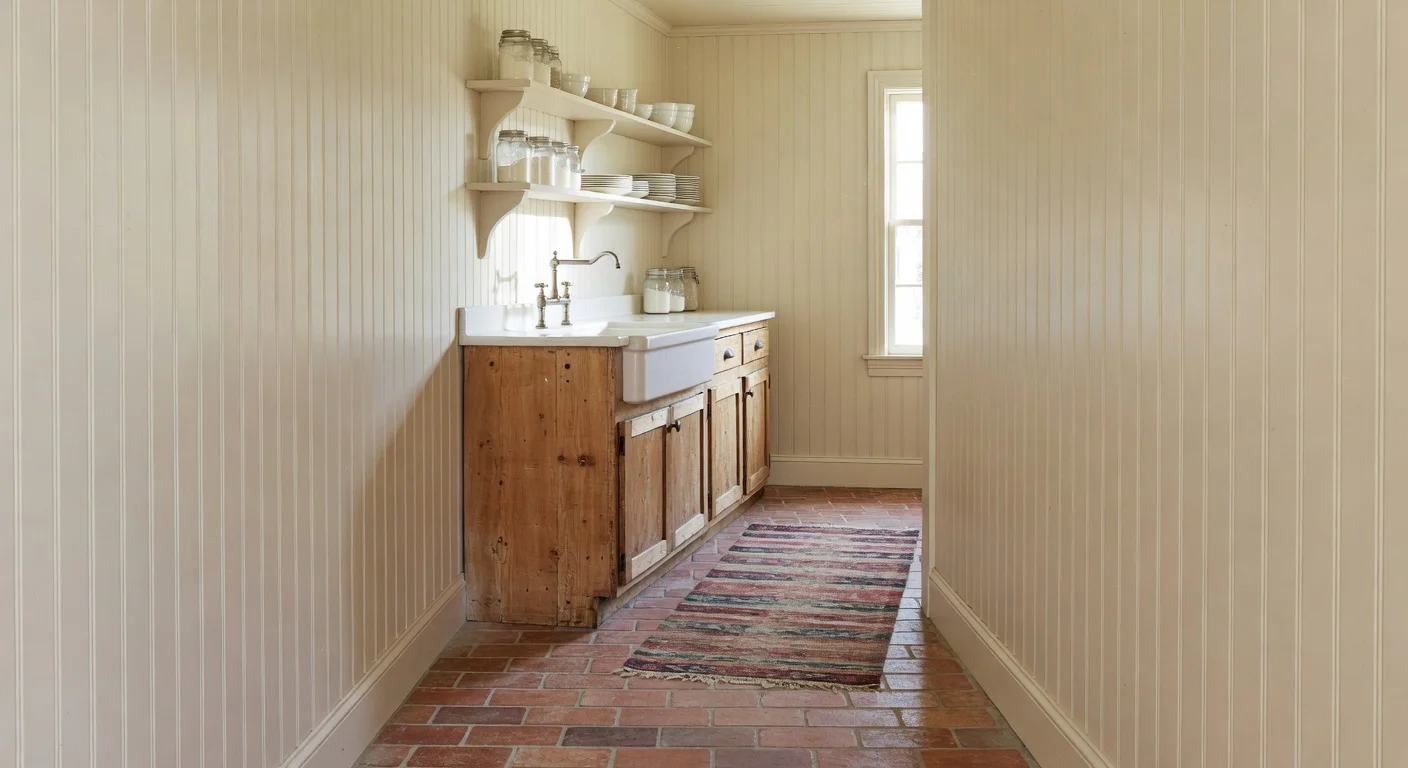
Focus on texture rather than bulky furniture: use beadboard paneling on the walls, light cream paint, and a scaled-down 24-inch fireclay sink. Heavy wooden ceiling beams will make a small room feel like a cave, so entirely skip them.
I recommend keeping the upper cabinets painted the same white as the walls to blur the lines of the room. Then, anchor the space with a highly textured floor.
Installing a brick-look porcelain tile sets you back about $6 per square foot in 2026. This adds that raw, historical feeling without taking up zero physical inch of floor space.
How can I mix modern appliances with rustic textures in farmhouse kitchens?
The original farmhouse style was highly country-kitsch, featuring rooster motifs and distressed,chipping paint. The 2026 iteration is much sharper.
What is the difference between classic and modern farm house kitchens?
Modern farmhouse kitchens pair raw, rustic textures with sleek, industrial lines, whereas classic farmhouse relies on heavily distressed finishes and antique clutter. The modern version feels much lighter and cleaner.
In a hybrid approach, you might pair a very traditional Shaker cabinet with a high-end stainless steel commercial range.
Here is the formula for the modern rustic look:
- Countertops: Soapstone or honed black granite instead of high-maintenance natural marble.
- Lighting: Oversized matte black or raw brass industrial dome pendants over the island.
- Backsplash: Vertical shiplap or handmade zellige tiles, skipping the traditional square ceramics.
Soapstone currently averages around $85 per square foot. It is non-porous (it repels stains naturally), fitting the practical ethos of farm life while looking incredibly sleek.
I honestly think this modern iteration will survive the decade. It blends the warmth that humans naturally crave with the functional simplicity that busy households demand.
Frequently Asked Questions
What makes a kitchen a farmhouse kitchen?
A farmhouse kitchen features natural, rustic materials and practical design elements. Key markers include an apron-front sink, open shelving, butcher block or distressed wood countertops, and shaker-style cabinetry.
Are farm house kitchens still in style for 2026?
Yes, but the trend has evolved into "modern farmhouse" style. This approach ditches the heavy, cluttered rustic look in favor of clean lines paired with warm, textured materials like raw oak.
How much does a fireclay apron sink cost?
A quality fireclay farmhouse sink typically costs between $600 and $1,200. Authentic cast iron options can run slightly higher, while stainless steel apron sinks are often cheaper.
Can I make a small galley kitchen look like a farmhouse?
Yes, by focusing on details rather than bulk. You can install a smaller 24-inch apron sink, use beadboard on the walls, and paint the cabinets a soft sage or cream color.
What is the best floor for a rustic kitchen?
Reclaimed hardwood and wide-plank oak are the most authentic choices. If you need water resistance, high-end luxury vinyl plank (LVP) that mimics distressed barn wood is highly practical.
How do I test different tile backsplashes before buying?
You can use an AI room planner to swap materials instantly. By uploading a photo to a design app, you can test different subway tiles and cabinet colors without buying physical samples.