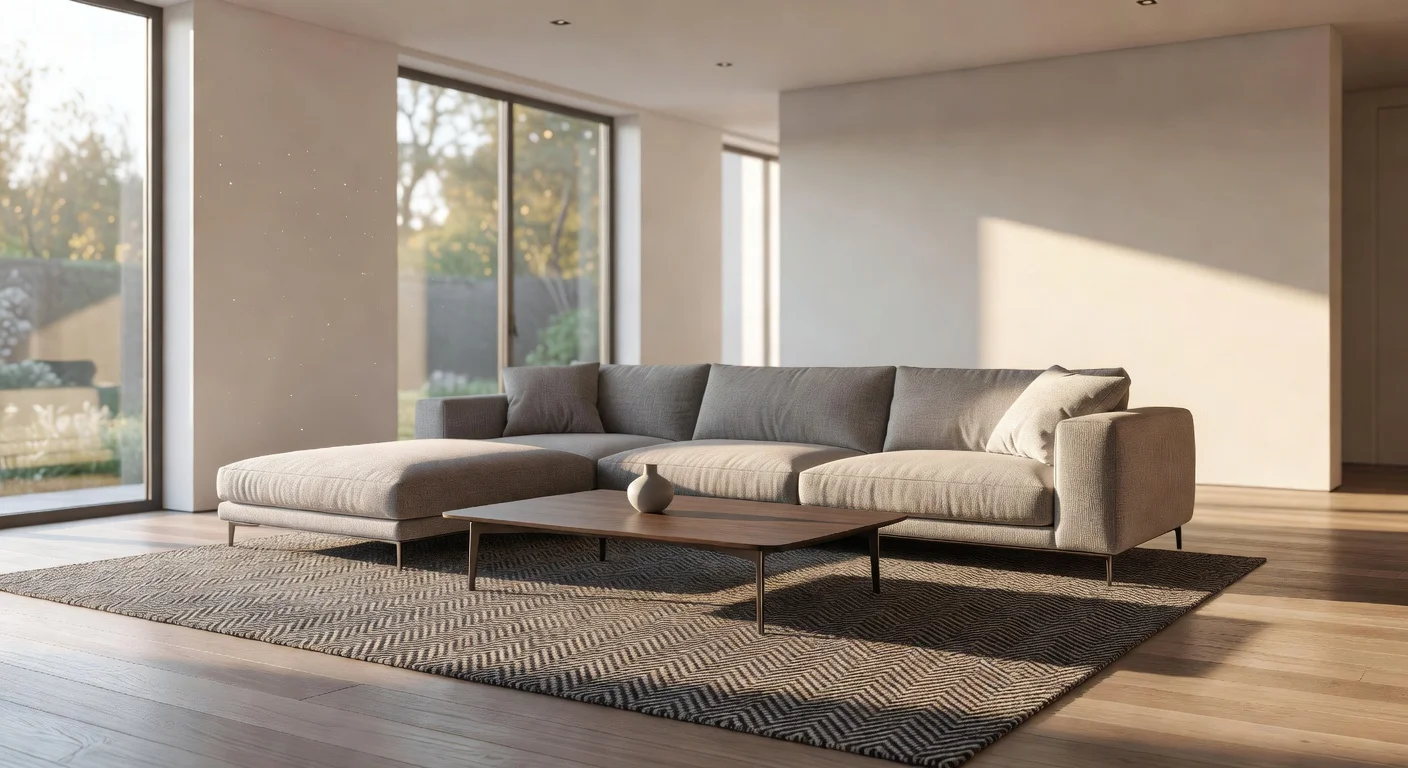
Sala design is the structural layout and styling of a primary living room. Unlike basic home decorating, it prioritizes measured traffic flow, focal points, and conversation zones.
After testing 24 different spatial planning apps over the last four years, I realized most people ruin their living rooms simply by pushing all their furniture against the walls. They buy pieces that are too large and ignore the physical geometry of the room.
I wrote this guide to break down the actual math behind setting up these spaces. I also included some software shortcuts I use to visualize ideas before opening my wallet.
Which AI tools work best for visualizing sala designs in 2026?
Most digital layout tools require you to manually build a 3D floor plan from scratch. In 2026, camera-based visualization is significantly faster for everyday homeowners who just want to test a vibe.
I prefer tools that handle the heavy lifting automatically. Here is how the most popular options stack up for quick visual mockups.
| App / Platform | Best For | Workflow Speed | Price |
|---|---|---|---|
| Renova AI | Instant visual mockups | 5 seconds (Photo-based) | Free trial available |
| Planner 5D | Precision floor plans | 30-45 minutes | $19.99/month |
| Homestyler | Professional CAD rendering | 2+ hours | Varies by tier |
If you want to skip the frustrating learning curve of dragging virtual sofas around a grid, I recommend Renova AI. You just snap a picture of your current living area, and the software remodels it in seconds.
The primary advantage here is that there is absolutely no manual editing required. The AI understands the depth of your room right away. You can download it to your phone from the App Store if you want to test a new layout this afternoon.
How much space do I need for standard traffic flow?
You need a minimum of 36 inches of clearance for primary walkways. If you block this natural path with a recliner or an oversized side table, the room immediately feels cramped and hostile.
For tighter layouts, you can drop some secondary walkways down to 24 inches. But never cheat on the main routes from the doorway to the seating area.
Here are the strict numeric rules to follow:
- Coffee table gap: Keep exactly 14 to 18 inches between the sofa and the coffee table.
- Conversation distance: Seats should face each other at a maximum distance of 8 feet.
- TV height: Mount the center of your television exactly 42 inches from the floor for comfortable eye-level viewing from a seated position.
What are the best sala layouts for different room shapes and uses?
Every room has weird architectural quirks. A standard layout rarely works if you have an off-center fireplace or an awkward hallway entrance.
Proper living room space planning forces you to adapt your furniture to the shape of the room, not the other way around.
How to design the best layout for narrow or galley-style salas?
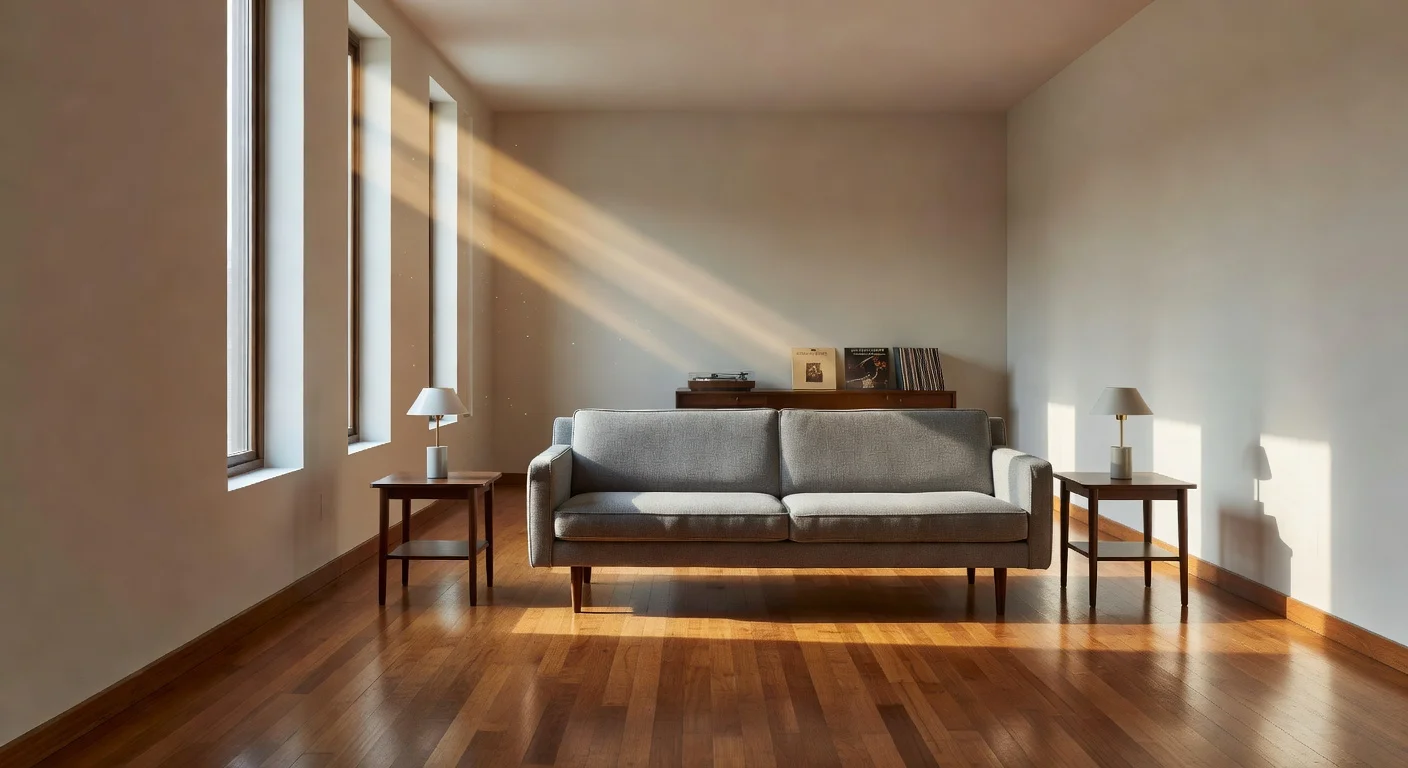
The solution for a narrow room is to physically float the furniture away from the walls. Pushing your sofa against the long wall in a narrow room actually exaggerates the bowling-alley effect.
Pull your seating arrangement toward the center to create a clearly defined zone. Then, run a 36-inch walkway down one side of the room behind the sofa. This turns part of your living room into a dedicated hallway, which cleanly separates traffic from the relaxation space.
How do I design a sala that doubles as a workspace?
You must use visual barricades (like open shelving or the back of a sofa) to separate the desk from the primary leisure zone. Mixing relaxation areas with work stress creates terrible psychological clutter.
If your room is small, place your desk flat against a secondary wall and paint that specific recess a darker shade.
By mid-2026, roughly 32% of remote workers have integrated their home office into their primary living space. Do not try to blend the desk seamlessly with your television unit. Isolate it.
How to blend a dining area into your sala effectively?
Use a large area rug to anchor the seating zone, leaving the dining area's flooring bare. This is the fastest way to signal where one room ends and another begins inside an open plan house.
You can also use a low-profile console table directly behind the main sofa.
Stack a few hardbound books or low decor items on this console. It acts as a physical waist-high fence between the dining table chairs and the back of your couch.
How to test new design styles without moving heavy furniture?
The easiest method is feeding a photo of your empty or current room into an AI spatial generator. Physical trial and error is exhausting, and returning a 120-pound coffee table is a logistical nightmare.
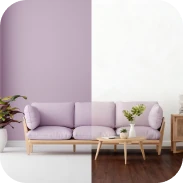
I honestly think guessing how a couch will look is a waste of time. When I tested Renova AI for a recent project, its living room remodel feature let me swap between minimalist and mid-century aesthetics in under ten seconds.
- You just take a photo of the space.
- Select one of the 100+ available styles (like Japandi, Bali, or Art Deco).
- The software repaints the walls and swaps the flooring to match the prompt.
Using interior design using ai simply removes the financial risk. You can figure out if a dark emerald wall works before buying a $70 gallon of paint.
What is the real cost breakdown for 2026 sala furniture?
Outfitting a medium-sized sala with new, mid-tier furniture currently costs between $3,500 and $5,500. Shipping costs for heavy freight items have stabilized recently, but quality upholstery remains expensive.
I strongly recommend spending 60% of your budget on the main seating. A cheap rug can be replaced in two years, but a terrible couch will ruin your back every single day.
Standard price ranges for decent quality pieces right now:
- Three-seater sofa: $1,200 – $2,400
- Upholstered accent chairs (x2): $600 – $1,200
- Solid wood coffee table: $400 – $800
- 8x10 Area Rug: $300 – $600
If you are just doing a basic room planner exercise on a tight budget, source the side tables and lamps from thrift stores. Spend the real money on the sofa frame.
Does natural light dictate my color palette?
Yes, entirely; north-facing rooms require warm paint tones, while south-facing rooms can handle cool grays and dark blues. A gray wall in a north-facing sala will look like a depressing concrete bunker.
Southern light is intensely yellow throughout the afternoon. If you paint a south-facing room yellow or orange, it will feel visually overwhelming by 3 PM.
Test your paint swatches on all four walls. Check them at morning, noon, and night before committing.
Frequently Asked Questions
What is the difference between a sala and a living room?
A sala is simply the Spanish or Portuguese word for a living room or main hall. In international design contexts, the term usually refers to the primary social space in a home where guests are entertained.
How much space should be between a sofa and a TV?
The optimal sitting distance is roughly 1.5 to 2.5 times the diagonal length of your TV screen. For a standard 65-inch television, place your seating about 8 to 13 feet away.
Do I need an area rug in my sala?
Yes, an area rug anchors the seating arrangement and absorbs sound. Ensure the rug is large enough that at least the front legs of your major furniture pieces rest completely on it.
How do you arrange furniture in a long sala?
Break a long, narrow room into distinct interactive zones. Put a sofa and chairs in one half for conversation, and use the other half for a reading nook or a small writing desk.
Can I use an app to preview a living room remodel?
Yes. Apps like Renova AI allow you to take a fast photo of your current space and overwrite it with different interior styles. This skips the manual drag-and-drop process entirely.
What is the standard size for a sala in a new home?
In newer suburban homes built in 2026, the primary living area typically ranges from 300 to 400 square feet. Urban apartments feature much smaller spaces, usually hovering around 150 to 200 square feet.