Rustic interior design styles center on raw natural materials, organic textures, and weathered architectural elements to create warm, grounded living spaces. The primary variable that determines which rustic style works for your home is your available natural light and ceiling height. Dark timbers and heavy stone overpower compact, low-lit rooms, whereas refined wood tones and soft plastered walls perform well in almost any modern floor plan.
What are the rustic interior design trends for 2026?
As of October 2026, rustic interior design trends emphasize dark walnut timbers, hand-applied plaster wall finishes, and integrated stone surfaces over stark white painted trim. According to design analysis published by Houzz, homeowners are moving away from monochromatic cool grays in favor of rich earthy tones like terra cotta, sage, and deep olive.
- Hand-crafted finishes: Smooth limewash paint and tactile Roman clay plaster are replacing standard flat drywall paints to add depth.
- Warm timber species: Pale ash and yellow pine are yielding to dark walnut, reclaimed oak, and burnt timber accents.
- Monolithic stone elements: Kitchen islands and fireplace hearths feature unpolished travertine or rough-cut fieldstone with exposed mortar joints.
- Soft structural edges: Radius corners on cabinetry, curved archways, and rounded wooden dining tables soften sharp architectural lines.
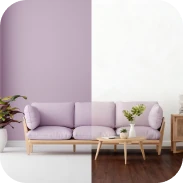
If you are evaluating room layouts and want to preview these finishes before buying materials, an AI spatial visualizer like Renova AI allows you to snap a photo of your existing room and instantly visualize warm limewash, natural stone, or dark wood accents without manual editing.
What is the difference between modern rustic, farmhouse, mountain modern, industrial rustic, and coastal rustic styles?
The primary difference between these five styles lies in their secondary materials and overall architectural warmth. Modern rustic focuses on sleek minimalist silhouettes paired with raw wood, while farmhouse emphasizes vintage wood trim and practical utility.
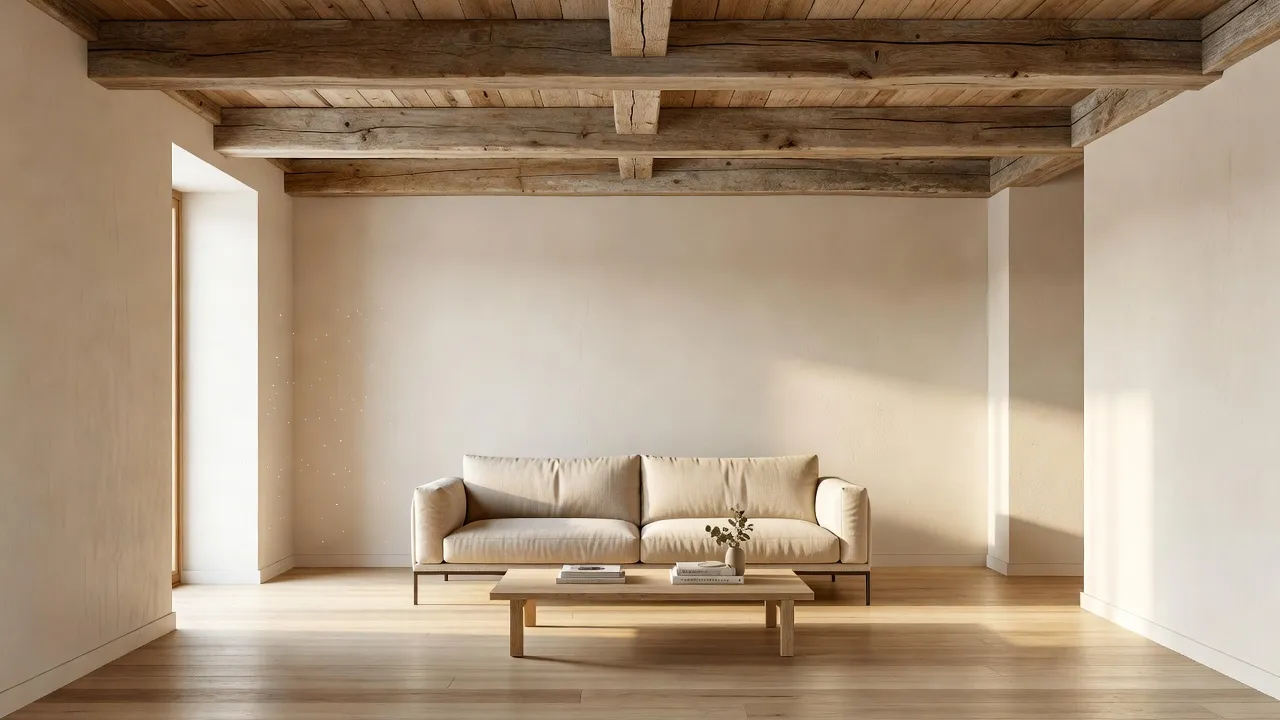
- Modern Rustic: Combines clean lines, white space, and low-profile modern furniture with thick reclaimed beams and rough-hewn stone accents.
- Farmhouse: Uses practical painted paneling, beadboard, apron-front sinks, and distressed furniture pieces. You can explore complete room layouts in our detailed farmhouse design guide.
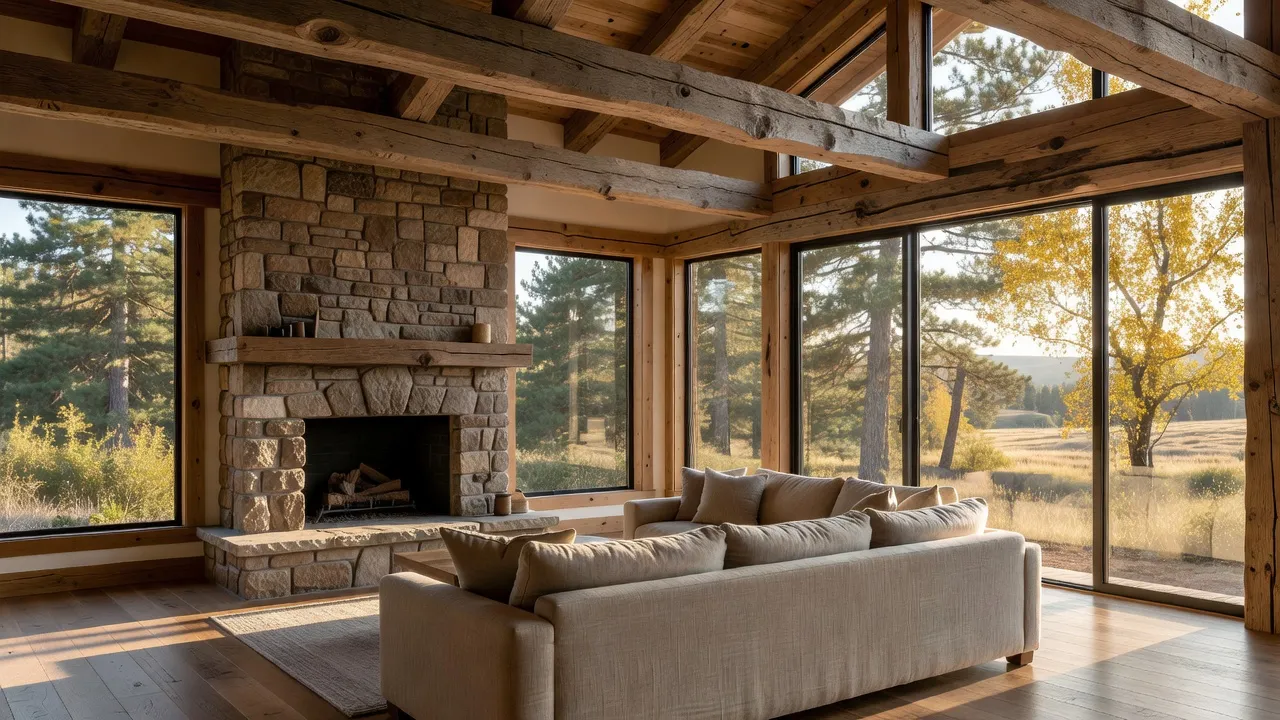
- Mountain Modern: Features soaring timber trusses, floor-to-ceiling glass windows, dark slate, and oversized hearths engineered for alpine settings.
- Industrial Rustic: Incorporates exposed steel beams, brick walls, ductwork, and weathered iron hardware alongside heavy distressed timber.
- Coastal Rustic: Blends weathered driftwood, whitewashed board walls, natural jute floor rugs, and breezy linen fabrics to keep room atmospheres light.
What is Modern Farmhouse versus Rustic Modern style?
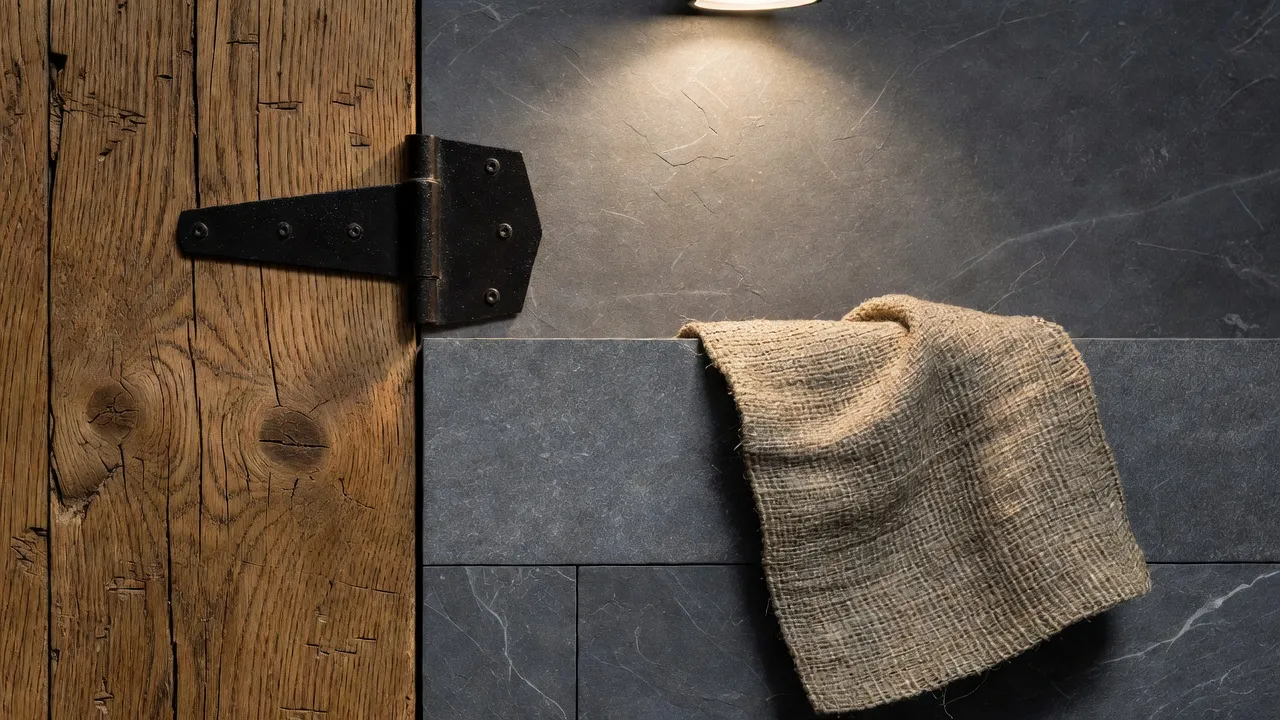
Modern Farmhouse relies on traditional cottage architecture updated with black iron fixtures and white board-and-batten walls, whereas Rustic Modern places raw, organic timber into a contemporary, sleek structural shell. Modern Farmhouse leans cozy and nostalgic, often incorporating decorative milk cans, sliding barn doors, and shaker-style cabinetry.
Rustic Modern focuses heavily on architectural contrast. Think polished concrete flooring paired with live-edge walnut dining tables or ultra-thin black window frames framing an unpeeled log accent wall. If your home features an open-concept layout or mid-century bones, Rustic Modern feels natural, while traditional timber or suburban homes adapt more easily to farmhouse style decorations.
What is Mountain Modern style?
Mountain Modern style pairs heavy timber frame construction and rugged mountain stone with vast sheets of architectural glass and minimalist luxury furnishings. This aesthetic originated in western ski resorts to maximize natural landscape views while providing structural shelter from high winds and snow loads.
Key features include floor-to-ceiling fireplace surrounds made from dry-stacked ledger stone, floating open staircases supported by black steel cables, and rich leather upholstery. Lighting in Mountain Modern interiors relies on recessed fixtures and architectural line lights rather than ornate country chandeliers, keeping the interior focus squarely on outdoor landscape views.
What is Rustic Glam or Refined Rustic style?
Rustic Glam, also referred to as Refined Rustic, mixes rough organic textures like distressed wood and brick with plush textiles, crystal glass, and metallic polished brass. This style elevates raw rustic architecture by adding tailored velvet sofas, oversized gilded mirrors, and polished marble countertops.
To balance these elements, interior designers use the 70/30 material rule: keep 70% of the room grounded in raw or matte surfaces (such as raw oak floors, brick, or matte paint) and reserve 30% for high-shine accents like brass sconces, silk drapery, or crystal light fixtures.
Scenario 1: Best for low-light suburban homes (Modern Rustic)
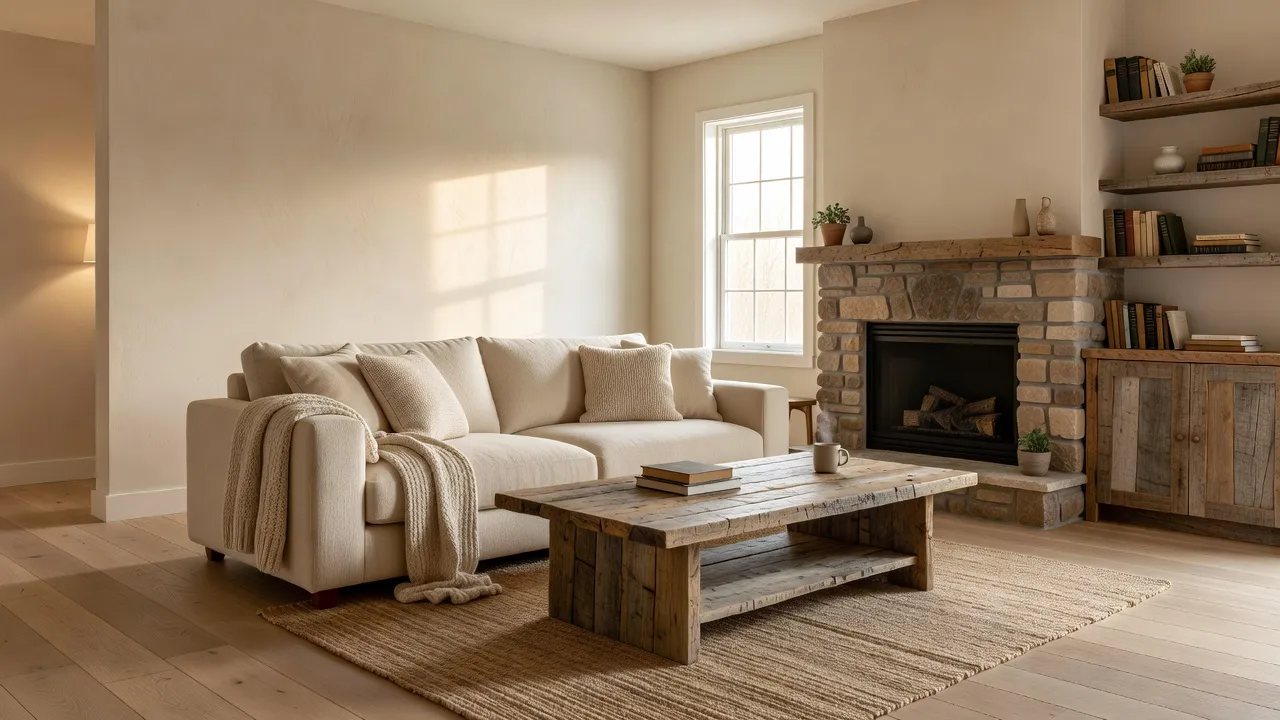
Modern Rustic is the ideal choice for spaces with standard eight-foot ceilings and limited daylight because it uses light walls to reflect rays while retaining organic warmth. Dark, heavy timber can turn a low-lit suburban room into a cave-like setting. Modern Rustic solves this by applying pale off-white plaster to walls and restricting heavy raw wood to focal points like mantelpieces or dining surfaces.
Lighting strategy for low-light spaces
Position your warm wood surfaces directly opposite window light to catch ambient bounces throughout the day. Paint walls in soft warm neutrals with light reflectance values (LRV) above 70. Selecting the right living room wall colors ensures that raw timber accents look rich rather than shadowy.
Key materials for suburban layouts
- Floors: Light oak or matte ash hardwoods with minimal distressing.
- Furniture: Low-slung linen sofas paired with a thick live-edge wood coffee table.
- Accents: Matte black metal lamp bases, cream wool throw blankets, and woven rattan baskets.
Scenario 2: Best for high-ceiling architectural spaces (Mountain Modern)
Mountain Modern design excels in great rooms with vaulted ceilings, exposed roof rafters, and expansive exterior windows. When ceilings rise above twelve feet, standard furniture scale looks lost. Mountain Modern solves structural scale issues by using massive furniture profiles, floor-to-ceiling stone cladding, and wide-plank wood floorboards.
Balancing cold glass with warm timber
Large windows bring in natural light but can make a room feel cold without heavy wood framing and deep textiles. Counteract expansive glass by installing floor-to-ceiling ledger stone around fireplaces and using deep-seat leather armchairs.
Key structural choices
- Beams: Dark stained Douglas fir or pine timber trusses running across ceiling vaults.
- Walls: Honed slate tile or dark charcoal accent walls alongside expansive glass panes.
- Furniture: Cognac leather seating, heavy iron log racks, and oversized solid wood dining tables.
Scenario 3: Best for historic or industrial conversions (Industrial Rustic)
Industrial Rustic is built for urban lofts, converted barns, and homes with existing brick walls or exposed ductwork. Historic industrial buildings already feature raw structural materials. Adding soft rustic timber and warm upholstery neutralizes the cold, sterile feel of cold brick and concrete.
Managing hard room acoustics
Hard surface materials like concrete floors and brick walls create echo and harsh audio resonance unless dampened with dense textiles. Use thick jute rugs, heavy canvas drapery, and upholstered wall panels to absorb sound. For rustic barn structures or conversions, read our guide on barn style house guide for structural insulation tips.
Key industrial material pairings
- Wall surfaces: Original exposed red brick, aged lime wash, or raw concrete panels.
- Structural details: Black iron pipe shelving, riveted metal framing, and exposed copper pipes.
- Seating: Distressed top-grain leather sofas paired with reclaimed boxcar wood tables.
Scenario 4: Best for sunlit, open-concept floor plans (Coastal Rustic)
Coastal Rustic works best in sun-drenched, open-concept spaces where natural sunlight highlight weathered wood grains and airy textiles. Unlike nautical coastal styles that rely on navy stripes and anchors, Coastal Rustic uses sun-bleached driftwood tones, crisp white linens, and sea-salt textured tiles to evoke a calm seaside atmosphere.
Choosing coastal flooring and wall finishes
Select water-resistant floor finishes that withstand sand and high foot traffic without losing their weathered look. Bleached white oak or wire-brushed light ash hardwoods work seamlessly across living and kitchen zones.
Key coastal accents
- Colors: Soft misty blues, warm sandy beige, seafoam grays, and pure bleached white.
- Textiles: Unbleached linen drapery, heavy cotton slipcovers, and sea-grass woven floor mats.
- Wood finishes: Sun-bleached teak, weathered cedar, and whitewashed pine wall paneling.
Scenario 5: Best for historic home remodels (Refined Rustic)
Refined Rustic suit historic or classic homes where you want to preserve antique trim while updating the space with clean modern luxury. This approach honors original architectural moldings, plasterwork, and old-growth floors while introducing sleek marble counters and refined brass hardware.
Mixing heritage details with contemporary utility
Keep historical moldings intact, but repaint them in soft eggshell finishes to harmonize old trim with contemporary furniture. Replace damaged historical flooring with wide-plank antique heart pine or vintage European oak.
Material contrast rules
- Kitchens: Honed Carrara marble slabs placed on rustic wire-brushed oak cabinets.
- Bathrooms: Freestanding clawfoot tubs set against raw stone tile accent walls.
- Lighting: Modern brass sputnik or minimalist ring chandeliers hung beneath ornate ceiling medallions.
Comparing room visualizers and design tools for rustic remodels
Planning a rustic renovation requires testing how heavy textures, dark beams, and stone surfaces interact with your room light. The comparison table below evaluates popular room visualization approaches based on setup time, cost, and rustic design fidelity.
| Design Approach / Tool | Realistic Texture Rendering | Setup Time | Cost & Value | Ideal Use Case |
|---|---|---|---|---|
| Traditional Mood Boards | High (using physical physical swatches) | 2–5 Days | Free to $100 (swatch samples) | Feeling physical fabric and wood textures in hand |
| Professional Interior Designer | Ultra High (full 3D CAD renders) | 2–6 Weeks | $1,500–$10,000+ per room | Full structural rebuilds and historic gut renovations |
| Renova AI App | High (AI photorealistic style overlay) | Under 10 Seconds | 3 free generations, then $6.99/wk or $59/yr | Instant visualization of 100+ rustic styles on your existing room photo |
| Manual 3D Modeling Software | High (depends on user rendering skill) | 10–20 Hours | $30–$120/month subscription | DIY builders with technical CAD experience |
If you are stuck between choosing Modern Rustic or Mountain Modern, trying physical swatches alone will not show you how dark ceiling beams impact your daylight. Using Renova AI allows you to swap wall finishes, test hardwood floor tones, and apply complete rustic themes to your actual room photo in seconds without manual editing skills.

How to test rustic interior design styles in your space without manual editing
Testing rustic interior styles begins with analyzing how light, wood tones, and wall finishes interact before committing to expensive demo work. Heavy structural changes like adding stone surrounds or exposing ceiling joists are costly to reverse.
- Assess your room light: Note where natural light hits your room throughout the day. Dark timber requires bright sun or artificial warm lighting to avoid looking somber.
- Photograph your space: Take a clear, wide-angle photograph of your room from the doorway in natural daytime light.
- Apply style filters using AI: Upload your photo to Renova AI, select styles like Farmhouse or Modern, and preview new flooring, wall colors, and timber accents instantly.
- Order physical swatches: Once you confirm the visual style digitally, order 3–4 physical wood stain swatches and plaster samples to check against your home's lighting.
- Start with accent pieces: Build your rustic room layer by layer starting with large floor rugs, followed by timber coffee tables and lighting fixtures.
Frequently Asked Questions
What are the main characteristics of rustic interior design?
Rustic interior design characteristics include unrefined natural materials, raw wood grains, stone surfaces, warm earth tones, distressed metals, and tactile fabrics like linen, wool, and leather.
How do I make my living room look rustic on a budget?
You can create a rustic living room on a budget by adding reclaimed wood floating shelves, swapping shiny chrome hardware for matte black or oiled bronze, using textured woven jute rugs, and displaying vintage ceramic vessels.
What colors work best with rustic style interiors?
Warm earth tones work best in rustic interiors, including terracotta, sage green, warm cream, taupe, burnt ochre, and deep charcoal.
Can small rooms support rustic interior design?
Yes, small rooms can support rustic design if you choose Modern Rustic or Coastal Rustic styles. Use pale wall paint, light-toned oak, and clean-lined furniture to keep the space feeling open.
What is the difference between rustic and farmhouse design?
Rustic design focuses broadly on raw, unrefined natural elements like stone and unpolished wood, while farmhouse design specifically incorporates historical American agricultural motifs like apron sinks, beadboard, and painted furniture.
What flooring options work best in a rustic home?
Wide-plank hardwood floors in wire-brushed oak, hand-scraped pine, slate tile, and natural flagstone are the top flooring choices for rustic homes.
How do I light a rustic room without making it look dark?
Use multi-layered warm lighting (2700K color temperature bulbs), combining recessed ambient ceiling lights, forged iron wall sconces, and floor lamps with textured linen shades.
Is rustic interior design out of style in 2026?
No, rustic design remains highly popular in 2026, though it has evolved away from distressed shabby-chic finishes toward refined plaster walls, rich walnut wood, and warm monolithic stone accents.