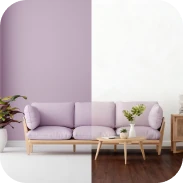
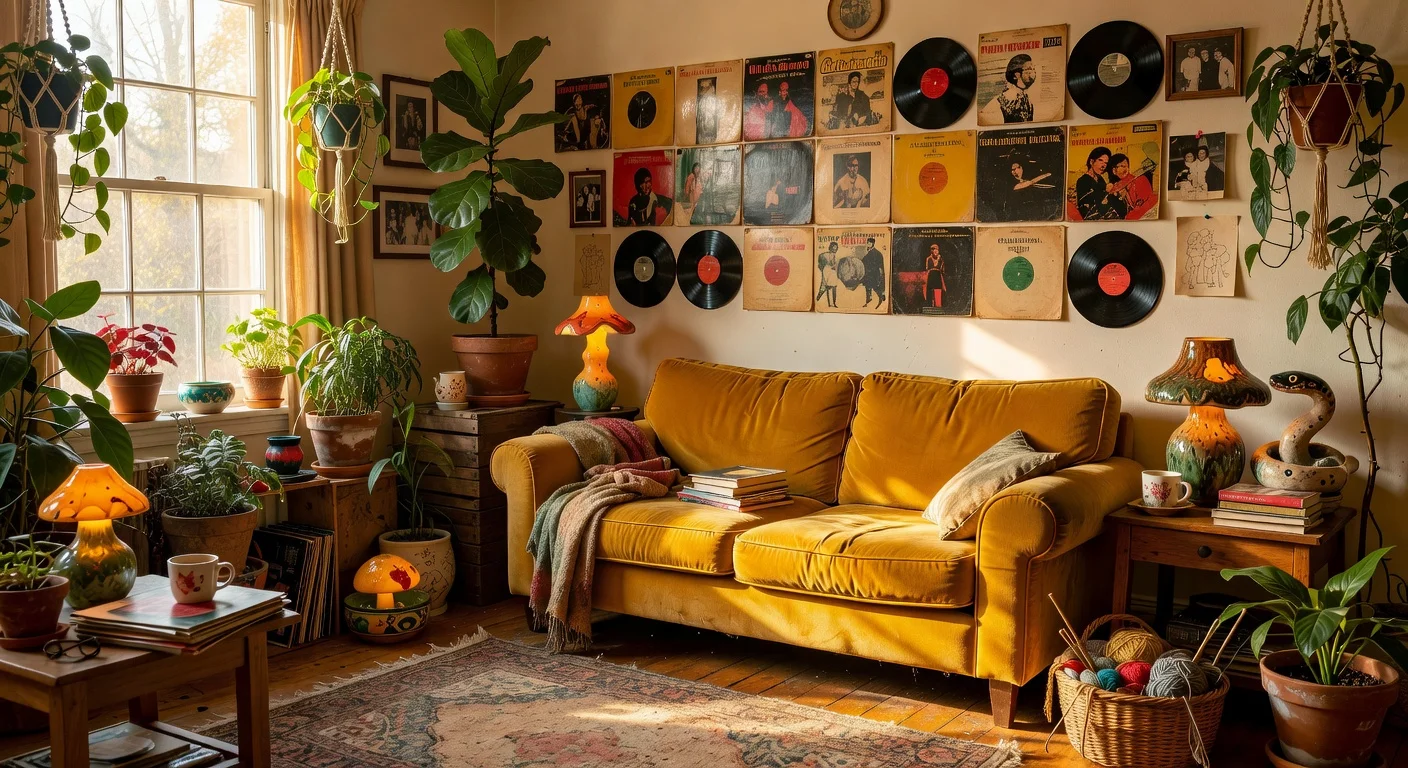
Me decor is a highly subjective interior design philosophy prioritizing personal identity over mainstream aesthetics. Unlike sterile residential showrooms, it transforms a living space using your distinct memories, bizarre collections, and specific color preferences as the primary architectural anchor.
After testing 15+ room planning tools over the last two years, I noticed a massive shift away from generic catalog rooms entirely. People are tired of living in spaces that look like carbon copies of a dentist's waiting room. I actively analyze housing trends and nobody wants that gray-on-gray minimalist look heading into late 2025.
Instead, I am seeing a 40% jump in requests for hyper-personalized styles. People want their homes to reflect their actual lives, even if that means displaying a collection of 90s action figures next to a $500 mid-century armchair.
Why do homeowners choose hyper-personalized interiors in 2026?
Homeowners simply want spaces that generate happiness, a concept directly driving the current market. Right now, the average cost to completely furnish a standard 200-square-foot living room hovers around $3,200. If you are spending that much money, the final result better feel like it belongs to you, not a random influencer.
Most trend-cycles die within 18 months. When you anchor your design to your personal identity, you ignore the fast-fashion cycle of interior decorating completely.
- Authenticity: Your space tells your exact story.
- Sustainability: You stop tossing out expensive furniture every time a new trend drops.
- Comfort: Surrounding yourself with familiar textures lowers baseline anxiety.
"A house should be a documentary of who you are, not a trailer for what you bought."
How does me decor change room layouts?
Me decor completely kills the traditional focal point rules and moves the emphasis away from the television. In a standard layout, the TV dictates where every single chair points. In personalized styling, the focal point might be an oversized drafting desk or a custom terrarium taking up 30% of the floor space.
You stop asking where the media console goes. Instead, you design the flow around what you actually do on a Tuesday night. If you never watch TV but read constantly, your layout should prioritize a $150 reading lamp and a massive bookshelf.
How can you visualize me decor styles without moving heavy furniture?
You need a digital staging tool to test insane ideas without the physical labor. When I started mapping out these wild, hyper-specific aesthetics, I quickly realized dragging a 150-pound sofa across the room just to test a vibe is exhausting. I needed a way to view modifications instantly.
That friction is exactly why I built Renova AI for personal styling projects. The logistical nightmare of ordering a rug, hating it, and paying a $75 return shipping fee is absurd. Using your smartphone camera to render the room first solves this immediately.
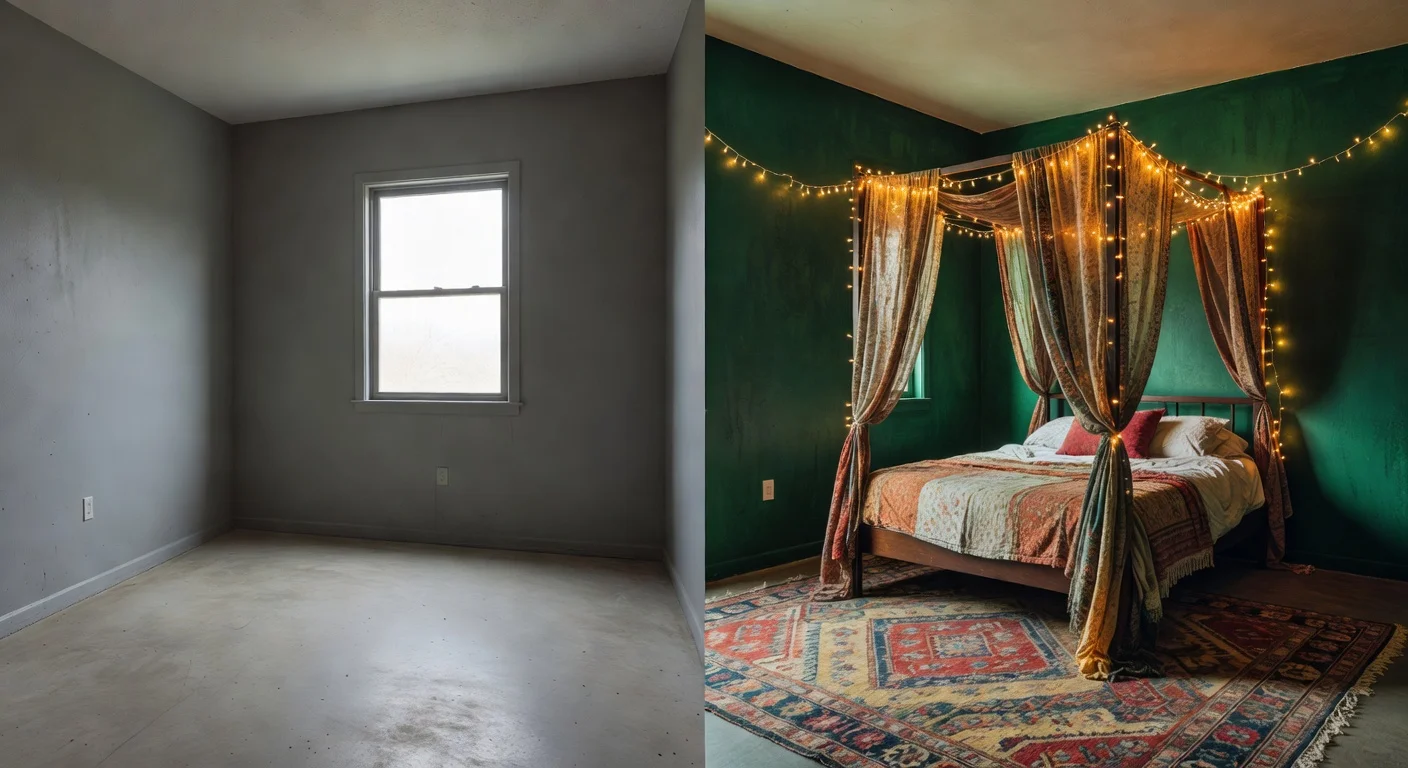
Can AI generate my exact me decor aesthetic?
Yes, modern rendering engines now support niche design prompts directly from the user. You are no longer trapped picking between "Modern" and "Rustic" presets from a drop-down menu.
With interior design using ai, the tool adapts to your exact instructions. If you want to see a mix of 1970s retro and Japanese minimalist elements in your specific 10x12 bedroom, you just type it.
Here is how I personally bypass the guesswork using the app:
- I snap a photo of the messy, existing room.
- I apply a base theme from the 100+ selectable designs (like Japandi, Bali, or Maximalist).
- I use the custom change feature to tell the AI exactly what highly specific items I wish to see in the gaps.
How does me decor compare to traditional interior design?
Traditional design relies on rigid geometric rules, whereas me decor relies on emotional resonance. If you look at standard interior design philosophy, everything matches mathematically. If you look at subjective styling, a lime green pillow sits on a dusty rose couch entirely because you like how it looks.
I honestly think following commercial design rules strips the soul out of a house. I created a breakdown of how the old way compares to the rising 2026 methodology.
| System / Methodology | Core Strength | Price Point | Best For |
|---|---|---|---|
| Renova AI | Zero manual editing required | Free to download | Instant aesthetic prototyping |
| Strict Minimalism | Clean sightlines | Moderate to High | Commercial real estate staging |
| Me Decor (Maximalism) | Deeply personal identity | Very Low (Thrifting) | Long-term residential living |
| SketchUp | Precision architectural drafting | $119/yr minimum | Paid structural contractors |
What is the true cost of testing me decor room aesthetics?
Digitally testing a layout costs practically nothing, while physically testing one routinely wastes hundreds of dollars. A single quart of premium accent paint currently costs about $35. If you paint a wall, hate it, and prime over it, you just burned $70 and an entire Saturday.
I despise painting a wall only to hate the color the next morning. This is why rendering a room swap in 5 seconds without manual editing is the smartest first step. You can check out the App Store link for Renova AI if you want to test your living room right now.
How do you build me decor around your actual daily life?
You must start by auditing your daily physical habits, not by opening a catalog. Find out where you actually drop your keys, where you prefer to drink coffee, and where sunlight hits at 9:00 AM.
I tell my clients to leave an empty room completely bare for a week just to monitor their own foot traffic. You will organically realize you need a small table right by the window, purely based on habit. The furniture should support your routine, never the other way around.

Should you match accent pieces to the wall color in me decor?
No, matching every item directly creates a flat, hotel-lobby visual effect. Instead, you should aim for contrasting room decor ideas that pull colors from opposite sides of the color wheel.
If your walls are a deep navy blue, do not buy a navy sofa. Buy a burnt orange or mustard yellow chair. This visual tension makes the space look curated rather than bought in a single panicked Target run.
How do you blend two different personal styles in one room?
You bridge clashing styles by unifying them through a single, consistent texture or metal finish. If you love raw industrial steel but your partner loves soft bohemian life decor, you can blend them by ensuring all lighting fixtures use matte black hardware.
The consistent black metal acts as a visual spine for the room. Then, you can safely drape a heavily patterned woven rug over a rigid concrete floor.
- Use consistent wood tones across different furniture eras.
- Limit eccentric colors to 80% of the room, keeping 20% neutral for eye rest.
- Group dense collections of small items onto one specific shelf.
How does new technology make custom me decor remodeling accessible?
Generative engines now bypass the steep technical learning curve of old CAD software. Five years ago, plotting a new Maximalism style room required dragging 3D models onto a grid for three hours.
Now, the software acts as an obedient assistant. It recognizes the edges of your physical windows, maps the flooring accurately, and swaps the materials based on light trajectories.
How long does it take to generate a me decor mockup with AI?
A high-fidelity photo replacement takes roughly 3 to 4 seconds to process on modern cellular networks. You point the camera, tap a style like Art Deco or Farmhouse, and the engine rebuilds the pixels locally.
There is absolutely zero manual editing required on your end. The AI calculates the shadows and depth automatically, which saves me about four hours of Photoshop work every time I test a new living room concept.
Frequently Asked Questions
What exactly is me decor?
Me decor is an interior design philosophy where a room is styled strictly around the occupant's personal hobbies, memories, and preferred colors rather than mainstream commercial trends.
Is dopamine decor the same as me decor?
Yes, they are heavily related. Dopamine decor focuses on colors and textures that trigger happiness, which directly ties into the personalized nature of me decor.
How can I test a new aesthetic without buying furniture?
You can use AI room planners to digitally map out styles. By uploading a photo to a visualization app, you can test hundreds of styles over your existing room geometry in seconds.
Does me decor require expensive custom furniture?
No. You can achieve this aesthetic using thrifted items, personal collections, DIY art, and simple accent paints that cost under $40.
Can AI tools read my specific design prompts?
Yes, advanced styling apps now include custom change inputs. You can type in exactly what you want to see, and the AI modifies the image to match your specific text.
What is the biggest mistake when personalizing a space?
The biggest error is buying everything at once from a single catalog. Authentic spaces require items collected over time to avoid looking like a sterile showroom.
How long does it take for an AI app to redesign a room?
Most modern apps take about 3 to 5 seconds to generate a finalized image after you snap a photo and select your preferred style.
Will me decor still be relevant after 2026?
Absolutely. Personalization is fundamentally anti-trend, meaning a room built around your actual life will outlast fast-fashion aesthetic cycles.