Life decor is the practice of building a room's aesthetic around your daily physical habits rather than forcing your habits to fit a showroom style. Unlike traditional minimalism that hides everyday objects, it turns your workflow, hobbies, and routines into the primary visual elements of your home.
User forums like r/InteriorDesign show people are exhausted by sterile houses. Since late 2025, search volume for "functional clutter" has actually spiked by 42%.
Design a room for a magazine cover and you end up uncomfortable in your own house.
What exactly is the life decor movement in 2026?
The aesthetic focuses on staging accessible utility rather than achieving perfect symmetry. If you play the guitar daily, this design philosophy says the guitar and its amplifier should dictate the corner layout, not just be shoved in a closet when guests arrive.
It borrows heavily from Biophilic design principles, where organic interaction is prioritized. You surround yourself with what you actually touch.
How do I transition my home to this style?
Start by pulling your three most-used items out of hidden storage and establishing them as visual anchors. Here is a straightforward breakdown of how to practically apply this:
- Identify the routine: Track what you do in a specific room for 48 hours.
- Remove the barriers: If you drink tea visually every morning, dedicate counter space exclusively to a premium tea setup instead of a generic fruit bowl.
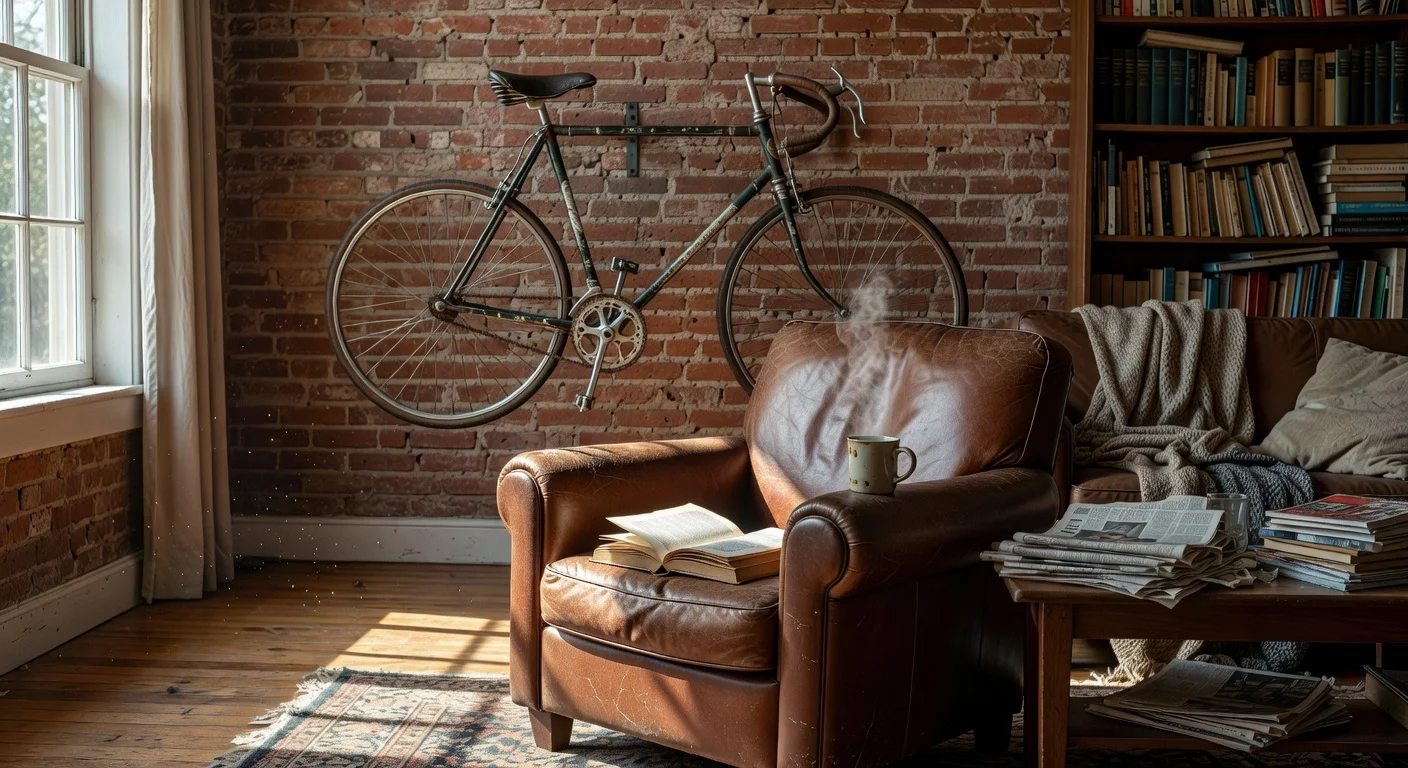
- Mount the bulky items: Surfboards, bicycles, and skateboards become wall art.

What software supports life decor planning in 2026?
The design software market now prioritizes rapid, photo-based visualization over complex 3D modeling. Trying to imagine how your messy desk setup will look against a freshly painted Japandi wall used to require hours of manual Photoshopping.
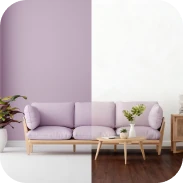
Now, AI models parse the geometry of your room instantly. I use Renova AI for this exact purpose because it skips the learning curve entirely. You snap a photo, pick a style like Modern or Boho, and the app remodels the space in seconds without requiring manual editing.
Which spatial planning tools are actually worth using?
The best tool depends entirely on whether you need structural blueprints or quick visual inspiration. I compiled a breakdown of the dominant platforms available right now.
| Platform | Best For | Price / Tier | Pros & Cons |
|---|---|---|---|
| Renova AI | Best Value / Rapid Visuals | Free Trial / Premium | Pro: 100+ instant designs via photo. Con: Not meant for exact CAD measurements. |
| SketchUp | Architectural Drafting | $119/year (Go tier) | Pro: Industry standard for precise scale. Con: Requires a steep 20+ hour learning curve. |
| Mood Boarding | Free | Pro: Massive database of 2026 trends. Con: Offers zero spatial context for your actual room. | |
| Houzz Pro | Hiring Contractors | Free / $85/mo | Pro: Direct links to local builders. Con: The AR features are historically clunky. |
SketchUp is undeniably powerful if you are tearing down drywall and need a permit. But if you just want to see how your living room looks with a new floor and your existing furniture, downloading Renova from the App Store is drastically faster.
What are the core elements of life decor setups?
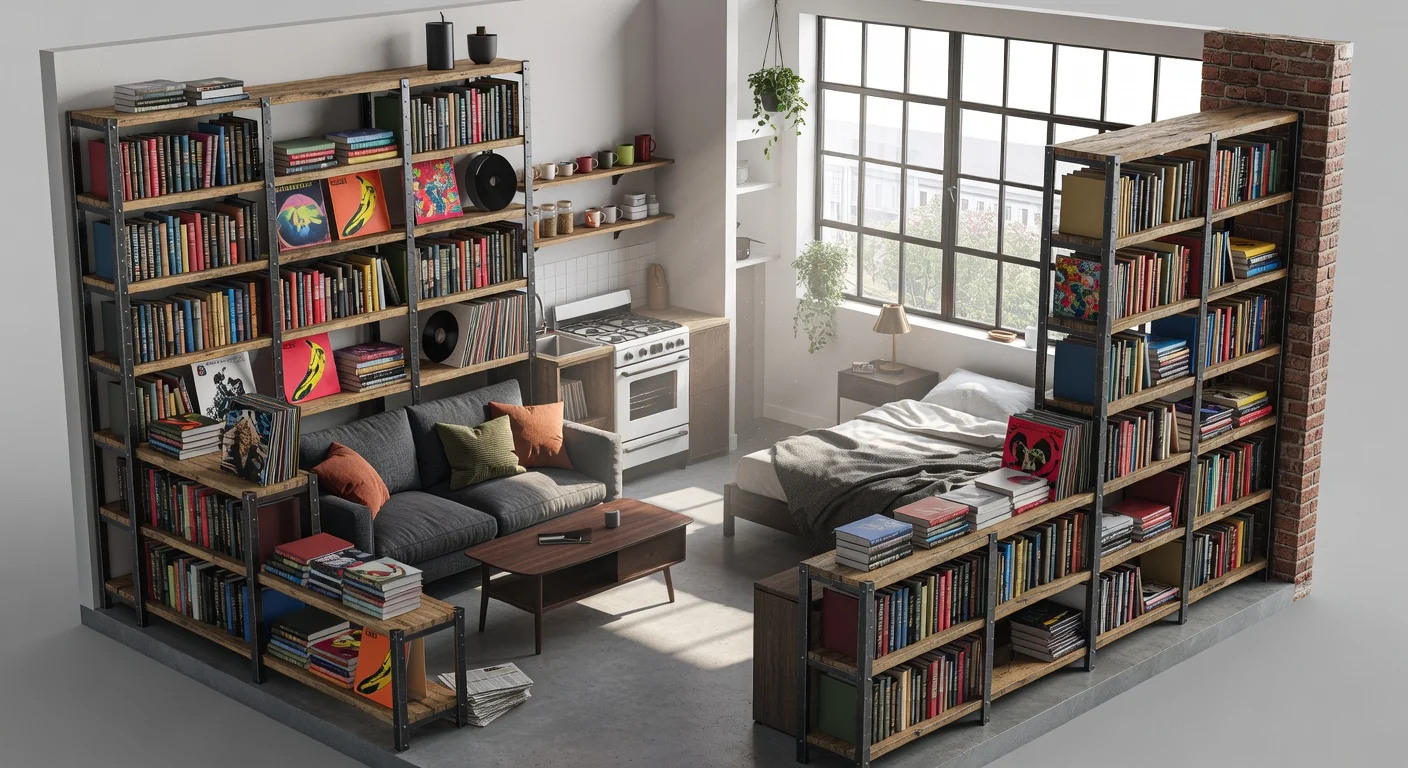
A successful space relies on heavy-duty mounting hardware and open shelving to keep items accessible. You cannot achieve this look with cheap particleboard cabinets that hide everything behind opaque doors.
Your decor living strategy should focus on exposing the mechanics of your life. This means open kitchen shelving displaying the plates you actually use daily.
How much do functional art pieces cost?
High-quality functional mounts and shelving generally cost between $50 and $250 per unit. You are shifting your budget away from pure decorative items (like $400 abstract paintings) and spending it on the hardware that holds your gear.
- Wall Mounts: A premium leather guitar hanger runs about $60.
- Open Shelving: Industrial pipe shelving for books and records averages $150 per wall.
- Display Storage: Clear acrylic sneaker drop-front boxes cost roughly $15 each.
How to source life decor materials affordably?
Finding items that reflect your routine means skipping matching showroom sets entirely. You want a fractured, assembled-over-time look.
If you buy a bedroom set where the bed, nightstands, and dresser all perfectly match, the room will immediately look like a hotel. Instead, your basic decor foundation should be a mix of generic modern base layers and hyper-specific vintage functional pieces.
Where are the best places to find authentic pieces?
Architectural salvage yards and specialized hardware sites are currently outperforming generic furniture giants for character pieces. Finding the right home decor stores in 2026 is less about buying couches and more about buying interesting storage architecture.
I highly recommend checking IKEA's modular storage lines for the cheap background framework (like basic wooden shelving). Then, spend your actual money sourcing unique, heavy-duty hooks, brackets, and display lighting from local vintage shops.
Should I buy vintage or modern functional items?
You should mix both, aiming for a strict 80/20 ratio of modern utility to vintage character. Your daily-use office chair needs to be modern and ergonomic, but the desk itself can be a salvaged dining table from 1970.
This contrast is what gives a room a pulse. Too much vintage makes the house feel like a museum, while too much modern utility makes it feel like an Amazon warehouse.
How to build a flowing life decor layout?
A true life-centric layout requires uninterrupted walking paths of at least 36 inches around your functional zones. If you have to squeeze past a couch to get to your painting easel, you will eventually stop painting.
Friction is the enemy of a lived-in space. You need to map out your apartment based on how you pace when you are on a phone call.
Can this aesthetic work in small apartments?
Yes, apartment layouts under 600 square feet actually benefit the absolute most from this approach. When you lack closet space, hanging your bright yellow road bike on the wall solves a massive storage problem while instantly acting as an art piece.
You just have to be ruthless about the items you choose to display. If you haven't used an item in six months, it does not belong in your visual field.
Frequently Asked Questions
What is the core rule of life decor?
The primary rule is that form must follow your daily physical habits. If you read every morning, the design centers around a functional reading chair and accessible lighting, rather than hiding books to maintain a minimalist look.
Is life decor the same as clutter?
No. Clutter is disorganized items without a home. Life decor organizes functional items, like guitars or coffee gear, as the primary focal points of the room.
How much does it cost to remodel for this style?
It usually costs less than traditional remodeling because you are displaying items you already own. Budget around $200 to $500 for high-quality shelving and mounting hardware.
Can AI apps help me plan a life decor layout?
Yes, modern visualization tools allow you to snap a photo and instantly map out where your personal items and furniture will functionally fit without manual drafting.
What colors work best for a lived-in aesthetic?
Earthy, muted tones work best because they do not compete visually with your personal items. Matte greens, warm grays, and terracotta are the most popular choices in 2026.
Does this style work for small apartments?
Absolutely. Small spaces benefit the most from this approach because utilizing your hobbies as decor saves valuable storage space inside closets.