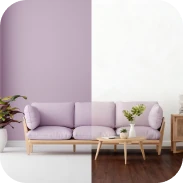
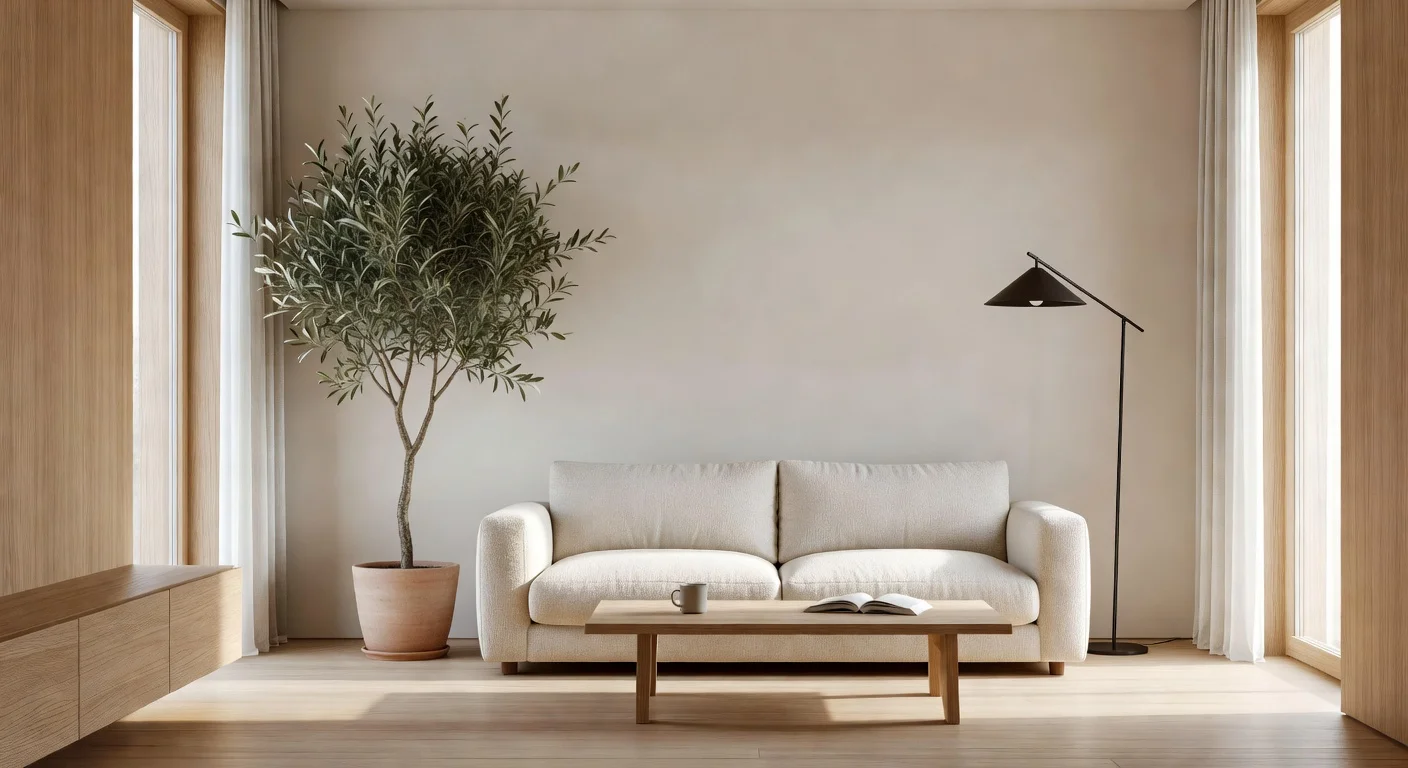
Interior decoration is the active process of equipping a room with aesthetic elements like furniture, color palettes, and textiles. Unlike structural renovation, it focuses entirely on the superficial atmosphere and functionality of a space without tearing down walls or moving plumbing.
As someone who actively tests spatial planning software and revamps commercial studio spaces regularly, I notice trends shift quickly. In 2026, the obsession with overly sterile, hotel-like rooms is finally dead. People want texture, personality, and immediate visual feedback before they spend a dime.
What are the core elements of modern decoration in 2026?
The primary elements are tactile materials, contrasting color temperatures, and scaled proportions. You cannot simply buy matching furniture sets anymore (that look screams mid-2000s catalog).
Instead, successful styling relies on a few non-negotiable layers:
- Base color: Grounding the room with a dominant shade (usually covering 60% of the surface area).
- Lighting zones: Mixing ambient overheads with specific task lighting at eye level.
- Textile layering: Contrasting hard materials (like a metal side table) with soft boucle or linen fabrics.
- Negative space: Leaving empty areas so the room does not feel cluttered.
If you struggle with arranging these pieces, stepping back to focus on living room space planning is always the best first move.
Why are decorators switching to sustainable materials for home styling in 2026?
Decorators are currently abandoning cheap, seasonal plastics in favor of heavier, permanent materials. Supply chain issues in Late 2025 pushed furniture costs up by roughly 14%, forcing consumers to buy fewer, better things.
You will see more raw cast iron, solid timber, and heavy ceramics entering residential spaces. People are realizing that spending $400 on a solid oak stool is cheaper over five years than replacing a $90 particleboard table three times.
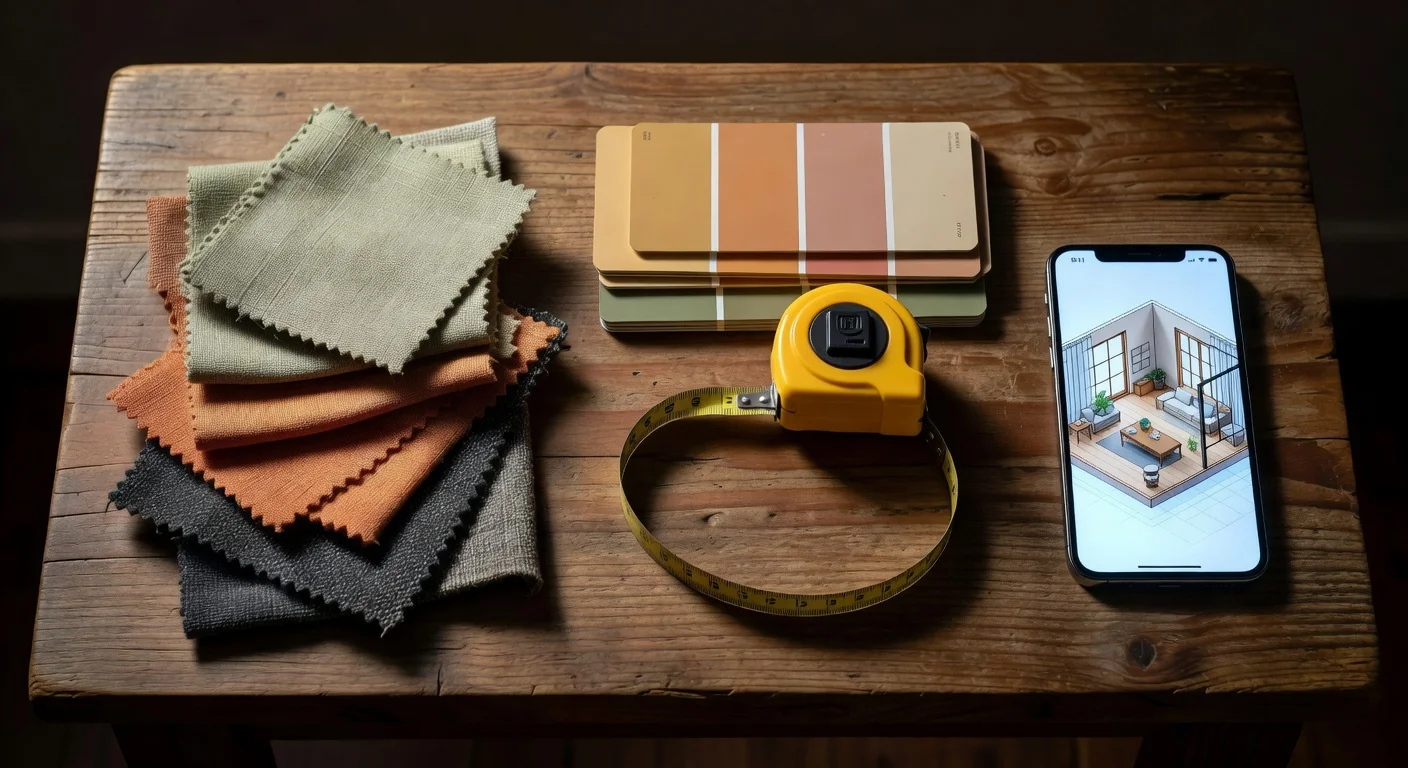
Which decoration apps offer the best AI room visualization in 2026?
Digital planning tools have mostly replaced physical mood boards for everyday consumers. I spent most of last month testing the primary apps people use to plan their layouts.
Most traditional software requires a steep learning curve, but newer generation apps handle the rendering instantly.
| Tool Name | Primary Use Case | Cost | Top Pick For |
|---|---|---|---|
| Aggregating reference photos | Free | Concept Boarding | |
| Renova AI | Instant photo-to-style rendering | Free trial | AI Style Exploration |
| Houzz Pro | Connecting with local contractors | $85/mo | Professional Project Management |
How do I visualize new decor styles without buying furniture?
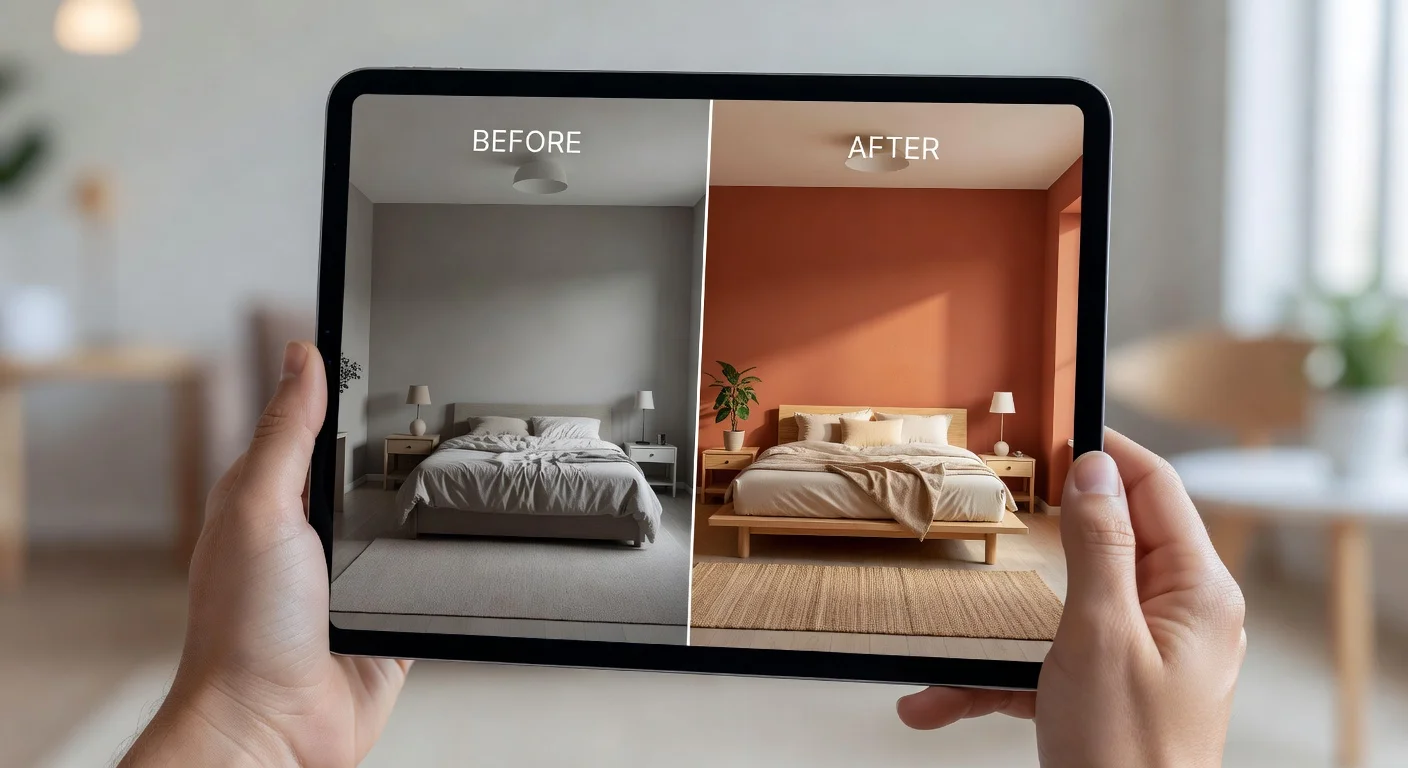
You use immediate image-to-image AI generators directly on your smartphone. It reduces a stressful three-week planning phase to a two-second camera scan.
When I need to test radical changes (like swapping a mid-century layout for a Boho aesthetic), I just use Renova AI. You snap a photo of your empty room, and it renders the space instantly.
I honestly think it is the most practical tool right now because it requires absolutely no manual editing. You just tap one of the 100+ selectable designs - from Japandi to Art Deco - and the AI does the heavy lifting.
You can grab it directly from the App Store if you want to test out floor swaps options before committing to a purchase.
Does seasonal styling still matter?
Yes, but it is moving away from literal holiday motifs toward subtle sensory changes. Nobody wants to store twelve plastic bins of decorative pumpkins anymore.
Instead of literal fall decor, decorators swap out lightweight summer linens for heavy wool throws in October. They change the scent profiles of their candles. It is about altering the physical temperature and mood of the room, rather than putting fake leaves on a mantel.
How do I plan a complete room makeover step by step?
You must establish the function of the room before you select a single paint color or fabric. Form always follows function. If you skip this step, you will end up with a beautiful room that is deeply frustrating to actually use.
Here is my standard workflow for tackling a blank space:
- Clear everything out: Empty the room completely to understand the natural light paths.
- Measure the floor plan: Map out the exact dimensions, noting door swings and outlet placements.
- Pick an anchor piece: Choose the largest, most expensive item first (usually a sofa or a large rug).
- Select the paint: Match your paint to the anchor piece, never the other way around.
- Layer accessories: Add your artwork, lamps, and plants last.
How much should I budget for living room decoration?
For a complete aesthetic refresh of a standard 200-square-foot room, expect to spend between $2,500 and $4,000 in 2026. This assumes you are buying mid-market furniture and handling the painting yourself.
Paint alone costs about $45 to $80 per gallon if you buy premium brands from an official Sherwin-Williams retailer.
A quality 8x10 wool rug floor covering easily eats up $600 of that budget. If you start adding custom window treatments, that baseline number doubles.
Do I really need to hire professionals?
No, most residential decoration can be done independently if you trust your eye for scale. However, if you are knocking down walls, rerouting electrical work, or handling massive structural changes, you need professional help.
Interior designers are incredibly valuable if you suffer from decision fatigue. They typically charge between $100 and $200 an hour, but they secure trade discounts on furniture that often offset their consultation fees.
Frequently Asked Questions
What are the basic rules of decoration?
The fundamental rules include establishing a clear focal point, balancing visual weight across the room, and following the 60-30-10 color proportion rule.
How much does it cost to decorate a 12x12 room?
In 2026, a basic 12x12 room refresh costs between $1,200 and $3,500. This covers mid-tier paint, an area rug, window treatments, and minor accent furniture.
Is there a difference between interior design and decoration?
Yes. Interior design involves spatial planning, structural changes, and building codes. Decoration focuses strictly on the aesthetics, furnishings, and surface-level finishes.
Can I mix different decor styles?
Yes, transitional styling relies heavily on mixing eras. The trick is to match the scale of the furniture and unify the pieces using a consistent color palette.
What is the 60-30-10 color rule?
It is a standard ratio where 60% of the room is the dominant background color, 30% is a secondary color for furniture, and 10% is an accent color for small accessories.
How do I know what size rug to buy?
Your rug should be large enough that at least the front two legs of your major seating furniture rest on it. A standard 8x10 rug works best for most medium living spaces.