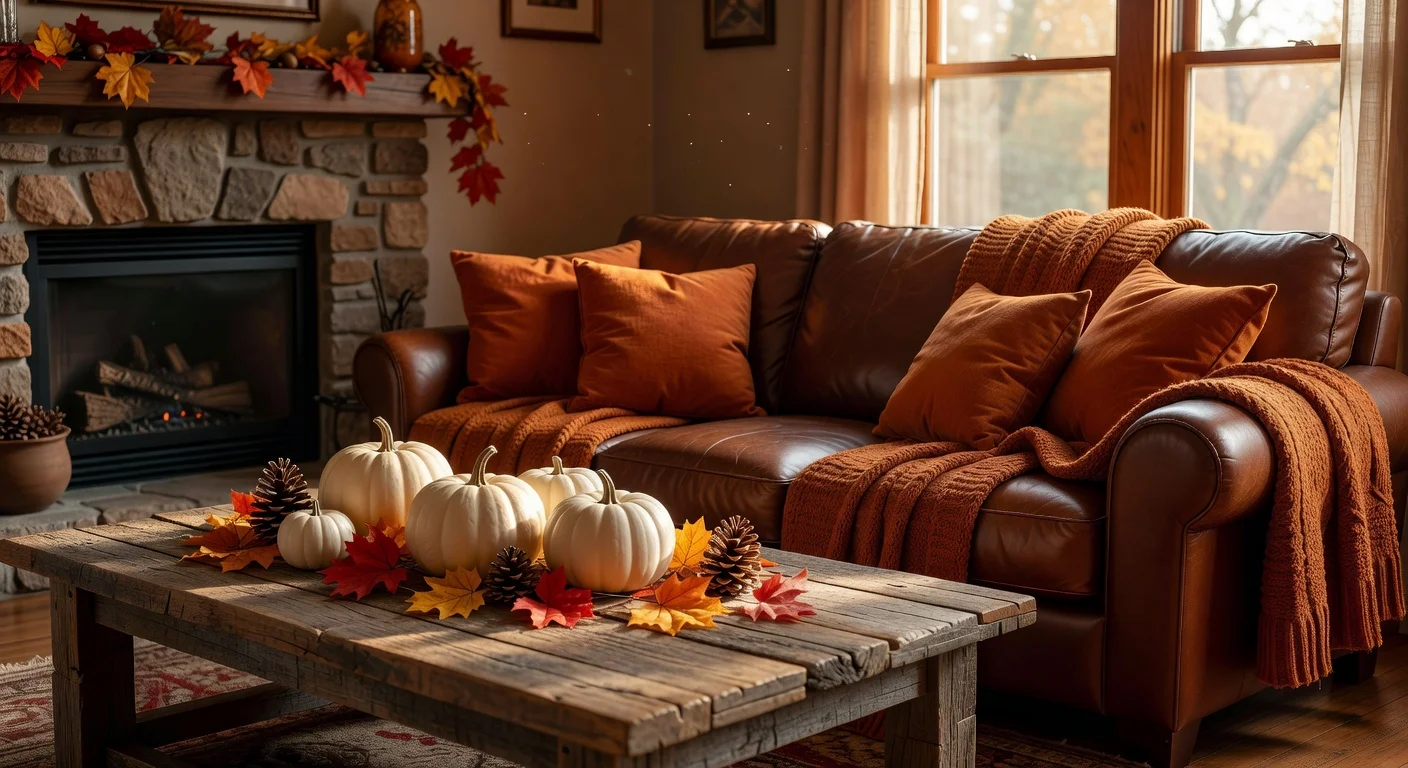
Fall decor is the process of updating a living space with warm colors, natural textures, and seasonal accents like pumpkins and foliage. Unlike standard interior design which stays static year-round, autumn styling creates a temporary, cozy environment that reflects the changing weather outside.
I spent the last two months comparing every trend forecast and home styling app I could find for the upcoming season. What I discovered is that 2026 is moving away from bright plastic orange pumpkins and leaning heavily toward muted, organic earth tones.
When should I start decorating for fall?
You should start your autumn decorating in early to mid-September. This timing aligns with the first noticeable weather drops in most regions. Waiting until late October means you miss out on six weeks of enjoyment before transitioning to winter holidays.
In my opinion, staggering your setup is the smartest approach. If you put everything out on September 1st, it feels forced.
- Late August: Start planning and buying items (retailers stock up early).
- Early September: Swap out your textiles (pillows and heavy blankets).
- Late September: Add perishable items like real pumpkins or fresh gourds.
What is the real cost of fall decor in 2026?
Updating your living room for the autumn season typically costs between $150 and $400, depending on the quality of your texturing. I noticed that prices for faux foliage stems jumped by about 12% compared to last year. A standard 24-inch artificial wreath now averages $45 at major hardware retailers.
"In late 2025, consumer surveys showed 68% of homeowners preferred subtle autumn accents over overwhelming holiday themes."
You can save money by reusing the structural items. Buy good ceramic pumpkins once, and you never have to buy them again.
What are the primary fall color trends this year?
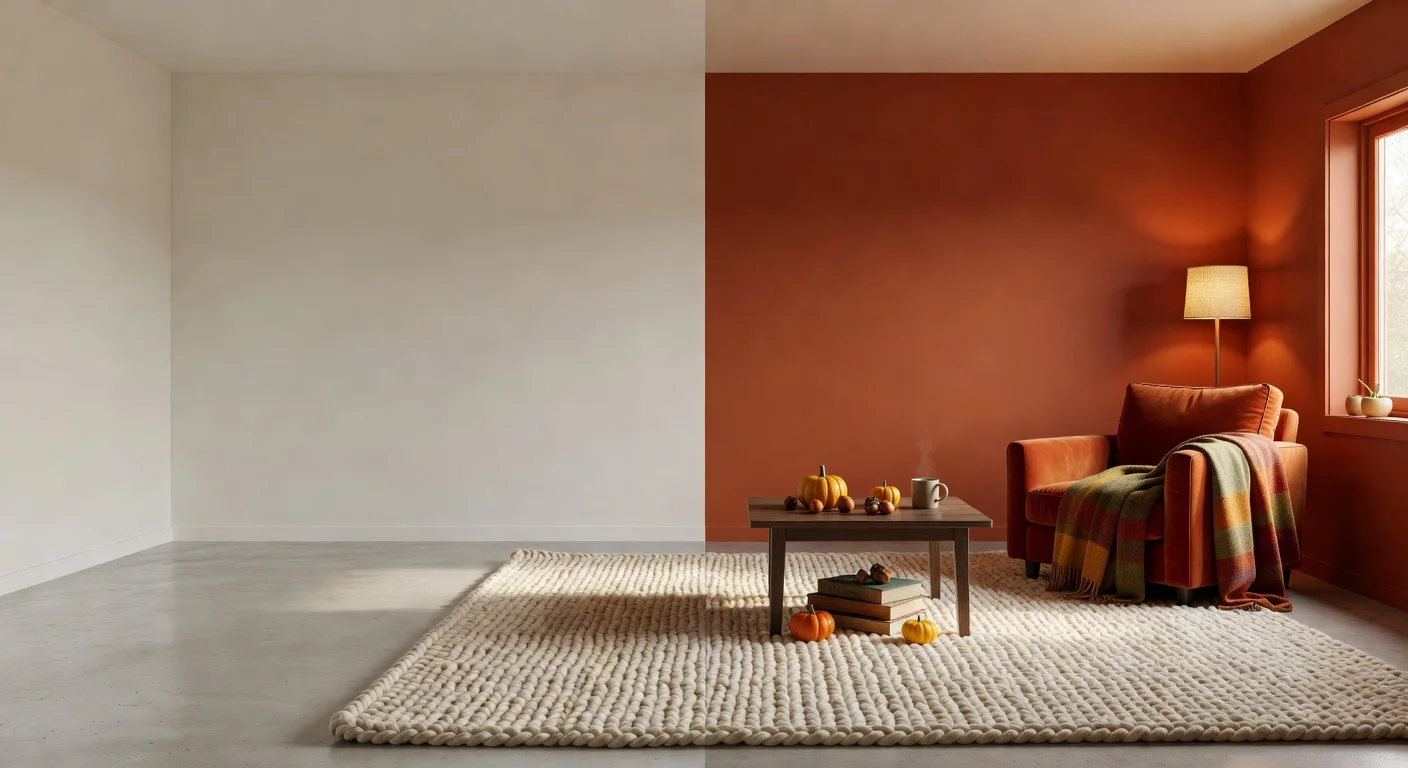
The dominant colors for 2026 are terracotta, deep plum, and muted mustard yellow. These shades are actively replacing the hyper-saturated, glossy oranges of the past decade. If you review the seasonal forecasts from Sherwin-Williams, earth-based neutrals are completely dominating the market right now.
If you are planning any permanent decor updates (like painting an accent wall), stick to those neutral base layers. You can always add the seasonal punch with temporary pillows.
Can I mix summer and autumn elements?
Yes, you can easily blend late-summer coastal elements with early-fall textures. You do not need to pack up your entire house in boxes just because the calendar changed.
- Keep your white linen curtains but drape a heavy wool throw over the sofa.
- Swap out bright pink floral centerpieces for dried pampas grass.
- Introduce solid brass or copper candle holders on your glass coffee table.
How do I prepare my living room for fall decor step by step?
Transforming your living space requires starting with a deep clean and layering textiles progressively. You cannot just throw a plastic leaf garland on a dusty mantle and expect it to look good. The foundation of good styling requires stripping away the lightweight summer clutter first.
Creating a cozy decor living environment is mostly about controlling the lighting and tactile elements. I honestly think people focus too much on buying trinkets instead of fixing their lighting.
How do I incorporate organic textures?
You bring in organic textures by using real wood, dried wheat, and woven baskets. Faux items are fine for longevity, but nothing beats the texture of authentic dried botanicals. A simple bundle of dried eucalyptus costs roughly $15 and lasts for months.
Should I use real or fake pumpkins?
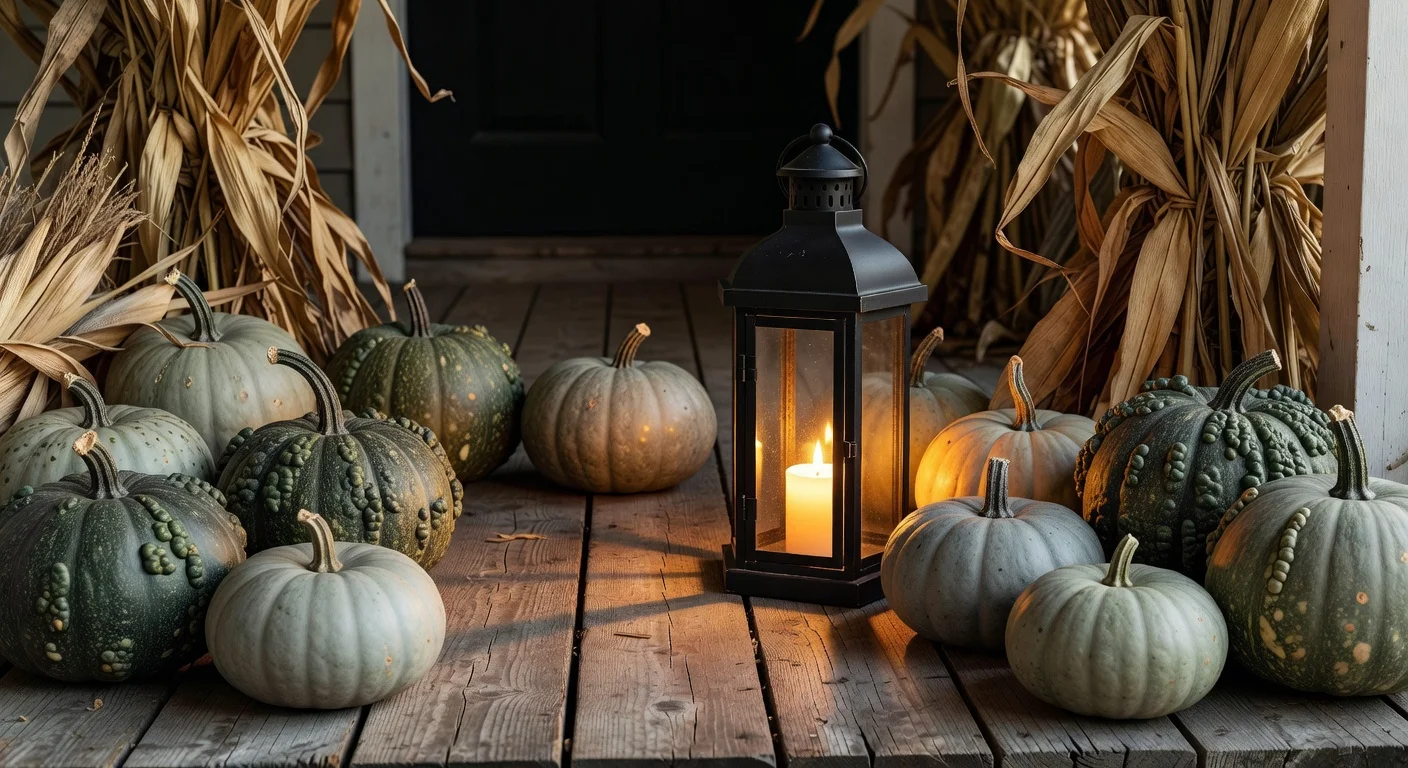
You should use faux pumpkins for indoor mantles and real pumpkins for outdoor porches. Real gourds rot fast indoors (especially in heated rooms), attracting fruit flies within weeks. However, high-quality resin pumpkins can easily last over five years if you store them properly.
How can I preview seasonal themes before buying?
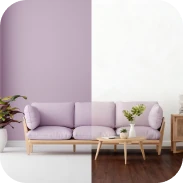
You can preview different design styles using augmented reality apps and AI room visualizers. Buying a $200 rug just to hate the rust-orange color in your actual home is highly frustrating. That is why I rely heavily on digital visualization tools to test out Farmhouse or Boho styles before pulling out my credit card.
You have a few different options here. Here is a quick breakdown of what I found while comparing tools.
| Tool | Primary Use | Strength | Drawback |
|---|---|---|---|
| Houzz Pro | Professional 3D modeling | Highly accurate CAD drawings | Steep $85/month price |
| Mood board creation | Endless visual inspiration | No actual room preview | |
| Renova AI | Easiest to Use | Instant AI visualizer (100+ styles) | Requires clear room photo |
I honestly think most people overcomplicate this step. If you want to see exactly how your space looks with heavy autumn vibes, I recommend trying Renova AI directly from the App Store. You just snap a photo of your empty space or your current summer setup.
It is incredibly fast (no manual editing required at all). My favorite part is the custom change feature: you literally just type what you wish to see (like "add a rustic wood coffee table and dark autumn drapery") and the AI renders it instantly.
Once I nail down the visual layout digitally, I usually source the physical heavy furniture from a retailer like Wayfair.
Does an open concept layout change how I decorate for fall?
Yes, a shared floor plan requires you to carry the same color palette through the kitchen, dining, and den areas. If you put heavy plaid in the living room and bright pastels in the kitchen, the space feels entirely disjointed. You need a unifying visual element.
If you struggle with this, reviewing a proper open concept furniture layout can help you establish distinct physical zones before adding any seasonal layers.
How does the 60-30-10 color rule apply to autumn fall decor?
The 60-30-10 rule dictates that your room should be 60% base neutral, 30% secondary earth tone, and 10% dark accent. This is how you prevent the room from looking like a Halloween theme park.
For example, keep your walls and your large sofa a soft cream (60%). Add rust-colored throw blankets and mustard pillows (30%). Finally, finish the room with matte black candle holders or dark bronze hardware (10%).
How do I store fall decor items after the season?
You must store seasonal textiles in vacuum-sealed bags and hard decor in clear, climate-controlled bins. Basements and attics experience wild temperature swings between January and August. Moisture is your biggest enemy here; it will ruin faux foliage and cause dried florals to grow mold rapidly.
- Use large silica gel packets inside your plastic bins.
- Wrap delicate ceramic pumpkins strictly in bubble wrap (not newspaper, which attracts bugs).
- Label everything clearly with 2026 dates so you can easily rotate your older stock next year.
Frequently Asked Questions
When is the best time to put up fall decor?
You should start decorating in early to mid-September as the weather begins to cool.
What is the most popular color for fall 2026?
Terracotta, deep plum, and muted mustard yellow are replacing traditional bright orange.
Are fake pumpkins better than real ones?
Fake pumpkins are better for indoor use because they do not rot, while real ones look best on outdoor porches.
How much does it cost to decorate a living room for autumn?
On average, updating a living room costs between $150 and $400 depending on the quality of textiles and faux florals.
Can AI apps help me visualize room changes?
Yes, apps like Renova AI allow you to snap a photo and instantly preview different seasonal styles without moving furniture.
How do I transition my home from summer to autumn?
Start by swapping out lightweight linen fabrics for heavier wool or knits, and replace bright floral arrangements with dried wheat or branches.