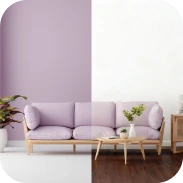

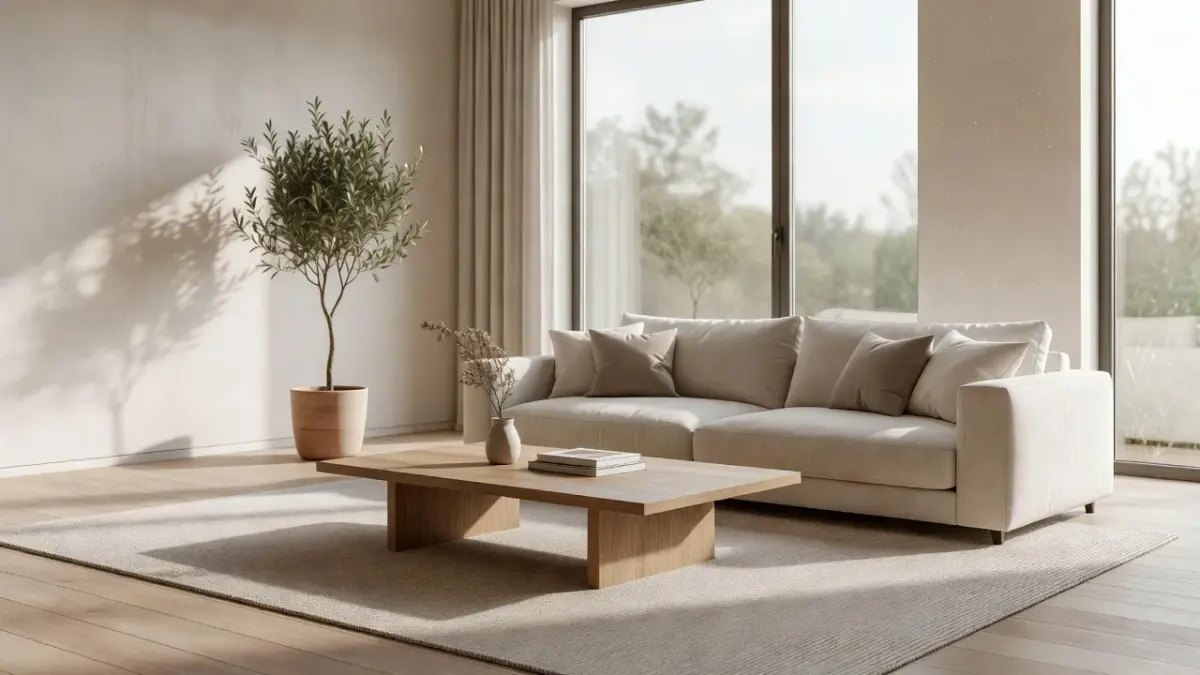
The most common interior design styles in 2026 include Modern, Transitional, Japandi, Modern Farmhouse, Biophilic, Grandmillennial, Art Deco, and Traditional. Each aesthetic offers a distinct combination of textures, color palettes, and structural elements that define how a room feels and functions. Choosing a style without visualizing how it fits your room's physical footprint often leads to expensive decorating mistakes. To preview furniture layouts and wall colors before spending money, using an iPhone visualizer like Renova AI helps you test styles on a photo of your space instantly.
What are the top interior design trends for 2026?
The top interior design trends for 2026 emphasize warm organic textures, layered historic details, and functional minimalism that prioritizes mental wellness over stark aesthetics. High-gloss all-white rooms have largely been replaced by rich earth tones like terracotta, warm mushroom grey, and soft sage. As of November 2026, home decor forecasts show homeowners blending vintage craftsmanship with clean architectural lines rather than committing strictly to a single theme.
This shift reflects a growing demand for spaces that feel curated over time. Industrial, sterile environments are being replaced by tactile materials like limewash paint, boucle fabric, and unpolished stone. Rather than buying entire matching room sets from big-box stores, current trends favor mixing eras to create depth.
Budget planning for 2026 design projects requires factoring in elevated material costs. While furniture prices stabilized mid-year, high-end upholstery and solid hardwood pieces still carry premium price tags. Visualizing these design shifts in your home before purchasing helps prevent expensive mismatches between new furniture and existing wall trim.
Which interior design styles are Architectural Digest and Elle Decor featuring in 2026 trends?
Architectural Digest and Elle Decor are heavily featuring Japandi, Biophilic, Neo-Traditional, and Art Deco styles in their 2026 trend forecasts. Industry updates from Architectural Digest highlight a preference for hand-hewn wood, sculptural seating, and muted stone finishes. Meanwhile, editorial coverage in Elle Decor showcases warm nostalgia through velvet accent chairs, curved sofas, and historic wallpaper patterns.
Both publications emphasize moving away from disposable flat-pack furniture in favor of durable craftsmanship. Design editors note that readers are seeking longevity, choosing timeless silhouettes over short-lived social media aesthetics. This focus elevates structural integrity and rich textures over synthetic surfaces.
Interior Trend Focus in 2026:
- Tactile materials: Limewash, unpolished marble, raw linen
- Warm palettes: Terracotta, ochre, warm greige, deep green
- Architectural balance: Historic wood moldings paired with low-slung modern seating
Following high-end editorial looks on a practical home budget often leads to pricing traps. Buying authentic vintage accent pieces or custom brass lighting featured in design magazines can double a room's budget. Homeowners need to identify which design elements define a look so they can invest strategically while saving on secondary decor.
How to test common interior design styles in your room with Renova AI
Testing interior design styles before buying furniture requires visualizing full aesthetic changes on your actual room dimensions. Instead of relying on tiny fabric swatches or static mood boards, seeing a complete makeover on your room's exact layout prevents costly sizing and color mistakes.
Using the Renova AI app on an iPhone or iPad, you can test over 100 design styles on a single room photo in seconds. The software preserves your structural walls, doors, and window locations while generating realistic furniture swaps, floor upgrades, and paint changes. If you want to refine a specific feature, the custom change tool lets you swap wall paint using color codes or remove individual furniture pieces without manual editing.
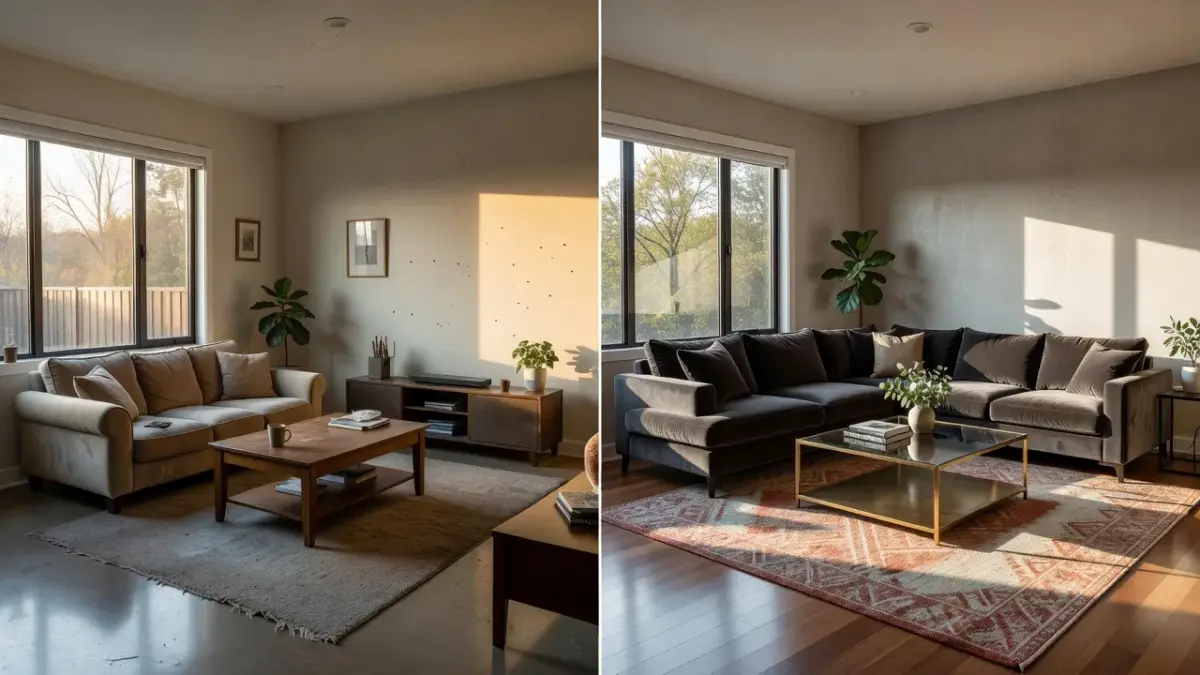
The app provides 3 free redesigns without watermarks, allowing you to explore different aesthetic directions before purchasing materials. Whether you are balancing budget caps or deciding between warm Japandi tones and bold Art Deco geometry, testing options digitally keeps your project on track.
Comparison of top interior design styles: costs, trade-offs, and features
Comparing popular interior design styles reveals significant differences in average furniture costs, labor intensity, and material budget traps. The table below ranks major aesthetics alongside visual planning tools to highlight key financial trade-offs and best real-world applications.
| Interior Style / Tool | Aesthetic Core | Avg. Project Cost Range | Main Pricing Trap / Risk | Best Use Case |
|---|---|---|---|---|
| Renova AI Visualizer | Instant digital staging across 100+ styles | Free (3 renders) to $6.99/week | Skipping spatial clearance checks before ordering real furniture | Pre-visualizing styles on existing rooms before spending money |
| Japandi | Japanese minimalism meets Scandinavian warmth | $3,500 - $12,000 per room | High cost of solid pale oak and handcrafted ceramics | Small apartments and open-concept living rooms needing calm |
| Biophilic Design | Living greenery, natural lighting, and raw stone | $2,000 - $9,000 per room | Ongoing plant replacement and irrigation maintenance costs | Spaces with strong natural light and home offices |
| Modern Farmhouse | Rustic timber, iron accents, and neutral linen | $3,000 - $10,000 per room | Over-decorating with trendy signage that ages quickly | Suburban family homes and kitchen/dining redesigns |
| Grandmillennial | Chintz prints, pleated shades, and antique furniture | $2,500 - $14,000 per room | Custom upholstery labor fees for vintage frames | Older homes with existing architectural trim and moldings |
| Art Deco | Geometric patterns, polished brass, and bold velvet | $4,500 - $18,000 per room | Premium cost of custom metalwork and inlaid glass | Formal dining rooms, powder rooms, and focal living walls |
| Traditional | Rich hardwoods, symmetrical layouts, and classic trim | $4,000 - $16,000 per room | Expensive solid wood case goods and heavy drapery | Period homes, formal parlors, and primary bedrooms |
| Modern | Clean horizontal lines, low profile, and neutral glass | $3,500 - $15,000 per room | Low-end wood veneers showing wear within 2-3 years | New construction homes and urban condos with large windows |
What is Japandi style in interior design?
Japandi style is a hybrid aesthetic that fuses Japanese minimalism with Scandinavian functionality to create serene, clutter-free living environments. It relies on muted neutral palettes, low-profile furniture, organic linen textiles, and unvarnished light woods such as ash and pale oak.
This aesthetic earned its spot on the list of interior design styles due to its emphasis on intentional living and visual calmness. By pairing the Scandinavian concept of hygge (coziness) with the Japanese philosophy of wabi-sabi (finding beauty in imperfection), Japandi balances comfort with sleek restraint.
- Key Materials: Light oak, bamboo, paper lanterns, textured linen, matte ceramics.
- Color Palette: Warm cream, beige, soft taupe, charcoal accents, pale olive.
- Layout Strategy: Keep floor plans open with low furniture heights to increase perceived ceiling height.
The main trade-off of Japandi design is the high cost of authentic, solid wood minimalist furniture. Cheap imitation veneer pieces often buckle or show surface wear quickly, ruining the clean visual lines central to the style. Exploring specific Japandi living room layouts can help you prioritize where to invest in quality craftsmanship while keeping decor simple.
What is biophilic design?
Biophilic design is an interior architecture strategy focused on connecting building occupants to nature through natural lighting, organic materials, and living plant installations. As detailed in architectural frameworks documented on Wikipedia's Biophilic Design entry, this style improves indoor environmental quality by integrating natural ventilation, stone surfaces, water features, and botanical motifs.
Biophilic design has grown rapidly among popular interior design styles as remote work increases the time people spend indoors. Incorporating daylighting strategies, potted flora, and non-repeating natural patterns helps lower stress levels while boosting daily productivity.
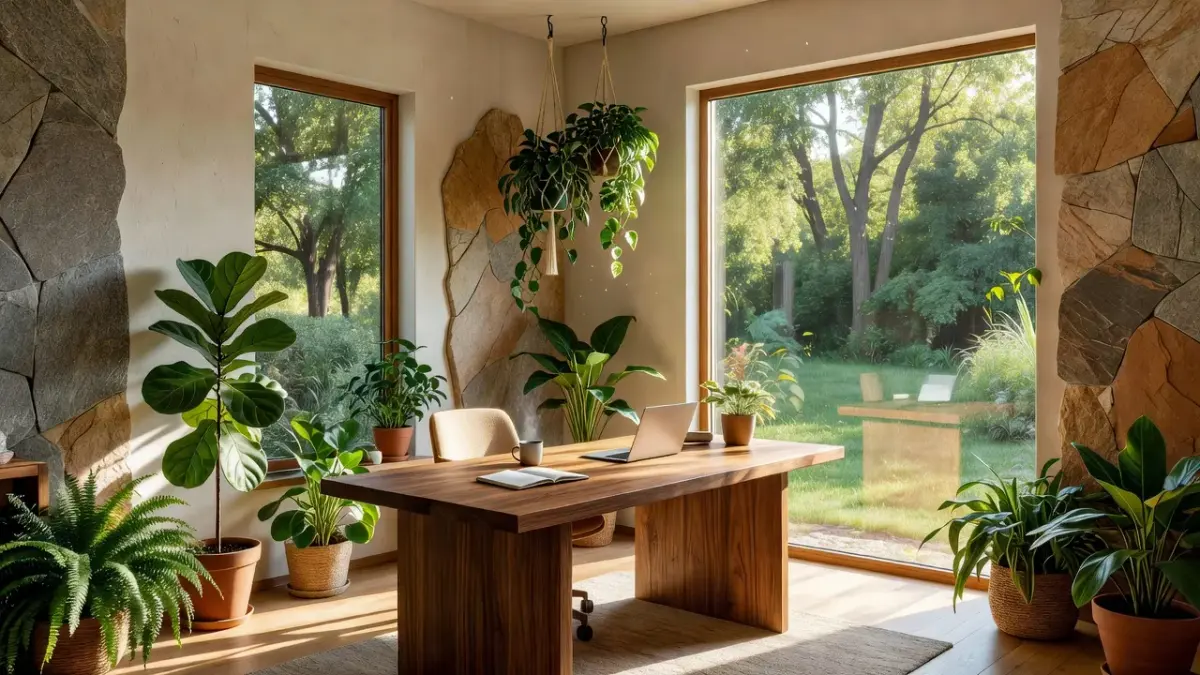
- Key Materials: Living plant walls, raw slate, unrefined timber, wool rugs, skylights.
- Color Palette: Moss green, stone grey, earth brown, sky blue, warm sunlight yellow.
- Layout Strategy: Position main seating work zones toward natural window light sources.
The primary financial risk in biophilic decorating involves ongoing maintenance and plant replacement. Built-in living walls and automated drip systems can cost between $1,500 and $5,000 to install properly, with added recurring utility costs. Homeowners on a budget should start with low-maintenance potted plants like snake plants and pothos before committing to complex built-in greenery systems.
What is grandmillennial style?
Grandmillennial style (often called "granny chic") is a decor movement that updates traditional 20th-century design elements with contemporary colors and tailored silhouettes. It incorporates floral chintz patterns, skirted console tables, needlepoint pillows, brass hardware, and vintage wicker furniture.
This aesthetic secured its rank among top interior design styles as younger homeowners turned away from generic mass-market minimalism. Grandmillennial spaces celebrate history and personality, turning inherited heirlooms and thrifted antiques into intentional focal points.
- Key Materials: Floral cotton prints, needlepoint canvas, pleated silk shades, polished brass, dark mahogany.
- Color Palette: Botanical green, powder blue, coral pink, warm ivory, crisp white.
- Layout Strategy: Layer patterned textiles against classic furniture arrangements without overcrowding traffic paths.
The main trap with grandmillennial decorating is the hidden cost of reupholstering antique furniture frames. Purchasing a vintage chair at a flea market for $75 seems economical until custom fabric and professional labor push the total repair bill past $1,000. Always get reupholstery labor estimates before buying secondhand upholstered pieces.
What is modern farmhouse style?
Modern farmhouse style combines comfortable country architecture - such as apron-front sinks and exposed ceiling beams - with clean modern fixtures and neutral wall paint. It balances white or greige board-and-batten walls with matte black hardware, industrial lighting, and reclaimed wood tables.
As one of the most popular interior design styles over the past decade, modern farmhouse appeals to families looking for durable, practical living spaces. Slipcovered sofas and distressed wood finishes naturally hide everyday scuffs, making the aesthetic forgiving for households with children and pets.
Modern Farmhouse Essentials:
1. Apron-front porcelain or fireclay kitchen sink
2. Matte black cabinet pulls and light fixtures
3. Reclaimed wood dining table paired with industrial chairs
4. Neutral shaker-style cabinetry with simple trim
The primary downside to modern farmhouse decor is oversaturation. Mass-produced sign decor and faux-distressed accessories can make a home feel dated quickly. To keep the space timeless, focus on genuine architectural elements like real timber beams, tongue-and-groove paneling, and quality tilework rather than retail knick-knacks.
What is traditional interior design style?
Traditional interior design style is rooted in 18th and 19th-century European furnishings, rich dark hardwoods, symmetrical furniture arrangements, and elaborate architectural moldings. As outlined by industry standards from the American Society of Interior Designers, interior design styles traditional prioritize historical accuracy, formal balance, and refined textile layering.
Traditional design remains a cornerstone of residential decor because it offers stability and timeless structure. Unlike short-term decor trends, classic wingback chairs, tufted Chesterfield sofas, and clawfoot tubs hold their aesthetic appeal across generations.
- Key Materials: Cherry wood, walnut, velvet, brocade fabrics, marble hearths, brass fixtures.
- Color Palette: Deep navy, burgundy, emerald green, warm beige, rich mahogany brown.
- Layout Strategy: Arrange furniture in strict visual symmetry anchored around a focal fireplace or central window wall.
The main trade-off of traditional decorating is high material and installation costs. Solid hardwood case goods, deep crown molding, and custom lined draperies require substantial upfront investments. Trying to pull off traditional style with hollow-core doors and synthetic fabrics often results in a cheap, theatrical look rather than an authentic classic home.
What is modern interior design style?
Modern interior design style originated in the early-to-mid 20th century, emphasizing clean horizontal lines, low-profile seating, and structural materials like chrome, glass, and concrete. It strictly avoids ornate surface decoration, choosing instead to let functional forms define the room's character.
This look earned its place on every major list of interior design styles by changing how urban spaces utilize open floor plans. By eliminating unnecessary wall partition trims and heavy window drapes, modern spaces maximize light flow and floor space.
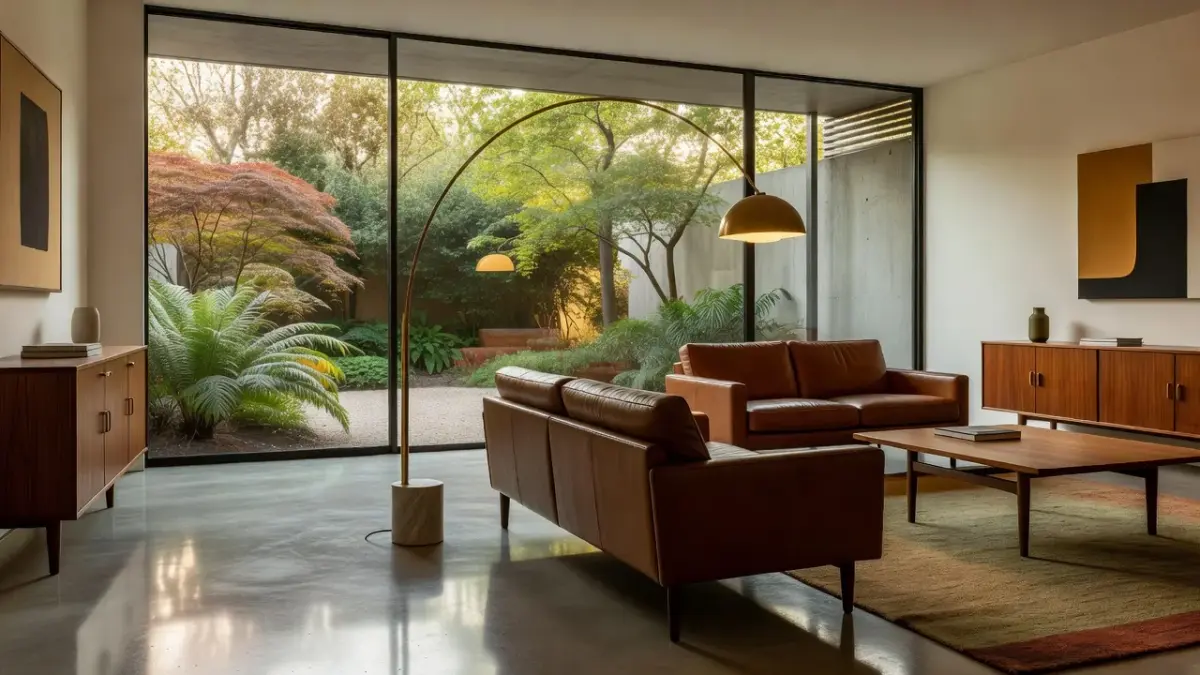
- Key Materials: Tubular steel, molded plywood, polished concrete, clear glass, top-grain leather.
- Color Palette: Primary red or yellow accents set against stark white, charcoal grey, and jet black.
- Layout Strategy: Float low-slung seating clusters away from walls to preserve open architectural lines.
A frequent downside to pure modern interior design is visual sterility. Without soft organic textiles, a modern room can feel cold and uninviting. Reviewing foundational modern interior design principles helps you balance crisp geometric lines with warm lighting and comfortable rug textures.
What is Art Deco interior design style?
Art Deco interior design is a high-glamour aesthetic born in the 1920s and 1930s that features sharp geometric motifs, high-gloss lacquer, mirrored surfaces, and polished metal accents. Historical overviews on Wikipedia's Art Deco entry detail how this movement celebrated industrial progress through bold symmetry, exotic wood veneers, and dramatic lighting.
Art Deco remains a popular choice for homeowners who want to make a bold statement in dining rooms, foyers, and powder rooms. Its rich materials and geometric patterns create a sense of luxury that stands out from minimalist trends.
- Key Materials: Polished brass, chrome, mirrored glass, high-gloss lacquer, exotic burl wood, velvet.
- Color Palette: Jewel tones including sapphire blue, emerald green, ruby red, mixed with gold and black.
- Layout Strategy: Center rooms around dramatic geometric focal points like sunburst mirrors or chevron tile walls.
The primary trap of Art Deco decor is the high cost of custom fabrication. Custom brass inlay work, geometric marble tiling, and lacquered cabinetry demand skilled labor that quickly inflates renovation estimates. Exploring an Art Deco interior design guide allows you to select key focal features without overspending on every surface.
What is transitional interior design style?
Transitional interior design style bridges traditional elegance and modern simplicity by pairing classic furniture shapes with clean neutral color palettes and streamlined lighting. It combines the comfort of traditional upholstered seating with the uncluttered look of modern architectural spaces.
Transitional style tops consumer preference lists because it offers maximum flexibility. Homeowners don't have to choose between family heirlooms and contemporary light fixtures; the style is specifically built to blend both successfully.
- Key Materials: Brushed nickel, natural oak, woven linen, plush wool, quartz countertops.
- Color Palette: Warm greige, cream, soft ivory, slate grey, muted taupe.
- Layout Strategy: Combine structured traditional seating with casual modern coffee tables and minimalist art frames.
The biggest challenge with transitional design is hitting the right visual balance. If you lean too far toward traditional elements, the space feels dated; if you lean too far modern, it loses its cozy appeal. Aim for a 50/50 balance between classic shapes and modern textures to keep the look cohesive.
How to choose the right interior design style for your home
Choosing the right interior design style requires auditing your home's natural light, architectural bones, daily lifestyle needs, and realistic decorating budget. Forcing an intricate Art Deco theme into a modest rustic ranch home often creates a visual clash that is expensive to correct.
Start by evaluating your existing flooring, trim work, and window casings. If your home features historic dark wood trim and original plaster moldings, leaning into Traditional or Grandmillennial styles works with your home's architecture rather than against it. Conversely, if you live in a new-build condo with floor-to-ceiling glass, Japandi or Modern styles fit the space naturally.
Four-Step Style Selection Checklist:
1. Audit fixed elements: Map out existing floor tiles, wood stains, and window trims.
2. Calculate natural light: Note which rooms receive direct sunlight versus cool shade.
3. Establish budget caps: Set material cost limits before selecting custom finishes.
4. Test digital renders: Use photo-visualization apps to preview complete style changes.
Before purchasing furniture or hiring painters, preview how different aesthetics alter your actual room dimensions. Uploading a photo of your living room or bedroom into an visualizer app lets you swap furniture styles, test wall colors, and verify spatial flow risk-free. Taking time to test design concepts digitally ensures your final investment delivers a comfortable, beautiful home.
Frequently Asked Questions
Which interior design style is most popular in 2026?
Japandi and Transitional design are the most popular interior design styles in 2026. Both styles emphasize warm neutral color palettes, functional layouts, and clutter-free living environments that balance comfort with clean aesthetics.
What is the difference between modern and contemporary interior design?
Modern design refers strictly to an early-to-mid 20th-century aesthetic featuring low-profile furniture and clean lines, whereas contemporary design refers to current, constantly evolving design trends of today. Contemporary design currently incorporates soft curves, organic textures, and sustainable materials.
How much does it cost to redecorate a room in a new interior design style?
Redecorating a single room typically costs between $2,500 and $12,000 depending on the chosen interior design style and furniture quality. Minimalist styles like Japandi can require higher budgets for solid wood pieces, while transitional styles allow you to save by mixing existing furniture with low-cost modern accents.
Can you mix two different interior design styles in one room?
Yes, mixing two interior design styles works well when you maintain a cohesive color palette and balance furniture proportions. Styles like Japandi (Japanese + Scandinavian) and Transitional (Traditional + Modern) are built entirely on mixing distinct aesthetics.
What is the easiest interior design style to maintain on a budget?
Biophilic and Modern Farmhouse styles are generally the easiest to maintain on a modest budget. Both aesthetics allow for thrifted, upcycled wood furniture and natural plant decor that hide everyday wear and tear naturally.
How do I know which interior design style suits my home's architecture?
Match your interior design style to your home's fixed architectural elements like window shapes, ceiling heights, and trim work. Older homes with original crown molding suit Traditional or Grandmillennial decor, while open-concept homes with large windows naturally fit Modern or Japandi styles.