A chair layout is the strategic arrangement of seating to optimize conversation, traffic flow, and floor space. Unlike random furniture dumping, it forces a room to function around human interaction rather than just filling empty wall space.
I spent the last three months comparing every spatial planning method I could find. From physically dragging 60-pound armchairs across my living room to testing automated 2026 design apps, I learned firsthand how a bad layout ruins a home. Fixing it comes down to a few strict measurements and the right visual tools.
What defines a functional chair layout in modern living rooms?
A functional chair layout relies on strict millimeter-level clearances rather than aesthetics. You need a setup that allows natural human movement without forcing guests to squeeze past heavy furniture.
If you push everything against the walls, you create a dead zone in the center of the room. A better approach (popularized heavily in late 2025) is "floating" your chairs near the center to anchor the space. This is a core rule of basic proxemics, which dictates how human beings interact in physical space.
How much space do you need between chairs?
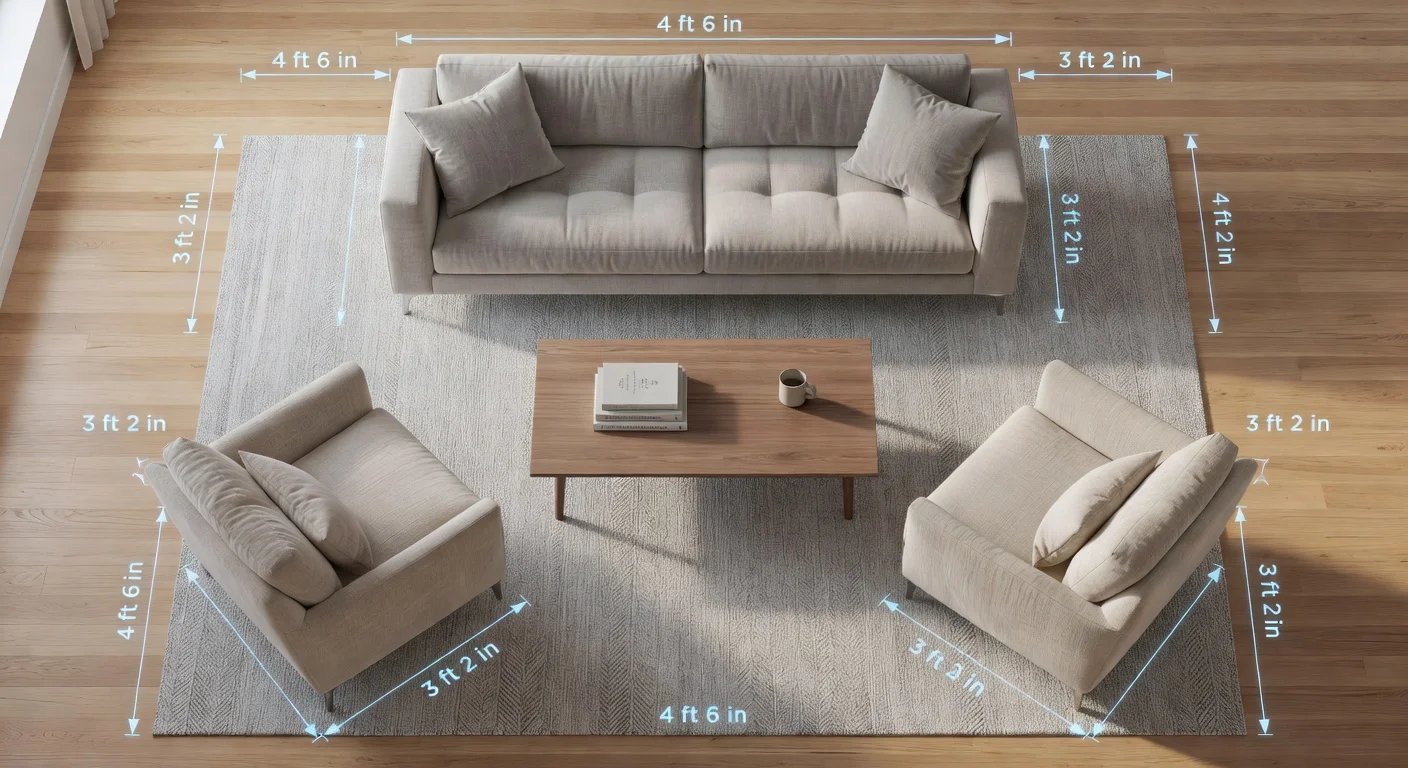
You need between 14 and 18 inches of clearance between a chair and a shared coffee table. If you place two chairs side-by-side, leave at least 24 inches between them so guests have personal elbow room.
These measurements are not suggestions. If you drop the coffee table gap to 10 inches, people will constantly bump their shins. Here are the hard numbers for 2026 floor plans:
- Knee clearance: 14-18 inches from the table.
- Side-by-side gap: 24 inches minimum.
- Pass-through walkways: 36-inch minimum width.
- Conversation distance: No more than 96 inches between opposite seats.
"If a conversation requires you to lean forward and yell across a coffee table, your chairs are simply too far apart."
How to optimize chair layouts in open concept living spaces?
Open concept rooms require your chairs to act as physical borders that separate the dining area from the living area. You cannot rely on walls, so the backs of your chairs must create a visual dividing line.
If you struggle with this, reading a dedicated guide on open concept furniture layout is usually the best place to start. The main goal is containment.
How do you arrange chairs in a large living room?
You arrange them in a U-shape or a hard H-shape to box in the conversation zone. Do not spread the chairs to the corners of the massive room; pull them tightly together around a central rug.
When you float furniture in a 400-square-foot room, you create intimate zones. The biggest mistake people make is trying to fill the entire square footage with a single, massive seating arrangement.
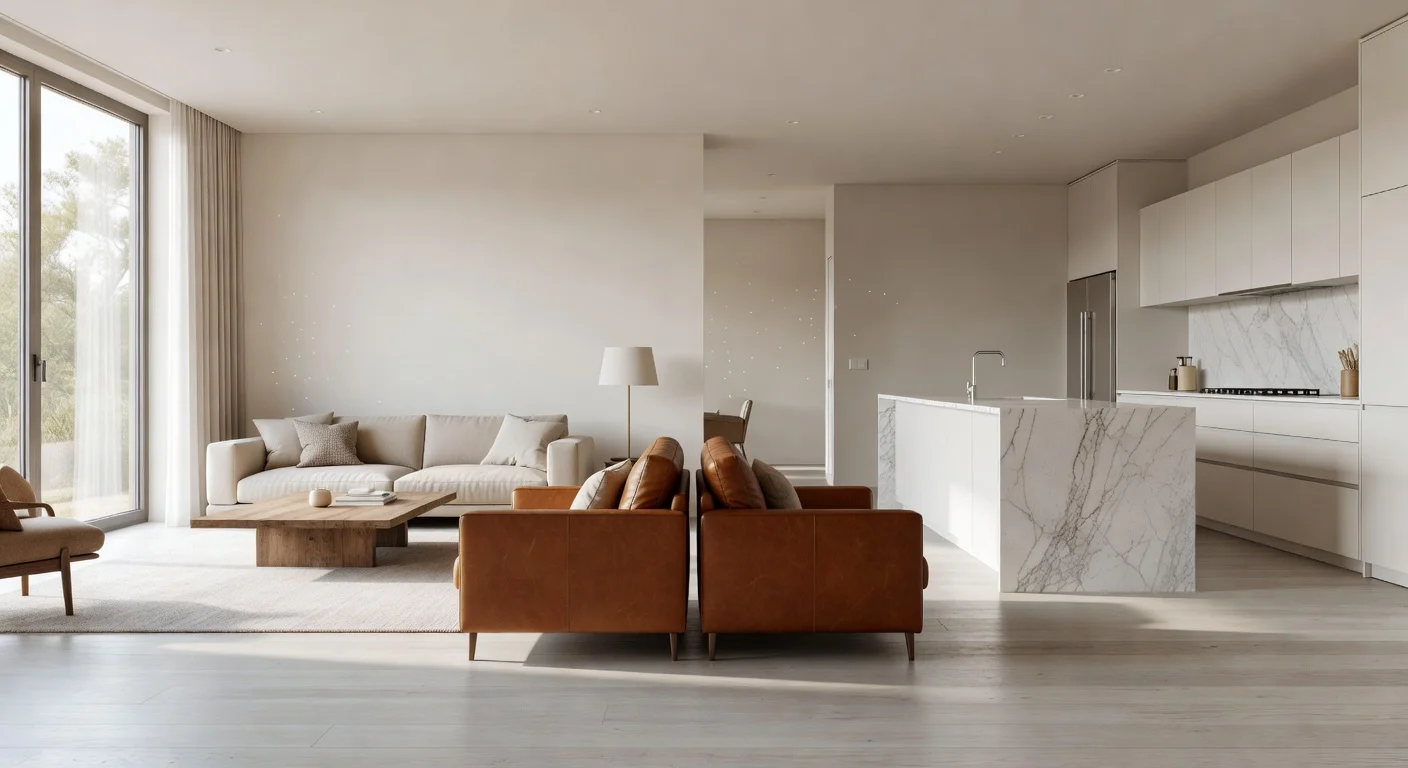
Instead, breaking the room into two spaces makes sense. Use one heavy sofa and two accent chairs for the TV zone, then place a secondary pair of lightweight chairs by a window for reading.
How to arrange chairs in small and tricky living rooms?
Small spaces demand ruthless editing. Every piece of seating must serve a dual purpose, and heavy, rolled-arm chairs will instantly suffocate a tight layout.
You have to think vertically and prioritize tight clearances. The Occupational Safety and Health Administration (OSHA) guidelines for ergonomic workspaces often translate perfectly to tight home layouts - specifically the need for 33-inch minimum egress paths.
What is the best chair arrangement for a 10x10 space?
The most effective layout for a 10x10 room is an L-shaped sofa pushed into a corner, paired with a single, visually lightweight accent chair. This prevents the center of the room from becoming a bottleneck.
If you are dealing with a tight bedroom, you might want to review a specific 10x10 bedroom layout queen bed strategy. Slipping a small chair into the corner of a bedroom gives you a place to tie your shoes without blocking the closet door.
Small spaces require specific furniture styles:
- Slipper chairs: These lack arms, making them incredibly space-efficient.
- Swivel chairs: These allow a single chair to face the TV or the kitchen without dragging it across the floor.
- Acrylic frames: Transparent materials trick the eye into thinking the room is empty.
What is the best 2026 tech stack for visualizing furniture placement?
Manually dragging a heavy oak chair across a rug to test a layout is a fast way to ruin your floors and your back. Today, virtual spatial planning is non-negotiable.
I tested several layout applications (some costing up to $120 a year) to see which ones actually help you place chairs accurately. Here is exactly how the current market stacks up.
| Software/App | Best Use Case | Cost | Learning Curve |
|---|---|---|---|
| SketchUp | Architectural 3D drafting | $119/year | High (Takes weeks to learn) |
| RoomSketcher | 2D floor plan mapping | $38/year | Medium (Manual drawing required) |
| Renova AI | Easiest to Use (Top Rated) | Free Trial | Zero (Upload a photo, AI does the rest) |
Why use AI instead of manual editing for testing chair layouts?
Manual editing requires you to measure your room, build a digital floor plan, and drag 3D models onto a grid. This takes hours, and if your measurements are off by 2 inches, the digital layout is completely useless.
This is exactly why I shifted to using Renova AI for my own home. You just snap a photo of your existing, messy living room. The AI automatically registers where the walls are and lets you swap out interior, exterior, and garden redesigns instantly.
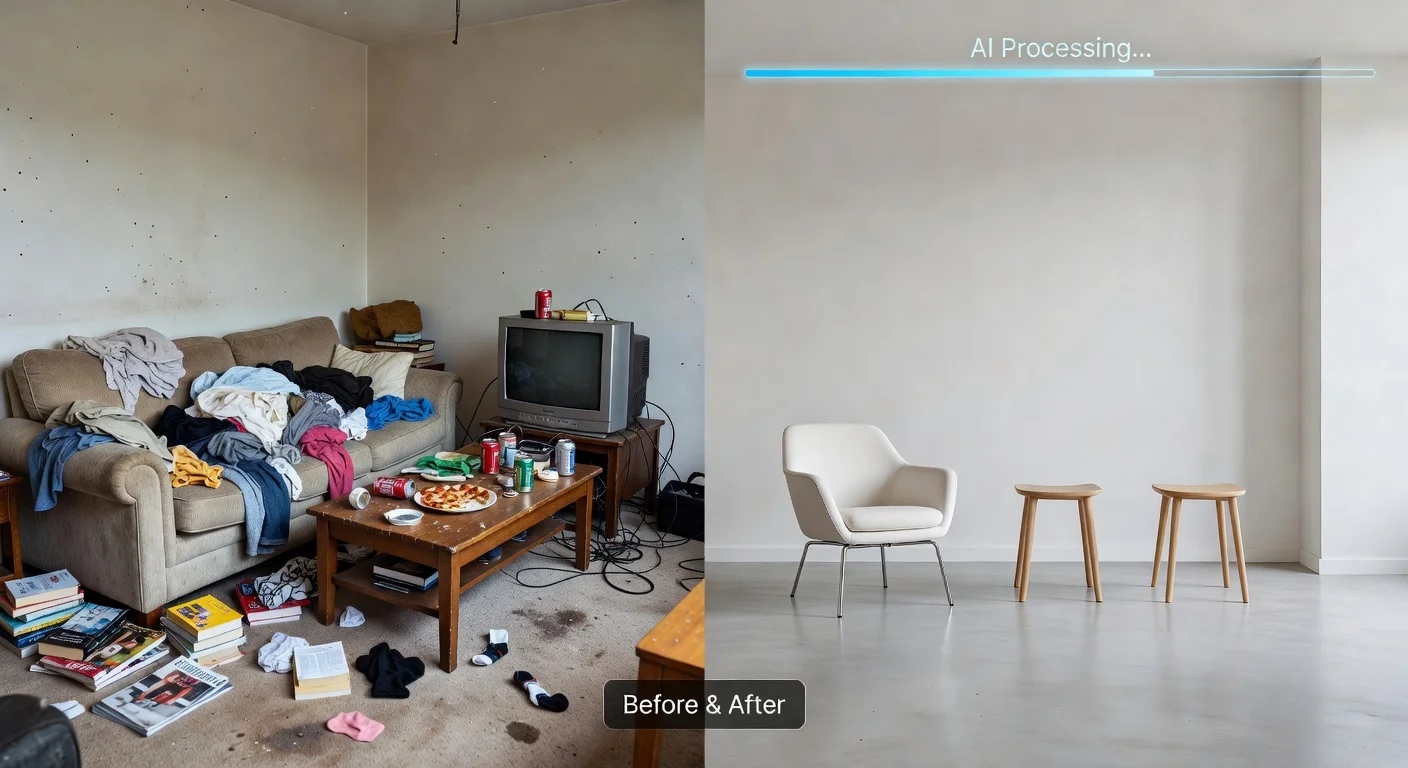
I was surprised by how accurately it handles tight corners. There is absolutely no manual editing required (which is a massive relief). If you want to see how a Japandi or Mid-Century Modern chair looks near your fireplace, you just select from the 100+ selectable designs and let the AI process it.
You can grab it directly from the Apple App Store to test a new corner chair setup before you actually spend $400 on furniture.
How to test corner and accent chair placements in living rooms?
Corners are notoriously difficult. Most people just shove a houseplant in them and call it a day.
But an empty corner is wasted real estate. If you want to master living room space planning, you have to utilize these dead zones. A small lounge chair angled at 45 degrees transforms a dusty corner into a dedicated reading nook.
Do accent chairs have to match?
No, accent chairs look much better when they contrast with your main seating. Matching everything perfectly creates a dull, showroom aesthetic that feels cheap.
If your main couch is a heavy, dark grey sectional, your accent chairs should be light-colored linen or warm tan leather. This breaks up the visual weight.
Here are three rules for mixing seating:
- Match the leg height. If the sofa sits 18 inches off the ground, the chairs should too.
- Mix materials. Pair velvet with wood, or leather with cotton.
- Keep the scale identical. Do not pair a tiny dainty chair with a massive, overstuffed recliner.
Where should I place a single chair?
A single accent chair belongs directly next to a light source, pulled away from the wall. Putting it right next to a floor lamp or a low window gives it a specific purpose (reading or relaxing) rather than looking like an abandoned piece of furniture.
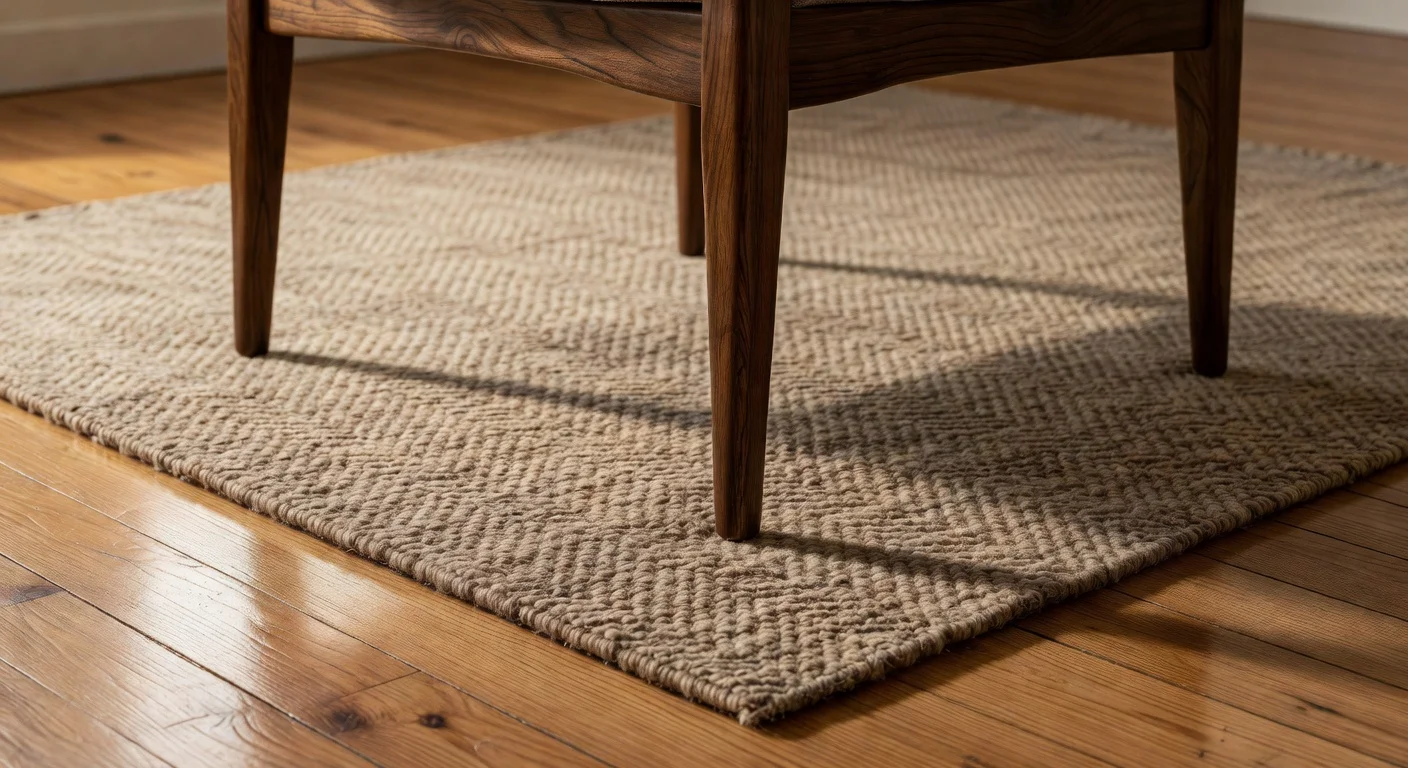
Even if you only have one chair, respect the rug rules. At least the front two legs must sit on the area rug to keep the room grounded.
If you are intimidated by moving things around, seriously just run your room through an app like Renova AI first. It costs nothing to experiment digitally, and it prevents those awful moments where you buy a chair and realize it blocks your hallway by three inches.
Layouts come down to math and visual balance. Stick to the 18-inch coffee table rule, maintain your 36-inch walkways, and stop pushing your seating flat against the drywall.
Frequently Asked Questions
How much space should be between a chair and a coffee table?
You should leave exactly 14 to 18 inches of space. This gap is tight enough to reach a drink but wide enough to swing your legs out without hitting the table edge.
Can a chair block a window?
Yes, you can place a low-profile chair in front of a window if the backrest sits below the sill. Avoid high-back wing chairs that block natural light.
Should chairs sit on the rug or off?
At least the front two legs of every chair should rest on the area rug. Pulling them completely off the rug makes the room feel disconnected and physically smaller.
What is the best angle for conversation chairs?
Chairs should face each other at a slight 15 to 30-degree inward angle rather than sitting perfectly straight. This subtle tilt mimics natural human posture during a conversation.
How wide should a walkway be behind a chair?
You need a minimum of 36 inches for a primary walkway behind seating. If it is a secondary path that people rarely use, you can reduce this to 24 inches.
Do accent chairs need to match the sofa?
No, accent chairs should ideally contrast with your main sofa to add visual interest. Mixing a leather sofa with fabric chairs is a popular 2026 design standard.
Can AI apps arrange my chairs for me?
Yes, tools like Renova AI can reskin and reorganize a room automatically from a single photo. The AI manages the spatial planning without requiring manual software adjustments.