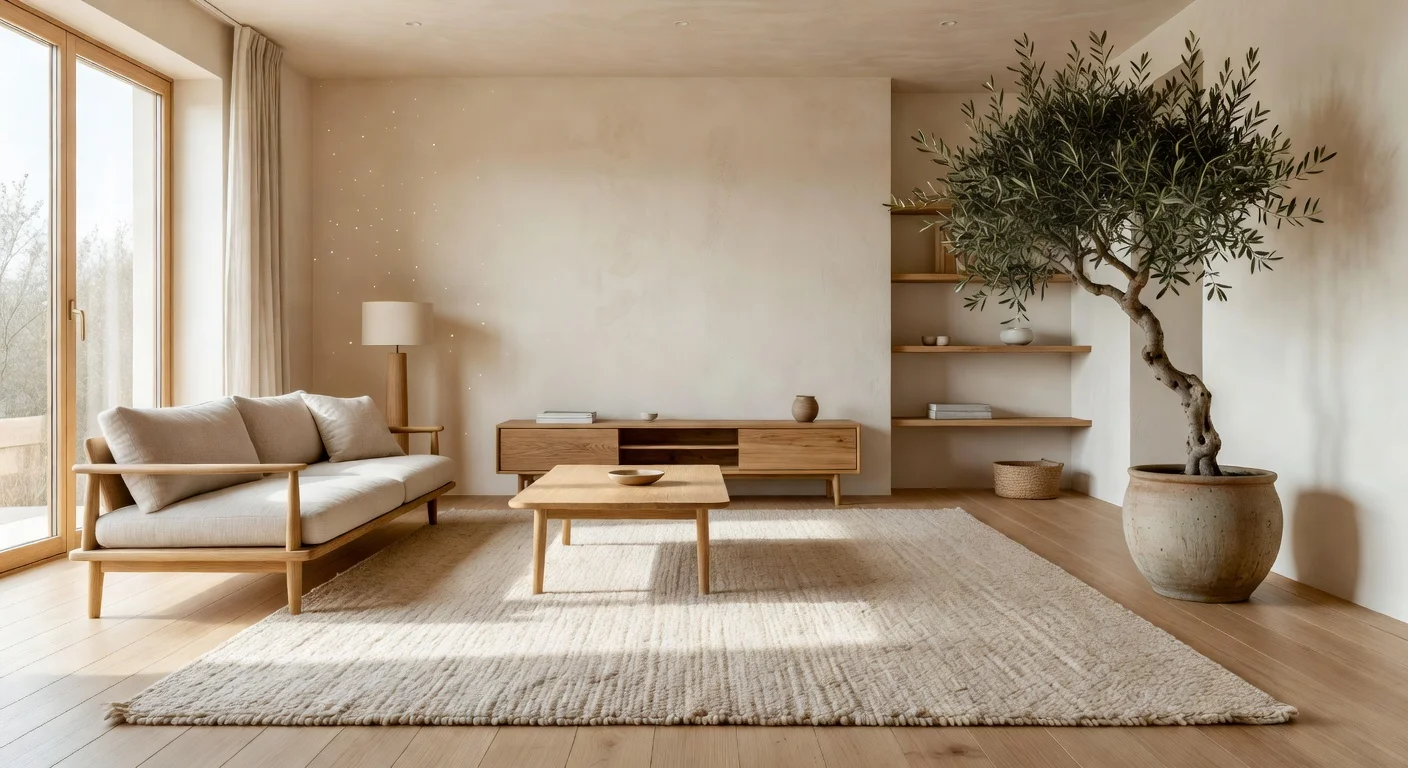
Top decor is the curation of high-quality, trending interior elements that define a space's aesthetic. Unlike basic furnishing, it focuses on cohesive styles—like Japandi or Organic Modern—to create a unified atmosphere rather than just filling a room with random seating.
I spent the last four months comparing every major home design trend, material cost, and space planning tool I could find to see what actually works in 2026. What I found was a massive gap between the highly stylized photos on Architectural Digest and what everyday buyers can physically fit into their homes.
Styling a room is expensive, heavy, and frustrating if you buy the wrong pieces. Here is the actual, unvarnished look at premium home styling right now.
How much does premium home styling actually cost in 2026?
A complete living room overhaul using high-quality decor elements currently averages between $6,500 and $12,000. This estimate excludes professional contractor work and focuses purely on high-end textiles, statement lighting, and solid furniture.
You can certainly furnish a room for $800 using particleboard flat-packs. However, the moment you transition into top-tier decor featuring solid hardwood, real brass, and custom upholstery, the pricing scales aggressively.
How much does a professional interior designer charge?
Most professional interior designers charge between $100 and $250 per hour. Flat-rate room designs usually start around $1,500 for the concept alone, not including the actual furniture. You are paying for their spatial awareness and their access to trade-only furniture catalogs.
Are vintage decor pieces actually more expensive?
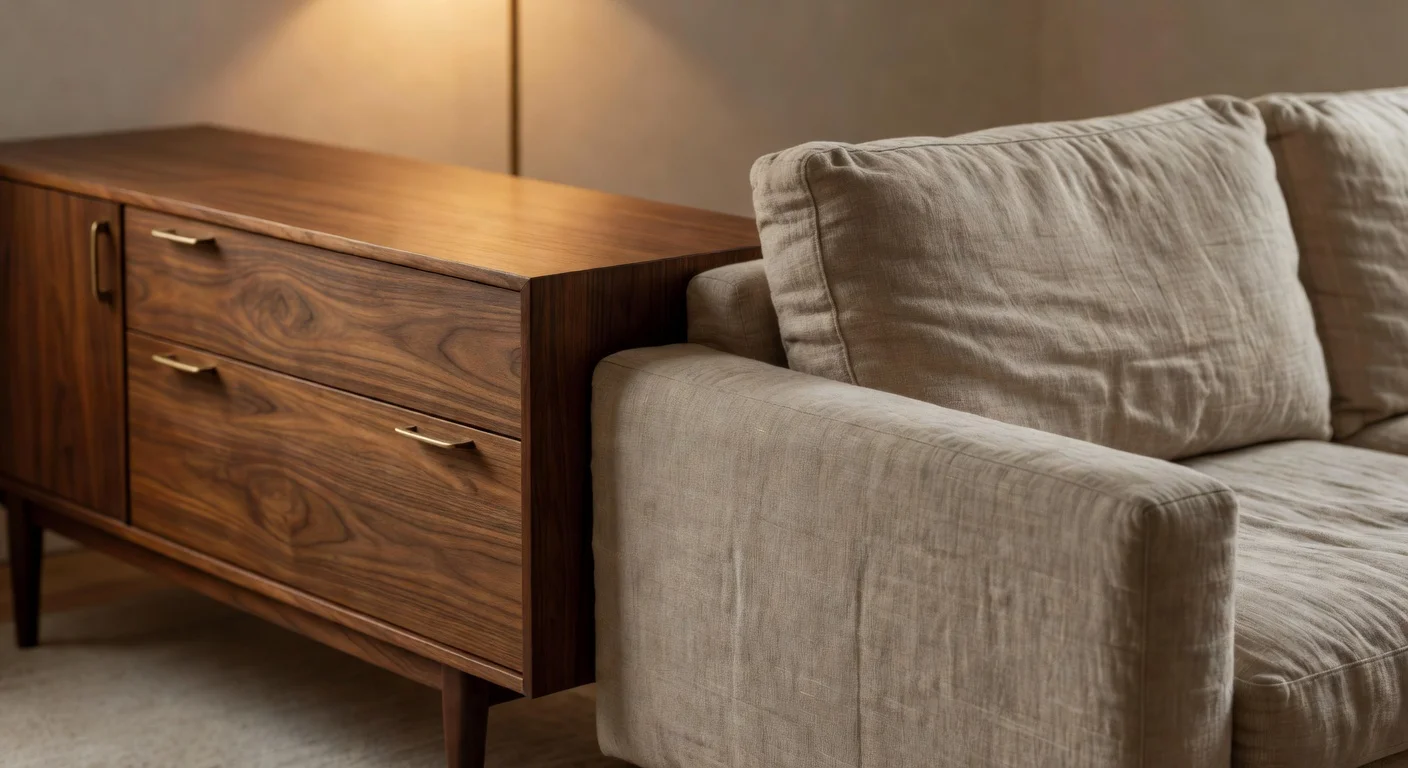
Yes, genuine mid-century vintage pieces often cost 40% to 60% more than modern reproductions. You are paying for verifiable scarcity and the physical materials used during that era. A real 1960s teak credenza will easily run you $3,500 at specialty home decor stores.
A cheaper replica costs $600, but it relies on thin veneers over medium-density fiberboard (MDF). It looks identical on a phone screen, but the 80-pound weight difference is immediately obvious in person.
What are the top decor styles dominating 2026?
Warm, heavily textured aesthetics have entirely replaced the cold, gray minimalism of the early 2020s. Buyers want spaces that feel lived-in, prioritizing raw materials over glossy, sterile surfaces.
If you are planning an open concept furniture layout, your style choice dictates your spatial flow. Here are the three undisputed heavyweight trends right now:
- Japandi: A hybrid of Japanese minimalism and Scandinavian warmth. Expect low-profile seating and raw ash wood.
- Organic Modern: Heavy use of lime-wash walls, curved boucle sofas, and massive indoor greenery.
- Moody Art Deco: Darker jewel tones (emerald, sapphire) contrasted with unlacquered brass hardware.
Why is Japandi decor surging in popularity for 2026?
The Japandi style integrates functional minimalism with natural, earthy textures, driving a 35% increase in searches for "wabi-sabi" design elements. It rejects visual clutter. Instead of ten small decorations on a shelf, Japandi relies on one massive, high-quality clay vase to anchor the space.
Is modern farmhouse finally going out of style?
Yes, the traditional modern farmhouse look is functionally dead in high-end design circles. The era of distressed white wood, sliding barn doors, and wire baskets reached a saturation point in late 2025. Today, designers mock the rustic-industrial look as dated.
If you still love rural elements, the current pivot is "European Countryside." This swaps the harsh black iron for aged copper and replaces stark white shiplap with creamy, textured plaster.
What are the essential rules for living room space planning?
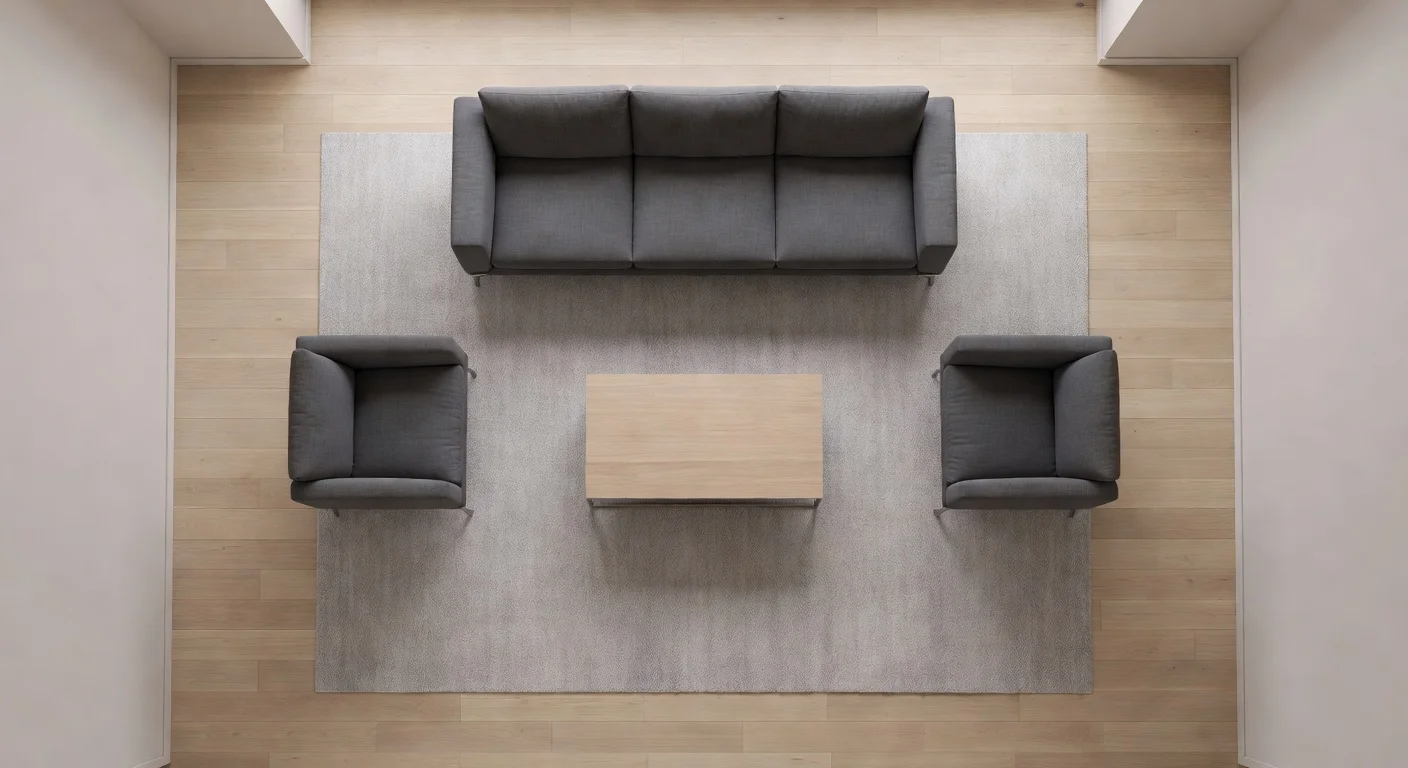
You need a minimum of 36 inches of clear walking space between major furniture pieces. This is the golden rule of living room space planning, and ignoring it guarantees a room that feels claustrophobic, no matter how expensive the decor is.
I constantly see people force massive 95-inch sectional sofas into 12x12 rooms. They sacrifice traffic flow for seating capacity. The reality is that pushing all your furniture flat against the walls actually makes a small room look much smaller.
How do I pull furniture away from the walls?
You create a "floating" layout by centering your sofa around a large area rug, leaving at least 12 inches of space between the sofa back and the wall. This trick forces the eye to acknowledge the empty border, tricking the brain into perceiving more square footage.
How can I visualize decor styles before purchasing furniture?
The biggest financial mistake you can make is buying expensive decor based on highly edited showroom photos, only to realize the scale is wrong for your specific house. Shipping heavy furniture is expensive (often $150 to $300 for freight), and returning a 200-pound sofa is an absolute nightmare.
To avoid this, I honestly think you should pre-visualize your space. You used to have to hire an agency for 3D digital renderings. Now, you can use software to test styles without spending a dime on shipping fees.
Here is a breakdown of the three main ways people are tackling room redesigns this year:
| Tool / Platform | Primary Strength | Verdict |
|---|---|---|
| Houzz Pro | Massive network of local contractors and accurate material sourcing | Best for full professional builds |
| Endless user-generated photo inspiration | Best for raw idea gathering | |
| Renova AI | Snap a photo to visualize 100+ styles instantly | Easiest to Use |
How can I test a room style without moving furniture?
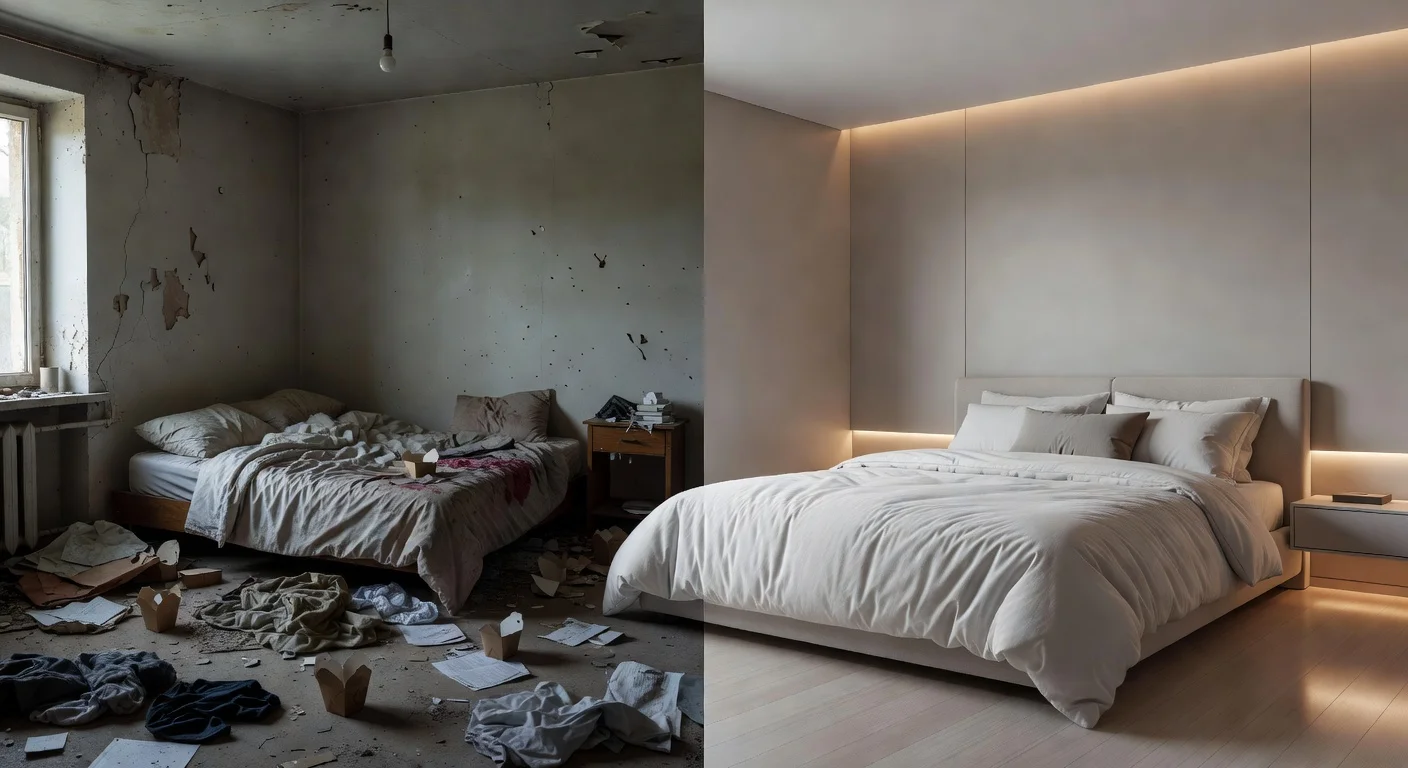
You can visualize different designs by taking a photo of your current space and running it through an AI remodeling app. I completely stopped dragging armchairs across the floor to test layouts. Instead, I use Renova AI to handle the visualization.
You just snap a picture of your bedroom or living space. The tool then overlays over 100 selectable designs (from Bali and Boho to Japandi and Minimalist) onto your exact floor plan.
Do AI decor tools require manual editing?
No, modern tools handle the spatial mapping and lighting automatically. The most annoying thing about older design software was having to manually draw wall boundaries or erase existing furniture.
With Renova AI, there is absolutely no manual editing required. The AI understands where the floor ends and the walls begin. You click "Art Deco," and the app swaps the floor, repaints the walls, and stages the decor in seconds. If you want to try it on your own house, you can grab it directly from the App Store.
What are the common mistakes to avoid when buying decor?
Do not buy matching furniture sets from large retail chains. A matching sofa, loveseat, and armchair set in the exact same fabric is the fastest way to make a room look like a cheap hotel lobby. Top decor relies on contrast.
If you have a heavy leather sofa, pair it with light linen accent chairs. Mix wood tones. Pair a dark walnut coffee table with lighter white-oak flooring.
What is the 60-30-10 color rule?
This rule dictates that 60% of your room should be a dominant base color, 30% a secondary color, and 10% an accent color. Your walls and large rugs make up the 60%. Your furniture covers the 30%. Your throw pillows, metal hardware, and artwork provide the final 10% punch.
If you ignore this ratio and split the room 50/50, the eye gets confused. The space will feel visually chaotic, even if the individual items are highly expensive.
Stick to a defined plan, test your styles digitally before buying, and prioritize layout flow over stuffing the room with massive items. A well-planned, moderately priced room will always outshine an expensive room that feels like a storage unit.
Frequently Asked Questions
What exactly defines top decor in 2026?
Top decor refers to the deliberate selection of high-quality, stylistically cohesive items rather than random furnishings. It focuses on premium materials like solid wood, natural stone, and custom textiles that anchor a room's aesthetic.
How much should I budget for high-end living room decor?
A complete room styling with premium decor usually starts around $4,500 and can easily exceed $15,000. This includes statement lighting outlays, large-scale rugs, and solid furniture pieces, excluding professional design fees.
Is the modern farmhouse style still popular?
No, the traditional modern farmhouse look has heavily declined. It has been replaced by warmer, organic modern styles and Japandi, which prioritize smooth lines and natural textures over rustic signs and distressed wood.
Can I try different decor styles without buying furniture?
Yes, you can use generative AI apps to upload a photo of your empty room and apply different aesthetic filters. This lets you visualize over 100 styles like Art Deco or Minimalist before spending any money.
Why are vintage decor pieces so expensive?
Real vintage items cost 40% to 60% more because of material scarcity and build quality. A genuine mid-century modern credenza uses solid walnut, whereas modern reproductions often use cheaper MDF and veneer.
What is the most important element when planning a room layout?
Traffic flow is the most critical element. You need a minimum of 36 inches of walking space between major furniture pieces to prevent the room from feeling cramped and frustrating to navigate.