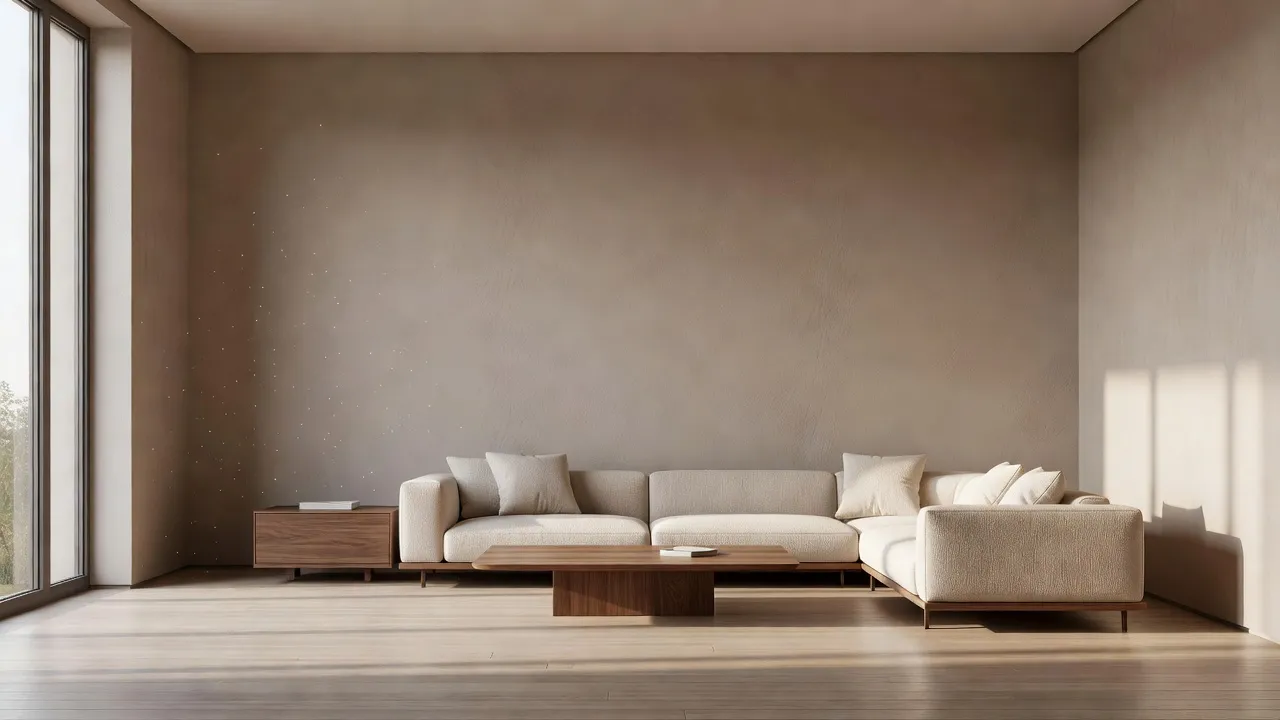
Sherwin-Williams mushroom paint colors are earth-toned greiges and soft taupes like Mode Beige (SW 7030), Shiitake (SW 9173), and Loggia (SW 7506) that balance warm beige undertones with grounding gray mutedness. These shades sit between stark light gray and heavy brown, creating a neutral backdrop that shifts cleanly across changing daylight. Choosing the right shade comes down to one core variable: how your room's natural lighting interacts with the paint's Light Reflectance Value (LRV) and underlying undertones.
To select the best tone for your space, you need to understand how light direction alters taupe and greige pigments. A shade that looks like a cozy, organic taupe in a South-facing room can quickly turn muddy or purple under cold Northern exposure.
What is a mushroom paint color?
A mushroom paint color is an organic neutral that blends gray, beige, and subtle earthy brown undertones. Design trends as of October 2026 have shifted heavily toward these mid-toned organic neutrals because they feel warmer than cold grays while avoiding the yellow cast of early-2000s beige.
According to color theory standards documented on Wikipedia, a paint's Light Reflectance Value (LRV) measures the percentage of light a color reflects on a scale from 0 (absolute black) to 100 (pure white). Mushroom shades generally fall in the 30 to 55 LRV range, placing them squarely in the mid-tone category.
Because these hybrid tones react strongly to ambient light, seeing them on a swatch board in a store rarely tells the whole story. Before committing to physical paint buckets, many homeowners use digital tools like Renova AI to preview wall repaints on their actual room photos.
How do you choose between warm and cool mushroom shades?
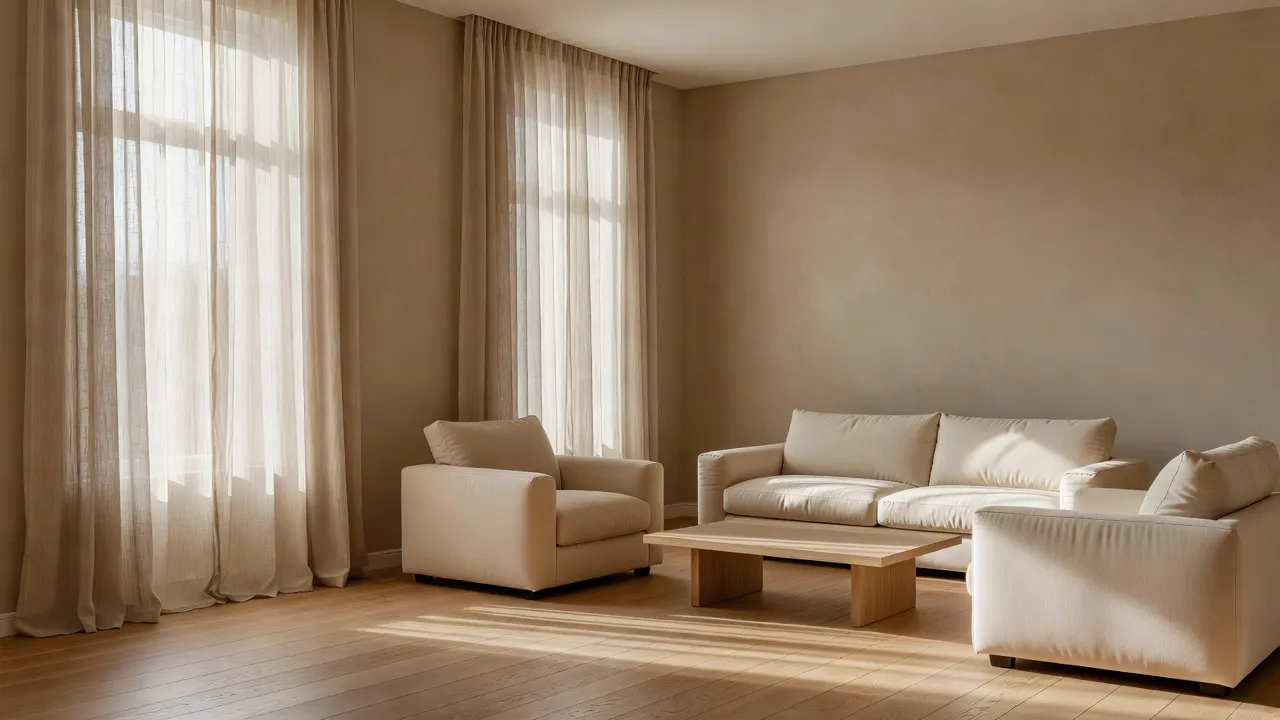
You choose between warm and cool mushroom paint colors by matching the shade's undertones to the orientation of your room's windows. The direction of your natural light source dictates whether the gray or beige pigments dominate during the day.
Light direction changes mushroom shades in predictable ways:
- North-Facing Rooms: Cold, bluish light flattens warm beige. Choose a warmer mushroom with pink or reddish undertones (like SW 9173 Shiitake) to prevent the room from looking dreary.
- South-Facing Rooms: Intense, warm sunlight amplifies yellow and pink undertones. A cooler, gray-leaning mushroom (like SW 7037 Elephant Ear) grounds the room without feeling washed out.
- East-Facing Rooms: Warm light in the morning turns cool and shadowy by afternoon. Mid-toned neutrals (like SW 7506 Loggia) maintain balance throughout daylight changes.
- West-Facing Rooms: Cool morning light gives way to strong golden evening light. A neutral taupe handles this shift better than a pure beige.
As outlined in Architectural Digest's guide to neutral paint undertones, failing to account for window exposure is the primary reason neutral paints look different on the wall than on the sample card.
The top 6 Sherwin-Williams mushroom paint colors ranked
1. Sherwin-Williams Shiitake (SW 9173)
Sherwin-Williams Shiitake is a versatile mid-tone greige with subtle pink and stone undertones. With an LRV of 51, it sits right at the bright end of the mushroom spectrum, making it ideal for spaces that need warmth without feeling dark.
It earned the top spot because it balances warm and cool qualities better than almost any other taupe in the Sherwin-Williams color specs catalog. It works equally well on interior trim, kitchen cabinets, and main living space walls.
Key Trade-Off: In cool Northern light, the faint pink undertone can become more visible. If you dislike subtle mauve flashes, test a sample pot carefully before painting an entire room.
2. Sherwin-Williams Loggia (SW 7506)
Sherwin-Williams Loggia is a rich, warm taupe that leans closer to classic beige than gray. Holding an LRV of 48, Loggia reflects enough light to keep small rooms open while delivering a cozy, grounded feel.
Loggia made this list because of its exceptional performance in open-concept floor plans. It creates a seamless transition between rooms with varying light sources without turning chalky or yellow. Pairing Loggia with bright white trim creates a crisp, classic contrast that works across traditional and modern homes.
Key Trade-Off: Loggia has strong warm undertones. If your flooring or furniture has yellow oak hues, the combination can feel slightly dated unless offset with black accents or cool textiles.
3. Sherwin-Williams Mode Beige (SW 7030)
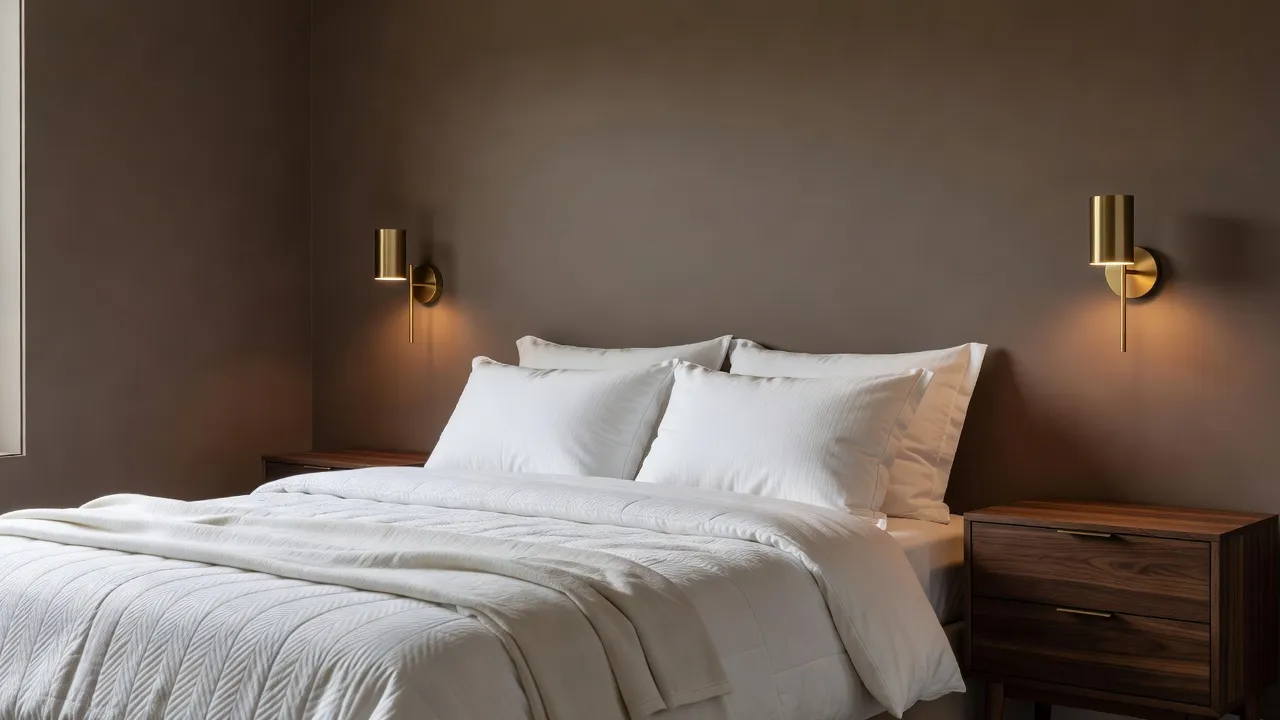
Sherwin-Williams Mode Beige is a deep, sophisticated greige that anchors dark trim and cabinetry. With an LRV of 45, it brings noticeable weight and depth to walls without crossing into full dark-gray territory.
Mode Beige earns its place for its cozy, tailored look in dining rooms, bedrooms, and home offices. It serves as an excellent backdrop for natural leather, brass fixtures, and dark walnut furniture.
Key Trade-Off: Its lower reflectance means it absorbs light in small, dim spaces. You will need adequate artificial lighting or large windows to keep Mode Beige from feeling heavy.
4. Sherwin-Williams Mega Greige (SW 7031)
Sherwin-Williams Mega Greige is a darker, gray-forward mushroom shade designed for dramatic accenting. It carries an LRV of 37, placing it firmly in the medium-dark neutral category.
This shade stands out for readers who want a moody aesthetic without using stark charcoal or dark brown. It works brilliantly on kitchen islands, built-in bookshelves, or as a focal wall in a sunlit room.
Key Trade-Off: Because Mega Greige leans heavier on gray pigments, it can feel cold in rooms that lack direct sunlight or warm wood accents.
5. Sherwin-Williams Keystone Gray (SW 7504)
Sherwin-Williams Keystone Gray is a earthy, shadowy taupe that mimics natural stone. With an LRV of 29, it is the darkest mushroom shade on our list, ideal for cozy nooks, theater rooms, or exterior accents.
Keystone Gray highlights structural details like board-and-batten paneling and masonry fireplaces. It delivers an organic, modern feel that pairs exceptionally well with bronze hardware and lime-washed accents.
Key Trade-Off: At an LRV of 29, Keystone Gray will significantly darken a space. It requires deliberate lighting design and lighter contrasting trim to keep the room legible.
6. Sherwin-Williams Elephant Ear (SW 7037)
Sherwin-Williams Elephant Ear is a cool-toned mushroom gray with distinct violet undertones. It has an LRV of 36, giving it a velvety appearance on interior walls.
It holds a spot on this list because it offers an option for contemporary homes that feature cool marble, slate tiles, or brushed silver fixtures. It bridges the gap between classic industrial gray and warm earth tones.
Key Trade-Off: The violet undertone is pronounced under daylight fluorescent bulbs. Use warm LED lighting (2700K to 3000K) to maintain a soft neutral appearance.
How do Sherwin-Williams mushroom paint colors compare?
Sherwin-Williams mushroom shades differ primarily in their Light Reflectance Values and undertone balances. Comparing these metrics directly helps you select the right depth for your room's square footage and lighting setup.
The table below outlines the core specifications for each shade on our list:
| Paint Color | Color Code | LRV | Primary Undertone | Best Light Exposure | Ideal Room Application |
|---|---|---|---|---|---|
| SW Shiitake | SW 9173 | 51 | Pink / Warm Gray | North & East | Living Rooms, Hallways |
| SW Loggia | SW 7506 | 48 | Warm Beige / Stone | West & South | Open Floorlines, Kitchens |
| SW Mode Beige | SW 7030 | 45 | Neutral Greige | South & East | Bedrooms, Dining Rooms |
| SW Mega Greige | SW 7031 | 37 | Medium Gray / Taupe | South & West | Accent Walls, Cabinets |
| SW Elephant Ear | SW 7037 | 36 | Cool Violet / Slate | South | Bathrooms, Offices |
| SW Keystone Gray | SW 7504 | 29 | Deep Stone / Earth | High Daylight | Exteriors, Cozy Nooks |
What is the best way to preview paint colors on your walls?
The best way to preview paint colors on your walls is to test both digital renders and physical swatches in your actual space before buying full paint cans. Physical paint pots cost around $8 to $10 per sample, and painting multiple test patches can quickly get expensive and messy.
To test wall colors without making a permanent mess on your drywall, compare these common sampling methods:
| Testing Method | Typical Cost | Setup Effort | Lighting Accuracy | Full-Room Context |
|---|---|---|---|---|
| Paint Sample Pots | $8 – $10 per color | High (painting & cleanup) | Exact | Poor (small 12" patch) |
| Peel-and-Stick Swatches | $6 – $9 per sheet | Low (peel and stick) | Very High | Fair (movable patch) |
| Renova AI Visualization | Free (3 renders), then $6.99/wk | Instant (snap photo) | High (digital shadow match) | Excellent (entire room transformed) |
| Digital Color Swatch Apps | Free – $4.99 | Low (flat color overlay) | Moderate | Poor (lacks depth & shadow) |
Using the Renova AI app lets you snap a photo of your living room, bedroom, or hallway and instantly test a wall repaint or floor swap. Because no manual editing is required, you can see how a mid-toned mushroom shade like Shiitake or Loggia complements your existing furniture in seconds.
Once you narrow down your choices digitally, order peel-and-stick swatches or brush small sample boards to observe how real paint reflects light across different times of day.

How do you trim and accent mushroom paint colors?
You trim and accent mushroom paint colors by using soft off-whites for high contrast or darker bronzes for a monochromatic look. Standard stark ceiling white can look jarring against warm mushroom walls, so soft trim tones work best.
Try these trim and accent pairings:
- Soft Cream Trim: Shades like SW Alabaster (SW 7008) or SW Pure White (SW 7005) soften the transition between wall and trim.
- Monochromatic Trim: Painting trim the exact same color as the walls—using a satin or semi-gloss finish—makes ceilings appear taller and unifies choppy wall angles.
- Dark Bronze Accents: Mushroom shades pair naturally with oil-rubbed bronze hardware, black metal lighting, and deep espresso woods.
- Coordinating Surfaces: If you are updating adjacent spaces, look at complementing wall paint with updated living room wall colors or creating dramatic focal points with accent wall paint ideas.
For exterior projects involving trim and siding, review proven sherwin-williams exterior paint color combinations to ensure your selected mushroom tone holds up under direct daylight.
Frequently Asked Questions
Is Sherwin-Williams Shiitake warm or cool?
Sherwin-Williams Shiitake is a warm-toned greige with soft pink and stone undertones. It maintains a cozy appearance even in rooms with indirect lighting.
What is the most popular Sherwin-Williams mushroom paint color?
SW 9173 Shiitake and SW 7506 Loggia are the two most popular mushroom colors in the Sherwin-Williams lineup. Both shades offer mid-range Light Reflectance Values that adapt well across various architectural styles.
What LRV is best for a mushroom paint color?
An LRV between 40 and 52 works best for mushroom paint colors in standard residential interiors. This range provides enough pigment to feel distinctly earthy without making average-sized rooms feel dark.
Does Accessible Beige count as a mushroom paint color?
Sherwin-Williams Accessible Beige (SW 7036) is generally classified as a classic greige rather than a true mushroom color. It contains more yellow-gray undertones, whereas true mushroom colors carry deeper taupe, brown, or pink-stone undertones.
How do I stop mushroom paint from looking purple?
You prevent mushroom paint from looking purple by avoiding shades with cool red-violet undertones in rooms with cold, North-facing natural light. Testing shades with higher yellow or neutral-gray bases (like SW Loggia) helps neutralize cool daylight.
Should trim be lighter or darker than mushroom walls?
Trim can be either lighter or darker than mushroom walls depending on your preferred style. Lighter trim creates a bright, traditional look, while trim painted 1-2 shades darker than the walls creates a modern, custom aesthetic.
Can I use mushroom paint colors on exterior siding?
Yes, mushroom paint colors work exceptionally well on exterior siding, stone accents, and garage doors. Because bright sunlight washes out paint colors outdoors, select a shade one step darker (like SW Keystone Gray) than you would choose for an interior wall.