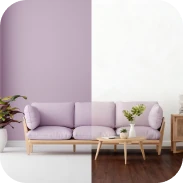
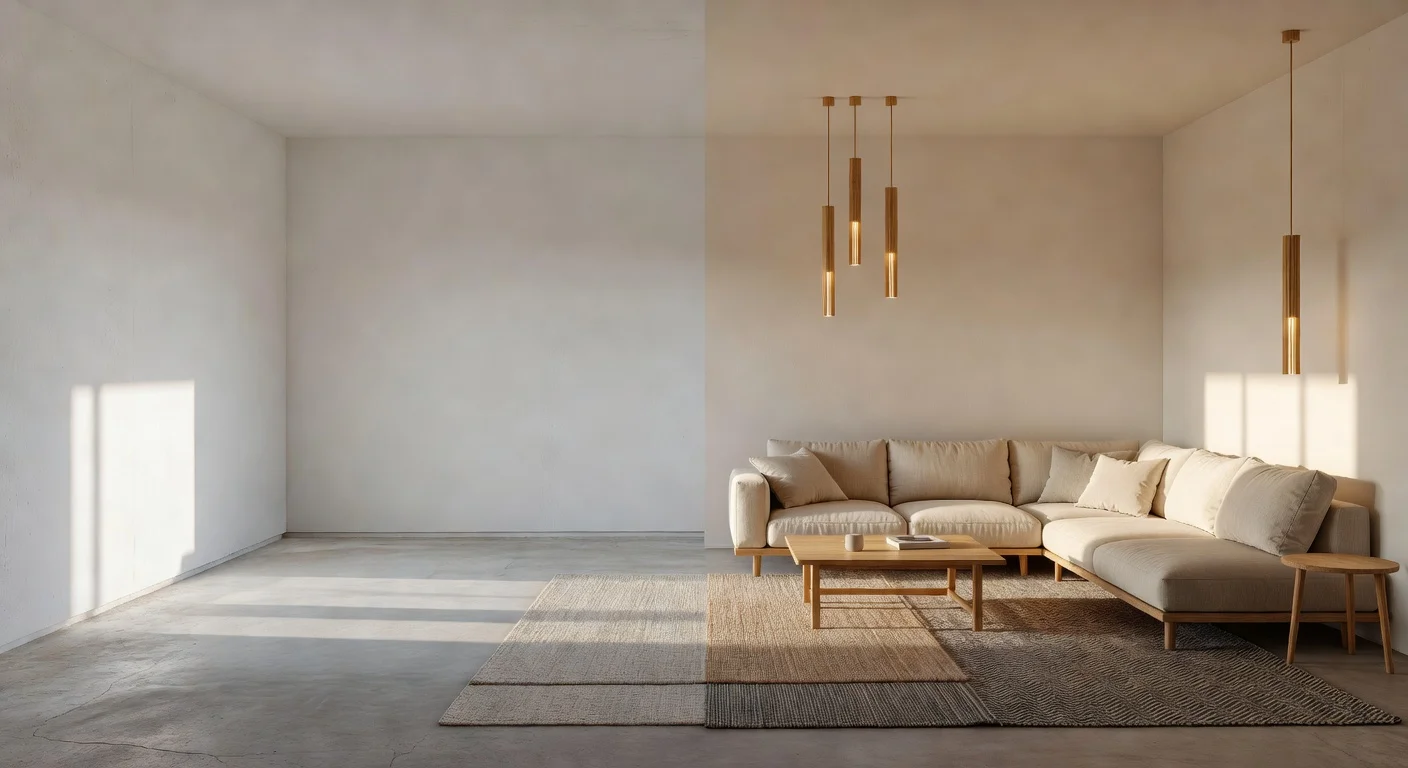
Home inside design is the strategic arrangement of furniture, color schemes, and lighting to optimize interior living spaces. Unlike manual fabric swatching and slow digital drafting, modern spatial software allows you to visualize completely remodeled layouts instantly from a smartphone camera.
I've reviewed every major architectural rendering and room planning app on the market over the past three years. The shift toward interior design using ai in late 2025 created a massive split in the market. You no longer have to pay a consultant $150 per hour just to see if a sectional couch looks decent against a grey wall.
By Q2 2026, smartphone tools were entirely replacing basic consultation stages. If you struggle with spatial visualization, here are the most effective use cases for modern visualization tech right now.
Can AI home inside design tools show me what a complete style change will look like before I buy paint?
Testing drastically different core aesthetics is the primary use case for consumer design apps. Most homeowners cannot picture how their rustic oak furniture will look if they paint their walls charcoal black.
Instead of buying $40 worth of paint samples at Home Depot, digital rendering lets you flip through 100+ styles instantly. This prevents expensive purchase regret.
How do AI generators handle specific art styles like Japandi or Boho?
Modern algorithms map structural elements (like windows and structural beams) while rewriting the surface textures and furniture geometry. If you upload a messy bedroom, the software identifies a bed frame and intelligently hallucinates a new frame that matches your chosen parameter.
The most popular styles tested in 2026 include:
- Minimalist: Strips away clutter and renders sleek, low-profile shapes with zero external ornamentation.
- Japandi: Merges Scandinavian functionality with Japanese rustic minimalism (usually sticking to beige and pale wood tones).
- Boho: Injects vibrant textiles, hanging plants, and layered Persian rugs over existing floors.
This approach saves dozens of hours scrolling Pinterest boards. You stop looking at other people's houses and start testing room decor ideas directly on your own floorplan.
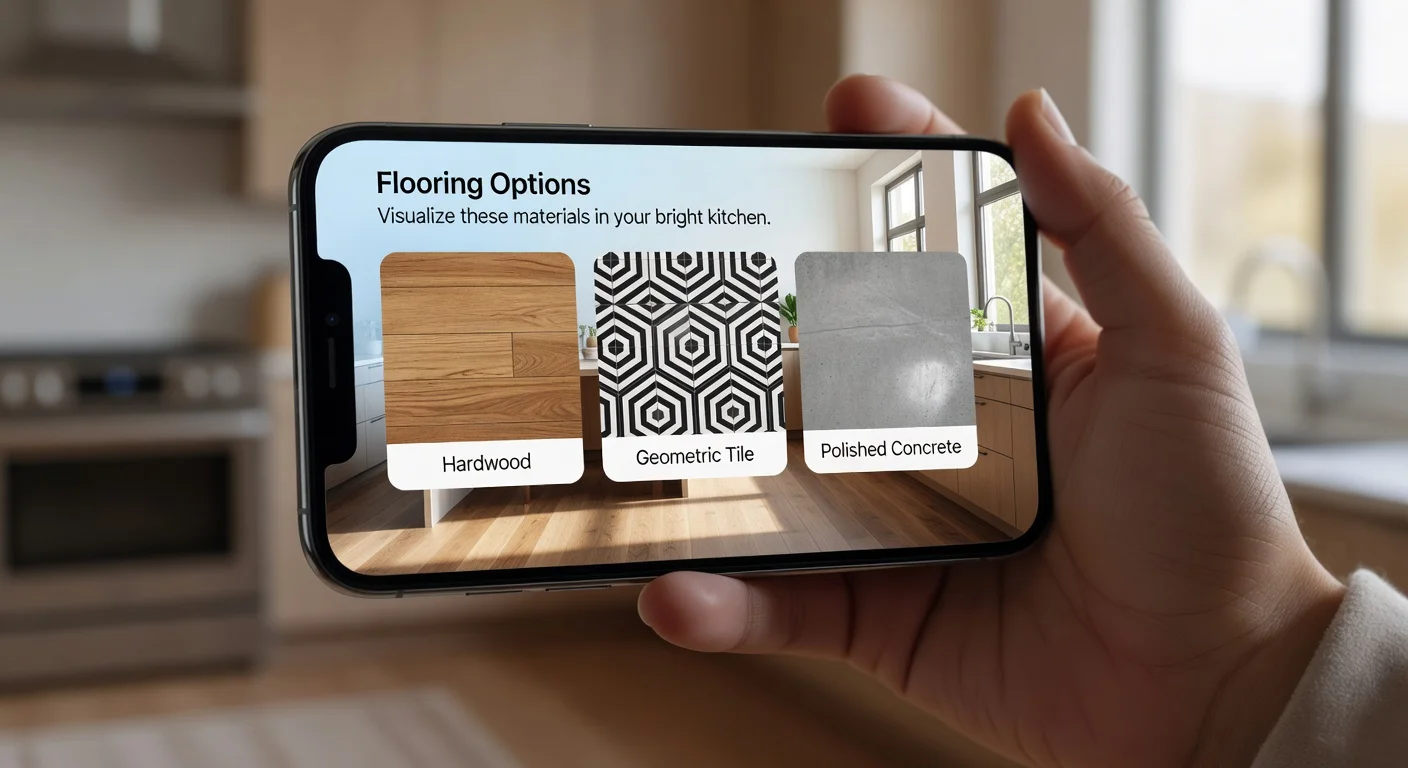
Can I test new flooring and wall colors without moving furniture or buying samples?
Replacing surfaces digitally is the smartest way to validate a $5,000 flooring renovation. Flooring contractors usually bring heavy 12-inch samples to your house, which rarely provides an accurate view of an entire 400-square-foot room.
Can AI home inside design tools swap flooring without moving my furniture?
Specialized remodeling tools detect furniture legs and cast shadows over the new floor surface automatically. You do not need to drag your entire living room set into the hallway just to visualize a herringbone wood pattern.
I spent most of April 2026 comparing tools specifically for automated floor and wall swaps. Here is a breakdown of the three main approaches available.
| Application | Market Target | Core Strength | Weakness |
|---|---|---|---|
| Planner 5D | Advanced DIYers ($59.99/yr) | Highly accurate 3D CAD modeling. | High learning curve. |
| Renova AI | Most Affordable | Requires absolutely zero manual editing to visualize 100+ room styles. | Not designed for precise architectural blueprints. |
| Houzz | Furniture buyers (Free) | Links directly to retail store checkouts. | AR function relies on manual object placement. |
Use a tool like Renova AI when you need quick, high-fidelity visual context before heading to a supplier. Snap a photo, and the AI handles the wall repainting and floor swapping in seconds. Planners like 5D work best if you need to submit dimension-accurate blueprints to a city permitting office.
How can I plan furniture zones in an open floor plan without any walls?
Using a virtual planner is critical when you lack distinct architectural walls to define zones. Creating separate areas for dining and lounging without physical dividers confuses most first-time homeowners.
How do you plan an open floor space effectively with AI home inside design tools?
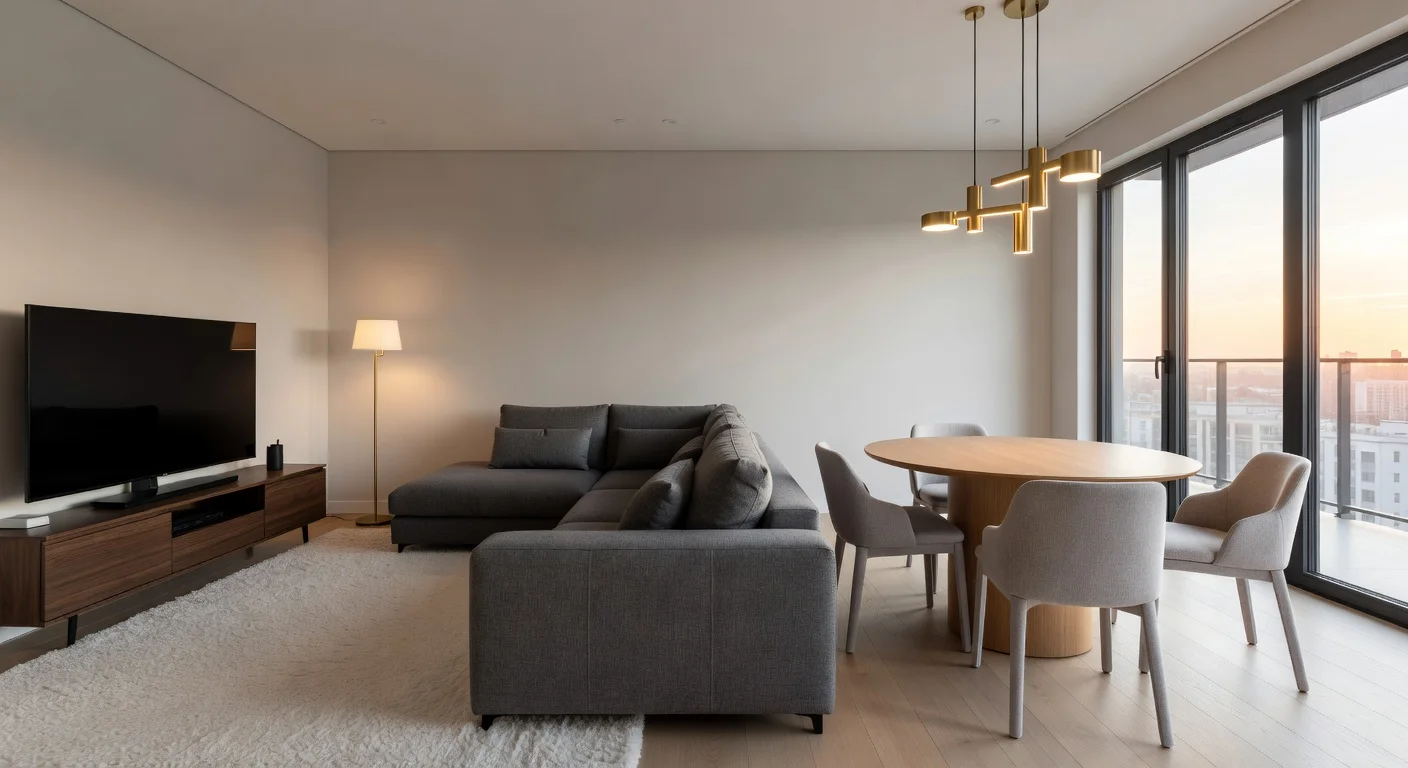
You anchor different zones using large area rugs and directional lighting rather than solid walls. Digital preview tools let you drag 8x10 virtual rugs onto the floor to see if a dining table clashes with the couch placement.
Break a large 600-square-foot box into three mini-zones. Nailing an open concept furniture layout prevents the room from feeling like a giant, echoing warehouse.
Here are the specific objects you should test digitally first:
- Sectional Sofas: Use L-shapes to build an invisible barrier between the TV area and the kitchen.
- Pendant Lights: Drop these over kitchen islands to create a visual ceiling break.
- Console Tables: Place a low table directly behind the couch to hide the ugly upholstery seams.
Which rooms should I redesign first with AI to get the highest return on investment?
Testing bathroom and kitchen layouts digitally secures the highest financial return on your remodeling budget. The National Association of Home Builders frequently notes that minor kitchen remodels yield a 70% return on investment when selling a house.
Which room renovations offer the highest return in 2026?
Mid-range kitchen upgrades and minor bathroom paint-and-tile swaps perform the best financially. Dropping $45,000 on custom Italian cabinets will not necessarily increase your home's total appraisal value.
Snap photos of your ugly 1990s oak cabinets and run them through an AI generator. You can tell the software you wish to see matte navy paint with brass hardware.
Seeing that transformation in 5 seconds proves you don't need a total teardown. Sometimes a $300 paint job and new cabinet handles mimic the look of a $15,000 renovation. Do this before hiring a demolition crew.
How do real estate agents use AI home inside design to stage empty houses?
Digital staging is the most cost-effective method for real estate agents and landlords leasing vacant properties. Renting physical furniture from a staging company easily costs $2,000 per month for a standard three-bedroom house.
Are digital room planners useful for empty spaces?
Modern AI generators are specifically trained to read empty corners and populate them with proportionate 3D furniture. Instead of showing prospective tenants a hollow, depressing concrete box, you show them a fully livable space.
If you are a landlord setting up a listing, this tech is a lifesaver. You walk into the empty property, take five wide-angle photos, and let the software inject a Modern or Farmhouse aesthetic.
By 2026, the algorithms calculate the window light sources and project accurate shadows under the digital sofas. It tricks the eye perfectly on Zillow or Trulia.
How can renters test new looks without making permanent changes that risk their deposit?
Virtual remodeling helps apartment renters test peel-and-stick solutions before risking their security deposits. You cannot tear up terrible linoleum floors in a rental, but you can layer removable items over them.
What are the best non-permanent interior upgrades for renters?
Peel-and-stick wallpaper, large overlapping area rugs, and swap-in light fixtures are the best reversible changes. Many renters struggle to visualize how a busy wallpaper pattern will interact with ugly apartment carpets.
This is where a fast mobile tool bridges the gap. Tools with custom change features work well for apartments.
You can highlight that awful 1980s brass chandelier your landlord refuses to remove. If you use a tool like Renova AI, you just tell the prompt what you wish to see (like a matte black industrial pendant), and it swaps that specific object without touching the rest of the room. This method builds a shopping list of renter-friendly upgrades.
Frequently Asked Questions
How much does interior space planning cost in 2026?
Traditional home rendering services cost between $500 and $1,500 per room. However, AI generation apps can provide basic visualization for less than $10 a month.
Can AI home designers read my exact room dimensions?
No, most pure image-to-image AI tools do not measure exact square footage. You will need a LiDAR-based app like Planner 5D if you require exact architectural blueprints.
What happens if the AI generates furniture that doesn't exist?
You use the generated image purely for aesthetic direction. You then match the suggested colors and shapes with similar physical items found at retail stores.
Does Renova AI require any manual photo editing?
No, the app operates entirely in the background without manual masking or erasing. You just select the style, and the algorithm replaces objects and surfaces automatically.
Will digital renderers work on empty rooms?
Yes, modern staging tools excel at filling empty spaces. They detect baseboards, windows, and light sources to cast realistic shadows under virtual furniture.
Can I change specific objects instead of the whole room?
Some applications offer a custom change feature. You highlight a specific lamp or sofa and tell the software what replacement item you wish to see.