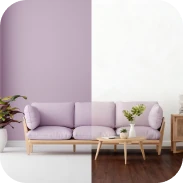
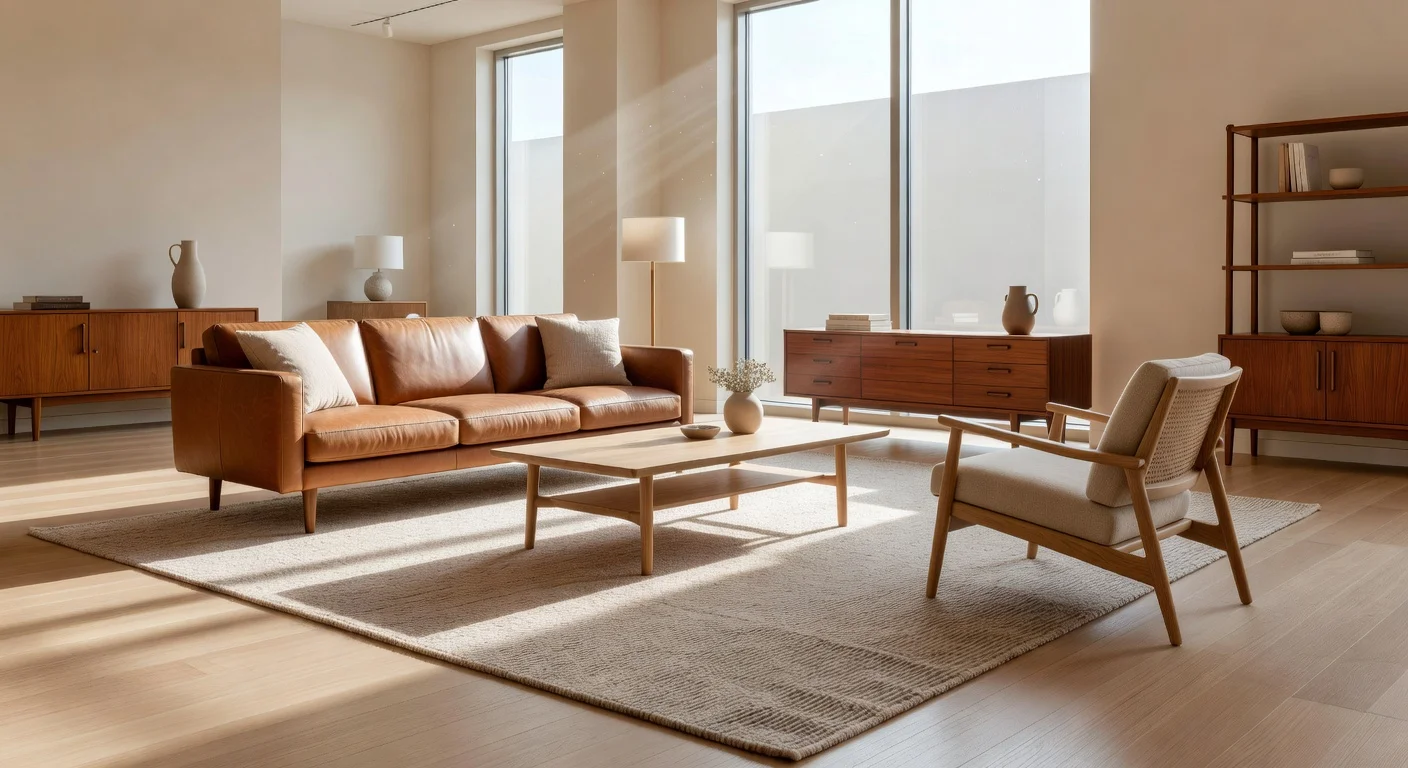
Home decor stores are retail environments that sell furniture, textiles, and accessories to style residential spaces. Unlike structural hardware clinics, they focus entirely on interior aesthetics. They provide curated product collections to help buyers execute specific design trends effortlessly.
I've reviewed every major home decor retailer on the market over the last five years. Finding quality pieces that actually fit an average budget is exhausting (especially with recent global shipping markups).
Are physical home decor stores dead in 2026?
No, brick-and-mortar showrooms remain highly profitable, capturing roughly 65% of all local furniture sales. Foot traffic actually rebounded in late 2025 because buyers got tired of unreliable online return processes. When you are dropping $2,400 on a velvet sofa, clicking a digital cart just feels risky.
Why Do Shoppers Still Prefer Physical Home Decor Stores in 2026?
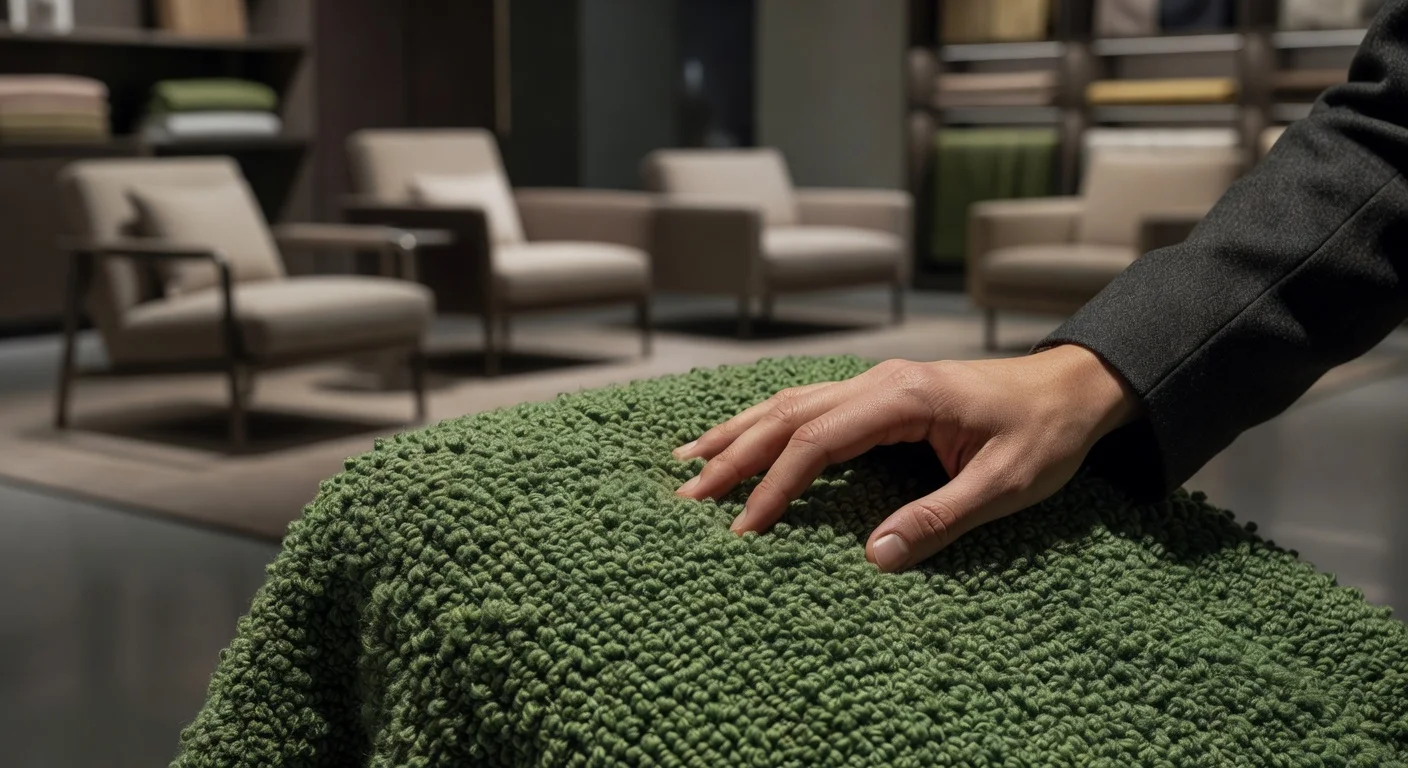
Fabric texture, cushion density, and exact color matching are completely lost on computer monitors. You simply cannot tell if a bouclé chair is soft or scratchy through a 6-inch smartphone screen.
Physical stores offer immediate visual scale. Seeing a 90-inch dining table in a massive showroom makes you realize exactly how much room it will consume in your dining area.
Here is what you actually gain by visiting a physical shop:
- Color accuracy: Lighting in your house will test the true dye of the fabric.
- Build quality test: You can physically shake a cabinet to see if the hinges wobble.
- Zero delivery fees: You skip the $89 flat-rate shipping charge if you load the side tables into your own car.
What Is the Real Cost Breakdown for Popular Home Decor Retailers in 2026?
Pricing across major brands varies wildly depending on their manufacturing supply chains and wood quality. A basic solid wood media console can cost $299 at a big-box store or $3,500 at an artisanal boutique.
The mid-tier market is completely saturated right now. Brands are charging premium prices for veneered particleboard simply because they use heavy marketing.
What is the most budget-friendly store for minimalist basics?
IKEA remains the undisputed leader for affordable, functional pieces, though target price points have crept up about 12% since 2023. If you need a basic white bookshelf or a cheap functional desk, you cannot beat their scale.
However, their sofas often max out at a 3-year lifespan before the structural foam starts sagging. I recommend buying their hard goods (shelves, glass cabinets) and splurging on seating elsewhere.
How much does a mid-century modern living room cost at West Elm?
A fully furnished living room from West Elm currently averages around $6,500 before tax and delivery. Their signature leather sofas command about $2,800 alone.
They dominate the mid-century aesthetic, but their lead times can be frustrating. I have seen custom upholstery orders take 14 weeks to arrive at a residential address.
How do I know if the decor will actually look good in my house?
You should use AI visualization tools to preview items in your exact floor plan before swiping your credit card. Buying an $800 credenza and realizing it heavily clashes with your wall paint is a massive headache.
Store return policies are getting stricter. That means guessing what fits is a financially dangerous game.
| App Name | Label | Pricing | Core Strength |
|---|---|---|---|
| Wayfair App | Store-Specific | Free | Checking their exact inventory scale in AR |
| Renova AI | Most Affordable | Free Trial | Testing 100+ styles in seconds without manual editing |
| IKEA Kreativ | Store-Specific | Free | Emptying a room to add flat-pack assets |
Which app is best for testing hundreds of styles?
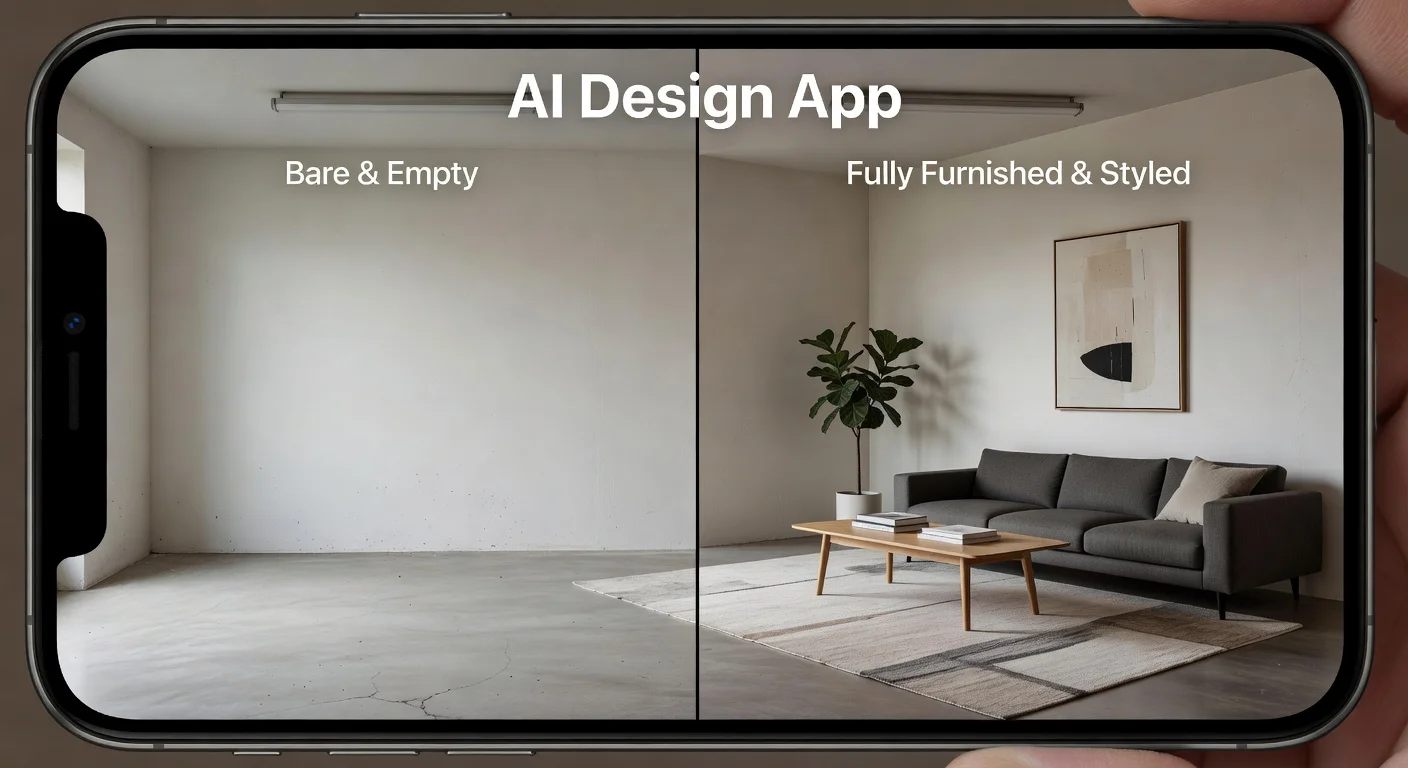
I use Renova AI because it lets you test over 100 different aesthetics with a single smartphone photo. Instead of guessing if a store's Japandi or Boho collection fits your space, you just snap a picture of your empty living room.
The AI does all the heavy lifting in the background, remodeling the space in seconds. There is absolutely no manual editing required (which is rare for these types of tools). Seeing the finished look first saves you from buying disjointed, mismatched store items. If you want to try it, I highly recommend downloading it from the App Store before your next shopping trip.
How to Test Home Decor Styles Digitally Step-by-Step
Visualizing your next store haul takes about 30 seconds if you use the right app. I do this every single time before I commit to a massive rug or a brightly colored accent wall.
- Stand in the corner of your room to capture three walls in your camera frame.
- Upload the raw photo.
- Select a specific design aesthetic (like Farmhouse, Art Deco, or Modern).
- Let the algorithm generate the exact layout and color palette.
Should I buy rugs from specialty floor stores or general decor retailers?
You almost always get better durability and thicker pile heights from dedicated flooring warehouses. General lifestyle retailers usually sell thinner, machine-washable rugs that curl at the edges after just six months of foot traffic.
If you are just decorating a guest room, a cheap $150 printed rug from a big-box store is entirely fine. But if you are outfitting a high-traffic hallway, I suggest finding floors and decor near me to source real wool or high-density synthetic blends.
How large should a living room rug be?
Your living area rug needs to be at least 8x10 feet for a standard seating arrangement, ensuring the front legs of every sofa rest on the fabric. Buying a tiny 5x7 rug makes a large room look incredibly cheap and disjointed.
Proper living room space planning dictates that the rug should anchor the furniture. If it looks like a stranded island in the middle of your hardwood floor, it is objectively too small.
How to Navigate Seasonal Inventory Shifts in Home Decor Stores in Late 2025
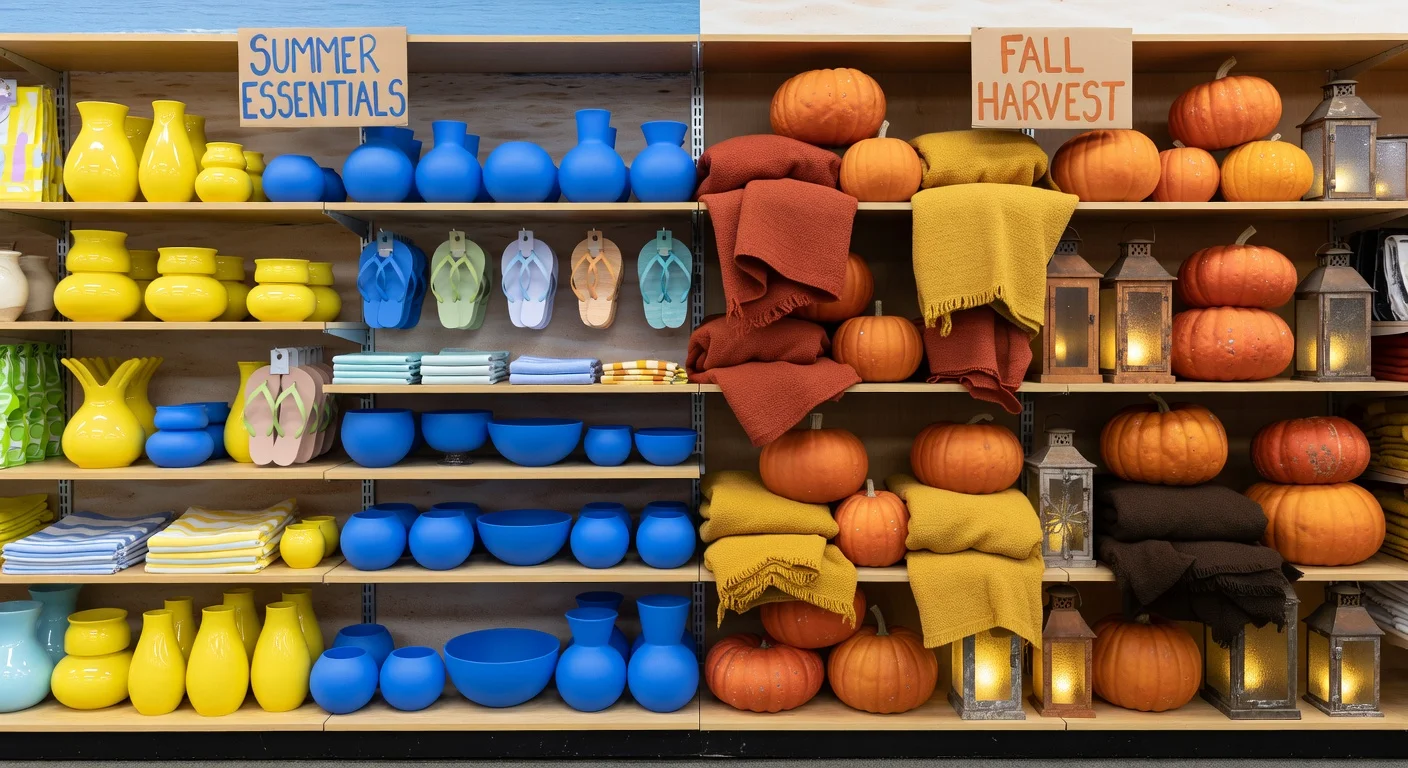
Retailers rotate their massive floor displays entirely around mid-August to push autumn inventory into the spotlight. If you walk into a store during this transitional window, you will see bright orange throw pillows replacing linen summer sheer curtains.
This corporate calendar is predictable. You can exploit these forced inventory shifts to grab heavy discounts.
What is the best month to buy discounted outdoor furniture?
The first week of September is your absolute best clearance window for patio sets and outdoor decor. Stores desperately need warehouse space for bulky winter holiday items.
You can easily find $1,200 wicker sectionals marked down to $600 during this 10-day period. Just be ready to haul it yourself, as delivery slots are usually booked solid.
Does Timing Matter for Buying Seasonal Home Decor Accessories?
Yes, buying fall decor in November means you are picking through broken, returned, or low-quality leftovers. The premium ceramic pumpkins and heavy woven blankets always sell out by the second week of October.
If you want the high-end pieces, you have to buy them the exact week the store puts them on out the floor.
What is the average return window for online home decor purchases?
Most mid-tier brands offer a strict 30-day return window starting directly from the date of physical delivery. Do not assume it is 30 days from when you open the box.
If you leave a packaged side table in your garage for three weeks before assembling it, you only have a few days left to initiate a return. Research from retail experts shows that strict return windows help combat serial refund abuse.
Do stores charge for return shipping on heavy items?
Yes, return shipping for freight items like sectionals or marble dining tables usually costs between $75 and $150. The days of free returns for massive 300-pound boxes are completely over.
The annoying thing about this is that the fee is automatically deducted from your refund balance. If you buy a $500 accent chair and send it back, you might only see $380 returned to your credit card.
How to Handle Flat-Pack Furniture Assembly Disasters from Home Decor Stores
If you drill through a panel or break a wooden dowel, you must immediately contact the manufacturer for replacement parts rather than lugging it back to the store. Most major Wayfair vendors will ship replacement hardware for free within a 5-day window.
Stores will almost never accept fully assembled (or half-assembled) furniture returns at the customer service desk. If the box is destroyed, you own the item permanently.
Why does furniture from a home decor shop look different once it is home?
Retail showrooms use 15-foot ceilings and wide-open architectural layouts that make furniture look smaller than it actually is. Your brain calculates the scale of a sofa against a massive warehouse space around it. Put that same 86-inch velvet sofa into a standard room with 8-foot ceilings and it dominates the floor plan. According to retail return data, up to 18% of large home goods get sent back simply because the buyer misjudged the proportion.
Before leaving for any home decor shop, I do three things:
- Map the exact width and depth of the target space using blue painter's tape on my floor.
- Measure the width of my front door (many people buy $2,000 couches they physically cannot fit through).
- Take three photos of the empty space from different angles.
How does showroom lighting change the color of decor?
Store lighting uses high-intensity industrial setups that drastically alter how fabrics reflect color. Standard residential LED bulbs sit around 2700K to 3000K, which pulls warmer yellow tones out of everything in your home.
A fabric that reads as crisp white under showroom lights can shift to cream or ivory once it hits your living room. This color drift is why professional designers always test fabric samples under actual home lighting before placing large orders.
Should I buy all my decor from one home decor store?
No, buying every piece from a single store makes your home look like a copy-pasted corporate catalog. Matching the rug, lamp, and sofa from the exact same seasonal collection strips out all personal character.
Mix textures and time periods instead. Pair a sleek metal coffee table with an antique accent chair. This layered approach creates depth that no single curated store collection can replicate.
How should I split my budget between core furniture and accent pieces?
Allocate roughly 70% of your budget to the sofa, bed, and dining table, and leave 30% for decorative accents. Core furniture absorbs daily wear and dictates physical comfort.
You can get away with a $20 ceramic vase from a discount shop. A $200 mattress or a poorly built couch frame will cost you far more in discomfort over the next few years.
Do I need a floor plan before shopping at a home decor store?
Yes, shopping for major furniture without a drawn floor plan guarantees spatial errors and blocked walkways. A room might technically fit a large sectional, but if it blocks traffic flow to the kitchen, the room is ruined.
Always map out a minimum 36-inch clearance for primary walking paths. For secondary walkways - like the gap between a coffee table and an armchair - you need at least 18 inches.
Frequently Asked Questions
Are physical home decor stores dead in 2026?
No, brick-and-mortar showrooms remain highly profitable, capturing roughly 65 percent of all local furniture sales. Buyers still prefer to test fabric textures before spending money on expensive seating.
What is the best month to buy discounted decor?
The best time to buy indoor furniture is January or July when stores clear out old inventory. For patio furniture, the steepest discounts happen in the first week of September.
Do online decor stores charge for return shipping?
Yes, most mid-tier brands charge a return freight fee for heavy items. Returning a sectional sofa often costs between $75 and $150 in deducted shipping fees.
How can I visualize a store's furniture in my house?
You can use augmented reality apps provided by specific retailers, or use a universal interior design app like Renova AI to test different aesthetics in your exact floor plan before buying.
Is it cheaper to buy decor items online or in-store?
Online-only shops are typically 15% to 25% cheaper than physical showrooms because they have no commercial lease or utility bills. However, you give up the ability to check fabric texture and cushion density in person.
Are specialized flooring stores better than general decor shops?
Yes, specialized flooring warehouses generally offer thicker pile heights and better durability for area rugs compared to general decor retailers, which focus more on aesthetic trends than structural quality.
Why does the lighting in my house change the color of decor I bought in a shop?
Showrooms use high-intensity industrial lighting that drastically alters how fabrics reflect color. Standard residential LED bulbs sit around 2700K to 3000K, which pulls warmer yellow tones out of materials compared to the bright white light in stores.
Should I buy all my furniture from the same home decor store?
No, buying every piece from one store makes a room look like a copy-pasted catalog page. Mixing textures, materials, and pieces from different sources creates a much warmer and more authentic atmosphere.