
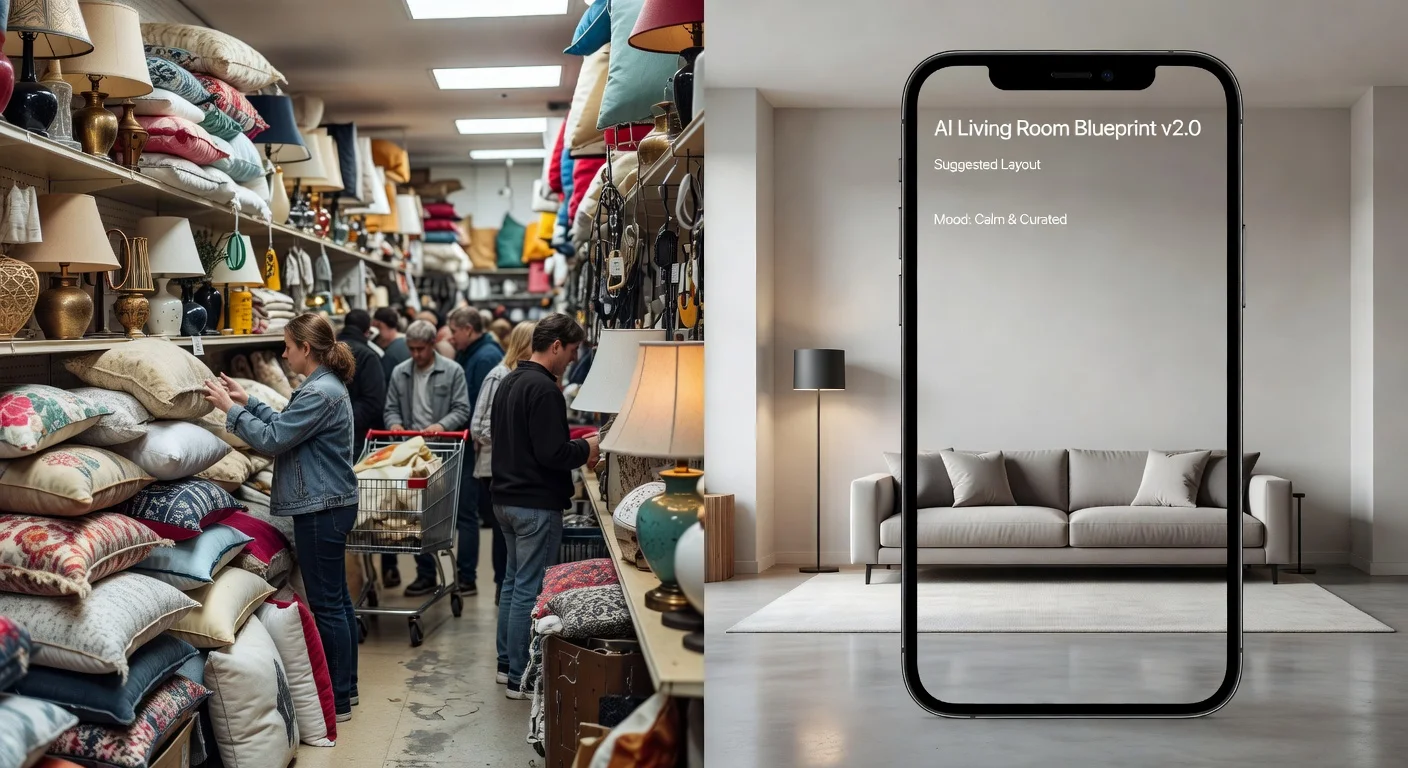
Searching for home decor near me is the process of mapping out local retailers, antique malls, and boutiques to find physical furnishings. Unlike scrolling online, buying locally lets you test fabric textures and gauge genuine scale before committing to a purchase.
As someone who regularly drives 40 miles on weekends hunting for specific mid-century accent chairs, I know how frustrating retail trips can be. You drive across town, walk the aisles, and usually leave with smaller filler items you didn't actually need.
To fix this, you need a sourcing strategy before you ever put the car in drive.
Why do local home decor searches usually end in frustration?
Without a digital blueprint, you are basically guessing at scale and color matches under horrible fluorescent store lighting. Most people buy a $40 vase or a $150 rug on impulse, only to bring it home and realize it clashes with their current wall paint.
The average shopper returns roughly 16% of the physical home goods they buy. That means you are wasting gas, time, and weekend energy simply because you failed to visualize the room first.
Pre-shopping checklist to save gas:
- Take a wide-angle photo of your empty corner.
- Measure the absolute maximum width (in inches) your space can handle.
- Pick a concrete style lane (e.g., Boho or Minimalist) and stick to it.
How to prep your room before visiting local decor stores
You must map out your room's aesthetic digitally so you know exactly what shapes and colors to hunt for. If you walk into a store blind, the sheer volume of inventory will overwhelm your decision-making process.
This is where I suggest using a visualization tool so you don't buy the wrong items. Before I type "home decor stores" into a search engine, I scan my room with Renova AI.
I just snap a photo of my messy living room, choose "Modern" or "Japandi", and the app instantly remodels the space on my screen. Having this generated image in my pocket acts as a strict shopping list—if a physical item in the store doesn't match the AI blueprint, I don't buy it.
What are the 5 best types of local home decor stores to visit in 2026?
A curated list of local sourcing options. Depending on your budget and patience, you'll want to target these specific retail categories in your area aggressively.
1. What are the pros of hitting a local big-box decor store?
They offer massive inventory turnover and heavy discounts on trendy items. Places like HomeGoods or Target restock their shelves multiple times a week, so the hunt is always fresh.
Why it made the list: It is the undisputed king of affordable "filler" decor. If you need a $15 ceramic bowl or affordable throw pillows to finish a room, this is where you go.
The trade-off: The items are mass-produced. You will likely see the exact same piece of abstract canvas art in your neighbor's living room.
2. Are local vintage and antique malls worth the high prices?
Yes, because they offer solid wood construction that modern big-box stores simply cannot match for the same price. A $300 vintage oak dresser will easily outlast a $300 particleboard unit wrapped in cheap laminate.
Why it made the list: Character and environmental sustainability.
The trade-off: You have to hunt. You might walk through 50 booths over two hours and walk away completely empty-handed.
3. Why visit boutique interior design shops?
They curate high-end, bespoke items and usually offer direct design advice if you are stuck. If you are searching for an "interior designer near me", these local shops are exactly where those professionals source their statement pieces.
Why it made the list: Quality over quantity. You go here for the 'hero' piece of the room, like a $1,200 handmade solid walnut coffee table.
The trade-off: Intense sticker shock. You are paying a premium for curation and storefront overhead.
4. Can architectural salvage yards supply normal decor?
Absolutely, they are goldmines for unique mirrors, vintage lighting fixtures, and raw materials you can repurpose. Salvage yards tear down old homes and sell the hardware.
Why it made the list: Maximum uniqueness. Sourcing a heavy 1920s brass door knob to use as a wall hook gives your room instant credibility.
The trade-off: They are extremely dusty, rarely climate-controlled, and require serious imagination to see the potential in a pile of rusty objects.
5. How reliable are pop-up artisan markets?
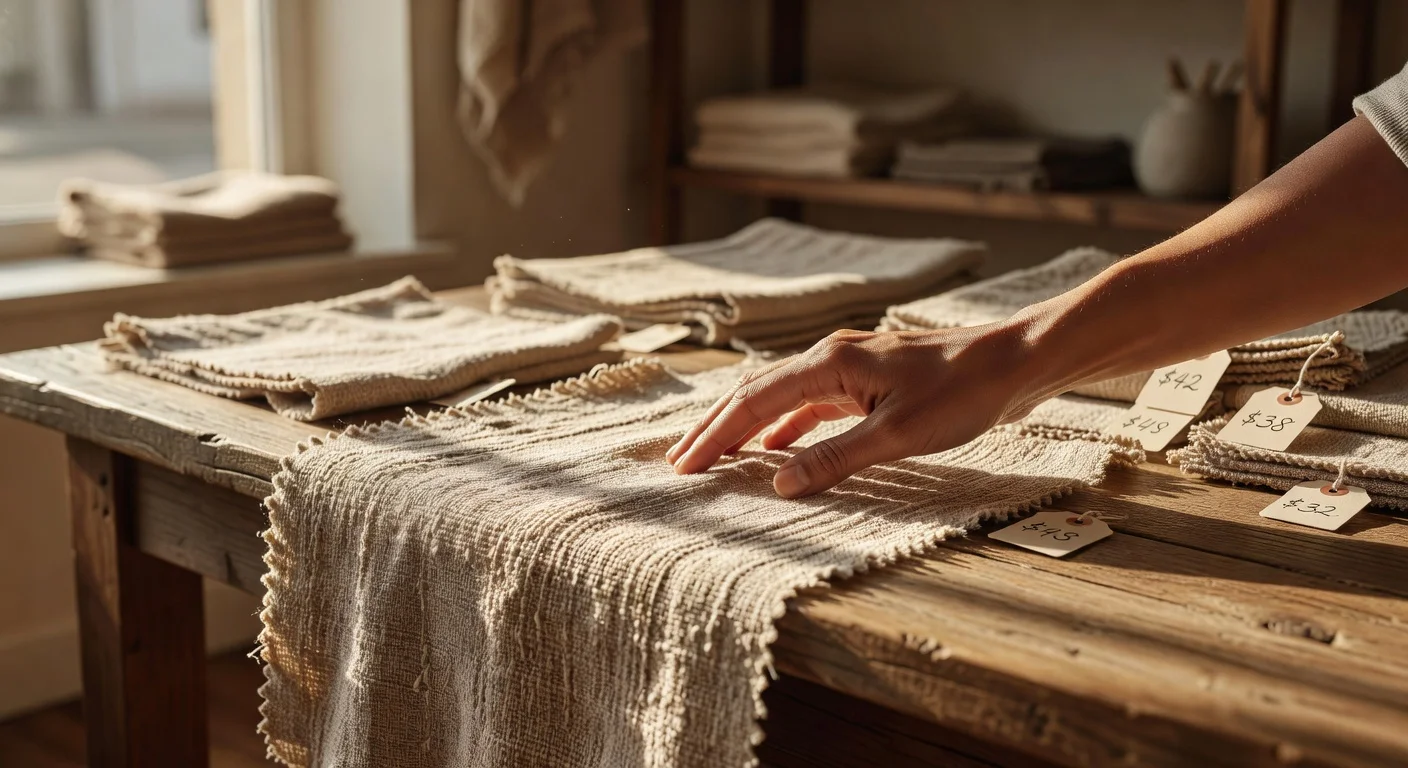
They are highly seasonal, but they are the best place to source handmade ceramics and original textiles locally. You usually find these advertised on neighborhood apps or weekend event boards.
Why it made the list: You are buying directly from the creator. The $40 you spend goes straight to a local potter.
The trade-off: Inventory is strictly limited. If you break a handmade dinner plate six months later, you cannot go back and buy a matching replacement.
How do different home decor sourcing strategies compare in 2026?
Different sourcing methods yield wildly different results for your budget and sanity.
| Sourcing Strategy | Vibe / Style Match | Primary Benefit | The Catch |
|---|---|---|---|
| Local Boutique Retail | Unique & High-End | You can touch textures in person | Huge $500+ markups. |
| Renova AI App (Top Pick for instant spatial planning) | 100+ AI Styles instantly | See a total redesign with zero heavy lifting | It is digital prep—you still have to buy the actual items. |
| Big Box Retailers | Trendy & Mass Market | Extremely cheap prices | You risk buying generic, low-quality filler. |
| Hiring Local Pros | Polished & Seamless | Zero personal effort required | Retainers often start at $2,000 before furniture costs. |
What is the fastest way to visualize a new room style?
Using a dedicated AI camera tool is currently the fastest method to prototype 100+ selectable designs (like Bali, Art Deco, or Farmhouse) in seconds. I spent years sketching out floor plans on graphing paper, and I honestly think that method is completely dead now.
If I find a stunning green velvet couch at a local antique mall, I don't just guess if it works. I use the custom change feature in Renova App, tell the AI exactly what I wish to see ("add a green velvet couch to the center"), and let the engine make it happen. I can even test an instant wall repaint or floor swap to see if I need to buy area rugs to match the new look.
For interior decoration, having a tool that requires absolutely no manual editing saves me hours of frustration. If you are serious about upgrading your space locally, grab the app first.
Are local decor prices dropping in late 2026?
Yes, many brick-and-mortar retailers are heavily discounting oversized items to clear floor space. As shipping costs for massive furniture pieces stabilized in early 2026, local shops found themselves with too much inventory stuck in their backrooms.
I recently tracked price tags at a regional home center, and floor models were marked down by an average of 22%. If you have a truck and are willing to haul a 150-pound credenza off the floor yourself, the local discounts are significantly better than waiting for an online promo code.
What essentials should I bring when shopping for local home decor?
You must treat a local shopping trip like a precise tactical mission, not a casual walkaway.
- A hard tape measure. (Never trust the printed dimensions on a box; they often round down).
- Fabric or paint swatches. (If you just repainted your walls "Navajo White", bring the physical paint chip to compare against lampshades).
- Your smartphone blueprint. (Keep your AI-generated room concept open to keep you focused on the right aesthetic lane).
- A list of non-negotiable dimensions. (If your wall is exactly 84 inches wide, an 86-inch media console simply will not fit).
Searching locally is still the smartest way to furnish a home, as long as you refuse to shop blind.
Frequently Asked Questions
How do I find reputable home decor stores near me?
Use Google Maps with the 'Top Rated' filter applied, and skip any big-box locations with under a 4.2-star rating. Local antique malls also rarely advertise online, so you have to search for 'architectural salvage' or check community Facebook groups.
Should I buy home decor locally or online?
Buy textiles like rugs and pillows locally so you can feel the material and gauge true color under store lighting. You should buy hard goods like metal shelving or basic lighting fixtures online where you can easily price-match.
Are local home decor prices dropping in 2026?
Yes, many physical retail locations are running 15% to 20% discount promotions in 2026 to compete with massive online e-commerce platforms.
How can I visualize a piece of furniture in my room before buying?
You can use an AI visualization tool like Renova. You just snap a photo of your current room, tap the style you want, and the app instantly remodels the space so you know exactly what shapes and colors to hunt for locally.
What is the hardest design style to source locally?
Japandi and true Mid-Century Modern are often difficult to find in standard big-box stores. You will usually have to visit specialty vintage shops or order these specific aesthetic pieces online.
Do interior decorators shop at local retail stores?
Yes. Many professional designers mix high-end custom items with accessible filler decor from local shops like HomeGoods or regional artisan markets to balance the project budget.