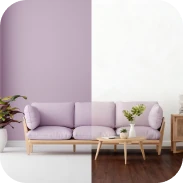
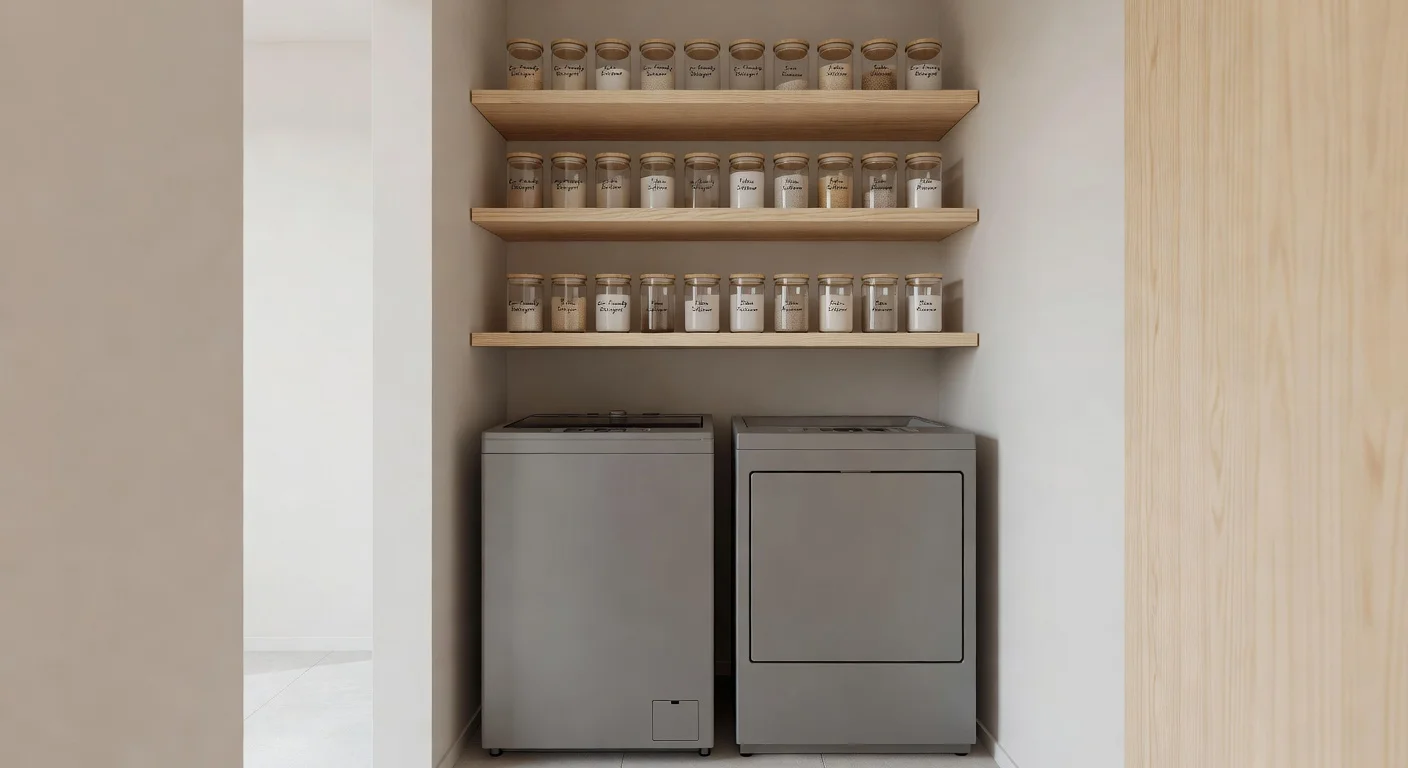
A tiny laundry is a micro-utility zone designed to maximize vertical square footage. Unlike sprawling suburban washrooms, it forces high-efficiency organization through stackable machines and smart shelving so you preserve livable space in compact homes.
As someone who redesigns utility closets in urban condos regularly, I know the pain of claustrophobic floor plans. I spent late 2025 pulling my hair out over 30-inch alcoves that barely fit standard machines, let alone storage for detergent.
The strategy for success comes down to exact millimeter measurements. Every fraction of an inch counts when framing out these gaps.
How small can a functional laundry room actually be?
You realistically only need a 27-inch by 27-inch footprint to fit a modern stackable washer and dryer. However, if you forget to account for the depth of hoses and wall plugs, your machines will protrude ugly into the hallway.
You must dedicate at least four to six inches of rear clearance. Builders frequently ignore this, which leads to doors that won't close flush. If you want to integrate a folding station inside a small apartment, you need a minimum continuous wall length of 60 inches to fit side-by-side units beneath a counter.
What are the real dimensions for compact machines?
Micro-units designed specifically for urban condos are standardized at 24 inches wide. A traditional American washing machine sits at 27 to 30 inches wide.
I usually advise clients to hunt for 24-inch European-style heat pump washers.
- Width: 23.5 inches up to 24 inches.
- Depth: 24 to 25 inches (plus 4 inches for transit bolts/hoses).
- Height: 33 to 34 inches individually (66 inches stacked).
- Capacity: Typically 2.0 to 2.5 cubic feet.
"If your utility closet depth is under 30 inches, a ventless 24-inch stacked pair is your only mathematical option."
Visualizing tight utility layouts before demolition
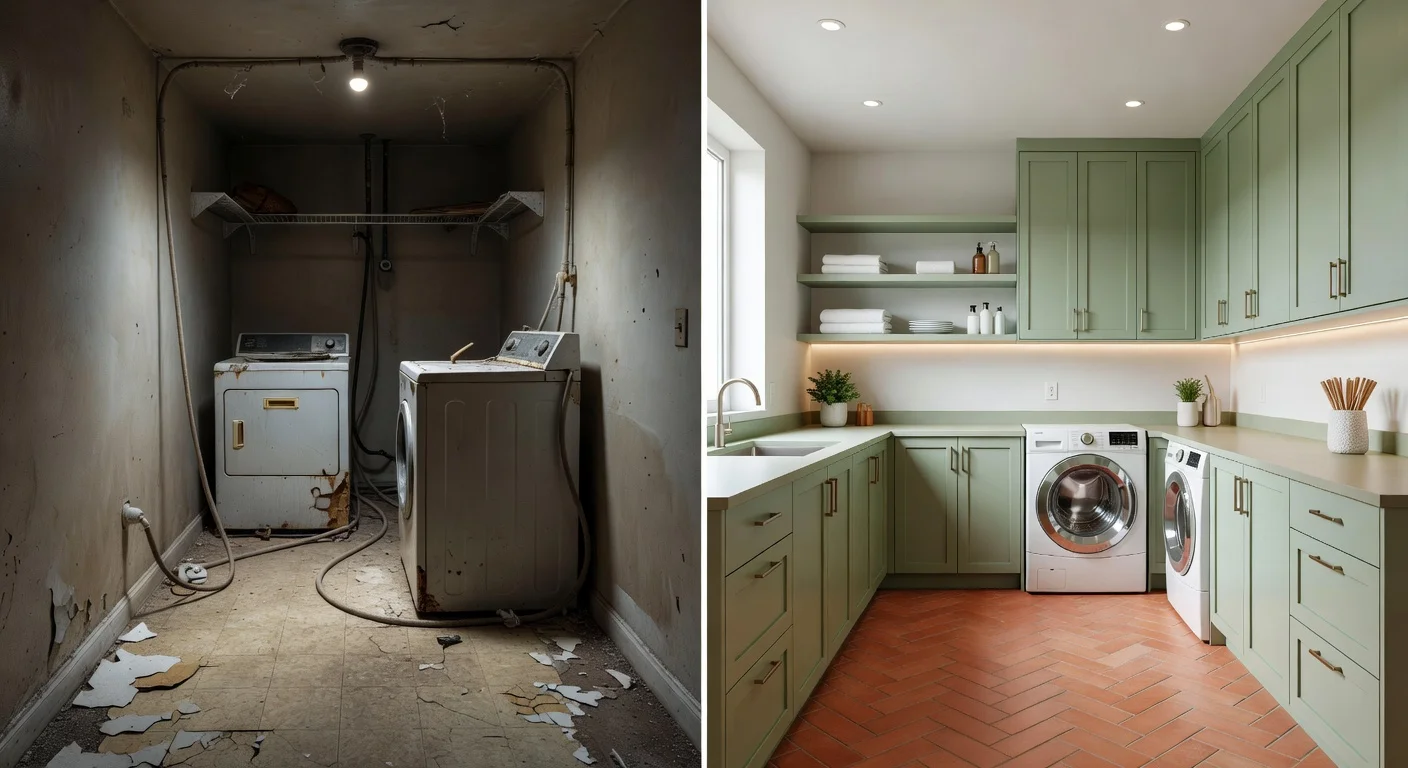
Testing floor patterns or paint colors in a cramped, badly lit room is stressful without a digital preview. I honestly think you should skip buying physical paint testers for these tiny alcoves.
Before committing to a $300 custom floating shelf or ripping out the linoleum, I rely heavily on Renova AI to bypass the drafting phase. I just snap a photo of the ugly existing utility closet on my phone.
The tool has a "wall repaint and floor swap" feature that lets me test specific penny tiles or slate floors instantly. Because there is no manual editing required, I can rapid-fire cycle through 100+ styles (like Japandi or Minimalist) in under two minutes.
It makes pitching a sleek modern interior design to skeptical homeowners incredibly easy.
Comparing digital planners for closet-sized spaces
Most architectural software is overkill for a simple utility closet upgrade. Learning complicated CAD programs just to figure out where to place a drying rack is a massive waste of weekend hours.
You need something that operates securely from your smartphone.
| Software Tool | Primary Strength | Use Case & Recommendation |
|---|---|---|
| RoomSketcher | Accurate 2D floor plans. | Good for builders mapping out electrical outlet placements and plumbing lines. |
| Renova AI | Top Pick for Instant Visualization. | Perfect for homeowners needing quick exterior and interior AI styling. Download it here to swap floors in seconds without manual editing. |
| SketchUp | Custom 3D modeling. | Best if you are personally CNC-machining custom plywood cabinets and need exact geometry. |
Can AI handle weird piping and wall niches?
Yes, the custom change prompts in recent tools allow you to isolate odd structural features. If you have an exposed HVAC pipe running right down the middle of your laundry alcove, standard layout apps just ignore it.
With Renova AI, I just type specific commands telling it what I wish to see. I can highlight the ugly pipe and prompt it to generate a "slatted wood cover." This ai room design trick saves me hours of manual Photoshop masking.
Are combo washer-dryers worth the investment in 2026?
Yes, an all-in-one unit eliminates the need for vertical air clearance, opening up the upper half of your closet for shelving. The technology was notoriously unreliable five years ago, but the 2026 models with inverted compressors actually finish a load in under two hours.
A high-end combo machine currently runs around $1,500 at major retailers.
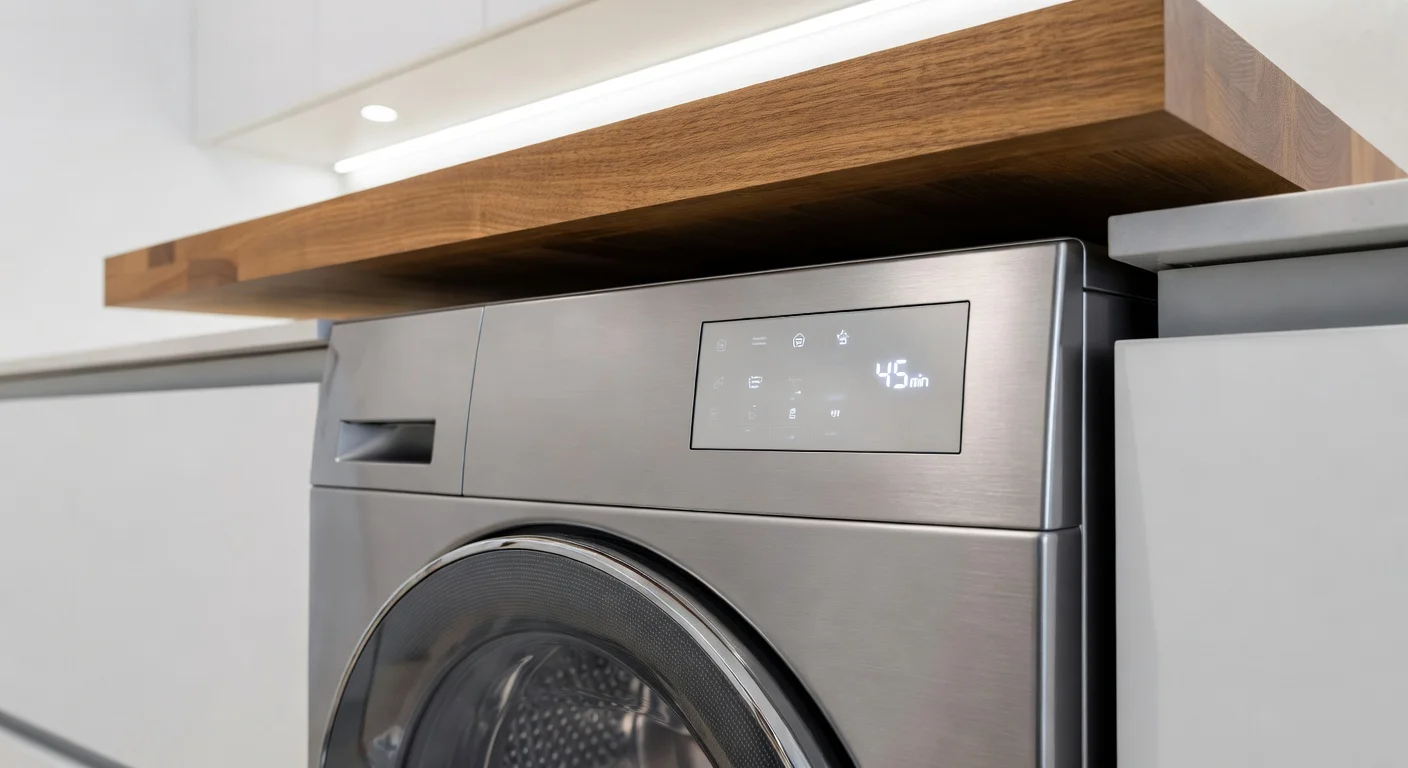
Because you do not have to move wet clothes from one tub to another, you save physical effort. Also, cutting your square footage requirement by exactly 50% means you suddenly have room for built-in laundry hampers.
Do heat-pump dryers work in unventilated closets?
Absolutely, these ventless units extract moisture internally, meaning you do not need to punch a hole through your exterior wall. They capture the water condensation in a tray, or drain it directly into the exact same standpipe your washer uses.
This represents a massive shift for urban renovations. According to strict Energy Star guidelines, modern heat pump systems use roughly 20% to 60% less energy than conventional vented models.
You save on utility bills, but more importantly, you can legally stick a washing machine in a hallway closet without violating fire codes.
What is the real cost breakdown for 2026?
Building out a compact laundry niche from scratch currently averages between $2,500 and $4,000 depending on plumbing proximity. If you are simply swapping appliances in an existing footprint, your only out-of-pocket is the hardware.
Moving a standard 220V electrical outlet or extending a water line across a room quickly inflates your budget.
- Compact 24-inch Appliances: $1,200 to $2,200 for a quality stacked pair.
- Plumbing Modification: $800 to $1,500 (if tearing into drywall).
- Dedicated Electrical Circuit: $350 to $600 per 20-amp line.
- Custom Shelving/Cabinetry: $200 (DIY) to $1,000 (professional install).
- Bi-fold or Pocket Doors: $150 to $400 for hardware and tracks.
What are the best shelving options for narrow gaps?
Custom-cut floating shelves or slide-out acrylic carts are the only systems that maximize gaps under six inches. I usually buy a $35 slim cart from Amazon to slip between the washer and the drywall just for detergent pods.
Standard bulky overhead cabinets create a literal shadow box over your machines. Open wooden shelving installed using heavy-duty L-brackets provides a lighter, more accessible visual aesthetic. Ensure your lowest shelf sits at least 12 inches above the top of the machine so you have physical hand clearance to reach the water shut-off valves.
To confirm the shelving won't look too heavy, I test the proportions first using the Renova app.
Frequently Asked Questions
How much depth do I need for a stackable washer and dryer?
You need an absolute minimum of roughly 32 inches of depth. The machines themselves are generally 27 to 30 inches deep, and you must leave at least 4 to 6 inches behind them for water hoses, venting, and power cords.
Are ventless washer-dryer combos worth the money?
Yes, specifically modern heat-pump combos. They extract moisture internally and drain it alongside the wash water, eliminating the need to cut a 4-inch vent hole through your siding.
What is the best door style for a tiny laundry closet?
Bi-fold doors or sliding pocket doors are the only optimal choices. Standard swinging doors require about 30 inches of swing clearance, which immediately eats up valuable hallway space.
Can I put a laundry machine in a bathroom to save space?
Yes, merging utility spaces is highly efficient. European and Asian apartments have done this for decades by utilizing all-in-one under-counter units beneath bathroom vanities.
How do I prevent mold in a windowless utility closet?
You must leave the washer door slightly cracked after cycles to let it dry out. Installing a hardwired exhaust fan synced to a humidity sensor is also critical for compliance with 2026 building codes.
Is a front-load or top-load machine better for small spaces?
Front-load is mandatory for high-efficiency tiny layouts. You cannot stack a top-load washer, nor can you build a flush countertop directly over a top-load lid.